Iraq on Friday denied a foreign media report claiming its prime minister Ali al-Zaidi had delivered a U.S. ceasefire proposal to Tehran, dismissing the report as "entirely unfounded."
The report "bears no relation to reality," according to a statement by al-Zaidi's media office.
The New York Times, citing unnamed Iranian and Iraqi officials, reported on Thursday that Iran had rejected a ceasefire proposal from U.S. President Donald Trump delivered to Tehran by al-Zaidi.
During an official visit to Iran on Thursday, al-Zaidi met Iranian President Masoud Pezeshkian and said Iraq and Iran share intertwined security interests, reaffirming that Baghdad would not allow its soil to be used for threats against Tehran.
The denial came amid heightened tensions across the Middle East, as the United States and Iran exchanged strikes in recent days. The United States has carried out attacks on Iranian targets, while Iran has responded by targeting U.S. bases and facilities across the region.

Iraq denies report of conveying U.S. ceasefire proposal to Iran
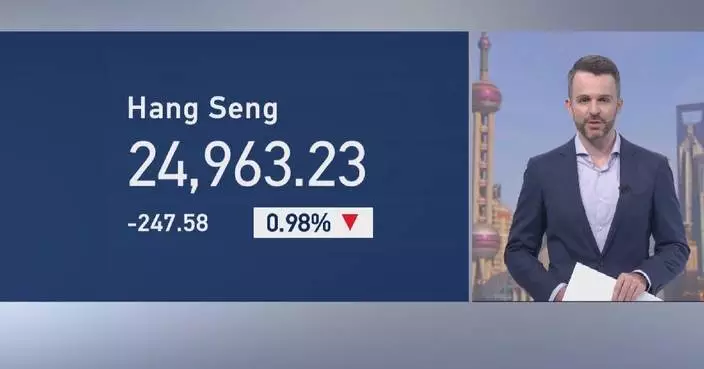
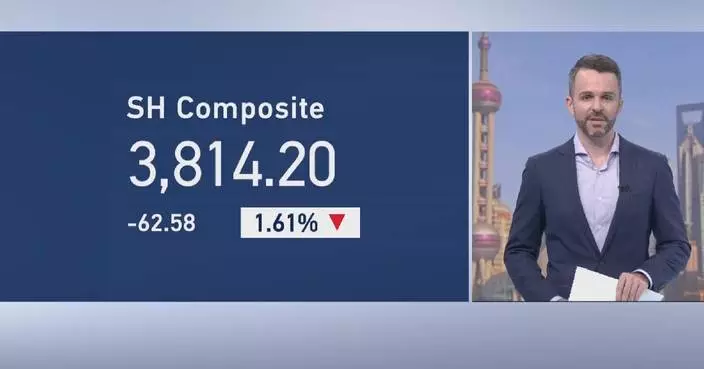
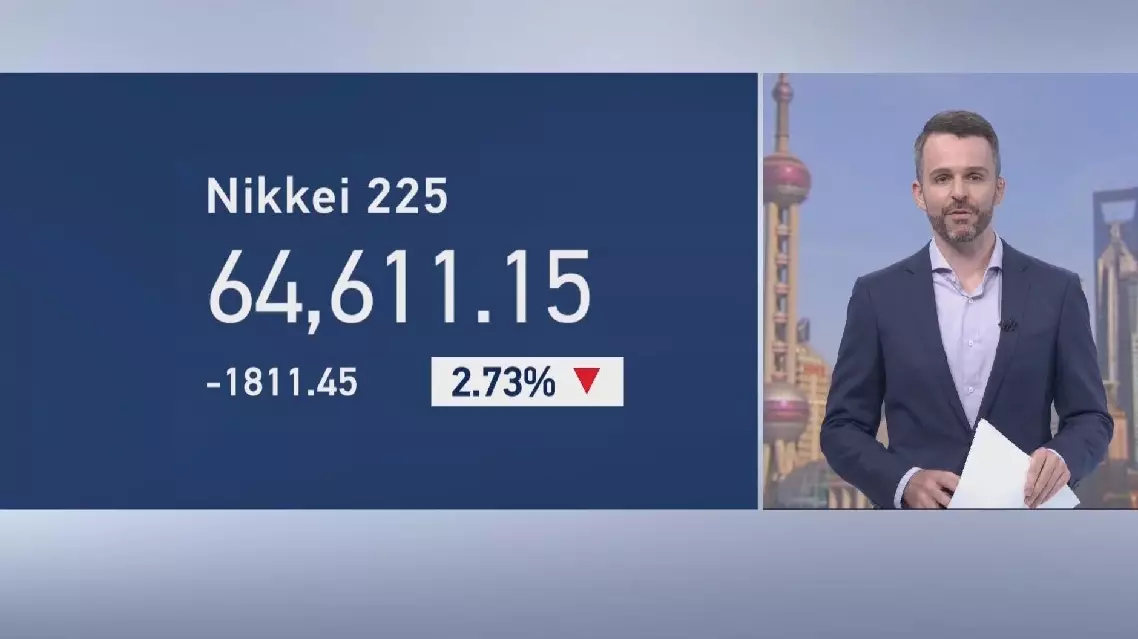
Tokyo stocks plummeted on Friday as Japan faces rising oil prices and worries over AI spending, said China Global Television Network (CGTN) analyst Timothy Pope.
Asian markets were in retreat on Friday. The renewed war between the United States and Iran saw Brent crude touch 102 U.S. dollars a barrel, adding to global inflation concerns. Investors have also reacted more cautiously to the AI investment strategies of some U.S. technology giants following their earnings this week.
Tesla and Alphabet both burned through cash in their latest quarters as they sharply increased spending on AI infrastructure. The question for the market is whether investments totaling hundreds of billions of dollars can generate returns quickly enough to justify present valuations.
Tokyo suffered more in the region, according to Pope, because of its structure and the country's energy dependence.
"Tokyo was hit harder. The Nikkei 225 fell 2.7 percent. This combination of rising oil prices and concerns about AI spending is practically a nightmare scenario for the Japanese markets. The country, of course, is heavily dependent on imported energy, and its benchmark index is strongly influenced by a handful of heavyweight companies with enormous exposure to the global technology sector. Companies like Tokyo Electron and Advantest, they supply equipment to leading chipmakers and data-center operators in the U.S., while SoftBank is one of the world's biggest technology investors. And all three of those were major drags on the Nikkei today. SoftBank fell about 7 percent, Advantest 6 percent and Tokyo Electron 5 percent. Domestic-demand shares, including railway operators, moved a little bit higher, but again they were not enough to offset those losses," he said.
Tokyo stocks plunge amid concerns over oil prices, AI spending: analyst