BELLEVUE, Wash.--(BUSINESS WIRE)--Jul 24, 2026--
This summer, one of the world’s largest sporting events brought millions of fans, international travelers and extraordinary network demand to communities across the United States.
This press release features multimedia. View the full release here: https://www.businesswire.com/news/home/20260722638094/en/
Months before the first match kicked off, T-Mobile (NASDAQ: TMUS) engineers, field technicians, emergency response and operations teams were preparing T-Mobile’s network not just for unprecedented demand, but for constant change. Powered by AI, T-Mobile’s Dynamic CX platform, working alongside the Self-Organizing Network (SON) and 5G Advanced capabilities, helped the network continuously anticipate changing network conditions and optimize performance throughout the tournament to help keep customers and first responders connected.
While OpenSignal recently recognized T-Mobile for delivering the strongest overall mobile experience across North America’s biggest soccer championship host cities, the bigger story is the convergence of AI and 5G Advanced that made that experience possible. Rather than simply adding capacity, AI-powered network automation helped the network adapt to changing demand in real time and deliver more consistent experiences for millions of fans. One example of that intelligence: Across 12 major fan events outside tournament venues, T-Mobile’s Dynamic CX made over 11,000 automated network optimizations as crowds moved and demand shifted.
Built for Scale
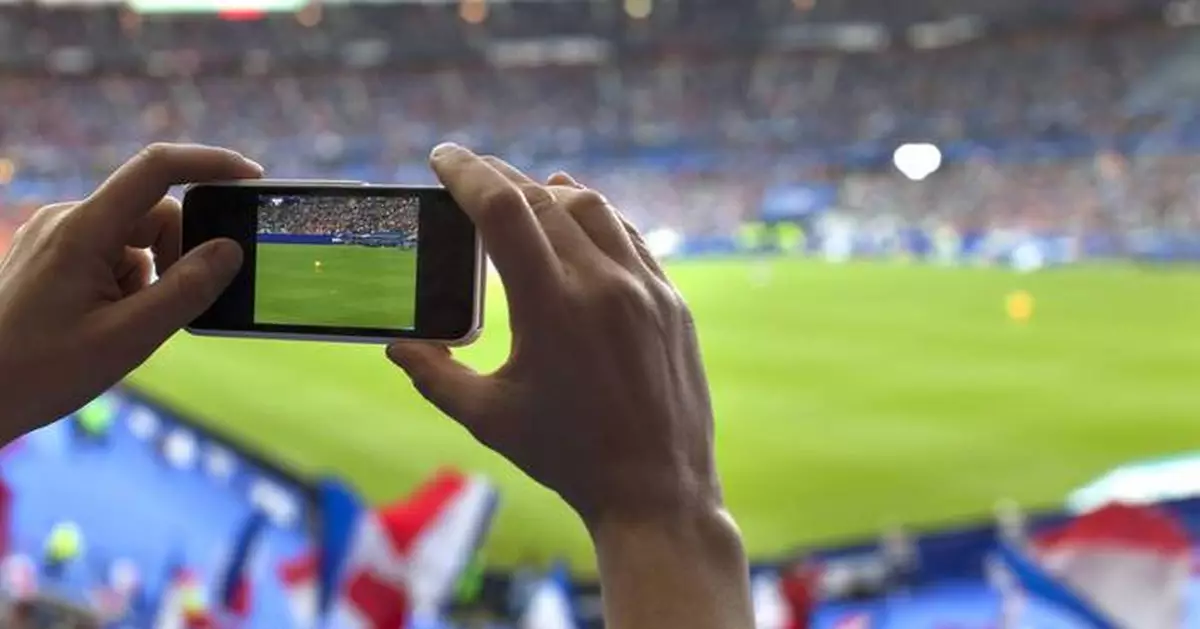
Across 11 host markets and 57 locations, including stadiums, airports, transit hubs and fan gathering locations, T-Mobile expanded network capacity, helping keep more than 2.26 million fans connected across 78 matches while carrying more than 1 petabyte (~1 PB) across all 11 U.S. host stadiums during game days throughout the tournament.
Across those stadiums, T-Mobile customers experienced average download speeds exceeding 300 Mbps. Along the way, the network connected more than 700,000 high-quality calls and helped fans share the action through tens of millions of messages, photos and videos. Macro sites, small cells, distributed antenna systems (DAS) and portable network assets worked together to help deliver a consistent customer experience wherever fans gathered.
By the Numbers:
“Preparing for this summer’s international soccer tournament meant preparing for one of the largest and most dynamic communications events ever hosted in the United States,” said Salim Kouidri, Senior Vice President, Field Engineering and Operations, T-Mobile. “Months of planning and engineering helped ensure the network was ready when millions of fans arrived.”
AI Helping the Network Stay One Step Ahead
Network readiness has always been a key differentiator for T-Mobile. By combining AI with 5G Advanced, T-Mobile is evolving how it builds and operates its network, enabling real-time automation that anticipates changing demand, continuously optimizes performance and helps deliver the exceptional experiences customers expect during the world's biggest events.
Rather than simply reacting to congestion, T-Mobile used AI-powered network automation to help stay ahead of changing demand. The Dynamic CX platform worked alongside SON and 5G Advanced capabilities to continuously analyze changing network conditions and automatically optimize performance in near real-time.
Dynamic CX executed automated network optimizations during fan events outside tournament venues, demonstrating how AI can help automatically adapt network performance during large-scale live events, delivering a more consistent customer experience during some of the busiest network moments of the summer.
“Large live events aren’t static; they’re constantly changing,” said Ankur Kapoor, Chief Network Officer, T-Mobile. “Faster speeds and greater capacity remain essential, but intelligent networks are becoming just as important. Dynamic CX and our Self-Organizing Network automatically adapted to shifting demand while our engineers monitored performance nationwide, helping deliver the reliable connectivity customers count on during some of the busiest network moments of the year.”
Supporting Those Who Keep Communities Safe
Keeping fans connected was only part of the mission.
Throughout the summer, T-Mobile’s emergency response team worked alongside public safety agencies, emergency managers and venue operators to help support communications readiness across host markets. Teams coordinated with Emergency Operations Centers, supported major venues and transportation hubs, deployed portable network assets — including COWs ( Cell on Wheels ) and SatCOLTs ( Satellite Cell on Light Trucks ) — adding additional capacity and resiliency, embedding teams at key locations and supporting public safety drone operations through dedicated connectivity in numerous host cities. Behind the scenes, teams inside T-Mobile’s Cyber Defense Center maintained heightened monitoring while network operations teams continuously optimized performance and coordinated response efforts.
Eligible first responders also benefited from T-Priority, which gives them the highest priority across every single 5G band, even in times of extreme congestion, as well as T-Satellite with Starlink, providing an added layer of resilience when terrestrial cellular coverage is unavailable.
One example came during one of the tournament’s largest watch parties in New York City’s Central Park, where T-Mobile deployed additional portable network assets and dedicated teams providing support alongside local public safety agencies for an event expected to draw more than 50,000 fans. Across the tournament, temporary COW deployments supported 50 event days, carrying nearly 290 TB of traffic at high-demand fan sites.
Championship Performance
Throughout the tournament, T-Mobile delivered the fastest speeds in field testing across every match hosted at MetLife Stadium. MetLife also hosted the tournament’s highest-traffic event, which carried 29 TB of wireless traffic. The championship match marked the tournament’s biggest network test and showcased T-Mobile’s fastest measured download and upload speeds among the national providers tested.
The Final by the Numbers
Those results reflected months of engineering preparation, AI-powered optimization and nationwide operational readiness.
Ready for Every Moment
From the opening match to the championship, T-Mobile's network, powered by AI, 5G Advanced and the expertise of its engineers and Emergency Response Team, supported one of the largest live-event communications efforts in U.S. history.
As major live events continue to grow in size and complexity — and people expect to be connected wherever they are — intelligent networks will play an increasingly important role in keeping customers, businesses and first responders connected when it matters most.
For more information on T‑Mobile’s preparedness and response capabilities, visit the company’s Emergency Response hub and follow @TMobileNews on X and Instagram.
About T-Mobile US, Inc.
As the supercharged Un-carrier, T-Mobile US, Inc. (NASDAQ: TMUS) is powered by an award-winning 5G network that connects more people, in more places, than ever before. With T-Mobile’s unique value proposition of best network, best value and best experiences, the Un-carrier is redefining connectivity and fueling competition while continuing to drive the next wave of innovation in wireless and beyond. Headquartered in Bellevue, Wash., T-Mobile provides services through its subsidiaries and operates its flagship brands, T-Mobile, Metro by T-Mobile and Mint Mobile. For more information, visit https://www.t‑mobile.com.
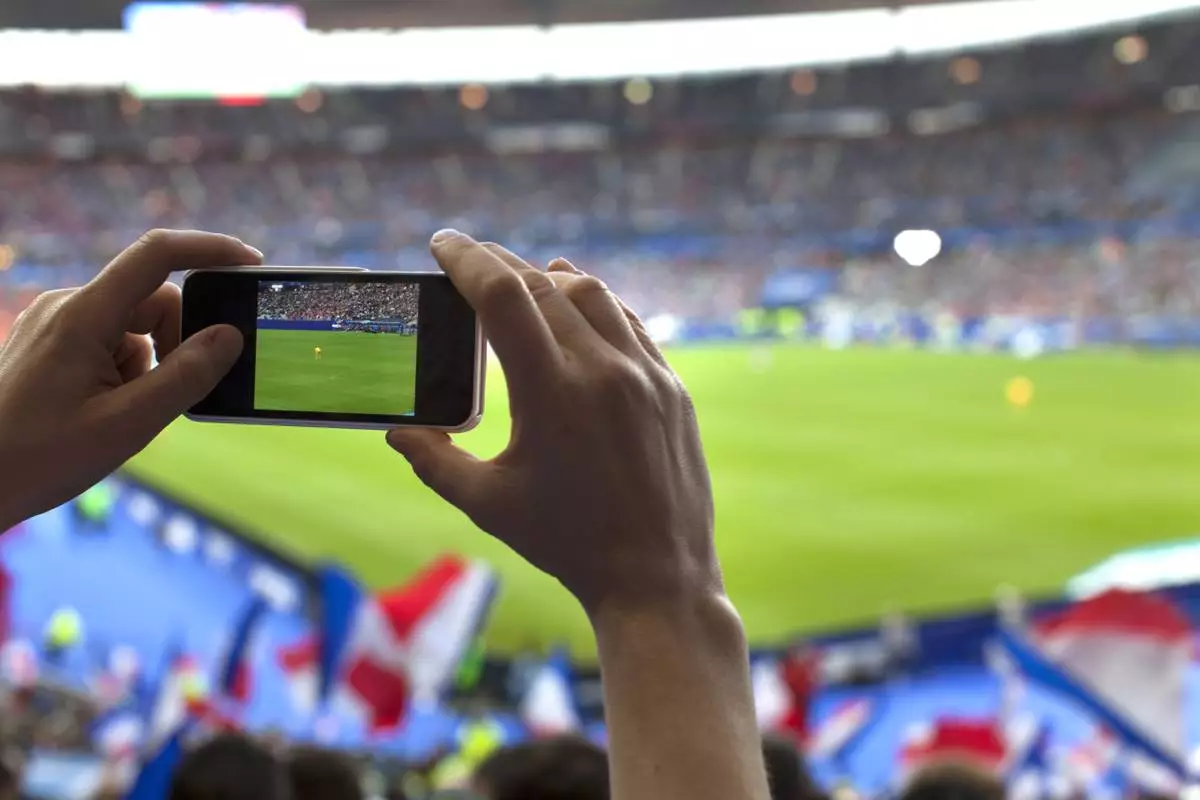
Across 11 host markets, T-Mobile expanded network capacity at 57 locations, including stadiums, airports, transit hubs and fan gathering locations. Macro sites, small cells, distributed antenna systems (DAS) and portable network assets worked together to help deliver a consistent customer experience wherever fans gathered.