Skip to Content Facebook Feature Image

US, Iran deny media report on ceasefire proposal mediated by Iraq

China

China

China

US, Iran deny media report on ceasefire proposal mediated by Iraq

2026-07-25 11:25 Last Updated At:11:37

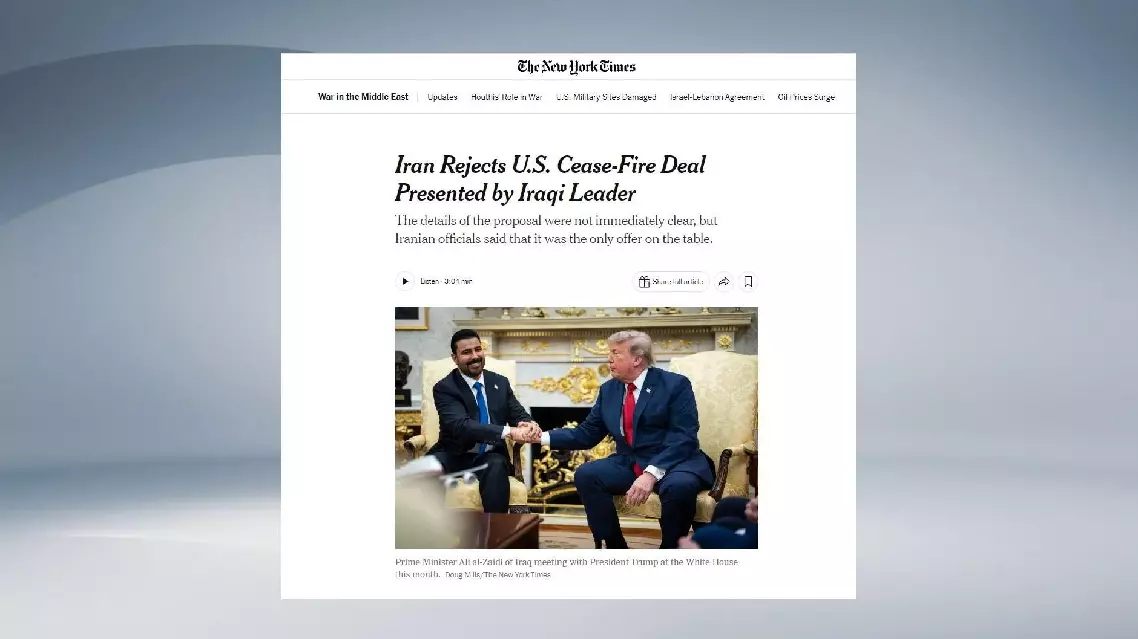
The United States and Iran Friday denied a report from the New York Times claiming Iran rejected a ceasefire proposal from U.S. President Donald Trump that was conveyed to Tehran by Iraqi Prime Minister Ali al-Zaidi.

The New York Times story quoted unnamed Iranian and Iraqi officials as saying the failed mediation effort came as Trump was threatening to escalate the war and target Iran's critical infrastructure.

According to the report, the details of the ceasefire proposal were not immediately clear. But Iranian officials said that their government was not interested in a temporary deal that left the question of control over the Strait of Hormuz unresolved.

Shortly after the report surfaced, Iran's official state news agency, IRNA, dismissed the claim, calling it "diverting and misleading."

Iraq on Friday also dismissed the media report as "entirely unfounded," saying it "bears no relation to reality," according to a statement by al-Zaidi's media office.

Meanwhile, a U.S. official also rejected the report, saying that the story was "inaccurate."

In a separate development on the same day, Iranian Foreign Minister Seyed Abbas Araghchi said the core problem between the United States and Iran stems from U.S. policies and practices rather than a lack of communication channels or mediators.

Araghchi stressed that Iran would not yield to U.S. pressure and would not accept threats, coercion, or force. He reiterated Tehran's commitment to safeguarding the interests of the Iranian people and its rights concerning the Strait of Hormuz.

Iran will continue its actions until the legitimate goals and demands of the Iranian people are realized, he said.

The United States and Iran signed a memorandum of understanding in mid-June, under which the two sides were expected to hold negotiations within 60 days toward a final agreement.

However, tensions have flared again recently as both sides traded rounds of attacks across the Middle East. The United States has carried out attacks on Iranian targets, while Iran has responded by targeting U.S. bases and facilities across the region.
US, Iran deny media report on ceasefire proposal mediated by Iraq

US, Iran deny media report on ceasefire proposal mediated by Iraq

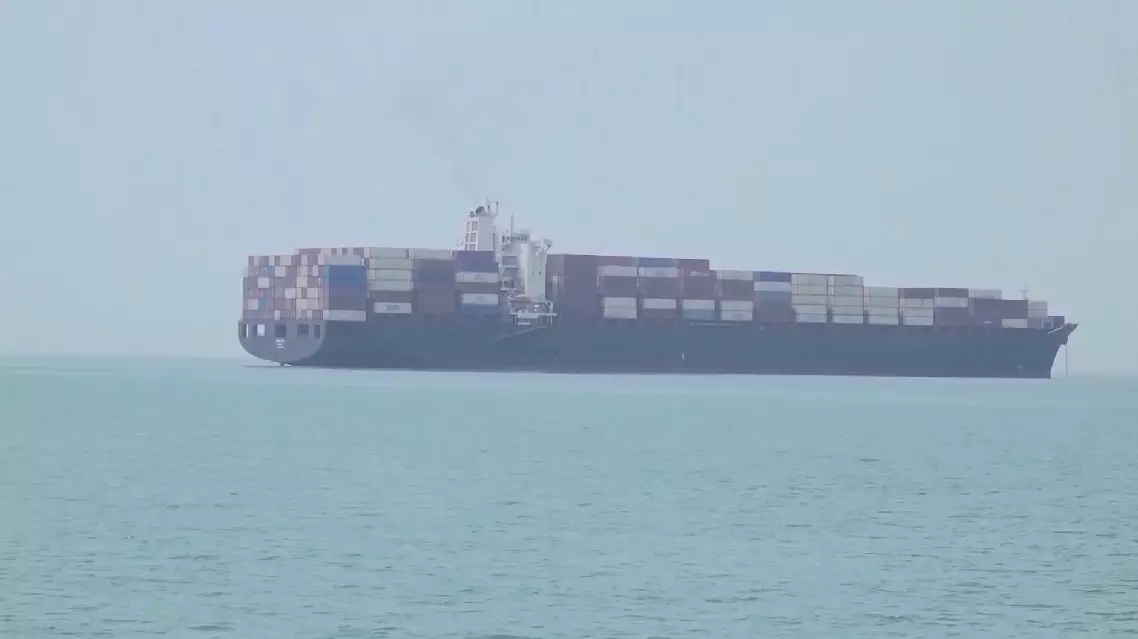
Maritime traffic through two of the Middle East's most critical chokepoints showed starkly contrasting trends on Thursday, with transits through the Strait of Hormuz plunging while movements through the Bab el-Mandeb Strait picking up, leading data and analytics firm Kpler said Friday.

Kpler said on X that traffic through the Strait of Hormuz on Thursday "fell to six confirmed crossings, down 60 percent from the previous day." All but one of the vessels used a shipping lane designated by Iran, its post read.

Meanwhile, the Bab el-Mandeb Strait, which connects the Red Sea and the Gulf of Aden, saw 49 vessels complete transits the same day, a figure above the recent average, according to Kpler.

The divergence comes amid heightened tensions in the region, with maritime traffic around the Strait of Hormuz facing security risks. The U.S. military has recently resumed naval blockade against vessels transiting to and from Iranian ports and coastal areas.

Kpler also said that some vessels that had previously turned back due to security concerns in the Gulf of Aden and the Red Sea had resumed navigation and successfully completed their passages. However, other ships remained anchored, awaiting further safety assessments.

The overall situation was characterized by what Kpler described as "cautious but selective resumption" of maritime activity, with international shipping firms continuing to evaluate the security conditions in the region.

In another development, a vessel carrying 30 crew members reported coming under attack and issued a distress call near the Strait of Hormuz, according to audio recordings from a public VHF maritime radio channel on Friday. The vessel, named Disha, was attacked by unknown missiles near the eastern entrance to the Strait of Hormuz and in need of immediate assistance, according to the recordings.

Maritime activity remains mixed across Middle East's key oil chokepoints: Kpler

Maritime activity remains mixed across Middle East's key oil chokepoints: Kpler

Recommended Articles