MADISON, Wis. (AP) — In Wisconsin's progressive capital city of Madison, where liberal residents have long embraced their history of political activism and protest, a police shooting this week has disrupted some of the largest and most popular summertime events and once again put the spotlight on persistent and deep racial divisions.
Corey Ruiz, who is identified as Black or Latino in Wisconsin court records, was shot and killed by a Madison police officer on Wednesday after a brief scuffle at the intersection of a city street just yards away from a popular 52-year-old food co-op in the heart of the city's most liberal neighborhood.
Click to Gallery
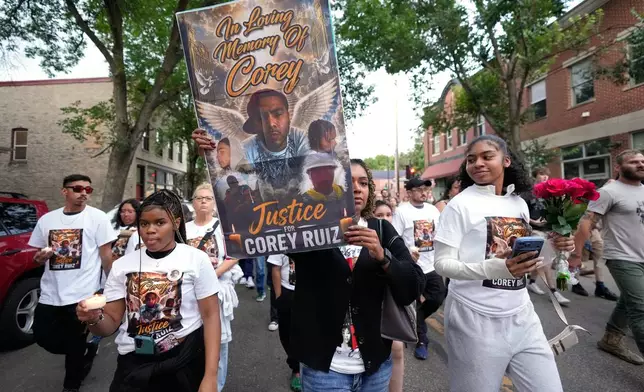
Mourners gather around a memorial at the site where a man was shot and killed on Wednesday by Madison police, Thursday, July 23, 2026, in Madison, Wis. (AP Photo/Kayla Wolf)
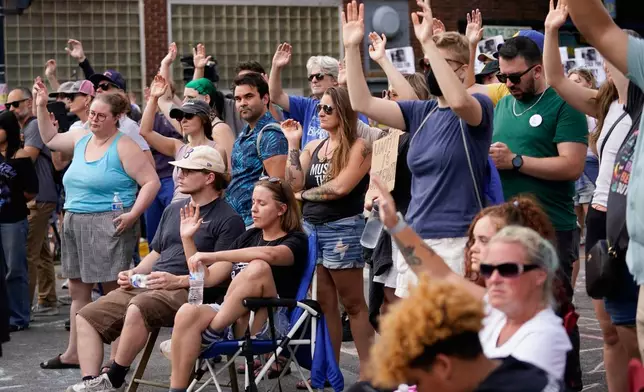
Attendees gesture as they gather at a memorial Thursday, July 23, 2026, in Madison, Wis., where a Madison police officer shot and killed Corey Durell Ruiz on Wednesday. (AP Photo/Kayla Wolf)
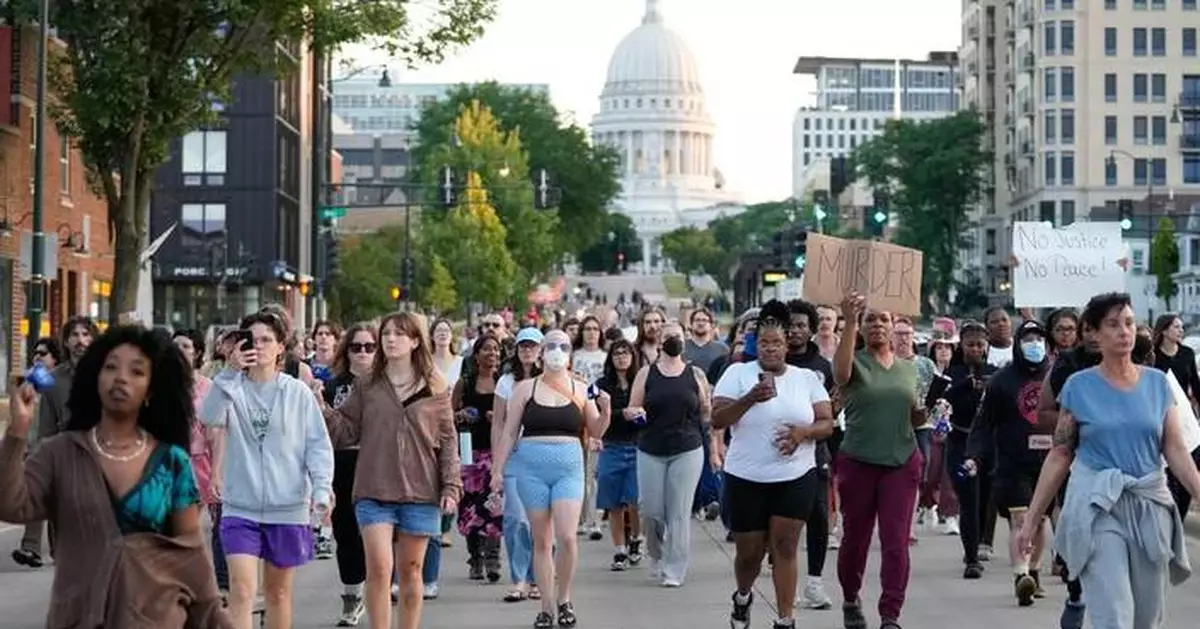
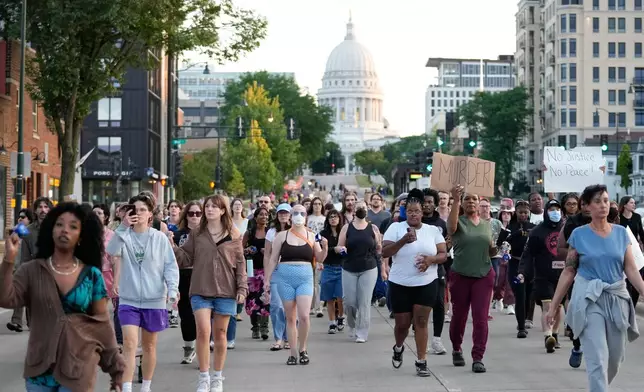
Protesters march Thursday, July 23, 2026, in Madison, Wis., after a Madison police officer shot and killed Corey Durell Ruiz on Wednesday. (AP Photo/Kayla Wolf)
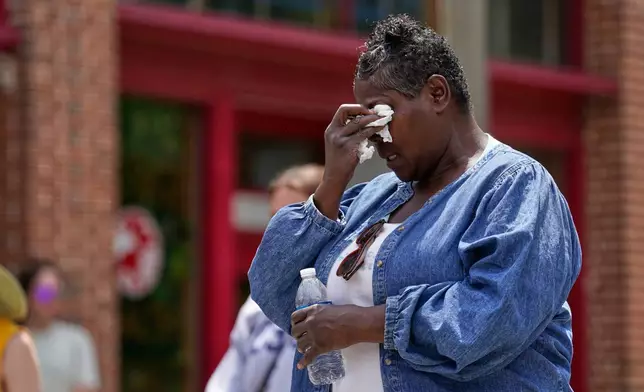
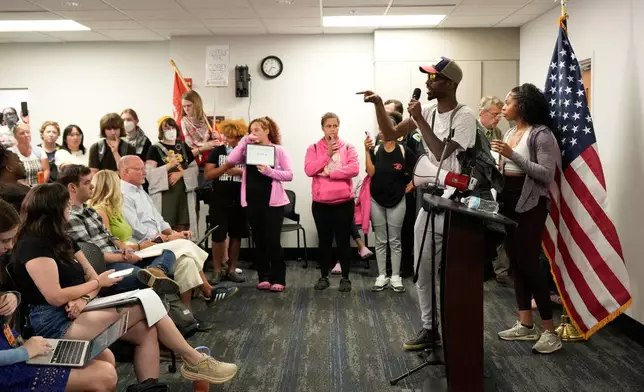
Resident react during a press conference regarding the incident where a man was shot and killed on Wednesday by Madison police, Thursday, July 23, 2026, at the police station in Madison, Wis. (AP Photo/Kayla Wolf)
Protesters march after a Madison police officer shot and killed a man Wednesday, July 22, 2026, in Madison, Wis. (AP Photo/Kayla Wolf)
It marks the third time since 2012 that Madison police have shot and killed someone in the same neighborhood. The shooting has sparked renewed calls for police reforms and forced the city that is 70% white to once again reckon with calls from the Black community to address racial justice issues.
Pressure from protesters, and sympathy for their cause, has also led to the cancellation or disruption of many of Madison's signature summertime events.
“Our community has spoken loud and clear: this is NOT business as usual,” Black activist Clyde Mayberry posted on Facebook on Friday amid a string of cancellations. “Your decisions have helped ensure that this city continues to acknowledge the pain, the loss, and the call for accountability.”
Protesters took to the streets hours after the shooting, disrupting a popular Wisconsin Chamber Orchestra outdoor concert at the state Capitol that attracts about 30,000 every week in the summer. Protesters, many of whom were Black, stood over white concert attendees sitting at tables near the stage that cost as much as $1,800 to rent for the night.
Concert organizers canceled the event.
Threats of a protest on Thursday led the city to postpone the grand opening of a new public market, just a few blocks away from where the shooting occurred. A popular neighborhood festival near the shooting called AtwoodFest, scheduled to begin on Saturday, was also canceled in the face of potential protests.
“Our community and our Marquette neighbors witnessed another horrific officer-involved shooting just blocks from our festival grounds, leaving us in deep pain and justified anger,” organizers of the festival wrote. “In acknowledgment of what has happened far too often in our community and our country as a whole, this year’s AtwoodFest, themed ‘The Heartbeat of the Neighborhood,’ is canceled.”
And on Saturday, the popular downtown farmers market that attracts about 20,000 people each week around the Capitol building, was scheduled to shut down nearly four hours earlier than usual in solidarity with protesters.
“We mourn with our community,” market organizers posted on social media. “And we agree - business cannot proceed as usual.”
Investigations into the shooting continue. Civil rights attorney Ben Crump, who represents the Ruiz family, said on Friday at a new conference in the Capitol that the officer who fired the shots should face criminal charges.
Madison Police Chief John Patterson, who is white, has tried to calm tensions, even allowing protesters to overtake a news conference that he was leading along with the mayor inside the police department's downtown headquarters on Thursday.
Patterson took questions from angry protesters, one of whom held a sign just feet away from the chief that said “corrupt cops deserve to die too.” After one protester hurled an insult at Patterson, the chief calmly responded, “I appreciate you being here.”
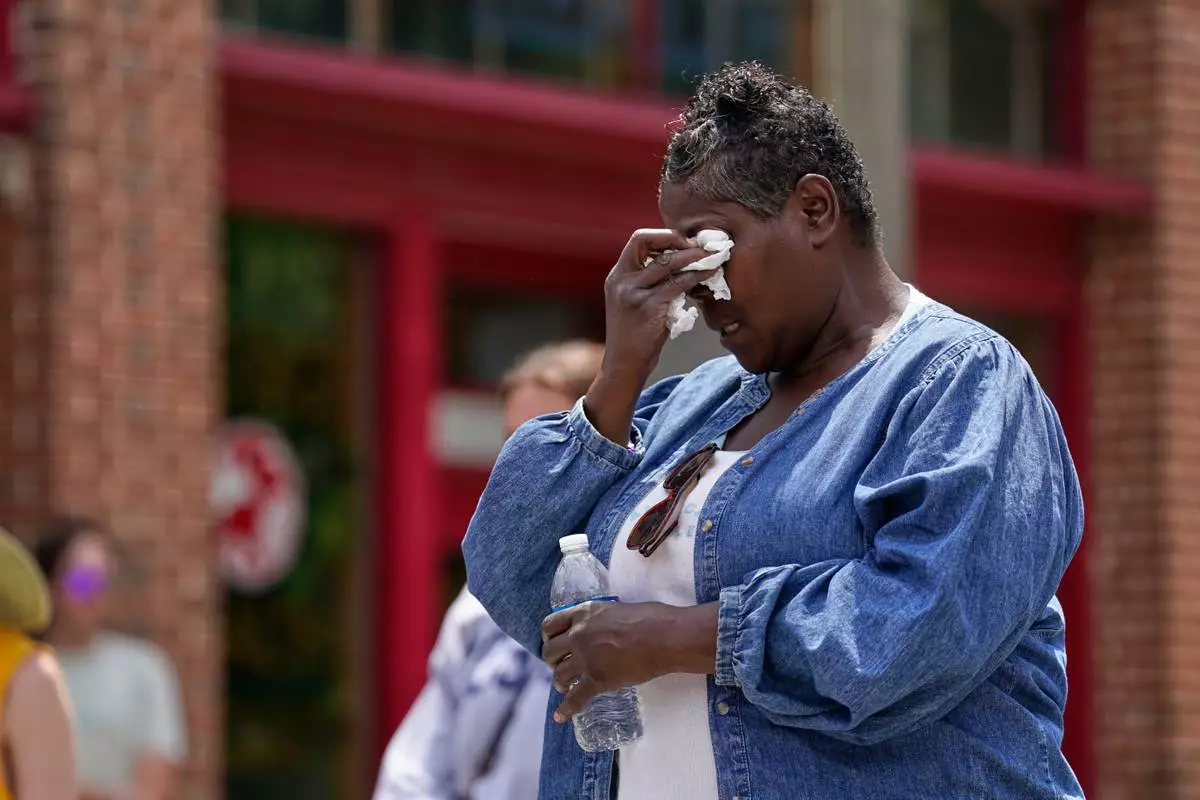
Mourners gather around a memorial at the site where a man was shot and killed on Wednesday by Madison police, Thursday, July 23, 2026, in Madison, Wis. (AP Photo/Kayla Wolf)
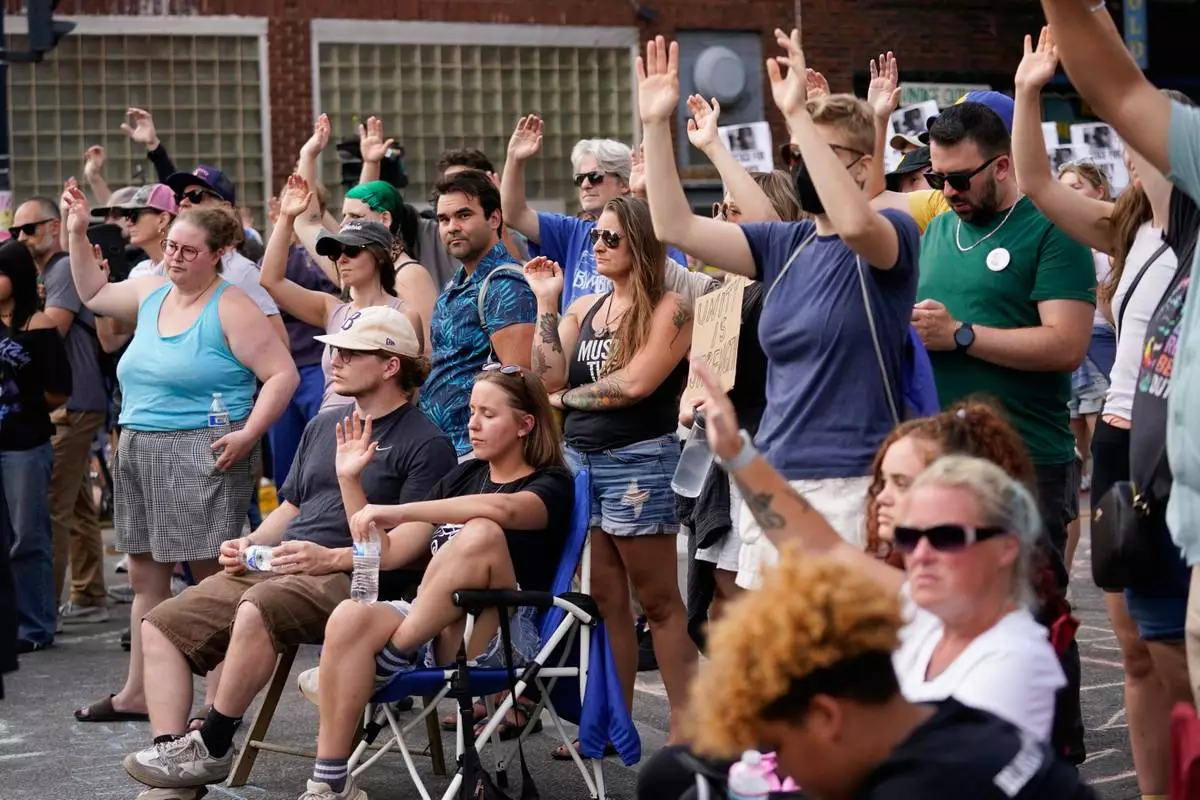
Attendees gesture as they gather at a memorial Thursday, July 23, 2026, in Madison, Wis., where a Madison police officer shot and killed Corey Durell Ruiz on Wednesday. (AP Photo/Kayla Wolf)
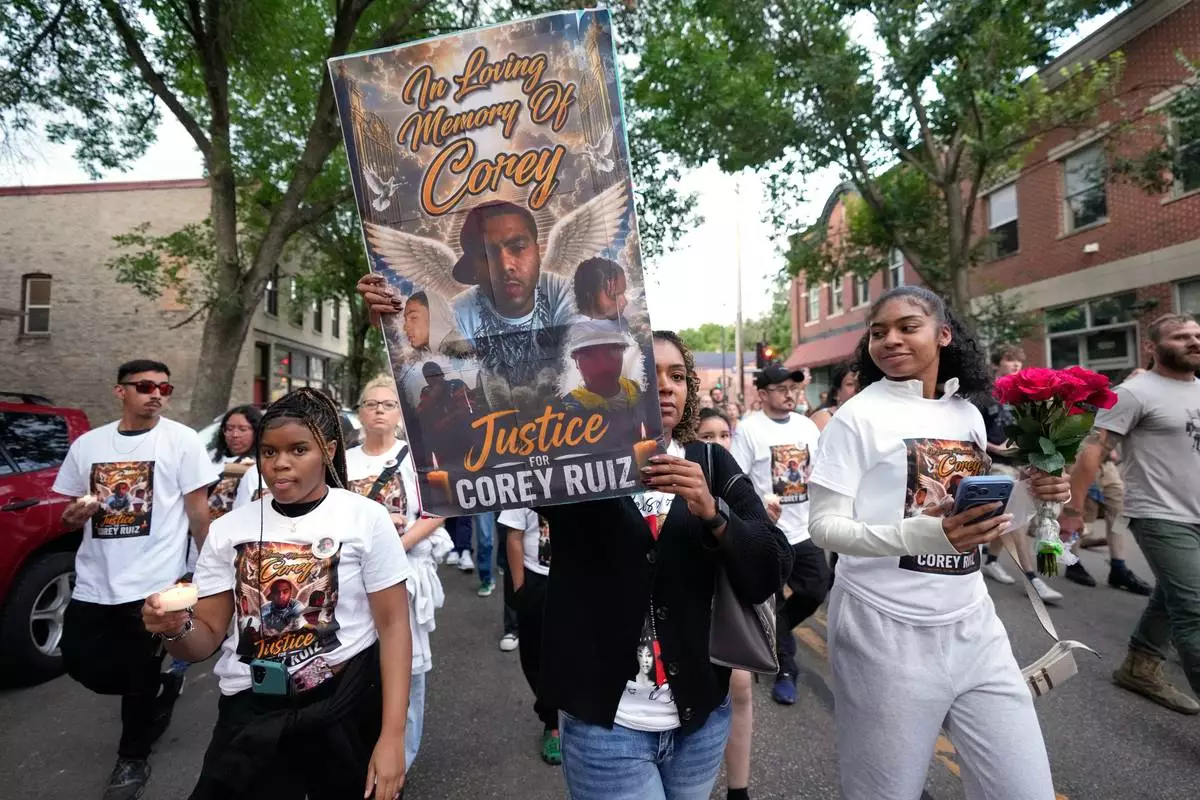
Protesters march Thursday, July 23, 2026, in Madison, Wis., after a Madison police officer shot and killed Corey Durell Ruiz on Wednesday. (AP Photo/Kayla Wolf)
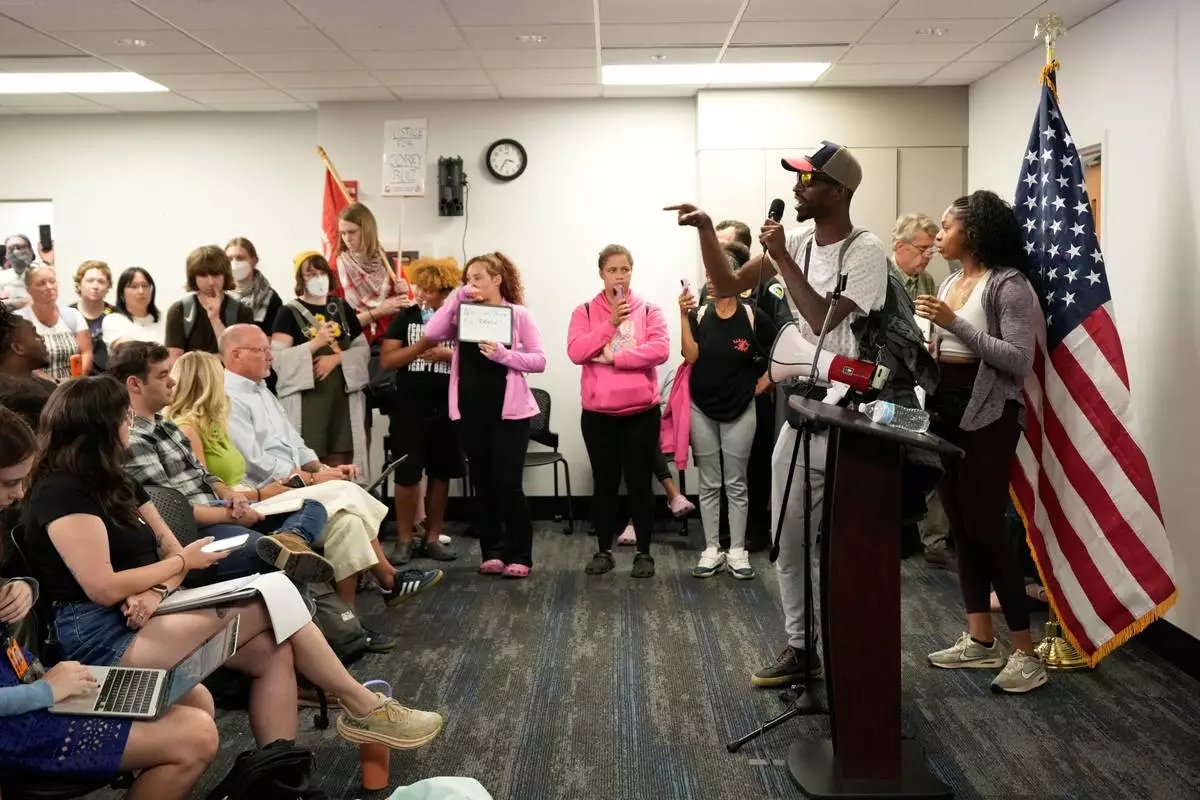
Resident react during a press conference regarding the incident where a man was shot and killed on Wednesday by Madison police, Thursday, July 23, 2026, at the police station in Madison, Wis. (AP Photo/Kayla Wolf)
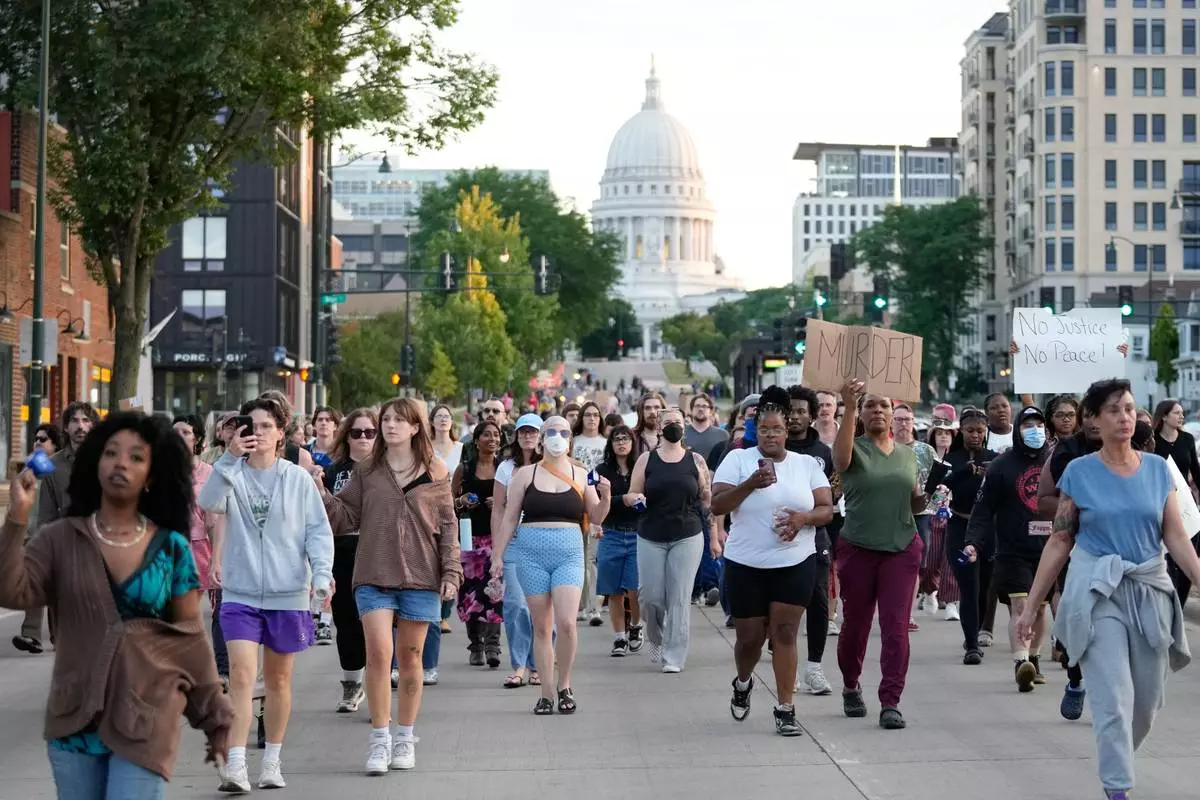
Protesters march after a Madison police officer shot and killed a man Wednesday, July 22, 2026, in Madison, Wis. (AP Photo/Kayla Wolf)
The WNBA has never been bigger.
More people are watching. More are investing. Salaries for many players are higher than ever. But mounting turmoil and discord have been a part of this transformative period that has featured a landmark collective bargaining agreement, league expansion and skyrocketing player recognition.
It seems to have reached a new flashpoint, as discussions about race, gender and sexuality made headlines ahead of Saturday’s WNBA All-Star Game. Race-driven conversations resurfaced after an incident between Indiana Fever guard Caitlin Clark and Phoenix Mercury forward Alyssa Thomas, while players continued to voice frustrations with WNBA Commissioner Cathy Engelbert and leadership over what they say is a lack of protection from social media harassment and divisive remarks.
“It is a moment to be celebrated without a doubt,” said Ketra Armstrong, sport management professor and director of the Center for Race and Ethnicity in Sport at the University of Michigan. “We want to celebrate what’s great. But sometimes, the progress can overshadow, still, where the perils are.”
Issues of race, gender and representation have been an undercurrent throughout the league's history. Debates over those issues have grown as women's sports have exploded. And they remain a challenge that shape the WNBA's — and most other pro sports leagues, for that matter — public and online discourse.
“This is what a sports league" is, said David Berri, sports economist and economics professor at Southern Utah University. He cited the NFL’s Rooney Rule as an example. “If a sports league is going to get attention, you’re going to get attention for these things as well.”
Contentious conversations also spread to issues of transgender athletes and harassment.
WNBA veteran Brianna Turner said on social media this week that her former team, the Fever, fired a male employee last season for sexual harassment. Turner, who was with Indiana last season but now plays for Las Vegas, said Indiana players were encouraged not to discuss the firing.
Turner’s comments came as she defended transgender athletes days after Indiana forward Sophie Cunningham spoke on transgender athletes competing in women’s sports.
“I got a lot of negative feedback about me hating trans. And I’m like, ‘I never once said that,’” Cunningham was quoted as saying in a story published by ESPN. “I think that I am here to extend love. But I also think with that love is truth, being honest. And I want to protect young girls in a locker room, or young girls in sport who shouldn’t have to go against biological men.”
The WNBA’s conversations about race were thrust back into the spotlight after Toronto Tempo coach Sandy Brondello was suspended one game for referring to Atlanta Dream forward Angel Reese as a “protected species.”
The comment, picked up by the broadcast after Reese drew a foul on Toronto player Nyara Sabally, quickly drew criticism.
Brondello, a former player who has won two WNBA titles, is Australian. The “protected species” phrase is used in Australian sports to express frustration over a lack of calls against a player. However, in the U.S., the phrase suggests that someone isn’t human and could be seen as derogatory toward Black people. Brondello later apologized. Reese accepted, saying she appreciated the league’s swift action.
“It’s a much bigger platform now. Everything that happens is news,” Berri said. “There were hard fouls 10 years ago. Nobody paid any attention to that. It ends up being because of the coverage now, everything gets magnified ... which is good. I mean, this is what we wanted.”
Clark has repeatedly attempted to downplay the noise surrounding her, but she has become a springboard for projections far beyond the game itself.
“It’s basketball," she said in a recent ESPN interview. "When I walk out of the locker room I shouldn’t be fearful of what the conversation is going to be. It’s emotionally exhausting. It’s draining. It makes your shoulders tense because people don’t want to talk about the basketball. They just want to stir it up and make something else.”
The WNBA retroactively assessed Thomas a flagrant foul and suspended her one game after the veteran made contact with her fist to Clark’s throat in a June 24 matchup.
The play, which Thomas has said was an accident, gained widespread attention and ignited debates over officiating, with coaches, pundits and lawmakers weighing in on whether the league needs to take action about physical play involving Clark.
Thomas, who is Black and in her 12th WNBA season, said after the incident she had received death threats, part of increased online vitriol players have faced in recent years. Chelsea Gray of the Las Vegas Aces recently posted a message from a man that included a racial slur. And Engelbert this week met with a pair of player committees to discuss what more can be done to protect players from online harassment.
Since she entered the league, Clark and her WNBA peers have become proxies for long-standing American issues — from race, gender and sexual orientation to who receives attention and who doesn't.
“There’s a lot to celebrate,” Armstrong said, “but race still matters. Race will always matter. It just depends on how we make it matter.”
AP WNBA: https://apnews.com/hub/wnba-basketball
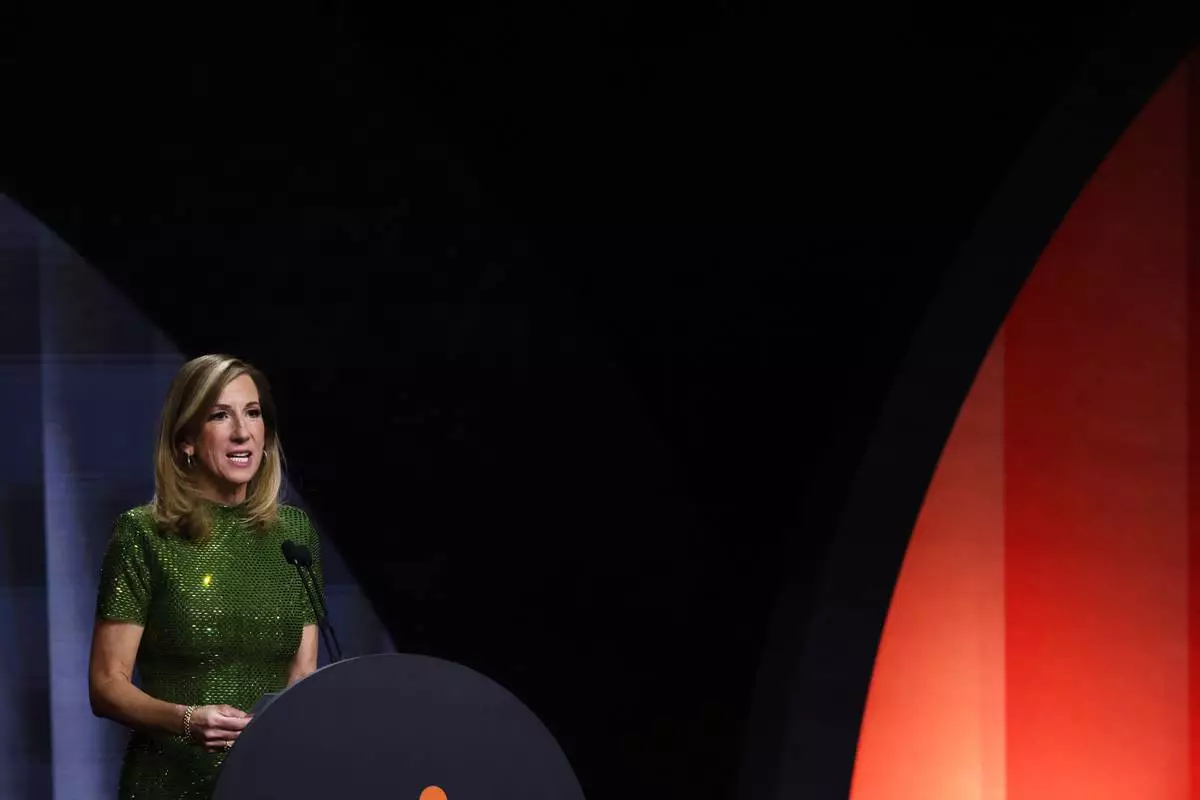
FILE - WNBA commissioner Cathy Engelbert speaks at the WNBA basketball draft, April 13, 2026, in New York. (AP Photo/Pamela Smith, File)
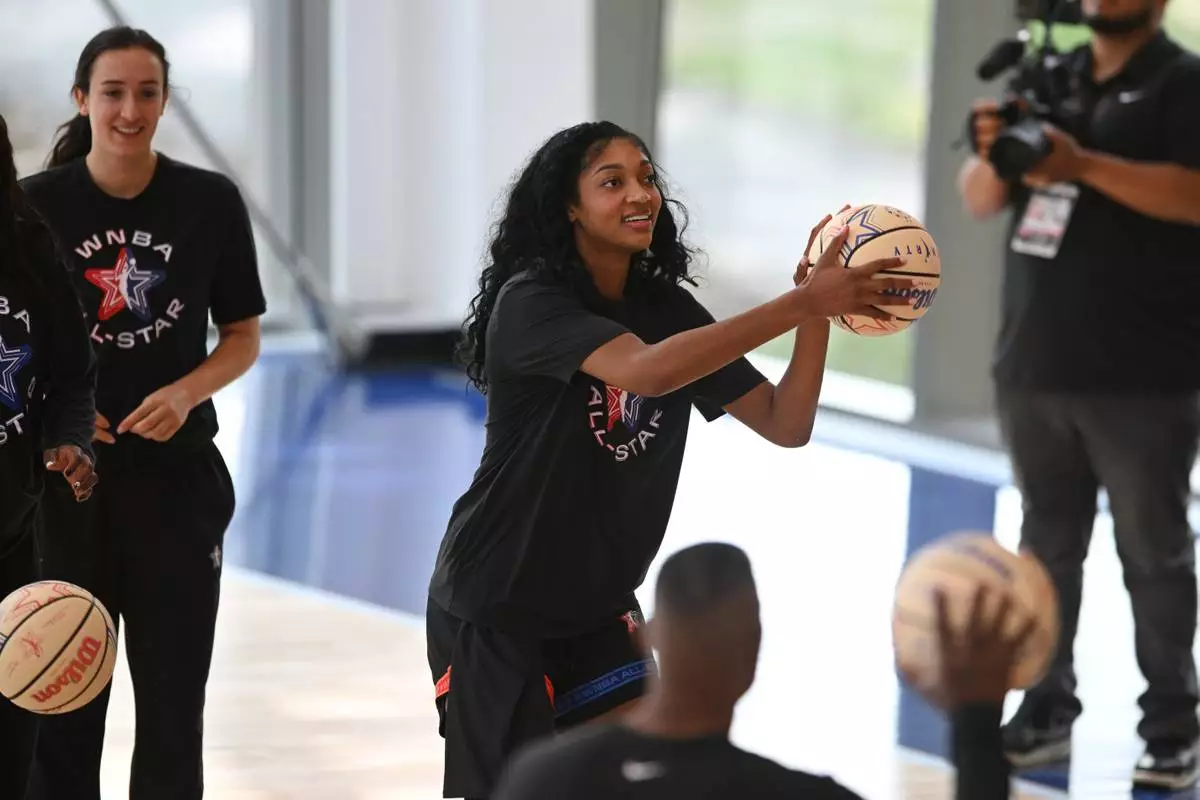
WNBA All Star Angel Reese shoots during practice at the Obama Presidential Center in Chicago, Friday, July 24, 2026. (AP Photo/Paul Beaty)
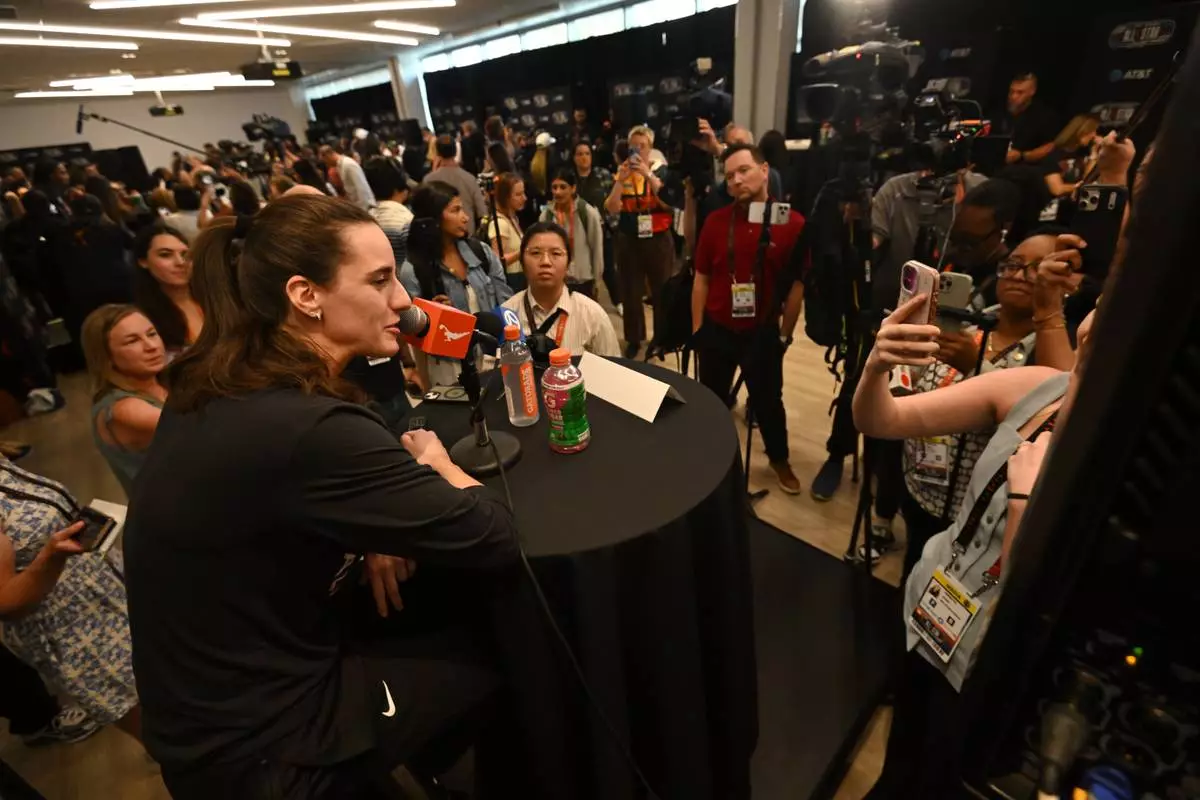
WNBA All Star Caitlin Clark speaks to the media during practice at the Obama Presidential Center in Chicago, Friday, July 24, 2026. (AP Photo/Paul Beaty)
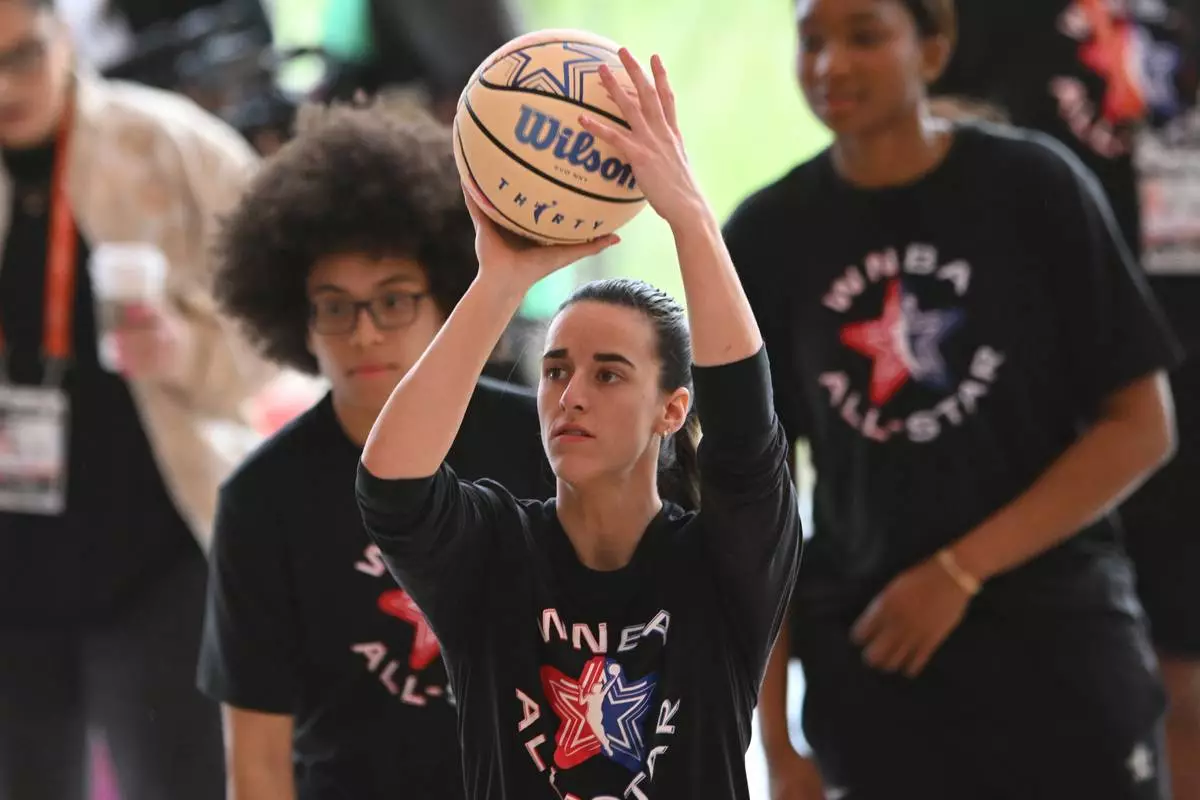
WNBA All Star Caitlin Clark shoots during practice at the Obama Presidential Center in Chicago, Friday, July 24, 2026. (AP Photo/Paul Beaty)