Chinese medicine hospital to offer targeted care
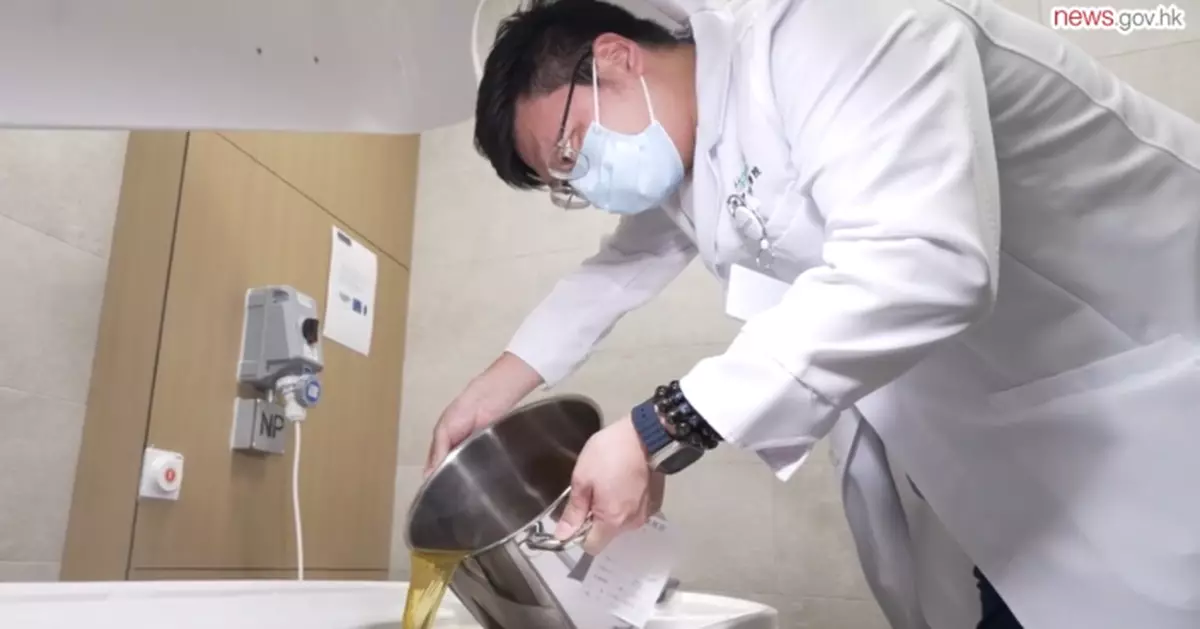
The Chinese Medicine Hospital of Hong Kong will launch its first batch of Special Disease Programmes tomorrow (July 27), covering post-stroke care and lower back pain management. Led by Chinese medicine practitioners with support from Western doctors, nursing staff and allied health teams, the Chinese-Western collaborative programmes will provide patients with individualised treatment plans to optimise care outcomes.
News.gov.hk spoke to representatives of the Chinese Medicine Hospital of Hong Kong about its Special Disease Programmes, while a patient shared how integrated treatment aided his recovery.
The story is available at www.news.gov.hk/eng/feature/ from today (July 26) in text and video format.
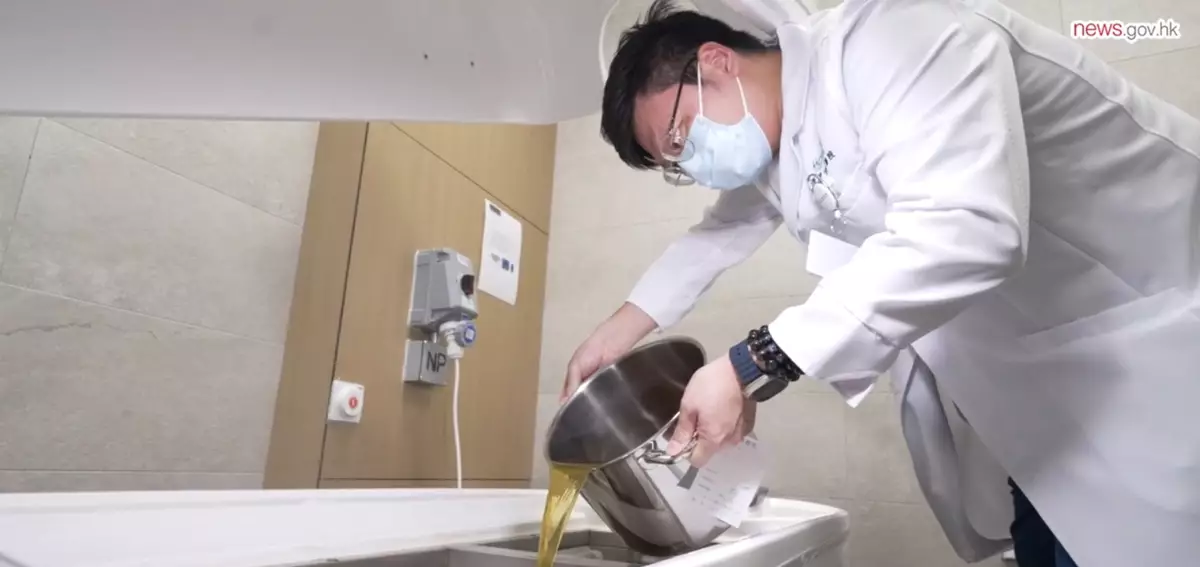
Photo source: news.gov.hk
DH continue to actively follow up on hospital-acquired case of Legionnaires' disease
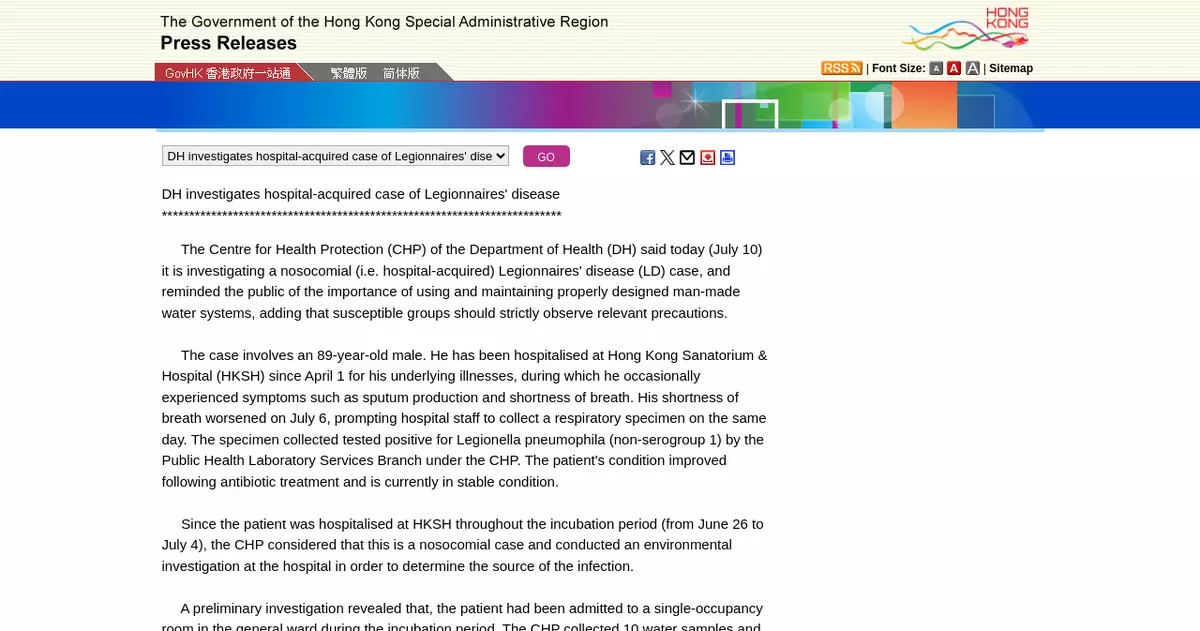
Regarding a patient contracted Legionnaires' disease (LD) during hospitalisation at Hong Kong Sanatorium & Hospital (HKSH), the Centre for Health Protection (CHP) of the Department of Health (DH) today (August 4) announced that water samples taken from devices dispensing cooled boiled water within the hospital had tested positive for Legionella pneumophila (non-serogroup 1) at a concentration exceeding the action level for water supply systems in high-risk areas of hospitals. Sequence-based typing showed that the strain was the same as that found in the patient's respiratory specimen. The CHP considered that it is highly likely that the patient contracted LD by drinking water supplied by the affected water dispensing device. HKSH has completely discontinued the use of the water dispensing devices in question. A total of 137 patients who were hospitalised on the same floor as the patient has been put under medical surveillance. So far, none of them have contracted LD.
The water dispensing device in question was supplied by Aqua Vital Water Filtration Systems Ltd. The product is named the "BC-Tap Classic BA-Heat Exchange". According to the information provided by the supplier, this specific model was supplied exclusively to HKSH but not other hospitals. As a precaution, the DH today issued another letter reminding all private hospitals in Hong Kong to strictly adhere to the "Code of Practice for Prevention of LD" when providing drinking water to patients.
Upon receiving notification of the abovementioned nosocomial LD case last month, the CHP immediately sent personnel to the hospital to conduct an environmental investigation to identify the source of the infection. During the investigation, 10 water samples and six environmental samples were collected from the water tanks of the hospital building and the floor where the patient had been admitted. Test results from the CHP's Public Health Laboratory Services Branch (PHLSB) revealed that two water samples from the outlet of the device dispensing cooled boiled water in the pantry on that floor tested positive for Legionella pneumophila (non-serogroup 1) at levels ranging from 3 to 16.6 colony-forming units per millilitre (cfu/ml), far exceeding the action level for water supply systems in high-risk areas of hospitals (i.e. 0.1 cfu/ml or above). Sequence-based typing showed that the Legionella pneumophila (non-serogroup 1) isolated from the water samples and the patient's respiratory specimen belonged to the same sequence type. The remaining samples, including two water samples collected from the water tanks, six water samples collected from the single room where the patient had been admitted and six environmental samples, tested negative for Legionella pneumophila.
HKSH has since disinfected the relevant ward's water supply system according to the CHPs instructions. HKSH has also suspended the use of the water dispensing devices and is now providing bottled water for patients' consumption.
To assist in assessing the risk posed by the water dispensing device in question, the CHP collected 19 water samples and one environmental sample from the same model of water dispensing devices within the hospital for further testing. The PHLSB's testing results revealed that one environmental sample and four water samples tested positive for Legionella pneumophila at levels ranging from 0.3 to 12.9 cfu/ml. Testing is still underway for two additional water samples.
An in-depth investigation by the CHP and the Electrical and Mechanical Services Department found that the water dispensing device contains a built-in cooling system with a long, coiled metallic water conduit. When the device is not in use, stagnant warm water accumulates inside it. The temperature remains within a range conducive to the growth of Legionella bacteria for an extended period. This stagnant water, which may be contaminated with Legionella, is dispensed for direct consumption. Additionally, the metallic water conduit was not regularly disinfected or cleaned. HKSH has agreed to suspend use of the devices entirely and is currently providing patients with bottled water as a temporary measure.
The CHP will continue to investigate and follow up on the case. A meeting of the Prevention of Legionnaires' Disease Committee (PLDC) will be convened to report on the epidemiological investigation and the cause of the infection.
The PLDC was set up in 1985 to advise the Government from the public health, microbiology and engineering services perspectives on the minimisation of the risk of LD, and the promotion of good practices to building owners and associated practitioners to prevent the outbreak of LD.
Men, people aged over 50, smokers, alcoholics and persons with weakened immunity are more susceptible to LD. Some situations may also increase the risk of infection, including poor maintenance of water systems; living in areas with old water systems, cooling towers or fountains; using electric water heaters, whirlpool spas or hot water spring spas; and recent stays in hotels or ships.
Legionellae are found in various environmental settings and grow well in warm water (20 to 45 degrees Celsius). They can be found in aqueous environments such as water tanks, hot and cold water systems, cooling towers, whirlpool spas, water fountains, humidifiers and home respiratory devices that support breathing. People may become infected when they breathe in contaminated droplets (aerosols) and mist generated by artificial water systems, or when handling garden soil, compost and potting mixes.
The public may visit the CHP's LD page, the Code of Practice for Prevention of LD and the Housekeeping Guidelines for Cold and Hot Water Systems for Building Management of the Prevention of LD Committee, and the CHP's risk-based strategy for prevention and control of LD.
Additionally, as smokers and alcoholics are more susceptible to LD, the Government urges members of the public to quit smoking and avoid drinking. Members of the public may call the DH Integrated Smoking Cessation Hotline at 1833 183, which is answered by registered nurses who provide professional counselling and referral to a wide range of free smoking cessation services. The public may also visit the smoking cessation thematic website (www.livetobaccofree.hk) for more information on smoking cessation. The DH has also developed and promulgated the Alcohol Screening and Brief Intervention tool to primary healthcare service providers to facilitate the early identification and management of at-risk drinkers. For information on alcohol-related harm, please visi the DH's Change for Health website.
Source: AI-found images