Russia on Saturday claimed to have struck ports, vessels, and power facilities serving the Ukrainian military while Ukraine said it had repelled multiple Russian offensives and destroyed a significant amount of enemy equipment over the past day.
The Russian Defense Ministry said on social media that Russian forces struck multiple Ukrainian port infrastructure along the Black Sea coast, including storage facilities for military supplies at the ports of Odessa, Chernomorsk, and Izmail. It also hit five cargo ships that were transporting military supplies to Ukrainian ports.
According to the ministry's daily update, Russian forces also carried out airstrikes on two substations in Ukraine's Chernihiv region that were being used by the Ukrainian military. In addition, Russia's air defense units shot down eight enemy aviation-guided bombs and 1,060 fixed-wing drones, while striking multiple temporary deployment sites of Ukrainian troops and foreign mercenaries. Yevgeny Balitsky, Russian-appointed governor of the Zaporizhzhia region, said on social media Saturday that Ukrainian forces attacked a tourist camp in the region overnight from Friday to Saturday. The attack killed 12 civilians and injured 19 others, including children. Balitsky declared Sunday a day of mourning in the region.
Alexander Shuvaev, acting governor of Russia's Belgorod region, said on the same day that Ukrainian forces carried out 91 attacks on 16 towns and villages in the region throughout the day, resulting in two deaths and 13 injuries.
In its operational update Saturday, the General Staff of the Armed Forces of Ukraine said that 230 combat engagements had occurred along the front lines over the previous day. Ukrainian air force, missile, and artillery units struck multiple Russian control points and command posts.
The Ukrainian Air Force also reported that it shot down or suppressed Russian guided missiles and various types of drones across the northern, southern, central, and eastern fronts.
Ukrainian President Volodymyr Zelensky said on Saturday that Russian forces launched a large-scale aerial attack early that morning, using two missiles and nearly 160 drones. The assault resulted in multiple civilian casualties and damaged a number of residential buildings and civilian facilities.
Reiterating the urgency of air defense, Zelensky stressed that protecting Ukrainian skies remains a top priority in international meetings and national policy. He called on partner nations to expedite the implementation of relevant defense agreements and urged local authorities at all levels to strengthen protective measures for civilians as quickly as possible.
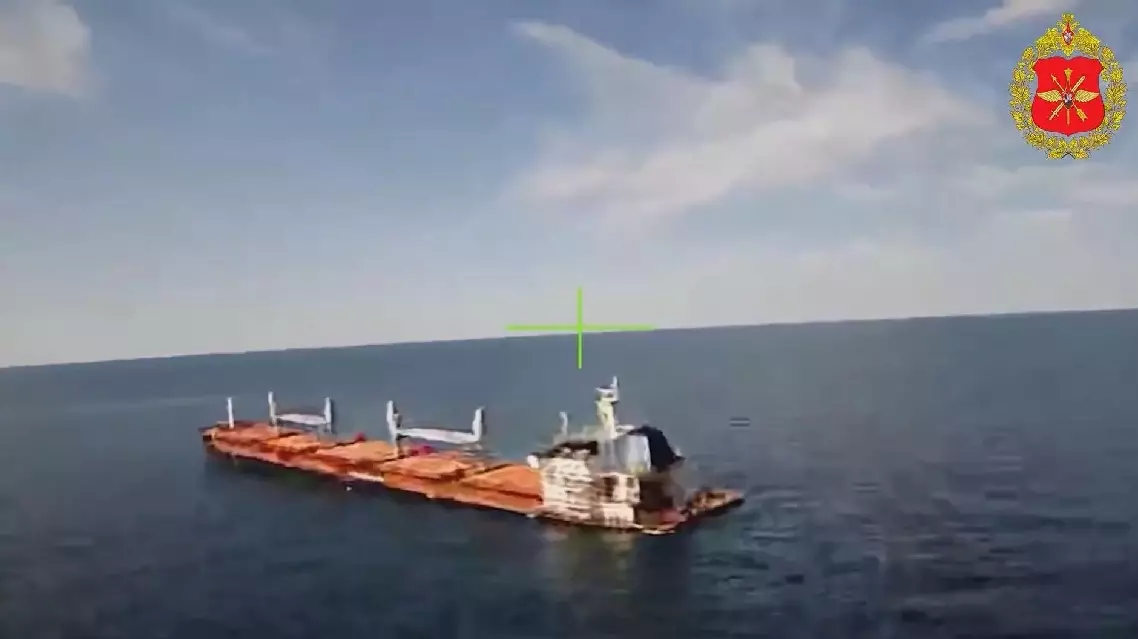
Russia strikes Ukrainian port infrastructure, Ukraine destroys Russian military equipment