MOGYOROD, Hungary (AP) — Formula 1 is heading back to Malaysia for the first time in nine years as the Bahrain Grand Prix was rescheduled there for Oct. 4.
The Sepang circuit is slotted in between races in Azerbaijan and Singapore, subject to approval from the FIA's world motor sport council, F1 and the FIA said Sunday.
“Most importantly, this is fantastic news for our fans. They will continue to enjoy a full and exciting Formula 1 calendar, while also seeing the sport return to a great venue," F1 president and chief executive Stefano Domenicali said in a statement.
"Malaysia is an incredible country, and Sepang holds a special place in Formula 1 history. It will provide a spectacular setting for racing and an unforgettable experience for fans at the circuit and watching around the world.”
F1 called off its races in Bahrain and Saudi Arabia, which had been set for March and April, as the Iran war escalated.
Despite taking place in Malaysia, the race will still have Bahrain Grand Prix branding.
It's not the first time an F1 race has been named for one country and took place in another. The long-running San Marino Grand Prix was held in neighboring Italy but last used that name in 2006, while Germany twice held a race named for Luxembourg and France hosted a one-off Swiss Grand Prix.
None of the earlier examples had the kind of geographical distance separating Bahrain and Malaysia, at opposite ends of the Asian continent.
Bahrain's Crown Prince and Prime Minister, Salman bin Hamad Al Khalifa, said the decision to move the race was a sign of his country's “commitment to, and passion for, the sport” of F1.
He added: “Amid ongoing regional challenges, Bahrain is proud to stand as a pillar of stability for Formula 1, and we will continue to do everything in our power to ensure a successful and memorable race for everyone involved.”
Since its last F1 race in 2017, Malaysia has focused on hosting motorcycle racing but kept an F1 presence through state-owned oil company Petronas’ sponsorship of Mercedes.
Racing in Malaysia, rather than in Bahrain, raises further questions about future F1 races in the Middle East after military action involving the United States, Israel and Iran escalated in recent weeks.
F1 has two more scheduled races in the Gulf region, the Qatar Grand Prix in November and the season finale in Abu Dhabi in December, though it remains unclear if they can take place as scheduled unless there is a major change in the security situation.
Calling off Qatar and Abu Dhabi could mean the Las Vegas Grand Prix on Nov. 21 becomes the season finale. European tracks in Portugal and Italy have reportedly been discussed as potential replacements but could face weather challenges.
AP auto racing: https://apnews.com/hub/auto-racing

FILE - Mercedes driver Lewis Hamilton of Britain leads the field into turn three at the start of the Malaysian Formula One Grand Prix at the Sepang International Circuit in Sepang, Malaysia, Sunday, Oct. 1, 2017. (AP Photo/Vincent Thian, file)
SEOUL, South Korea (AP) — World War II’s D-Day landing beaches in northern France and the iconic Mount Olympus in Greece were among the sites added to the World Heritage List on Sunday at a U.N. committee meeting in South Korea reviewing dozens of nominations.
The UNESCO committee, which meets in Busan through Wednesday, also inscribed the ancient Japanese capitals of Asuka and Fujiwara and South Sudan’s Boma-Badingilo Migratory Landscape, host to one of the world’s largest land mammal migrations and the country’s first addition to the World Heritage List.
The French designation covers the five Normandy landing beaches — Omaha, Utah, Sword, Gold and Juno — where more than 150,000 Allied troops came ashore on June 6, 1944, along with the Pointe du Hoc assault site, all central to the campaign to liberate Western Europe from Nazi occupation during World War II.
International Council on Monuments and Sites, which evaluates submissions to the heritage committee, said the sites contain extensive remnants, from German fortifications and bomb-scarred landscapes to Allied harbor structures and sunken vessels, marking an “event widely perceived as having enabled the return of freedom and heralded a lasting peace on the European continent.”
ICOMOS also called for stronger monitoring and preservation efforts on the sites, citing potential threats posed by tourism, climate change and rising sea levels, and the development of wind farms near the areas.
Ahlem Gharbi, France’s permanent delegate to UNESCO, said the Normandy landings marked a turning point from global conflict toward a postwar order built on peace and security, and that the designation of the sites carries added significance at a time of escalating international crises and wars.
“It’s probably the greatest amphibious landing there’s ever been. It ought to be remembered for that alone,” historian David Edgerton said in a recent interview with The Associated Press.
The World Heritage inscription of Mount Olympus, the mythical home of the 12 Olympian gods, rewarded a 12-year effort by Greece to secure recognition for its tallest mountain as a mixed cultural and natural heritage site. Rising 2,918 meters (9,573 feet) from a base near sea level, the mountain was believed to be the throne of Zeus, king of the gods, while also harboring rich biodiversity.
Evangelos Geroliolios, mayor of Dion-Olympus, a municipality at the foot of the mountain, said in a recent interview with the AP that inclusion on the World Heritage List “places greater obligations on our part to protect this environment,” citing the potential impact of increased tourism.
“We reaffirm our unwavering commitment to safeguarding Mount Olympus for the benefit of present and future generations,” said Georgios Koumoutsakos, Greece’s delegate to UNESCO. “As Greek mythology wisely reminds us, it is always best to remain on good terms with gods.”
The designated Japanese locations in the western prefecture of Nara cover 19 archaeological sites from the 6th- to 8th-century capitals of Asuka and Fujiwara, where Japan established its first centralized state modeled after Chinese systems. The sites preserve the largely buried remains of royal palaces, government offices, Buddhist temples and tombs from capitals that influenced the later capitals of Nara and Kyoto.
Japanese Vice Culture Minister Shigeki Kobayashi thanked the committee for inscribing the Asuka-Fujiwara sites and said Japan reaffirms its commitment to “transmitting this valuable property to the future generations.” Japanese Prime Minister Sanae Takaichi, a Nara native, wrote on X that she hopes the World Heritage designation will boost tourism to the site.
Yoshiyuki Aihara, a Nara University archaeology professor, told AP the sites are significant because they show how Japan’s ancient state was formed through influences from China and the Korean Peninsula.
“If you dig underneath these rice paddies about 1 meter, you start finding a stretch of ruins in this area, though that’s not easy for ordinary visitors to understand,” said Aihara, who is continuing excavation work at the site.
South Sudan’s Boma-Badingilo site encompasses vast wetlands, flood plains and savannas shaped by seasonal rainfall and flood dynamics, with an estimated 6 million white-eared kob, tiang and Mongalla gazelles moving across the landscape in response to changing environmental conditions.
It also provides habitat for elephants, lions, cheetahs and other wildlife while supporting various ethnic communities that have lived by herding, farming and fishing for centuries, according to UNESCO.
—— AP writer Mari Yamaguchi contributed from Tokyo.
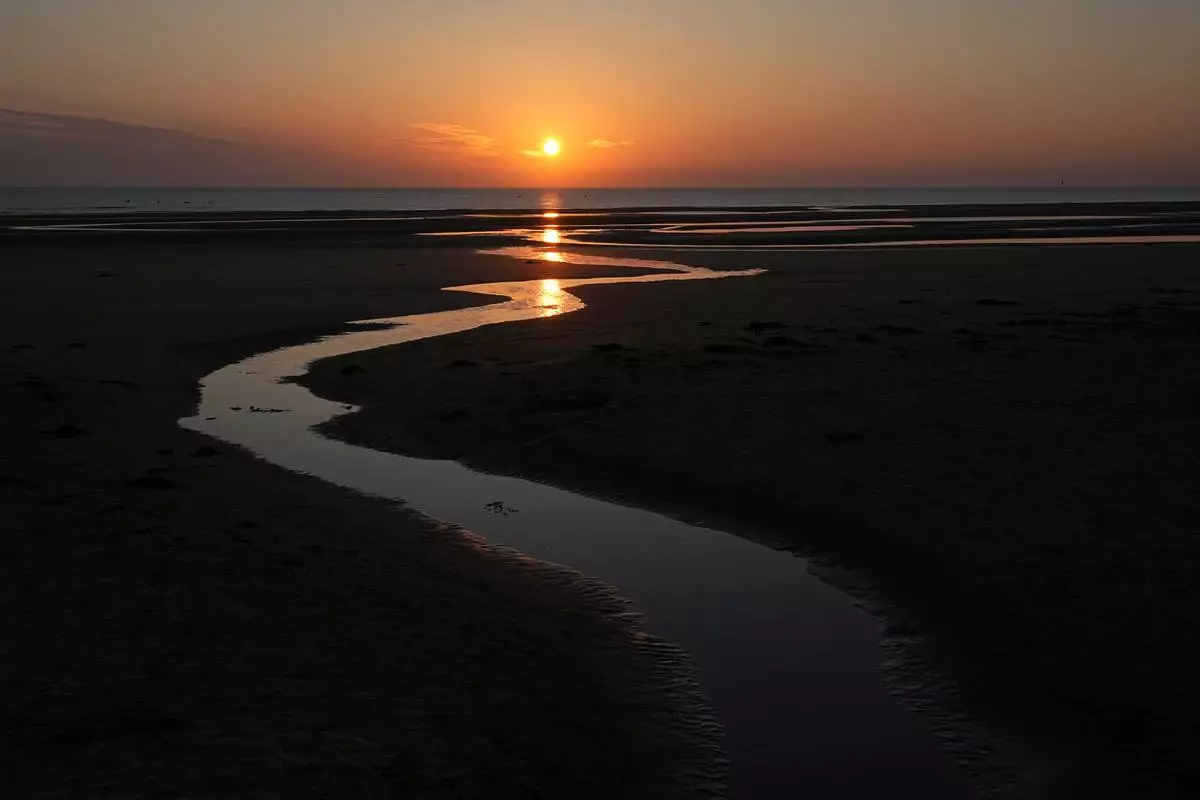
FILE - Sun rises over Omaha Beach near Colleville-sur-Mer Normandy, Thursday, June 6, 2024. (AP Photo/Laurent Cipriani, file)
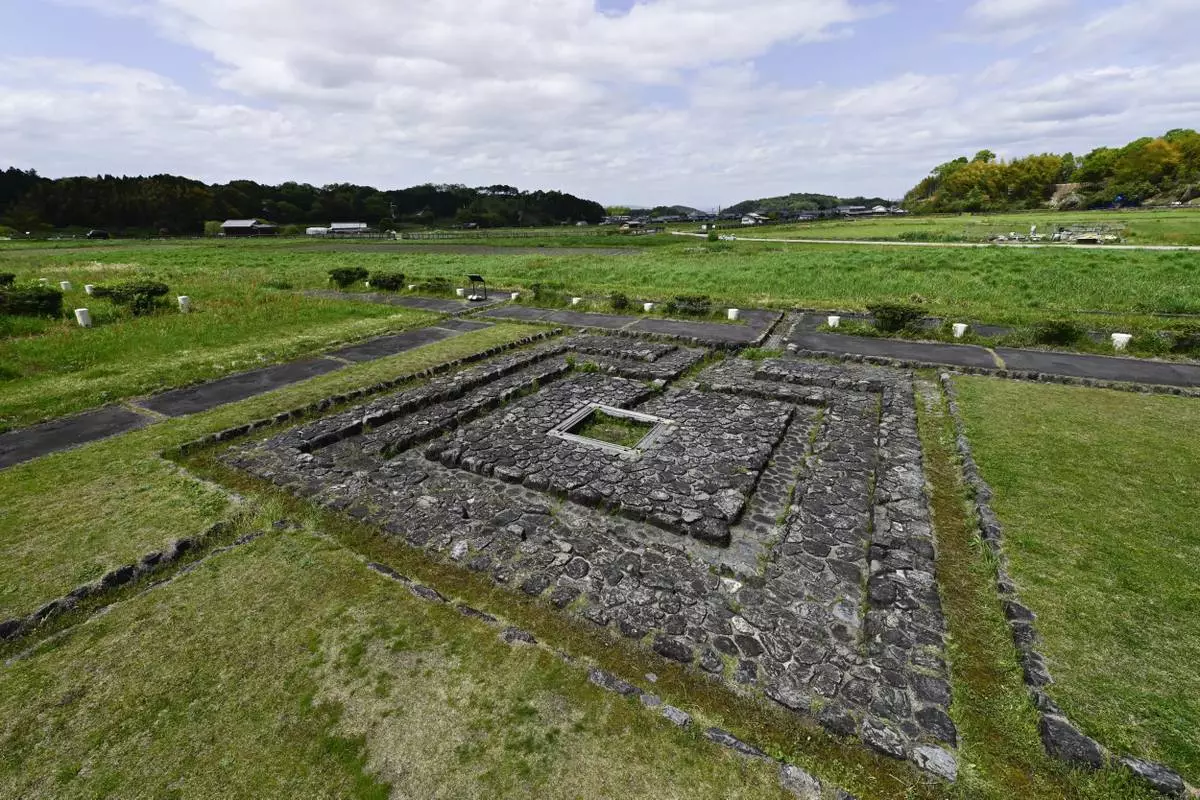
This shows Asuka Palace Ruins in Asuka village, Nara prefecture, western Japan, on April 20, 2026. (Kyodo News via AP)
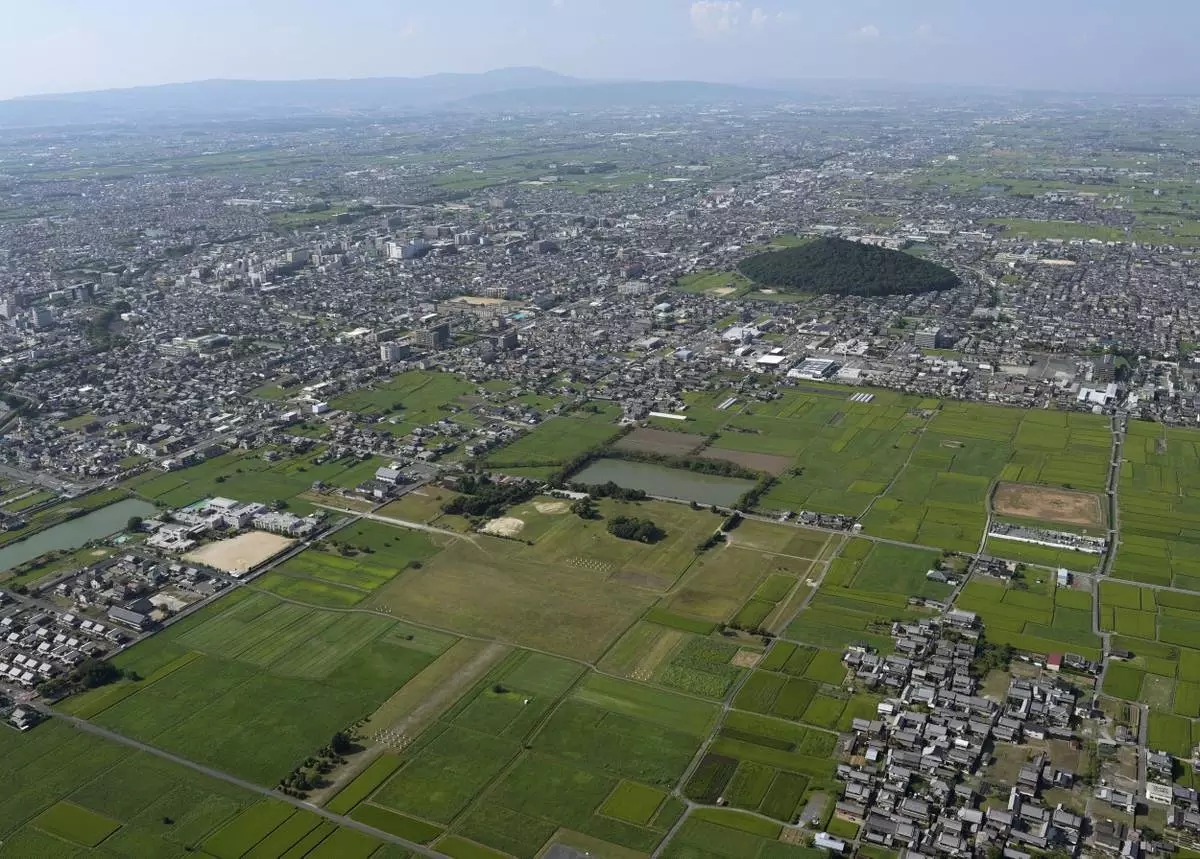
This shows Fujiwara Palace Ruins, foreground, with Mr. Miminashi, background, in Kashihara, Nara prefecture, western Japan, on Sept. 9, 2024. (Kyodo News via AP)
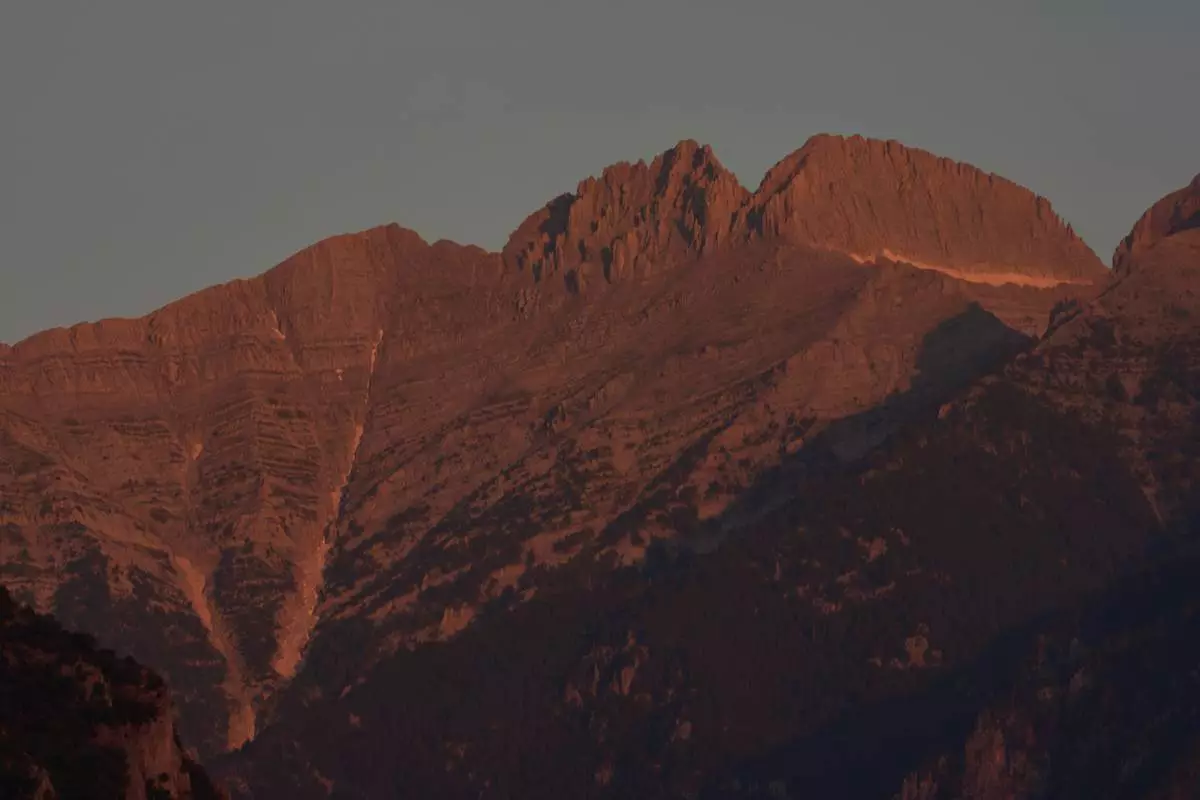
The morning light shines on Mytikas, Greece's highest peak, center left, and Stefani, known as the Throne of Zeus, center right, atop Mount Olympus seen from the outskirts of Litochoro in northern Greece, Wednesday, July 15, 2026. (AP Photo/Petros Giannakouris)