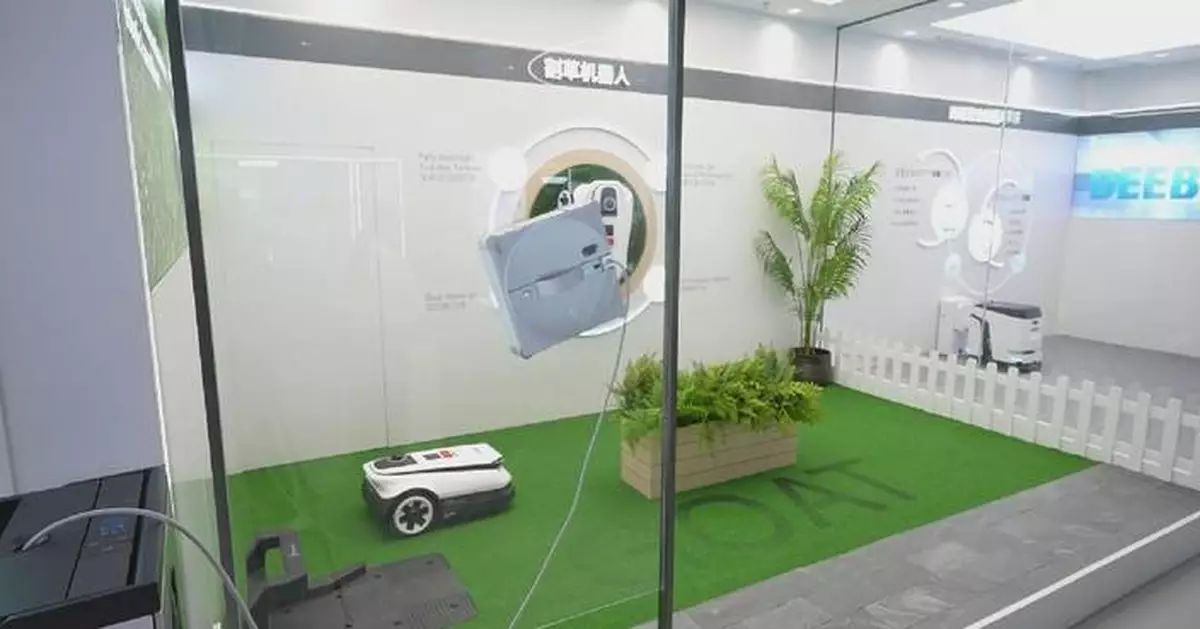
Cleaning robots have received a dedicated customs tariff code this year, reflecting the rapid expansion of China's robotics sector, which has become a key driver in the country's evolving export landscape.
At a factory in Wuzhong District of Suzhou City, east China's Jiangsu Province, a batch of robotic vacuum cleaners destined for Europe was undergoing customs inspection. A newly added tariff code has given the product a clearer "identity card," simplifying compliance and customs clearance.
Click to Gallery
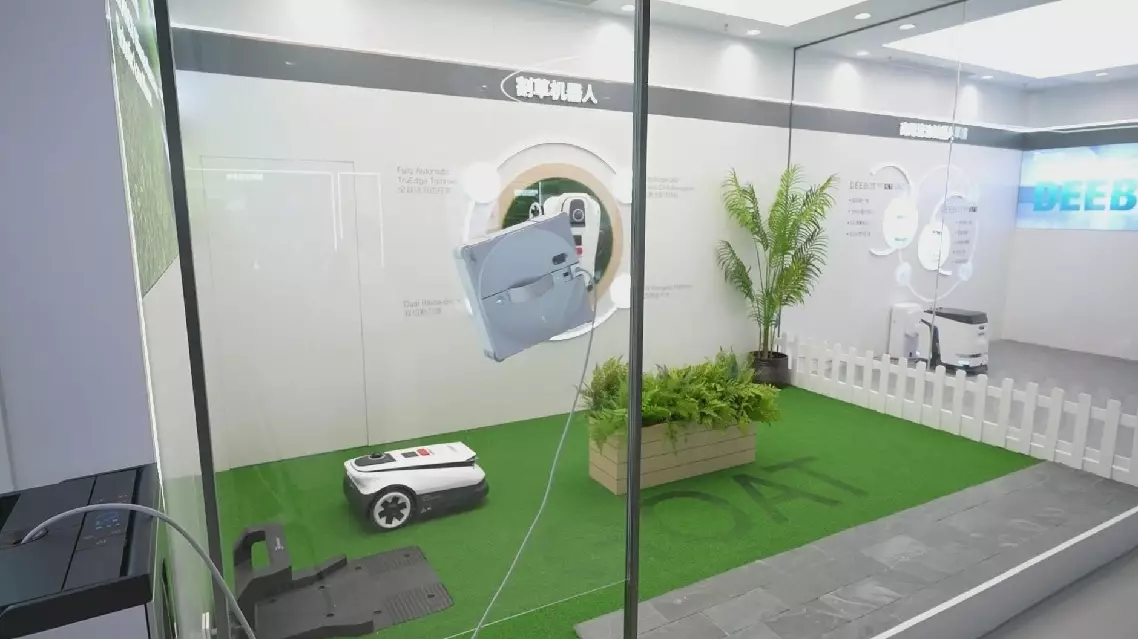
New tariff code reflects China's robotics export boom
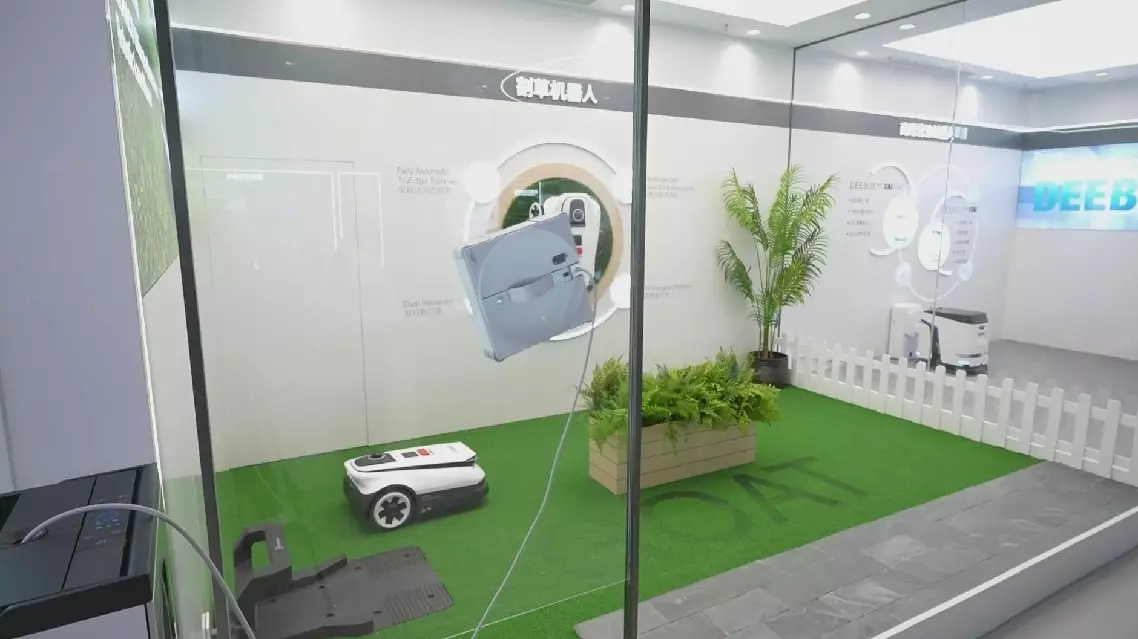
New tariff code reflects China's robotics export boom
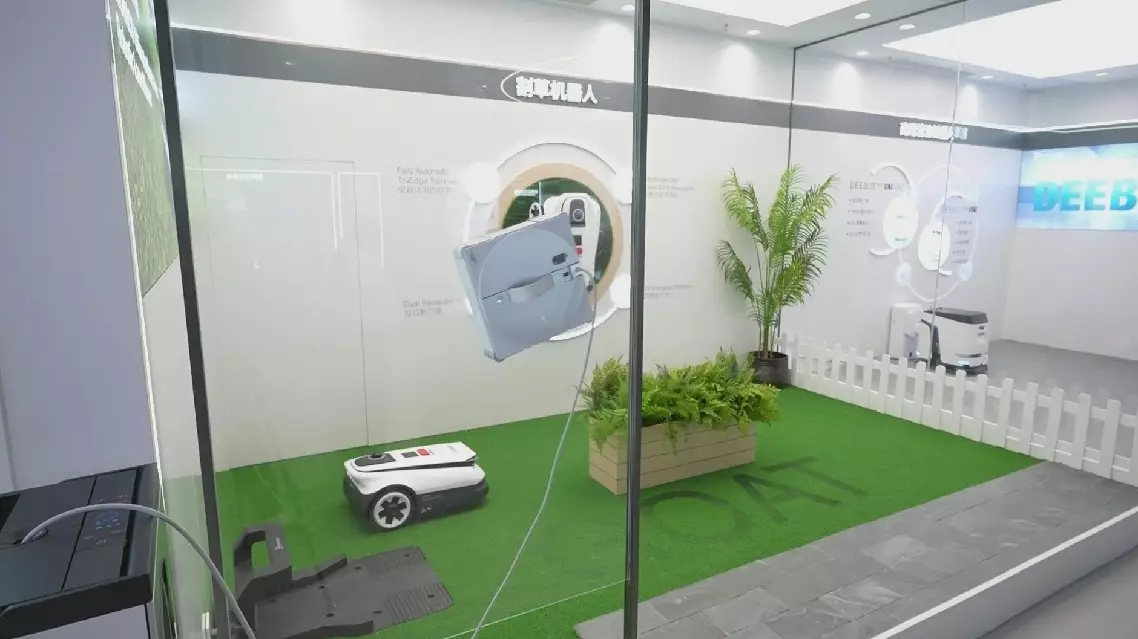
New tariff code reflects China's robotics export boom
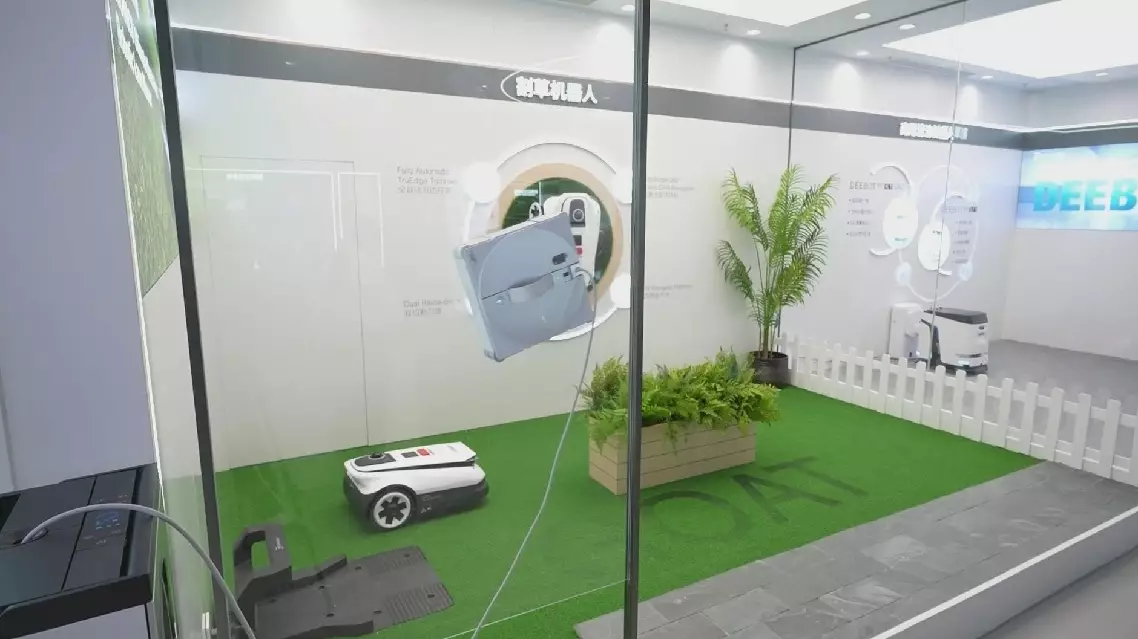
New tariff code reflects China's robotics export boom
"This is the newly added tariff code for cleaning robots. With this, product classification becomes more precise, which greatly helps enterprises with compliance declaration and streamlines customs procedures," said Liang Hu, deputy section chief of the Inspection and Quarantine Section II at Suzhou Customs Office in Wuzhong District.
Behind the code lies a fast-growing export category. At a newly launched factory in Suzhou, production orders for cleaning robots have been booked through December, with half coming from overseas markets.
Innovation speed is key to the sector's growth. Along an 8-kilometer customized bus route in Wuzhong District, engineers from suppliers of radar, sensors, shells and other components work together daily on smart navigation and low-power operation for new-generation cleaning robots.
"Our project cycle has been shortened from nine months to as fast as six months. We've moved from releasing one generation of products per year to now being able to rapidly iterate and launch two core generations annually," said Wu Qi, global product director of Suzhou-headquartered Ecovacs Robotics.
In Wuzhong District, more than 1,600 robotics and smart manufacturing companies have clustered around leading robot manufacturers. The supply chain radius has been reduced to under 10 kilometers, boosting industrial competitiveness.
"We have been attracting and connecting with upstream and downstream companies, including laser radar, sensor and core motor suppliers, around the cleaning robot industry. The supply chain radius has been effectively shortened to within 10 kilometers, further strengthening the industry's competitiveness," said Li Si, director of the Industrial Development Bureau of Suzhou Wuzhong Economic and Technological Development Zone.
The surge is not limited to cleaning robots. In the first half of the year, China exported 18.09 billion yuan worth of cleaning and intelligent bionic robots.
At the same time, China's exports of industrial robots reached 6.29 billion yuan, an increase of 18.6 percent, and they were sold to 141 countries and regions worldwide.
Exports of surgical robots reached 480 million yuan, a 3.3-fold increase, with the number of export destinations rising from 23 in the same period of last year to 49 now.
New tariff code reflects China's robotics export boom
New tariff code reflects China's robotics export boom
New tariff code reflects China's robotics export boom
New tariff code reflects China's robotics export boom