Thai exporters are leveraging this year's China International Import Expo (CIIE) to seek new opportunities in China as innovation and shifting consumer demand reshape how Thailand's traditional agricultural products are grown, produced and brought to market.
For generations, families in Thailand have made a living from coconut palms, harvesting the fruit by hand and shipping it far beyond the orchards where it is grown.
Natthasak Manusrungsri's family has been exporting aromatic coconuts for more than two decades. But growing demand from China has transformed the scale of their business, driving production, expanding exports and inspiring new ways to bring this familiar fruit to consumers.
"Almost every factory that packs fresh coconuts depends on China as its main market, almost entirely. After Thailand received permission to export coconuts to China, volumes kept rising, driven by trends and by customers becoming more knowledgeable and health-conscious," said Natthasak Manusrungsri, managing director of K-Fresh Co.
But as demand grows, so does the pressure to innovate. Generations of agricultural knowledge are meeting a new generation of ideas.
For Thai producers, China offers enormous opportunities, but competition is intensifying. As consumer preferences change, exporters are shifting their focus beyond simply increasing sales to developing innovative products that offer greater convenience and bring more value to an increasingly competitive industry.
That transformation begins long before the coconuts leave the trees. Across a network of plantations, precision agriculture is helping farmers monitor growing conditions, identify problem areas, and improve yields, while maintaining the quality of Thailand's renowned coconuts.
Inside the factory, innovation takes a different form. Even the simple act of opening a coconut has been redesigned. A patented mechanism allows consumers to open it with a push.
"Innovation matters for both the farm and production, so we can deliver the highest quality to our customers. So, we practice precision agriculture. And in the factory, we focus on innovation to make it easier for consumers to open and enjoy, bringing quality products to consumers around the world and in China," said Manusrungsri.
For the farmers who tend these palms, the rhythm of life remains much as it has for generations. But beyond the orchards, almost everything else is changing.
And at CIIE 2026, Thailand's humble coconut is showing how an age-old harvest can find new value in a world of changing tastes and possibilities.
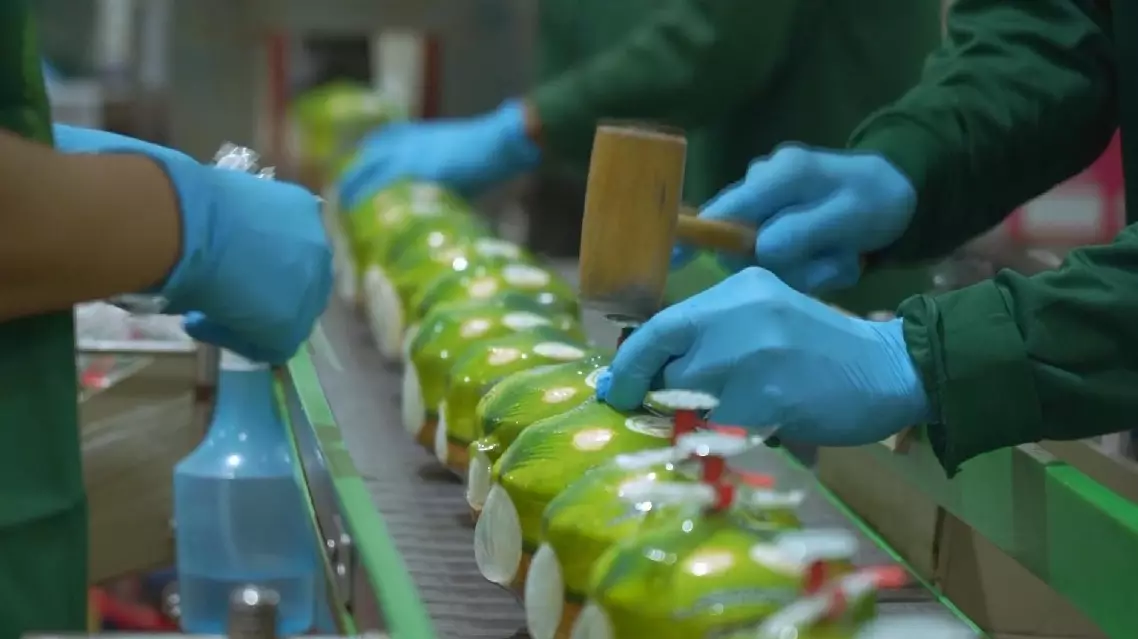
Thai coconut exporter taps CIIE to promote industry innovation
China's resolve to safeguard its sovereignty and territorial integrity and achieve national reunification remains unwavering, Chinese Foreign Minister Wang Yi said on Tuesday.
During a phone conversation with Philippine Foreign Affairs Secretary Ma. Theresa Lazaro, Wang, also a member of the Political Bureau of the Communist Party of China Central Committee, urged the Philippine side to faithfully implement its one-China policy and exercise prudence in its words and actions on maritime issues.
Noting that China-Philippines relations are facing malicious interference at present, Wang said that a few Philippine politicians, out of political prejudice and self-interest, have repeatedly attacked and smeared China.
Such deeds have crossed China's red lines, politicized normal economic, trade and people-to-people exchanges, and infringed upon the legitimate rights and interests of Chinese personnel and institutions in the Philippines, Wang said.
Such deeds are irrational and intolerable, and damaging to the Philippines' own international image, Wang said, adding that Manila should exercise greater restraint over the individuals concerned and ensure that its policy toward China reflects a rational and unified voice.
For her part, Lazaro said that the Philippines attaches great importance to its relations with China and hopes to develop a stable and predictable bilateral relationship.
Given the challenges that countries currently face in areas such as economy and energy, communication between the Philippines and China is conducive to managing differences, improving bilateral ties, and promoting regional peace and stability, Lazaro said.
The Philippines, she added, remains committed to the one-China policy, a position that will not change, and is also prepared to address maritime and other issues appropriately through dialogue and consultation.
As the ASEAN rotating chair, the Philippines appreciates and looks forward to China playing a greater role in advancing the ASEAN-China Comprehensive Strategic Partnership to achieve further results, she said.
The two sides reached basic consensus on improving and developing China-Philippines relations. They agreed that healthy and stable bilateral relations serve the interests of both sides and meet regional expectations, and they agreed to maintain diplomatic dialogue to that end.
They agreed that the two countries should work together to eliminate all internal and external interference, and oppose any malicious provocation or behavior aimed at undermining their diplomatic engagement.
They also agreed that both sides should responsibly manage their differences, stabilize the situation and seek to expand their shared interests.
Wang and Lazaro also exchanged views on the leaders' meetings on East Asian cooperation to be held in the Philippines, as well as the APEC Economic Leaders' Meeting to be held subsequently in Shenzhen, China.
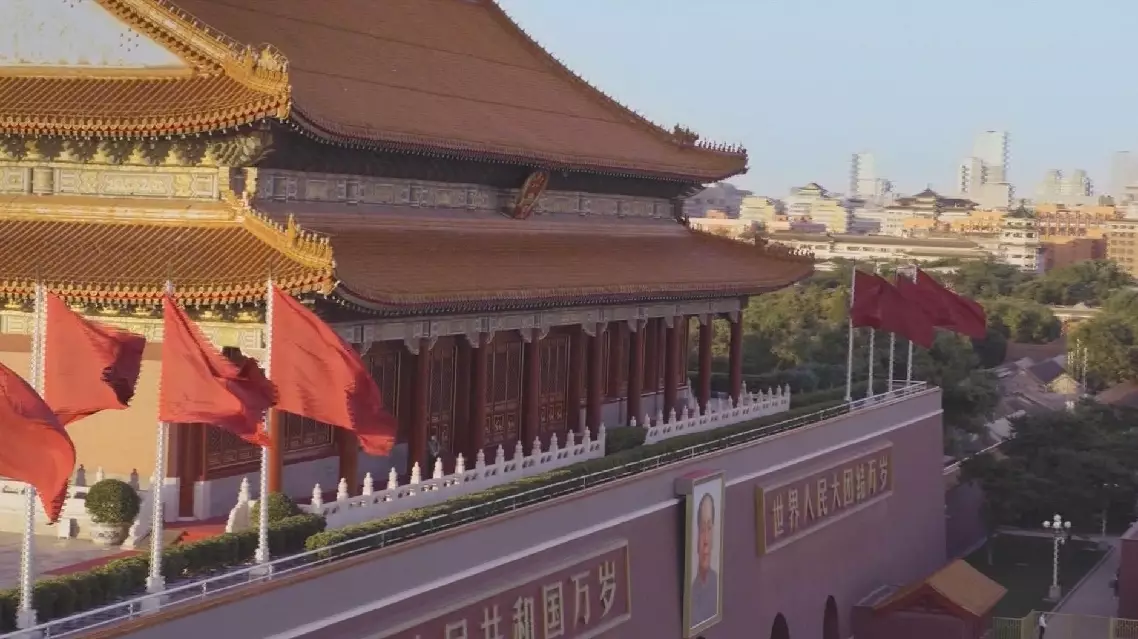
China's resolve to safeguard sovereignty, territorial integrity remains unwavering, says FM