STAMFORD, Conn.--(BUSINESS WIRE)--Jul 27, 2026--
Neuvotion, Inc. is an early-stage medical device company developing an AI-guided neuromodulation platform to accelerate recovery after neurological events such as stroke and spinal cord injury. Its Brain-Body Interface (BBI) portfolio integrates wearable high-resolution muscle stimulation, spinal neuromodulation, and minimally invasive brain-computer interface (BCI) technologies to restore movement and sensation. By combining AI, intention-driven neurostimulation, and BCI technology, Neuvotion is translating newly published, peer-reviewed findings in Nature Medicine into commercially available solutions designed to help millions of people living with movement and sensory impairments regain function, independence, and quality of life.
This press release features multimedia. View the full release here: https://www.businesswire.com/news/home/20260727309885/en/
A landmark study, published recently in Nature Medicine, was led by Chad Bouton, PhD, Neuvotion founder and CEO, during his tenure at the Feinstein Institutes for Medical Research. This and previous studies led by Dr. Bouton over a 22-year period are the scientific foundation of Neuvotion’s platform. The most recent study confirms that a “double neural bypass” system can help restore targeted areas of movement and sensation simultaneously in a person with complete paralysis with lasting improvements.
What Makes This Different
“This study is the culmination of many years of work,” said Dr. Bouton. “This is the first BCI to support recovery of both movement and sensation, while promoting long term gains. We are not just bypassing the injury, we are ‘rewiring’ the nervous system to promote neuroplasticity and help users worldwide regain sensation, get stronger, and regain independence – even after the system is turned off.” Most brain-computer interfaces available today restore a single function — movement or communication — and rarely a sense of touch, and lasting benefits.
Validated in a Landmark Study
Over a three-year period of clinical testing, participant Keith Thomas, of Massapequa, NY, regained the ability to feed himself, drink from a cup, and scratch his nose and wipe his face using his own hand — producing gains in arm strength of 86% on his right side and 62% on his left, gains that persisted for months after stimulation ended.
Using a novel technique the research team calls “cortical mirroring,” Keith also regained the ability to feel touch in his wrist, an area that had been completely without sensation since his injury. The double neural bypass technology was precise enough to allow Keith to pick up and hold empty eggshells without breaking them, 87% of the time.
The system pairs brain implants that decode movement intent with AI-guided electrical stimulation of the spinal cord, skin, and brain — reading neural signals with over 84.6% accuracy sustained for five months without retraining.
“This study marks a defining milestone,” said Dr. Bouton. “For decades, we’ve been pushing the boundaries of what’s possible. Our goal is to translate this breakthrough from research to real-world clinical care, helping people regain movement, sensation, and ultimately, independence.”
Neuvotion’s Commercial Path
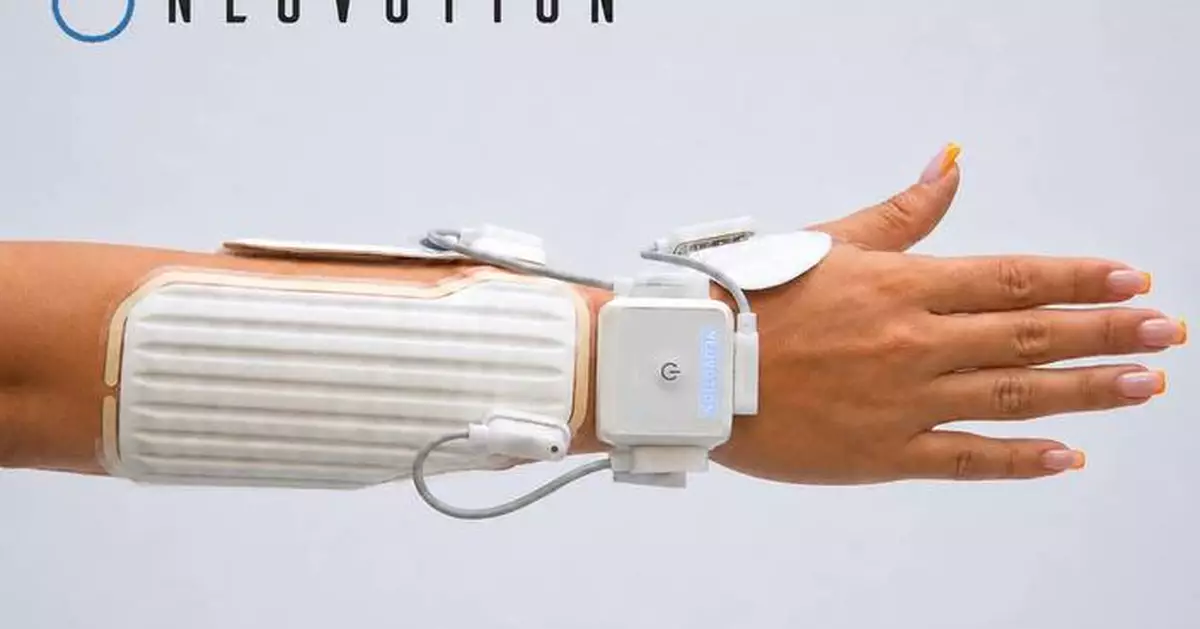
Neuvotion is bringing this foundational science to market, beginning with its NeuStim™ technology, the first Food and Drug Administration (FDA)-cleared product in its brain-body interface portfolio. NeuStim™ will launch this fall, providing AI-guided high resolution electrical stimulation non-invasively to muscles for promoting recovery after stroke and spinal cord injury. NeuStim™ allows clinicians to setup quickly and pinpoint stimulation targets within a few minutes through an innovative touch-screen interface that allows the user to move the stimulation point electronically, eliminating the need for manual electrode removal and replacement. Furthermore, the AI-guidance capability can infer user’s intentions and intuitively provides stimulation to assist with user movements, all without requiring brain surgery.
The double neural bypass technology from Dr. Bouton’s lab was named to TIME’s Best Inventions of the Quarter Century Hall of Fame in 2025 and TIME’s Best Inventions list of 2024.
Neuvotion is working with leading rehabilitation centers to expand clinical adoption of its revolutionary products, bringing advanced neurorecovery from specialized research environments into everyday clinical care.
About Neuvotion, Inc.
Neuvotion is an early-stage medical device company developing technologies that combine brain-computer interface, high-precision neurostimulation and artificial intelligence to restore movement and sensation for the millions of people affected by stroke, spinal cord injury and other neurological conditions. Founded by Dr. Chad Bouton, Neuvotion is translating peer-reviewed, clinically validated research into commercial products for the neuromodulation and neurorecovery markets.
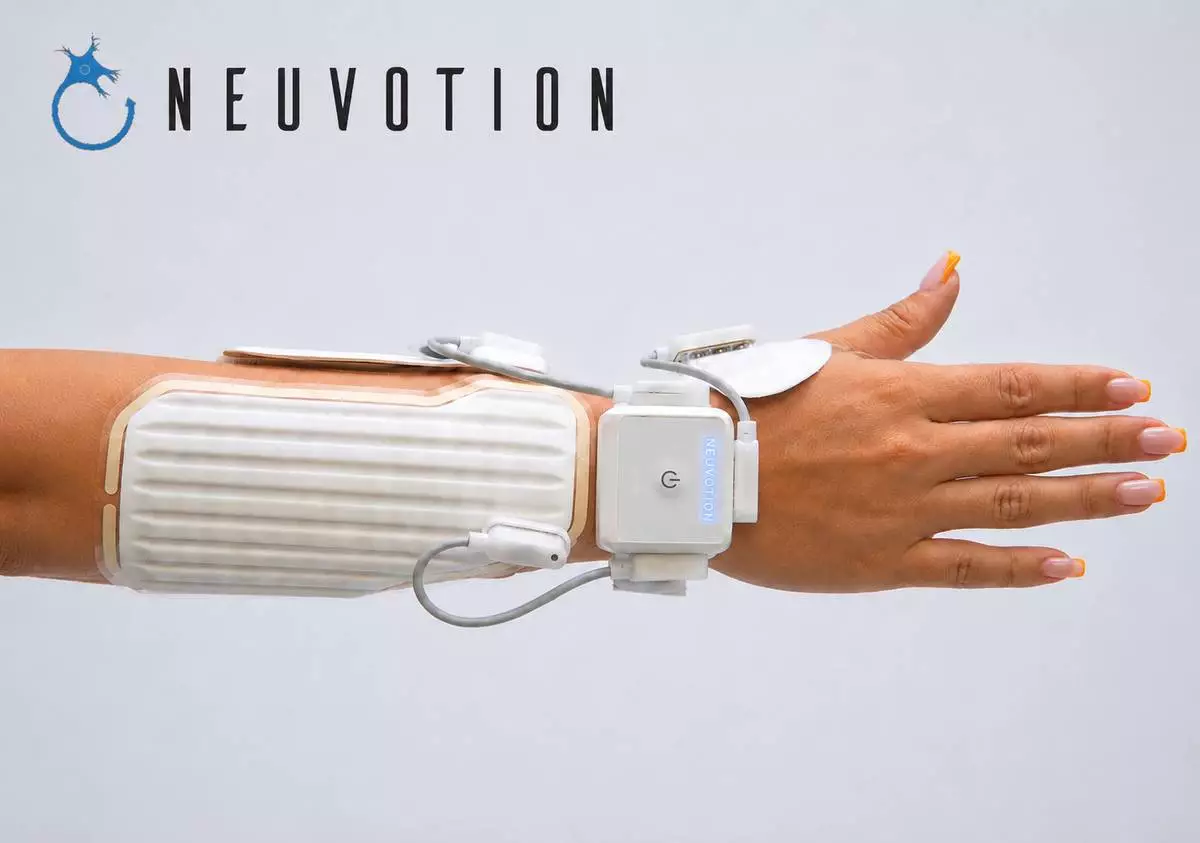
Neuvotion is developing AI-guided brain-body interface (BBI) technologies, defining a new category in medicine and revolutionizing neurorecovery.