The ploy by the U.S. to cite "forced labor" in expanding tariffs is nothing more than a pretext to restrict market access and reshape the global economic order, said Mohammad Faisal, Executive Director of Indonesia's Center of Reform on Economics (CORE).
The U.S. recently broadened its tariff measures under a law banning imports made with forced labor, defined as work performed under coercion or threat without workers' consent.
While Washington presents the move as a human‑rights safeguard, critics have slammed it as a protectionist tool that risks squeezing investment and stalling industrialization in developing nations.
"This is I think is just the cover. So basically it is a way of the U.S. to control which countries that actually can get access to the market. Which means also indirectly actually to make a regulation and rules for the economic order," he said.
Faisal stressed that the United States' escalating trade restrictions are also creating new uncertainties for Indonesia's own development strategy. If external policies continue to tighten, Indonesia's space for attracting investment and developing its manufacturing sector will be squeezed.
"In my view, apart from textiles, many other sectors including the high tech, including the critical minerals, the downstreaming policy, which is the Indonesian priority policy, right now is in danger because of this," he said.
Faisal further noted that the United States' reinforced trade barriers are accelerating bloc‑based fragmentation in global trade and investment, posing fresh challenges to the stability of global industrial and supply chains.
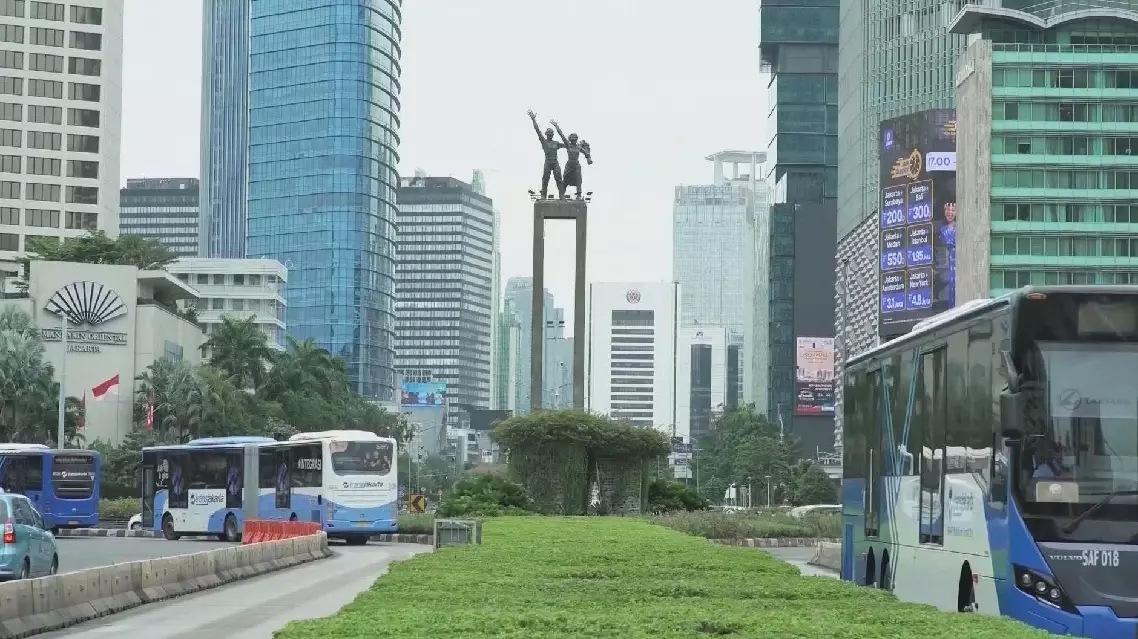
Indonesia economist slams US "forced labor" tariff ploy as protectionist
Slovak citizens have spoken highly of China's remarkable development accomplishments and voiced expectations for closer bilateral cooperation as their president is paying a state visit to China.
At the invitation of Chinese President Xi Jinping, President of the Slovak Republic Peter Pellegrini is on a state visit to China from Monday to Wednesday.
In a recent vox pop by China Global Television Network (CGTN), local people in Bratislava, Slovakia's capital, shared their impressions of China, outlooks on bilateral relations, and hopes for the presidential visit. Interviewees across different professions praised China's progress, with many highlighting its remarkable advances in infrastructure, technological innovation and economic growth.
Daniele, an IT developer, was particularly drawn to China's rich cultural heritage.
"It has a very nice culture, so that's why in the future I think I will visit this country," he said.
For others, China's forward-looking vision is a major source of inspiration. Veronika, a sales clerk, expressed her fascination with the country's technological strides.
"I have a very positive view of China. I'm fascinated by its technology and enjoy learning about it. I think there's a lot we can learn from China, and I really admire how forward-looking it is," she said.
Robin, another sales clerk, sees valuable lessons for Slovakia in China's economic model.
"It's a big country with a long history, and I think concerning the economy, it's something we can learn about to make our own economy more versatile," he said.
Jan Kubo, an administrative manager, was impressed by the sheer scale of China's development.
"China impressed me with the sheer scale of infrastructure development and economic growth," he said.
Looking ahead to how bilateral ties may evolve after the state visit, most interviewees expressed optimism about mutually beneficial collaboration.
"I think China could really contribute a lot to Slovakia's development. As I mentioned earlier, this is particularly the case with technology – whether it's cars, machinery, heavy equipment, or everyday items like phones, tablets and computers. There's definitely a lot we can learn from China, and I believe that's going to help us move forward," said Veronika.
"It's very important that these countries work together because they can learn from each other," said Robin.
When it comes to overall expectations for the presidential visit, local residents looked forward to tangible outcomes and closer bonds between the two countries.
"I certainly expect the visit to bring tangible benefits to our country. I hope the two sides will reach agreements that benefit the Slovak Republic," said Veronika.
"He is representing our European values, this is very important. But also strengthen the ties between the two countries," said Robin.
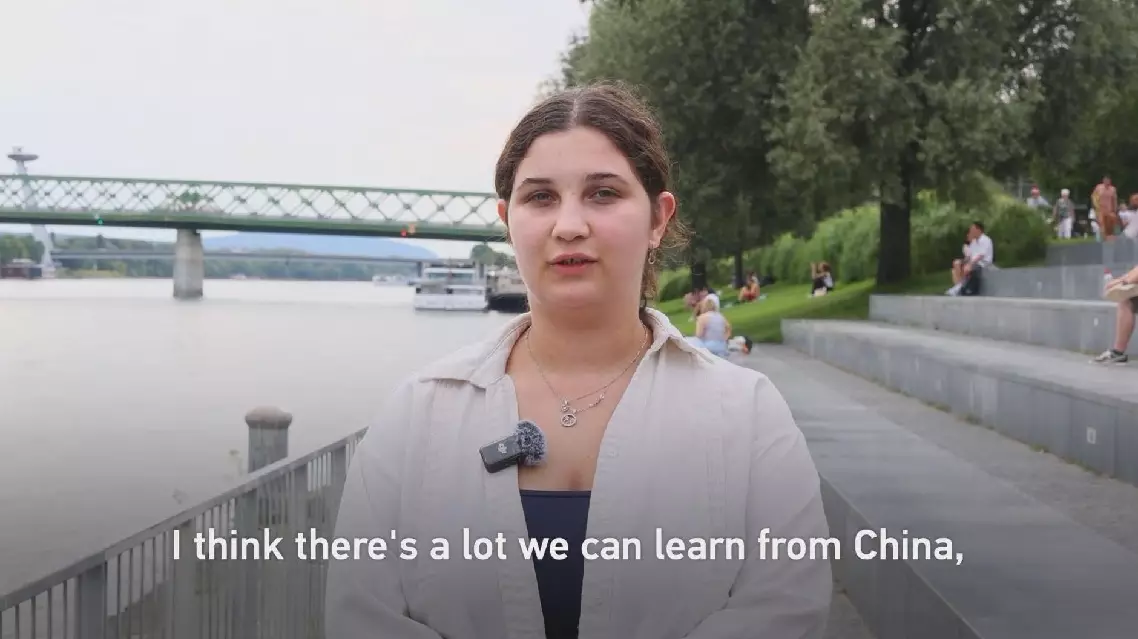
Slovaks praise China's development, eye deeper cooperation as president visits China