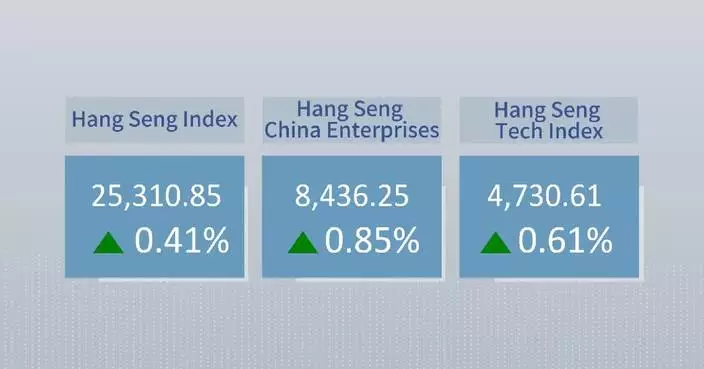
Japanese and South Korean stock markets closed significantly lower on Tuesday amid wide tech sell-offs following an overnight sharp decline in U.S. semiconductor stocks.
South Korea's benchmark KOSPI plunged 10.84 percent to close at 6023.66. The index opened sharply lower and dived more than 8 percent during the trading session, triggering a circuit breaker, the eighth time this year that the country's stock markets had witnessed.
Besides, the tech-heavy KOSDAQ lost 7.72 percent to close at 705.85.
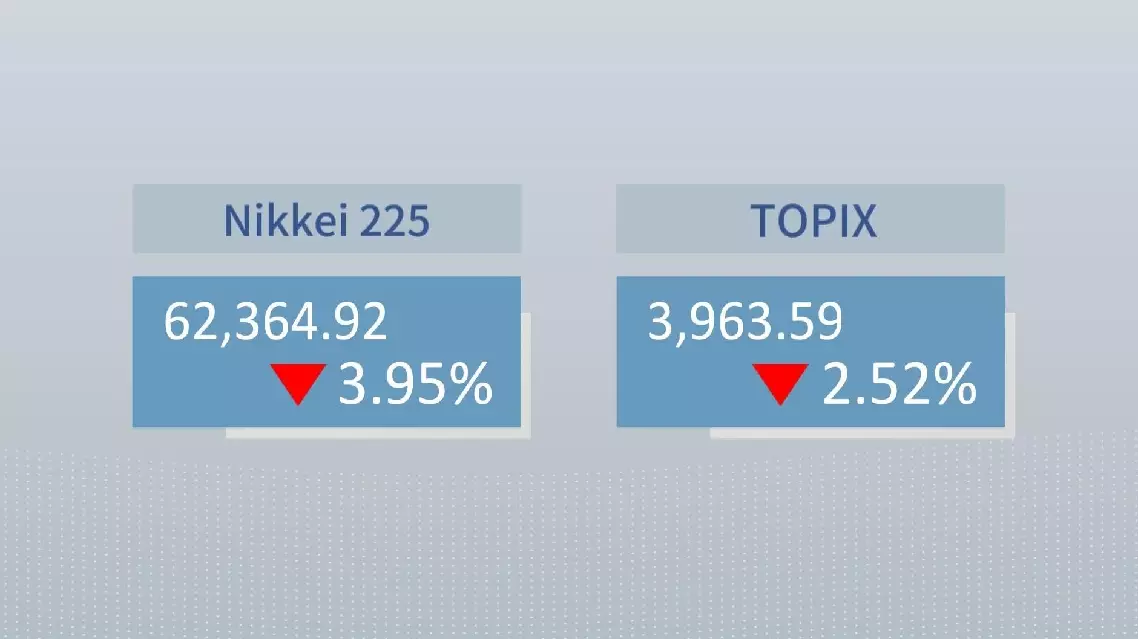
In Japan, the 225-issue Nikkei Stock Average ended down 2,566.27 points, or 3.95 percent, to close at 62,364.92. The index once plunged over 4 percent during Tuesday's trading session.
The broader Topix index, meanwhile, shed 102.48 points, or 2.52 percent, to close at 3,963.59.
U.S. stocks ended mixed on Monday as a sell-off in semiconductor equities was offset by falling oil prices.
The Dow Jones Industrial Average rose 262.83 points, or 0.51 percent, to 52,210.08. The S and P 500 added 1.2 points, or 0.02 percent, to 7,413.18. The Nasdaq Composite Index shed 43.74 points, or 0.18 percent, to 24,932.08.
Investors weighed escalating concerns over circular financing within the AI ecosystem, prompting a widespread retreat across chipmakers.
Nvidia led the downward move, tumbling 4.99 percent. Peer semiconductor firms Advanced Micro Devices and Teradyne dropped more than 5 percent and more than 4 percent, respectively, while Micron Technology shed 2.25 percent.
Japanese, South Korean stocks plunge amid wide tech sell-offs
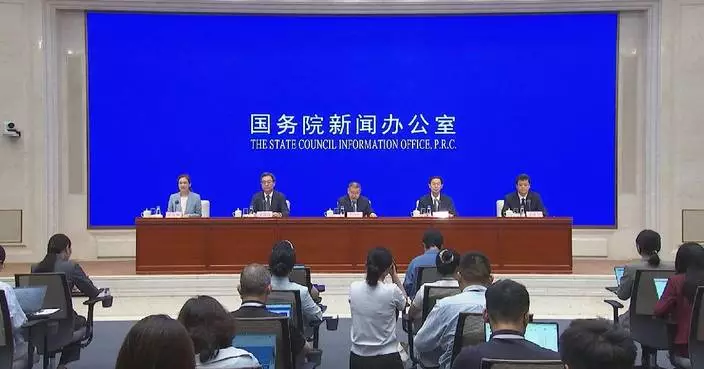
China will advance balanced growth in imports and exports and maintain an open market to the world, said a senior commerce official at a press conference in Beijing on Tuesday.
He Shaojun, head of the Department of Foreign Trade under the Ministry of Commerce, stressed that China's trade policy prioritizes balance, and that even a large surplus signals industrial resilience rather than excess capacity.
Chinese-made consumer goods, including computers, mobile phones, furniture, clothing and toys, have given consumers around the world more options, helped lower costs and cushioned inflation risks, he said.
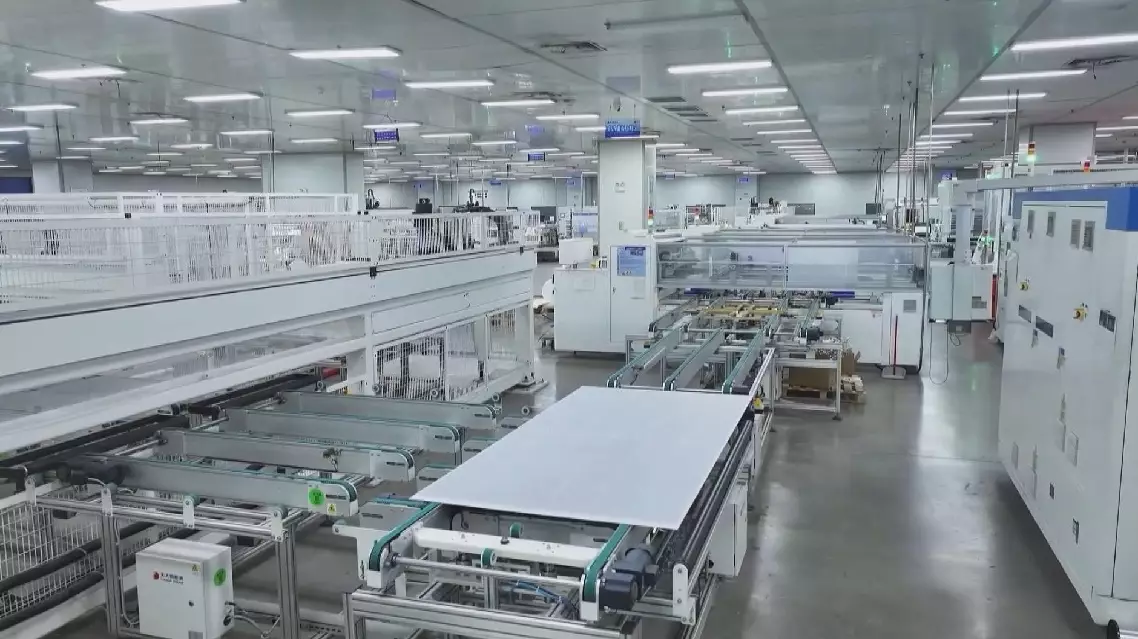
"China's exports of production equipment and intermediate goods have strongly underpinned its trading partners' industrial growth. With over 80 percent of global solar modules and 70 percent of wind power equipment coming from China, the country has become a key enabler of the global green transition. Foreign-invested enterprises, which generate 16 percent of China's surplus, have also reaped significant rewards. This is a clear example of how the surplus remains in China while the gains are shared by all," said He.
The ministry also said that while China runs a sizable surplus in goods trade, its services trade and capital and financial accounts are in deficit.
The current account surplus accounts for about 3.7 percent of GDP, which falls within the internationally recognized reasonable range and does not indicate any significant imbalance in the balance of payments, the ministry said.
China to continue actively pushing for import‑export balance: official