"Sailing to Diaoyu Dao," a segment of CGTN's new documentary "Diaoyu Dao: Small Islands, Big Stakes," tells the story of fishermen from China's Taiwan region and their generations-deep connection to the islands in the East China Sea.
For generations, fishermen from Nanfang'ao Harbor in Yilan County of Taiwan have set sail for Diaoyu Dao, known locally as Diaoyu Tai, a traditional fishing ground that represents an ancestral heritage integral to their livelihood.
Yang Te-hsin, a fisherman from Yilan, recalled his elders' deep connection to the waters.
"My uncle and his peers all went fishing around Diaoyu Tai when they were young. By now, they'd be in their 120s if they were still alive. They went there to catch mackerel for a living. The waters around Diaoyu Tai have been a fishing ground for Taiwan's fishermen for more than 100 years," Yang said.
Tsai Yuan-lung, a local fisherman, who began sailing these waters with his elders 60 decades ago and now chairs the Su'ao Fishermen's Association in Yilan, recalled how they navigated the strong currents.
"Every year we went there to fish for mackerel. Because strong currents could carry our boats away, and running the boats back and forth would waste fuel, so we would sail directly to the island east of Diaoyu Tai, known as Beixiao Island," said Tsai.
To Tsai and his fellow fishermen, Diaoyu Tai, which they also call the "Uninhabited Island", was always their waypoint, a landmark in a sea without boundaries. Back then, reaching it took some 12 hours, 112 nautical miles northeast of Nanfang'ao.
While governments debate, others are working quietly to preserve the memory.
In Yilan, Chen Meei-shia leads the Diaoyutai Education Association. Her mission is to keep the story of Diaoyu Dao alive, not through confrontation, but through education.
"The people most affected were the fishermen. At that time, we felt we should work with fishermen on education. We wanted them to share their own experiences, what they have gone through at sea when being bullied and mistreated," said Chen.
And the fishermen did respond.
"The fishermen went to fish in our own waters, but they sometimes were driven away, detained and fined by the Japanese authorities. It was truly unfair," said Chen.
Yet in Nanfang'ao today, that past feels increasingly out of reach. While fishing has never been an easy living, previous generations treated the sea with reverence, relying on instinct and experience passed down from their forebears.
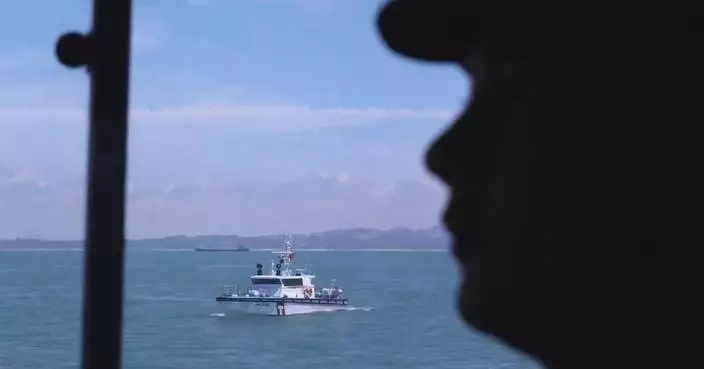
Now, a new threat looms, not from wind or waves, but from Japanese patrol boats.
"In the past, we could come and go freely. Now, if we want to go there, we can't enter within 12 nautical miles," said Tsai.
The sea remains the same, but a way of life that once thrived on it has been broken. For those who depend on these waters, the loss is deeply felt.
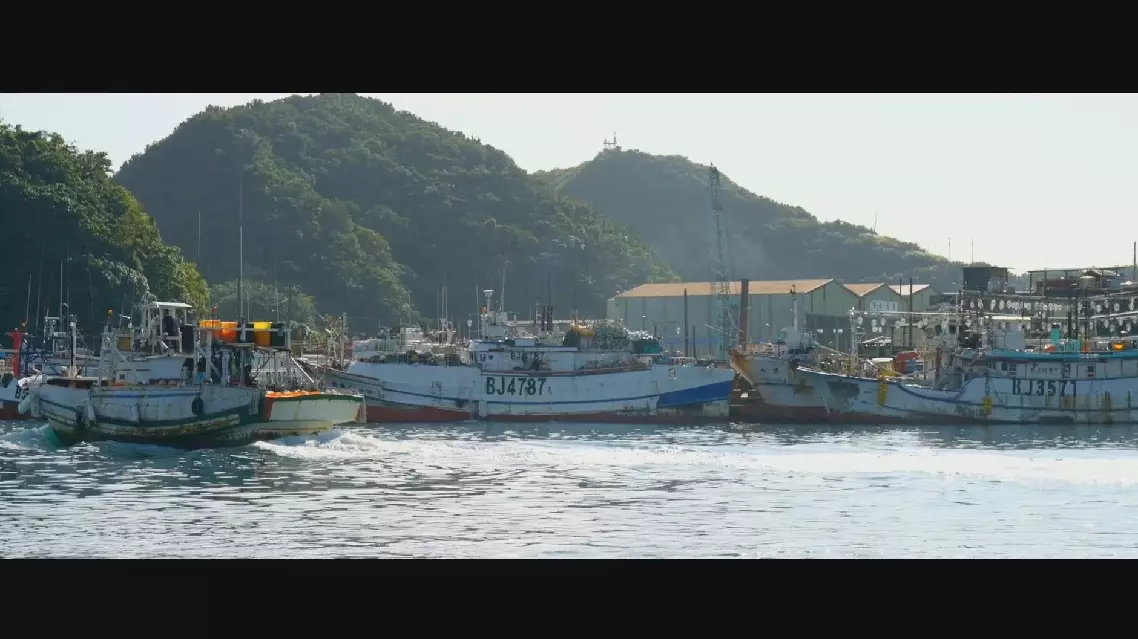
Fishermen of China's Taiwan see Diaoyu Dao as legacy, not just fishing ground