KYIV, Ukraine (AP) — A Russian ballistic missile and drone barrage across Ukraine overnight killed at least eight civilians, including children, and injured more than 50 others in attacks that stretched across the country to near its border with Poland, officials said Thursday.
The blitz expanded Russia’s almost daily bombardment of Ukrainian cities, including the capital of Kyiv where tens of thousands spent the night sheltering in subway stations, as Moscow apparently looked to exploit Kyiv’s critical shortage of Western-supplied anti-ballistic missile defenses.
Click to Gallery
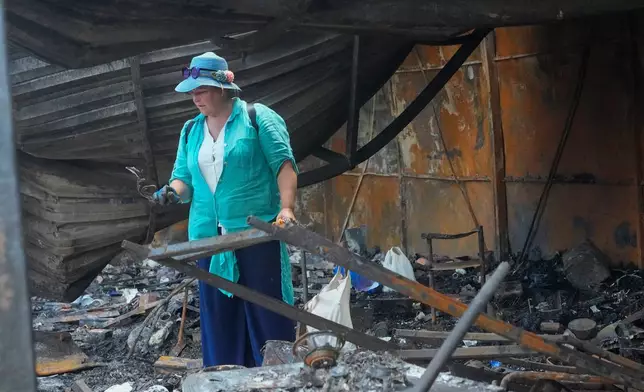
An owner looks at the ruins of city market place following Russian missile attack in Kyiv, Ukraine, Thursday, July 30, 2026. (AP Photo/Efrem Lukatsky)
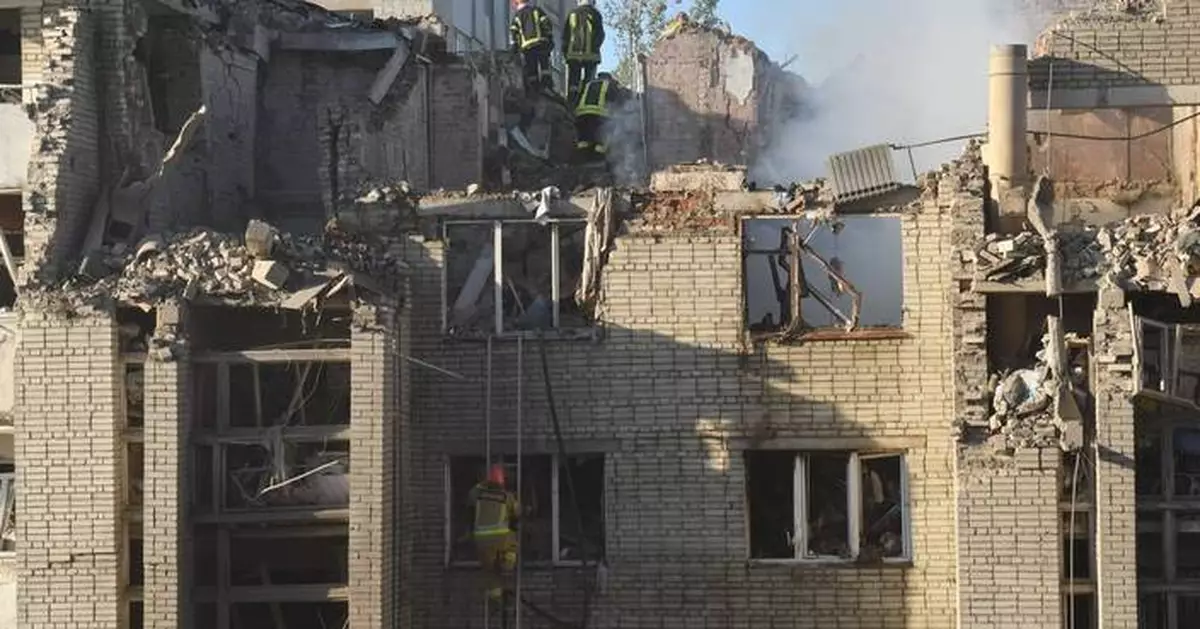
Rescuers work at the damaged apartment building following a Russian air attack in Lviv, Ukraine, Thursday, July 30, 2026. (AP Photo/Mykola Tys)
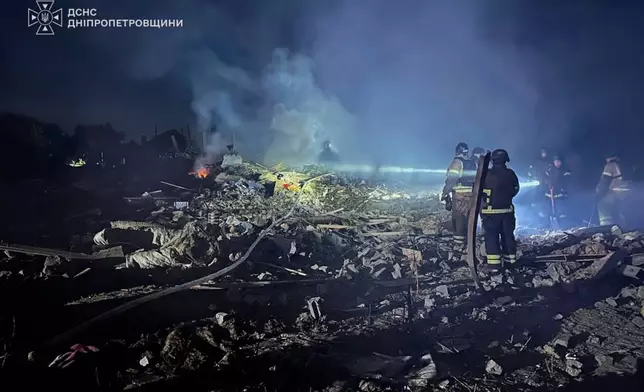
In this photo provided by the Ukrainian Emergency Service, rescuers search through the rubble at a private house following Russian air attack in Dnipropetrovsk region, Ukraine, Thursday, July 30, 2026. (Ukrainian Emergency Service via AP)
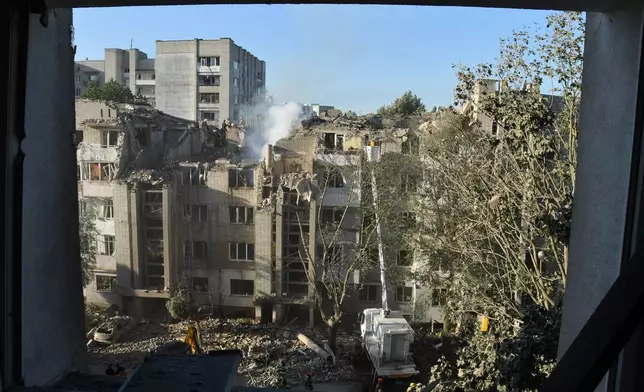
Rescuers search through the rubble of a residential building following a Russian air attack in Lviv, Ukraine, Thursday, July 30, 2026. (AP Photo/Mykola Tys)
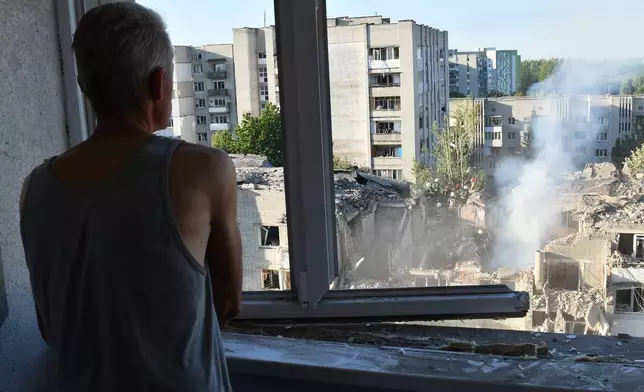
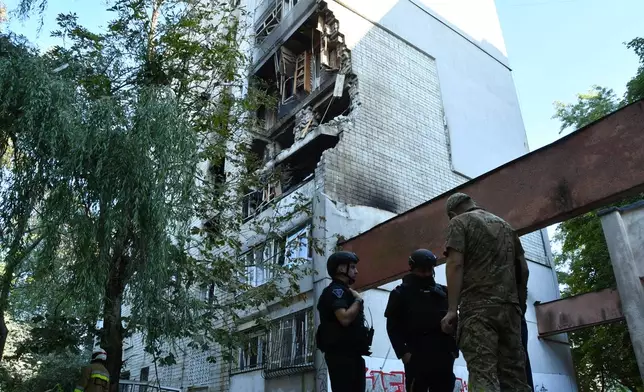
A man watches as rescuers clear the rubble at the damaged apartment building in a residential neighbourhood following a Russian air attack in Lviv, Ukraine, Thursday, July 30, 2026. (AP Photo/Mykola Tys)
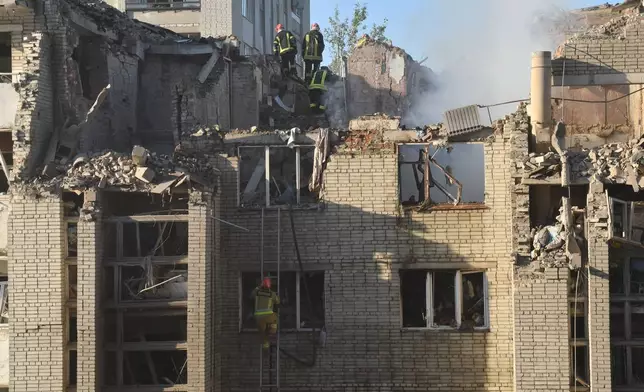
Rescuers search through the rubble of a residential building following air attack in Lviv, Ukraine, Thursday, July 30, 2026. (AP Photo/Mykola Tys)
NATO member Poland said a suspected Russian cruise missile entered its airspace during the onslaught and landed in a rural area in an incident that caused no injuries but could deepen tensions between the military alliance and Moscow. European countries, mistrustful of the Kremlin's wider ambitions, fear the 4-year-old war could spill into their territory.
The barrage struck areas far from the front line in the east of the country and where Ukraine is believed to store and manufacture weapons. Its long-range drones and missiles have battered Russia's oil sector, causing a fuel crisis.
The attack came two days after Ukrainian President Volodymyr Zelenskyy met with U.S. President Donald Trump and representatives of American defense companies as he pleads for swifter and bigger deliveries of Patriot air defense systems to stop Russia’s ballistic missiles.
The Iran war has drained stockpiles of the U.S.-made interceptors. Trump has promised to grant Ukraine licenses to build its own Patriots, but production could take many months.
“Given the critical shortage of air defense missiles from our partners, our warriors are accomplishing truly incredible things, demonstrating a very high level of professionalism,” Zelenskyy said on social media.
“This Russian terror once again proves that protection against the Russian missile threat is the most important task when it comes to saving the lives of our people,” he said.
Zelenskyy said at least 10 Ukrainian regions were attacked, with dozens of homes, businesses and infrastructure facilities destroyed or damaged.
Russia launched more than 70 missiles, a significant number of them ballistic missiles, he said, and over 280 attack drones, of which more than 260 were intercepted.
The Russian Defense Ministry said it aimed at Ukrainian air bases, arms factories and military telecommunications and logistics facilities. The targets included drone production factories and storage depots, a missile plant, an aircraft repair plant, a factory making electronic components and a chemical plant, it said.
In the Dnipropetrovsk region, the Russian attack killed six people and wounded 10, said Oleksandr Hanzha, head of the regional military administration, in a post on Telegram. Children were among the dead — a 6-year-old girl and boys aged 11 and 17 in the area of Kryvyi Rih, Zelenskyy's hometown, Hanzha added.
The children’s parents were killed in the same attack, but two more children were pulled alive from the rubble, Zelenskyy said.
“It was an ordinary home, blown (to) smithereens by a ballistic missile,” he said on X.
In Kyiv, Russian forces struck the capital with ballistic missiles, killing a 31-year-old man and wounding two others, the National Police press service said.
More than 56,000 people sheltered in Kyiv’s subway stations overnight, according to the Facebook post from the capital's metro.
A cruise missile attack struck the western city of Lviv, wounding 34 people, including three children age 6, 13 and 15, said Maksym Kozytskyi, head of the Lviv regional military administration.
In the Poltava region, a drone hit company warehouses, killing one person, regional military head Vitalii Diakivnych said.
Russian forces also dropped three powerful glide bombs on an industrial zone in the southern city of Kherson, killing a 56-year-old man, local officials said.
A Russian Kh-101 cruise missile crossed into Poland overnight, violating NATO airspace, Ukrainian Foreign Minister Andrii Sybiha said on X, saying it was a clear demonstration that strengthening Ukraine’s air defense is urgent and serves as a guarantee of wider European security.
An object flying westward in the middle of the night was tracked in Polish airspace and an F-16 fighter jet was scrambled to identify and intercept it, the Operational Command of the Polish Armed Forces said on X, adding the object disappeared from radar before it could be identified. A helicopter flew to its last known location, where the crew discovered a probable impact site in a farming area in Lublin province, the command said.
Investigators searching a crater in a field found fragments indicating that the object that fell from the sky was a Russian Kh-101 missile, Polish news agency PAP reported.
Polish Prime Minister Donald Tusk called it “a very serious incident” but added: “There are absolutely no reasons to believe that Poland was the target.”
Tusk had met with Zelenskyy in Lublin on Wednesday to discuss defense issues.
Meanwhile, Russia’s Defense Ministry said that air defenses downed 258 Ukrainian drones overnight.
A depot belonging to Wildberries online retailer was set ablaze in Russia's Penza region southeast of Moscow, in the latest strike on the company's warehouses, Penza Gov. Oleg Melnichenko.
Four people were injured and 200 workers were evacuated, he said, adding that about 100 firefighters were deployed.
Wildberries also reported its warehouse in Sarapul in the Udmurtia region more than 1,000 kilometers (600 miles) from Ukraine, was struck by a Ukrainian drone and set ablaze. It said the workers had been safely evacuated.
The Russian online news outlet Astra reported that another Wildberries depot in the Perm region in the Urals was also set ablaze by a Ukrainian drone strike. Regional authorities reported a Ukrainian drone attack but didn’t give information about the damage.
Thursday’s attacks on Wildberries warehouses brought to 14 the number of the retailer’s depots struck by Ukrainian drones in under two weeks. Ukraine accuses Wildberries of supplying goods that can be used by the Russian military.
Ukrainian drone units destroyed four more vessels belonging to Russia’s “shadow fleet” of sanctions-busting tankers, bringing the total to 205 since the operation began July 6, Robert “Madyar” Brovdi, commander of the Unmanned Systems Forces, said on his Telegram channel.
AP reporter Stefanie Dazio in Berlin and Rafal Niedzielski in Warsaw, Poland, contributed.
Follow the AP’s coverage of the war in Ukraine at https://apnews.com/hub/russia-ukraine
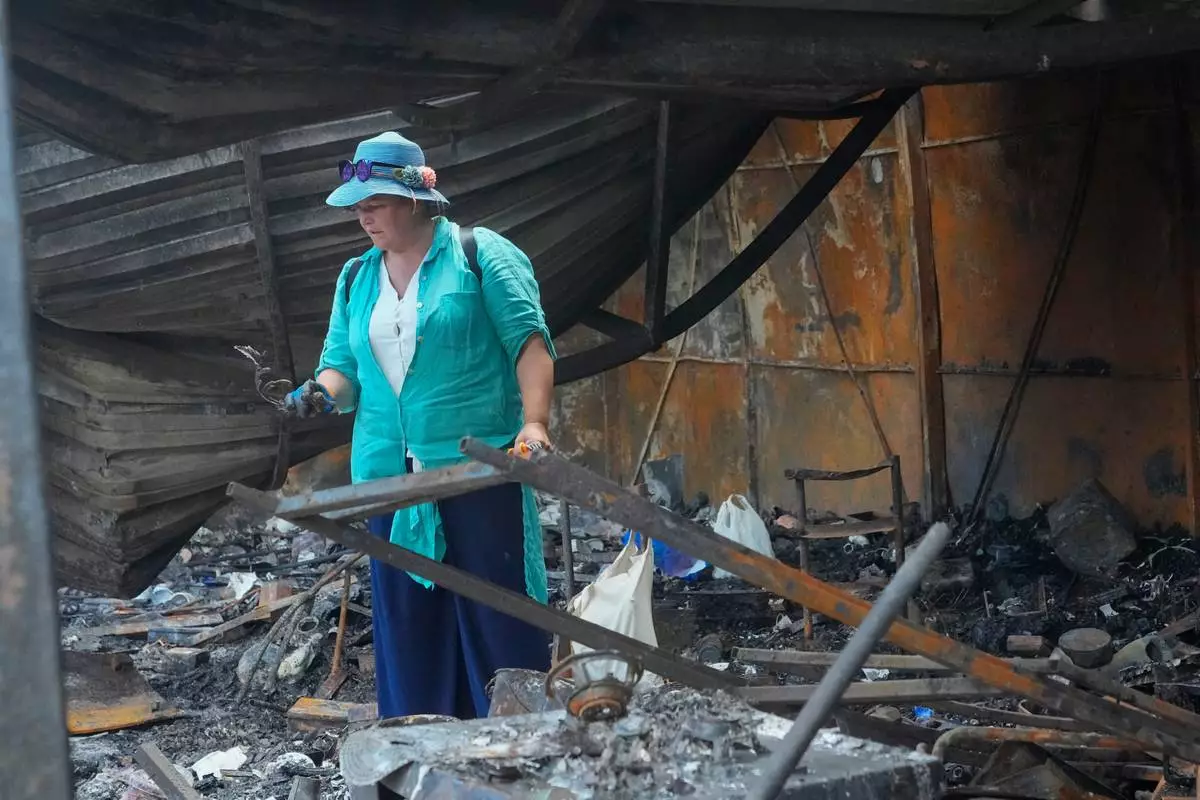
An owner looks at the ruins of city market place following Russian missile attack in Kyiv, Ukraine, Thursday, July 30, 2026. (AP Photo/Efrem Lukatsky)
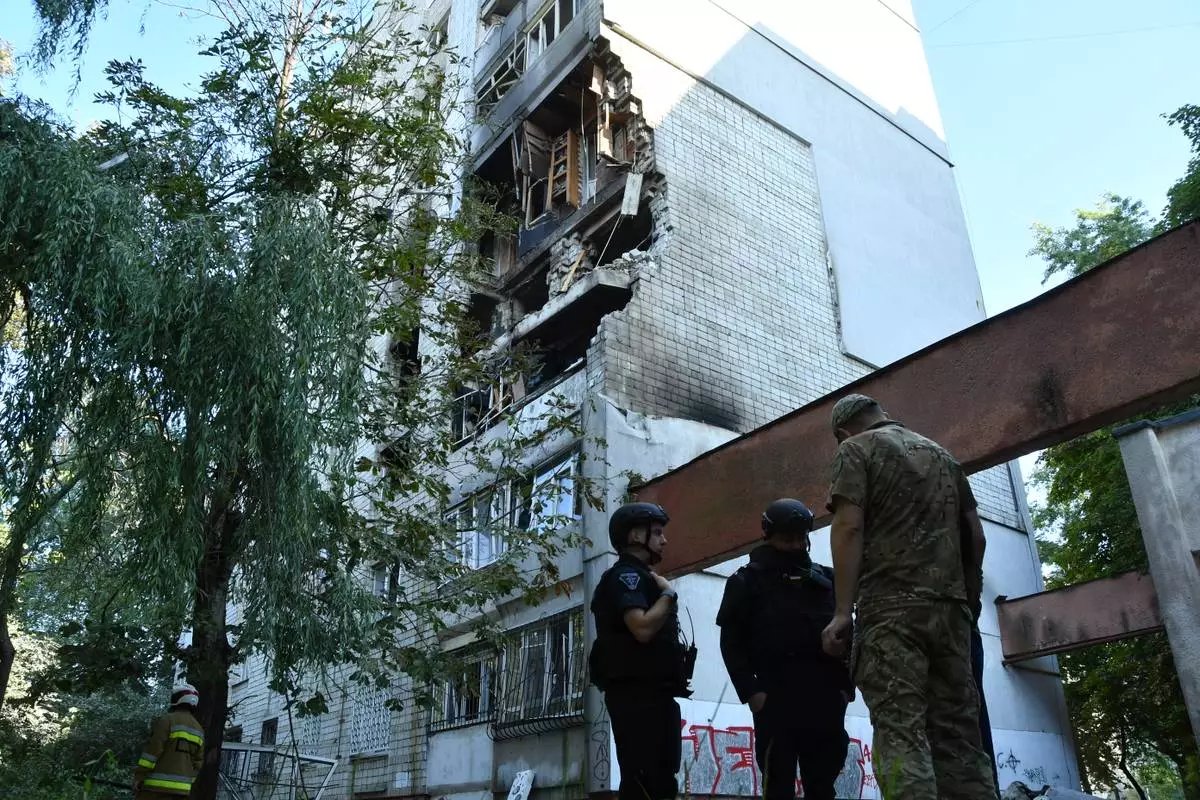
Rescuers work at the damaged apartment building following a Russian air attack in Lviv, Ukraine, Thursday, July 30, 2026. (AP Photo/Mykola Tys)
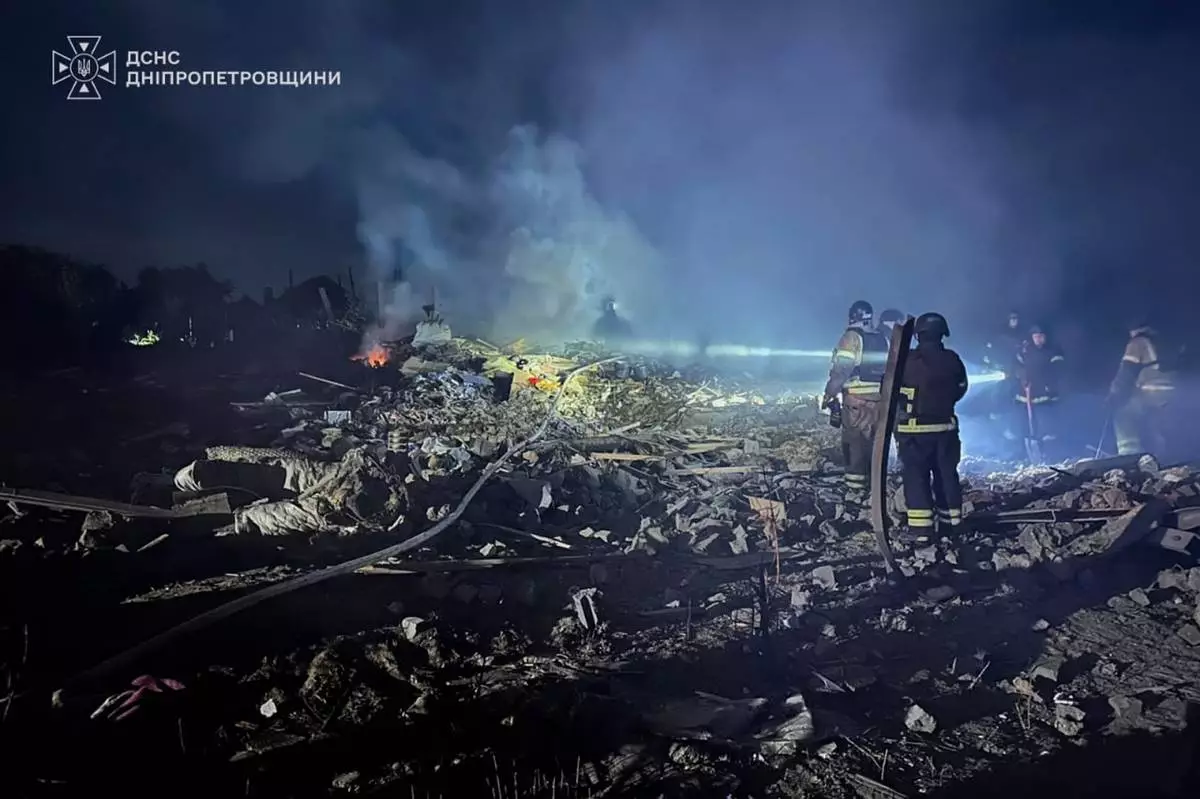
In this photo provided by the Ukrainian Emergency Service, rescuers search through the rubble at a private house following Russian air attack in Dnipropetrovsk region, Ukraine, Thursday, July 30, 2026. (Ukrainian Emergency Service via AP)
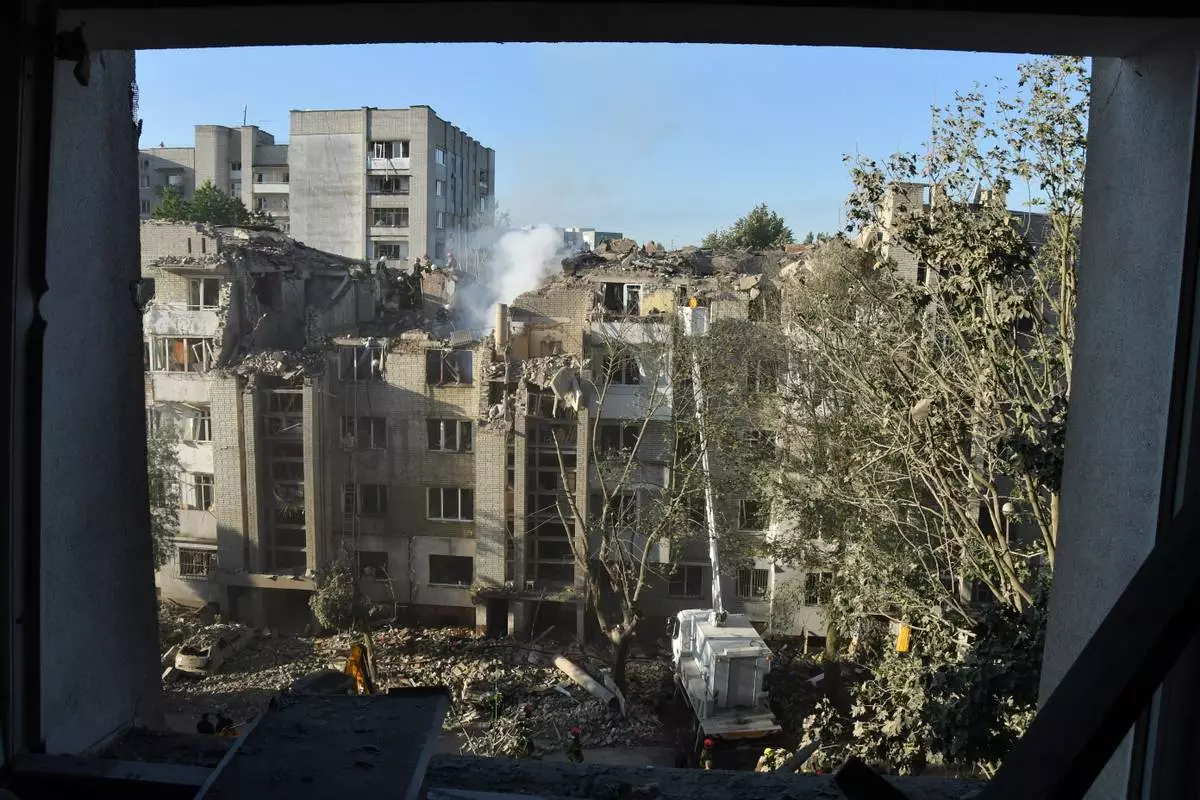
Rescuers search through the rubble of a residential building following a Russian air attack in Lviv, Ukraine, Thursday, July 30, 2026. (AP Photo/Mykola Tys)
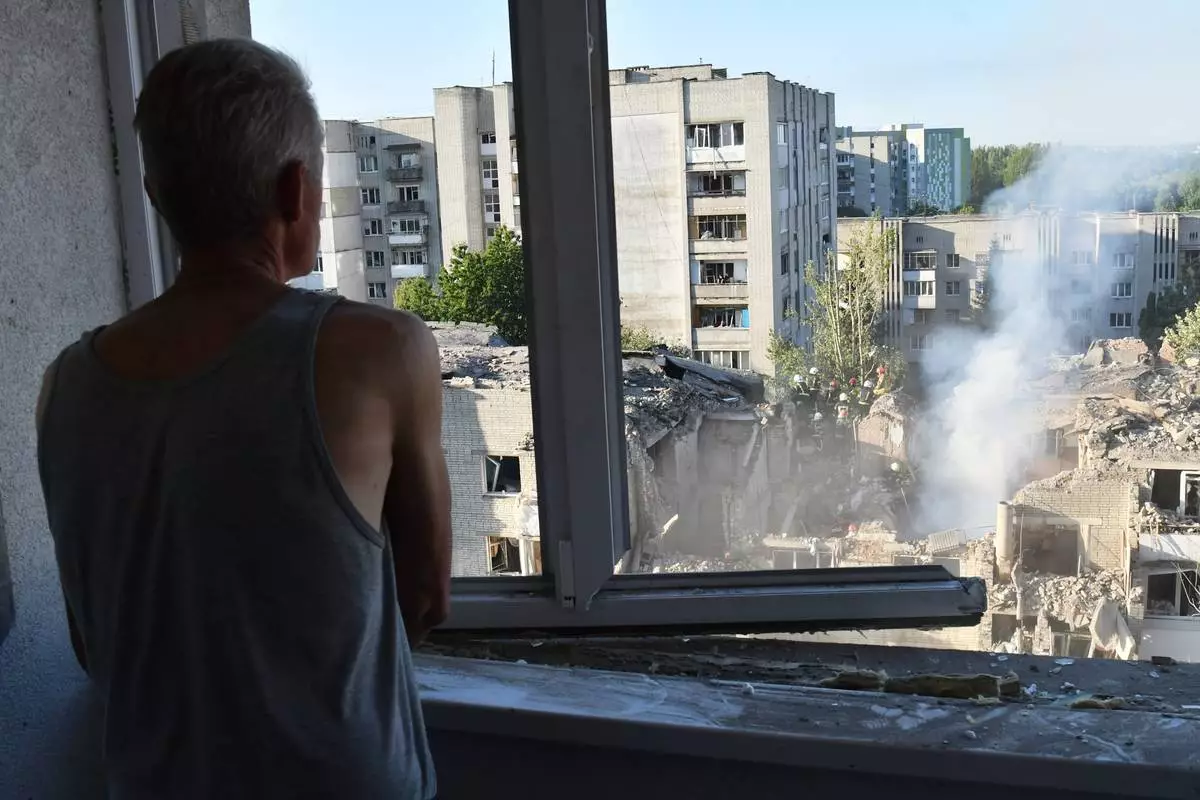
A man watches as rescuers clear the rubble at the damaged apartment building in a residential neighbourhood following a Russian air attack in Lviv, Ukraine, Thursday, July 30, 2026. (AP Photo/Mykola Tys)
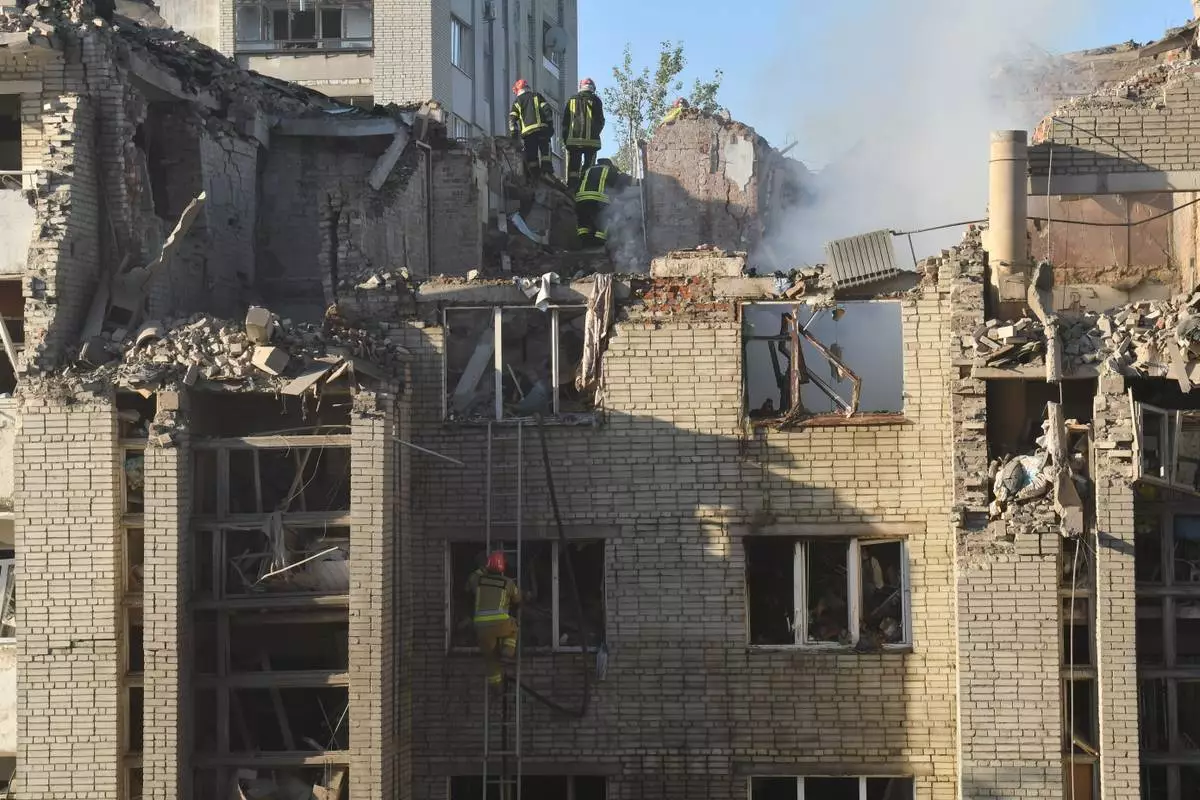
Rescuers search through the rubble of a residential building following air attack in Lviv, Ukraine, Thursday, July 30, 2026. (AP Photo/Mykola Tys)