Electricity consumption in China's tertiary industry grew rapidly in the first half of 2026, fueled by demand from electric vehicle charging and battery-swapping services and internet data services, according to an official with the National Energy Administration (NEA).
Data showed that China's electricity consumption increased by 5.3 percent year on year in the first half of 2026.
During the first half of this year, energy use in the primary, secondary, and tertiary industries and individual households increased by 4.9 percent, 5.1 percent, 8.0 percent, and 3.1 percent year-on-year, respectively.
"Electricity consumption in the tertiary sector grew rapidly. Driven by the rapid development of high-tech industries including new energy vehicles and artificial intelligence, electricity consumption in the electric vehicle charging and battery-swapping services and internet data services saw strong growth, reaching 81 billion kWh and 49.4 billion kWh respectively, representing year-on-year increases of 56.9 percent and 44 percent respectively, boosting the national total electricity consumption by 0.9 percentage points," said Xing Yiteng, deputy director of Department of Development and Planning of the National Energy Administration.
The secondary sector was the main driver of total electricity consumption growth, contributing 3.3 percentage points to the overall electricity consumption increase.
Electricity consumption in high-tech and equipment manufacturing sector maintained rapid growth, increasing by 9.8 percent year-on-year, 6.0 percentage points higher than the same period last year.
Electricity consumption in consumer goods manufacturing sector climbed 6 percent year-on-year, 5.8 percentage points higher than the same period last year.
Regionally, the fastest-growing electricity consumers during the period were Xizang, Hainan, Guangxi, Xinjiang, and Guangdong, according to the NEA data.
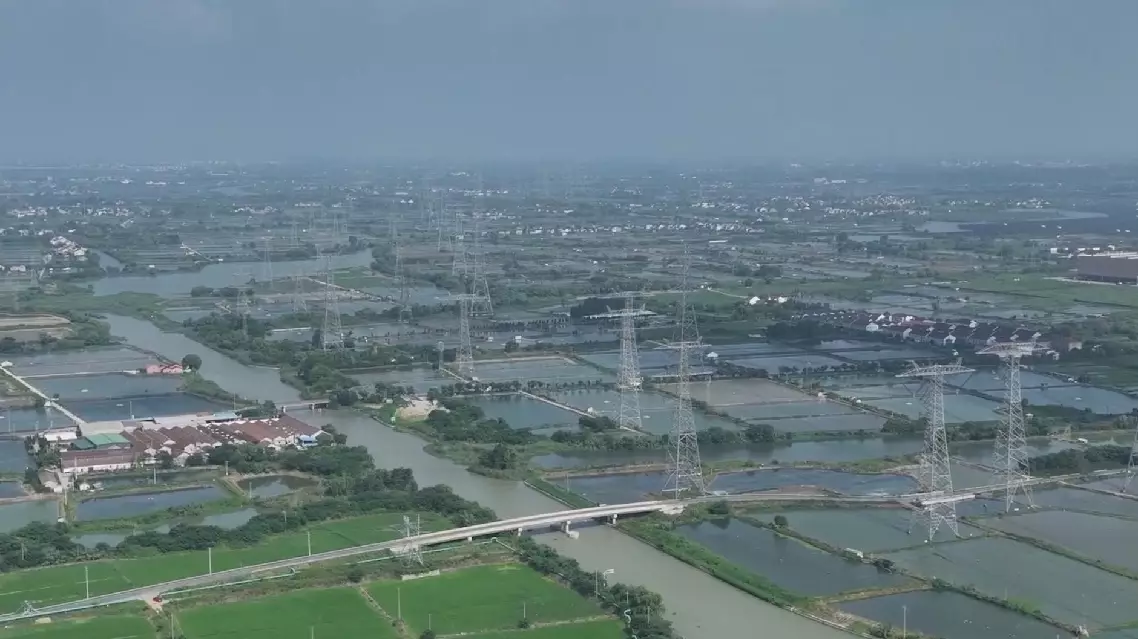
Electricity consumed by China’s tertiary industry expands in H1
Yemen's Houthi group said that it had carried out multiple attacks on Saudi and Saudi-led coalition targets, while the Saudi-led coalition said it intercepted a Houthi missile, and Yemeni government forces reported operations against the group on several fronts.
In a statement released early Thursday, the Houthis said they used a surface-to-air missile to hit a Saudi Typhoon fighter jet. The aircraft, they said, had taken off from Saudi Arabia's Taif Air Base and was hit over Yemen's Sa'adah Province. Saudi Arabia has not yet responded to the claim.
Earlier on Wednesday, the Houthis said they launched a large-scale attack using ballistic missiles, cruise missiles and drones against oil facilities of energy giant Saudi Aramco in Dhahran in eastern Saudi Arabia, as well as King Khalid International Airport and a Saudi Aramco refinery in the Saudi capital, Riyadh.
The Houthis said in a separate statement released Wednesday evening that the group had fired one more ballistic missile at King Khalid International Airport and launched three ballistic missiles at Saudi-led coalition targets in southern Yemen.
Turki al-Maliki, spokesman for the Saudi-led coalition, said on Wednesday that they had intercepted and destroyed a Houthi ballistic missile fired toward Riyadh. Saudi Arabia's General Directorate of Civil Defense said in a statement on Wednesday that fragments from the intercepted missile fell in Riyadh, injuring one person.
Meanwhile, the Houthi-run al-Masirah TV reported that late on Wednesday the Saudi-led coalition carried out an airstrike on a residential building in the Al Maravi'ah area of Hodeidah province, which is under Houthi control. Early on Thursday, al-Masirah also reported that Yemen's capital, Sanaa, had come under Saudi attack.
According to a Houthi statement issued on Wednesday evening, the Saudi-led coalition launched 42 airstrikes and missile attacks on Houthi-controlled areas in the previous 24 hours. The Houthis said that Saudi attacks on islands in the Bab el-Mandeb Strait directly threatened the safety of maritime shipping routes.
Separately, Yemeni government forces said on Wednesday that they continued to strike Houthi targets and personnel on the eastern and southern fronts.
Yemen has been mired in conflict since late 2014, when the Houthis seized the capital Sanaa and much of northern Yemen, prompting a Saudi-led coalition to intervene in 2015 in support of the Yemeni government.
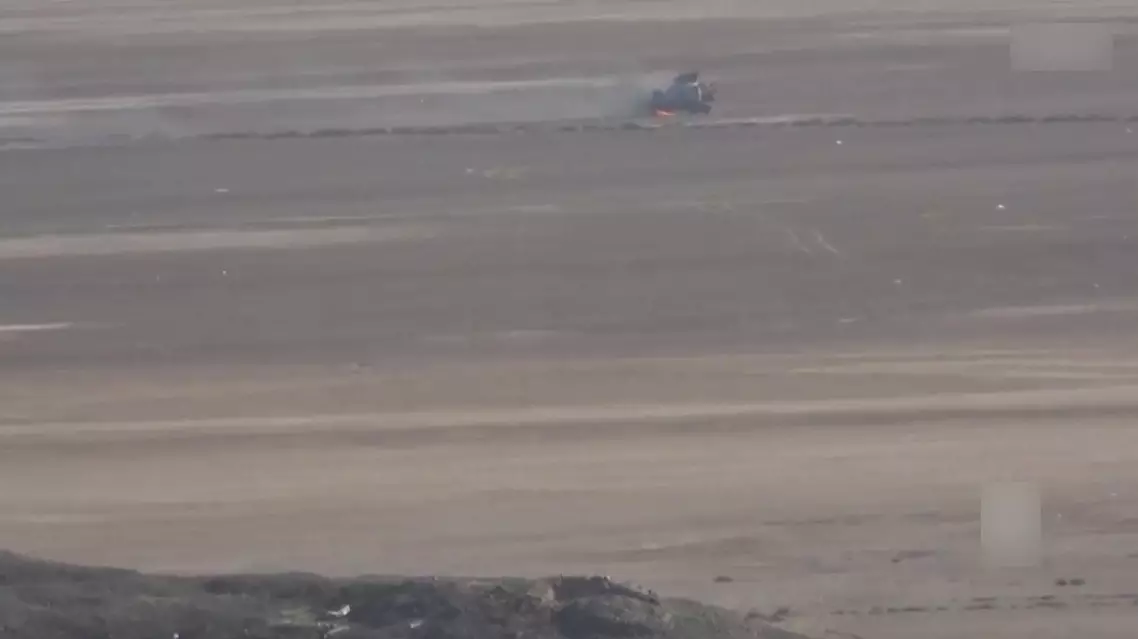
Houthis, Saudi-led coalition report fresh military actions against each other