China's foreign ministry confirmed on Friday that no Chinese nationals were affected by a strike that reportedly hit a Chinese company's premises in northern Kuwait a day earlier.
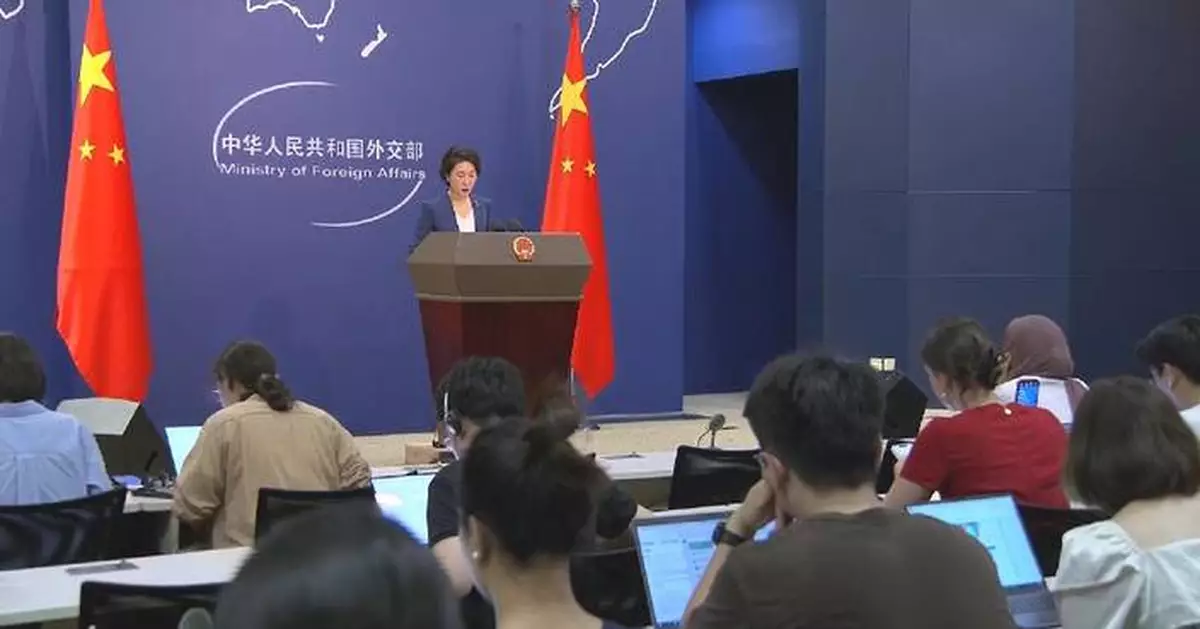
Spokeswoman Mao Ning addressed the incident at a regular press briefing in Beijing, after Kuwait's military reported that an Iranian attack on Thursday had left one person dead and caused property damage in the region.
"According to verified information, no Chinese citizens were affected. Right after the incident, the Chinese Embassy in Kuwait issued a timely advisory to local Chinese nationals and institutions, reminding them to stay vigilant and step up security precautions. The embassy also reached out to the relevant Kuwaiti authorities, urging them to take effective measures to ensure the safety of Chinese institutions in Kuwait," she said.
"China believes that any attacks on innocent civilians and non-military targets are unacceptable. We call on all parties involved to exercise restraint and properly resolve their differences through dialogue and consultation, so as to restore peace and stability in the Gulf region as soon as possible," said Mao.
According to Kuwait's armed forces and the Chinese Embassy in Kuwait, the attack resulted in the death of a Nepalese driver employed by a subcontractor of a Chinese company in the region and caused property damage to the company.
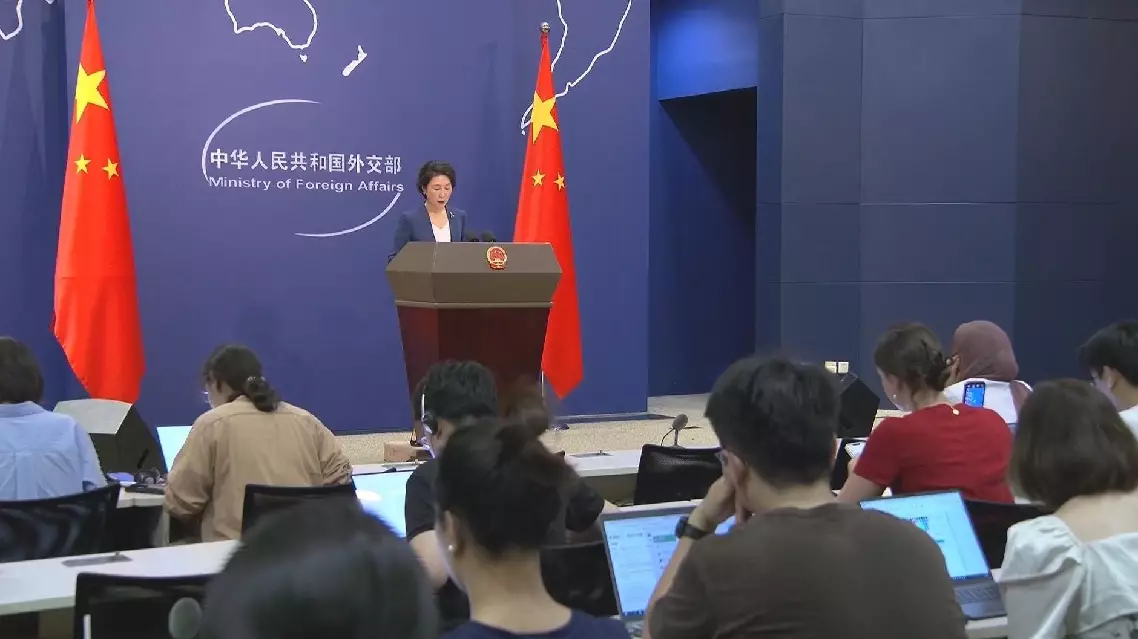
No Chinese casualties reported after Kuwait attack: spokeswoman
Tokyo stocks ended lower Monday, with the benchmark 225-issue Nikkei Stock Average falling around 1 percent, amid concern that the surging yen could disrupt companies' business outlooks, said an analyst.
The benchmark Nikkei stock index, the 225-issue Nikkei Stock Average, ended down 607.12 points, or 0.94 percent, from Friday at 63,754.90.
The broader Topix index, meanwhile, finished 43.27 points, or 1.08 percent, lower at 3,960.03.
The Japanese yen rose sharply on Monday, briefly surging to the lower 155 yen range against the U.S. dollar, after Japan confirmed joint currency market intervention with the United States and possible further intervention.
The U.S. dollar fetched 156.76-78 yen after briefly hitting 155.20 yen, compared with 157.33-43 yen in New York and 160.20-22 yen in Tokyo at 17:00 local time Friday.
"Over in Tokyo, the big story was of course the rare joint action by Japan and the U.S. to support the yen, which had been trading near 40-year lows in recent weeks. Japan's finance ministry confirmed that coordinated intervention today and said the two countries are prepared to act on that again. The yen rose as much as 1.4 percent at one stage and the Nikkei 225 fell around 1 percent. The stronger currency was weighing on exporters. There we had Suzuki Motor down 6.7 percent. Many Japanese-listed companies earn a substantial share of their revenues overseas, and a stronger yen reduces the value of those earnings when they are translated back into the Japanese currency. AI-linked stocks also weighed on the market, with the chip-testing-equipment maker Advantest down 3.3 percent," said Timothy Pope, a Shanghai-based market analyst for China Global Television Network (CGTN).
Pope said that in the rest of the week, investors are going to watch closely the earning reports to be released by the major companies.
"Tokyo has some major earnings to watch this week as well. So, we will be following Toyota, Nintendo and SoftBank -- all of them are due to report. SoftBank's results will be watched particularly closely for further clues about the returns, the risks as well as all of those associated with the enormous sums being invested in AI at the moment," said Pope.
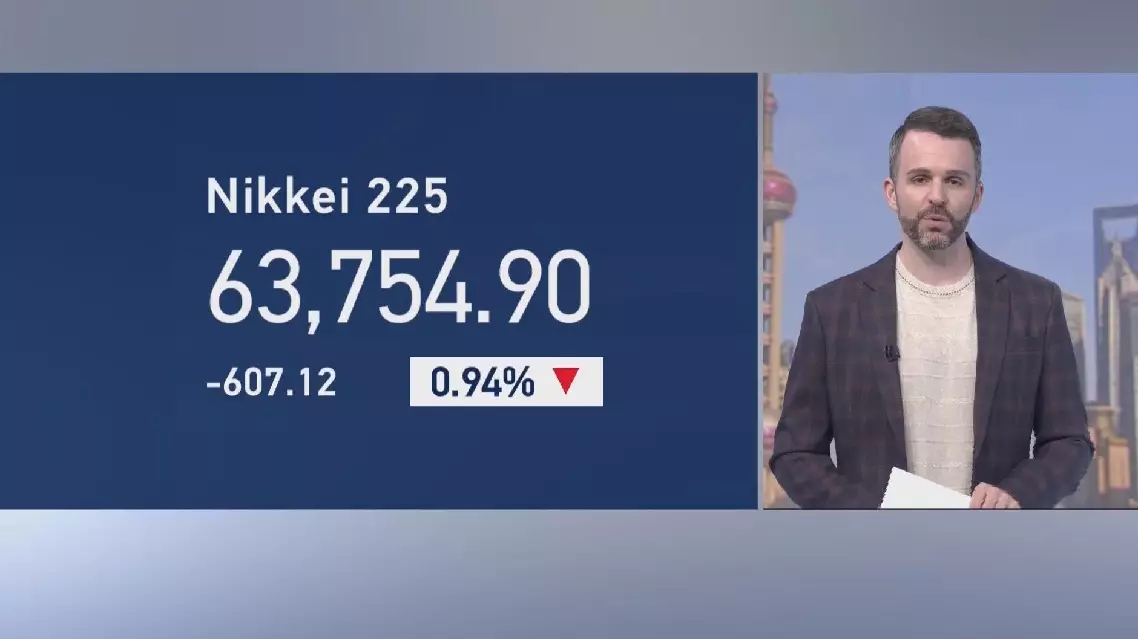
Tokyo stocks end lower Monday on stronger yen: analyst