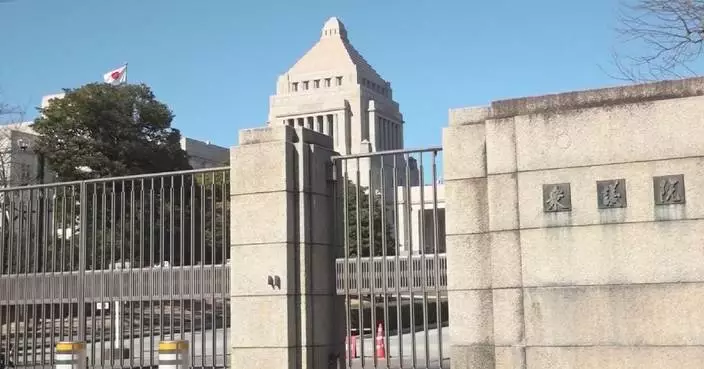
The 15-member transitional Palestinian technocratic committee for administering the Gaza Strip affirmed on Friday "its full readiness to assume its responsibilities" in the enclave following a reported Hamas disarmament pact.
The committee, formally known as the National Committee for the Administration of Gaza (NCAG), said in a statement that it "has completed extensive institutional and operational preparations" over recent months to "take over the administration of the Strip, restore essential public services, strengthen the rule of law, facilitate the delivery of humanitarian aid, and lead recovery and reconstruction efforts."
Describing the task ahead as "immense," the committee said "rebuilding Gaza requires sustained international commitment, substantial financial resources, and close cooperation among all partners."
On Thursday, U.S. President Donald Trump said the so-called "Board of Peace" had reached an agreement for the "complete disarmament" of Hamas and other armed groups in Gaza.
On Friday, Palestinian sources said that Hamas has informed mediators of its approval of the final draft of a roadmap for the second phase of the Gaza ceasefire agreement.
Meanwhile, in press statements, Ghazi Hamad, a member of Hamas' negotiating delegation, said Hamas and other Palestinian factions have reached an understanding on a mechanism for implementing the second phase of the agreement, including a gradual process for registering and storing weapons under the supervision of the NCAG.
Hamad rejected reports describing the arrangement as disarmament, saying the issue of weapons remains linked to the implementation of the agreement's other provisions, particularly Israeli withdrawal from Gaza and the launch of reconstruction efforts.

Palestinian technocratic committee says ready to govern Gaza after reported Hamas disarmament pact
China has kept improving the payment methods available to meet the needs of international travelers and unlock the potential for inbound consumption.
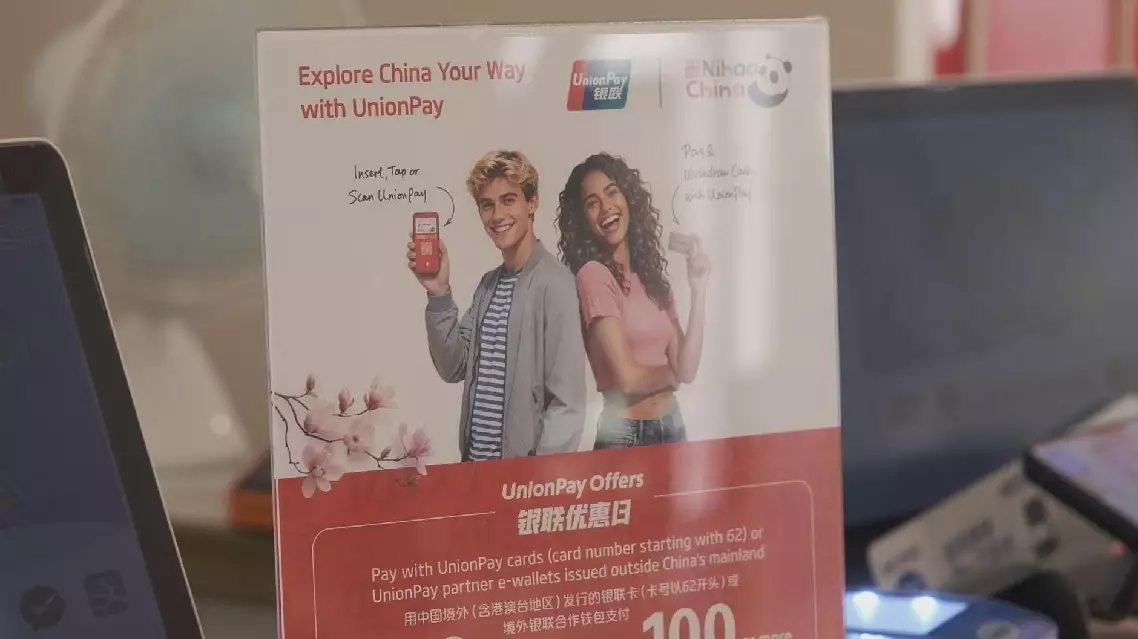
One of the latest outcomes of the continued improvement is the Nihao China app launched by UnionPay, an official payment and travel service app designed specifically for inbound international travelers.
The one-stop service app allows users to link their foreign bank cards to make QR code payments accessible within China, covering a wide range of high-frequency spending scenarios such as shopping, dining, transportation and cultural tourism.
The app, now with users from over 160 other countries and regions, also boasts a multilingual AI-powered assistant, significantly lowering the language barrier to using mobile payments for international tourists.
"I registered my bank card to this app even before I arrived to [in] China. The whole guidance comes with AI. It helps me to register to link my card. It goes very smoothly, very straightforward, easily. To pay for my today shopping, I simply open the app, scan the QR code. I don't need to carry with me my physical bank card or cash around, which I often end up misplacing. It's very convenient," said a tourist from Greece.
"The Nihao China app not only covers a range of basic payment needs, such as payment making and transportation, but also includes additional functions such as currency conversion and tax refunds for travelers, thereby providing a comprehensive payment service experience for international visitors to China," said Peng Wei, a senior director at the international division of UnionPay App.
Alongside innovations in digital payments, the convenience of in-person payments also continues to improve.
This summer, payment terminals in Shanghai's major commercial districts, tourist attractions, hotels and large supermarkets have been undergoing continuous upgrades. Following these improvements, the devices now offer higher recognition efficiency and greater transaction stability, and support direct card payments for the vast majority of bank cards issued overseas.
"The biggest impression since coming to China is how convenient it is to make the payments. Like before, I needed to carry with me a lot of cash, exchange RMB [Chinese yuan]. It takes a lot of time to go there and exchange, and right now I don't need anything. It's very easy, you just tap to pay. You don't have to worry about carrying cash anymore. It's impressive," said a tourist from Brazil.
A diverse range of convenient payment methods, combining online and offline options, continues to enhance the shopping experience for international travelers in China.
Data show that during this summer vacation, Alipay spending by inbound tourists reached a record high, with the number of transactions increasing by 59.2 percent year on year, and with the total spending amount rising by 72.9 percent year on year.
China continues improving payment services for foreign tourists