Japan's establishment of a new centralized intelligence body on Friday may blur the boundaries of national security, and be exploited to build a full spectrum war preparedness system instead of improving the country’s economy, said analysts.
The establishment of the national intelligence bureau, an upgrade from the cabinet intelligence and research office, follows legislation enacted in May to create the national intelligence council, according to local media.
The bureau serves as the secretariat for the council, a central command body headed by the prime minister and composed of top ministers, and will coordinate intelligence gathering by the National Police Agency, the Foreign Ministry, the Defense Ministry and other organizations, with the authority to require them to share information.
However, the move has prompted questions from global observers over the Japanese government's underlying agenda, as the country's wartime intelligence apparatus continues to shape public debate even today, with regional security tensions intensifying, defense policies evolving, arms export restrictions being erased, and constitutional revision managing remaining rather part of the geopolitical agenda.
In an interview program with China Global Television Network (CGTN), Alexis Dudden, professor of history at the University of Connecticut, said the new bureau marks a significant shift in Japan's administrative, while blurring the mandates in legislation.
"The significant shift with this new bureau agency, however we are translating it, is that they will be able to suggest legislation through the prime minister and again, remember whatever prime minister is there can direct that, but the idea that an intelligence bureau can suggest legislation to the parliament is a significant shift. But many people in Japan are concerned that this is primarily going to be focused on domestic issues. Who counts as doing things contrary to what the government of Japan wants? It's so vague, it is almost difficult to describe what the mandate is. And now we know that the prime minister will be directing the council that directs the intelligence bureau to do its job," she said.
Rong Yang, chair professor at Sichuan University in southwest China, said that debates in and out of Japan revolving around the move show people’s worries about where this new bureau will lead its people, and how it will affect regional situations.
"I think it's clear from the press reports and also I think the debate that has been going on in Japan, the oppositions in particular, I think that there are great many concerns and the questions are answered. I think apart from the concerns, domestic concerns, the possibilities of infringement on the privacy, human rights, and their reputation or replication of pre-war times. The readings of observers or analysts outside Japan is very much on its regional impact, its securities or the implications and ultimately, in the end, the the directions of Japan in the wake of the serious sort of steps or attempts to get away the so-called pacifist constraints," Rong said.
Dudden also noted that the Japanese government's primary focus at the moment should be the domestic economy and people's livelihood, not external issues.
"What's also noticeable is Japan downgraded its GDP to 0.9 percent today and the population has dropped below 120 million. And so when you don't have a domestic plan, you wave the flag of foreign interference. Let's stand up and secure ourselves and be patriotic. Japan's leadership does not have a domestic plan to change Japan's economy right now. And I think we need to see it in the broader context of using foreigners as the problem when that's really not Japan's problem right now," she said.
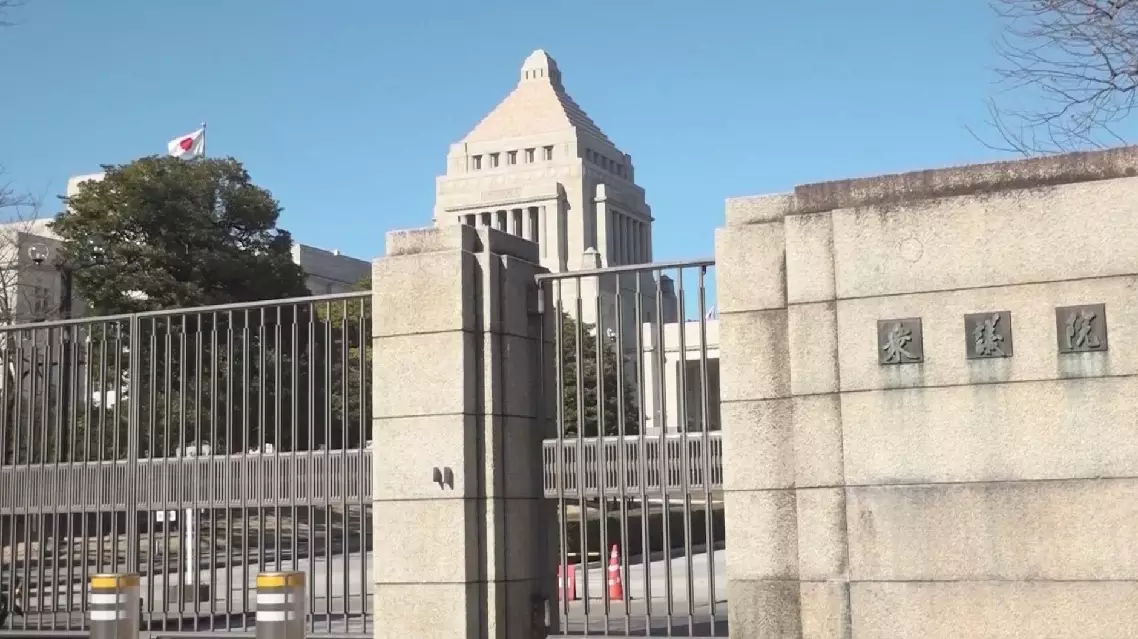
Japan's establishment of centralized intelligence agency blurs boundaries in security: experts