The establishment of the National Intelligence Bureau in Japan has drawn sharp criticism from the country's academic circle which warns that the centralized structure lacks checks and balances in the form of independent oversight mechanisms.
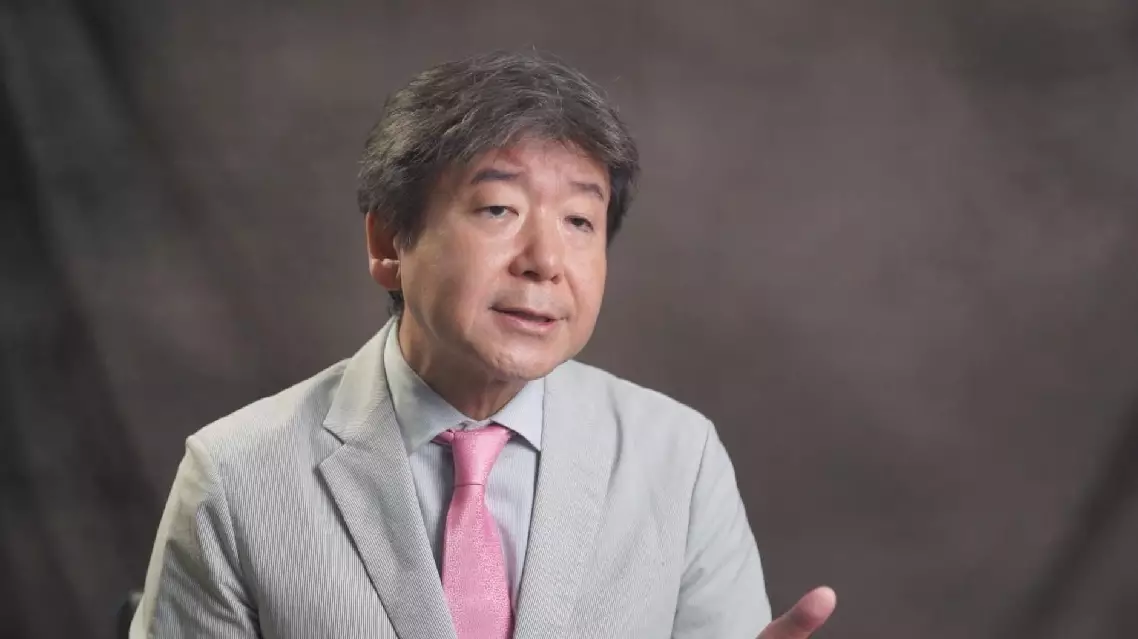
Hiroshi Shiratori, a professor of political science at Hosei University in Tokyo, is among a growing number of Japanese scholars and experts who are asking the fundamental question regarding the newly established agency -- what information the Japanese government aims to collect and for what purpose.
Japan launched its new National Intelligence Bureau on Friday, marking the establishment of the country's first centralized national intelligence system since World War II.
It represents another step in Prime Minister Sanae Takaichi's efforts to strengthen Japan's intelligence capabilities and is expected to pave the way for additional counter-espionage legislation.
The bureau's creation follows the enactment of a law in May that established it alongside the National Intelligence Council, a central command body headed by the prime minister and composed of nine other Cabinet ministers.
The bureau serves as the secretariat for the council and will coordinate intelligence gathered by the National Police Agency, the Foreign Ministry, the Defense Ministry and other organizations, with the authority to require them to share information.
Shiratori said in the absence of any independent oversight mechanism, the power of such national intelligence agency will further expand, potentially leading to unchecked government power, a scenario that warrants vigilance.
"Ultimately, what information is the Japanese government collecting, and for what purpose? And if that information is collected through improper means, there is in fact no third-party independent body in Japan responsible for overseeing such misconduct. This can be described as a major institutional flaw. Therefore, some people have pointed out that under certain circumstances, this system could lead to government power spiraling out of control," he told the China Media Group (CMG) on Friday.
Shiratori also warned that the bureau could gradually evolve into an institution similar to Japan's pre-war domestic intelligence apparatus, enabling broader social surveillance.
"Many people are concerned that it may become a body closely resembling the pre-war Tokko. If that happens, it could lead to comprehensive surveillance of individual freedoms and all activities of the people," the scholar said.
Tokko was a commonly abbreviated name for Japan's notorious secret Special Higher Police which operated before WWII as an instrument of domestic control during the country's imperial expansion.
Shiratori noted that the intelligence reform is part of a broader pattern under Takaichi's administration, which has already increased defense spending, accelerated the revision process for key security documents, and lifted restrictions on weapons exports.
He said the Japanese government should focus on regional stability and peaceful diplomacy rather than military buildup.
"If we are to focus on stability in Asia and the broader Asia-Pacific region, rather than unilaterally strengthening military capabilities, we should make greater use of diplomatic means and make tangible efforts to promote regional peace and cooperation. That is the attitude that Japan, who has touted itself as a 'peace-loving nation', should adopt," Shiratori said.
Japan's new centralized intelligence agency draws academic rebuke over oversight vacuum