The U.S. dollar advanced in late trading on Friday.
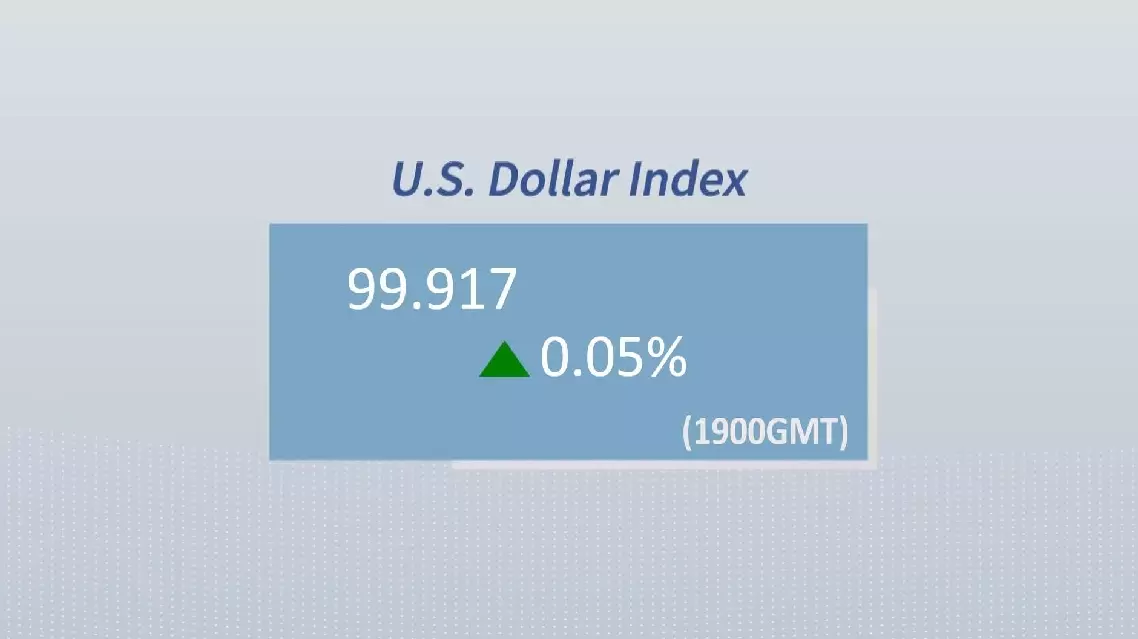
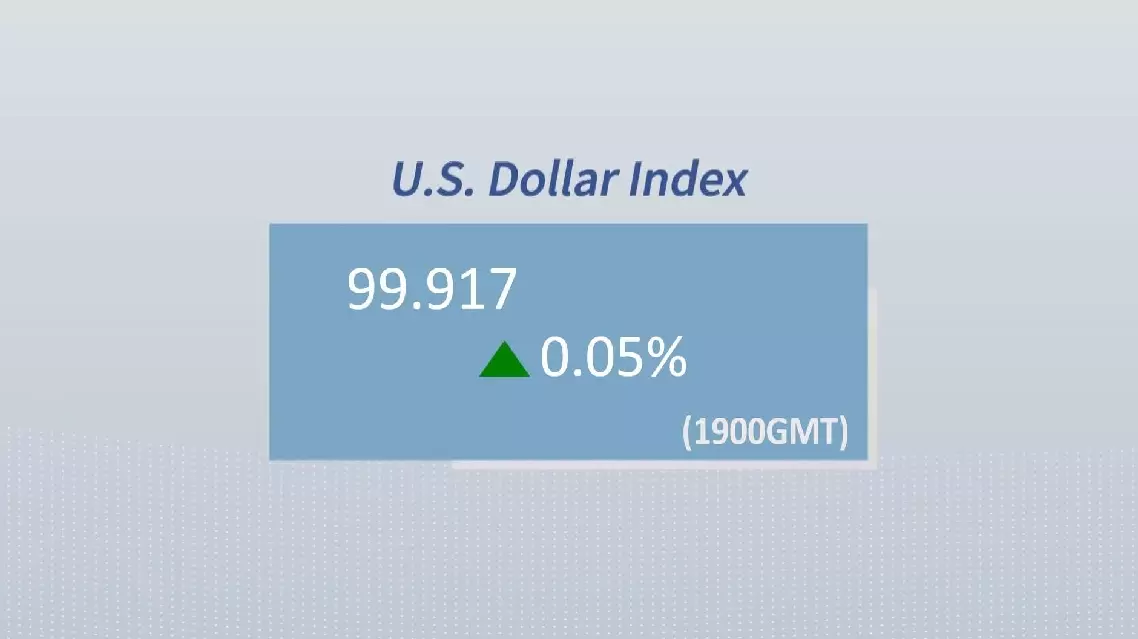
The dollar index, which measures the greenback against six major peers, gained 0.05 percent to 99.917 at 15:00. (1900 GMT).
In late New York trading, the euro lost to 1.1531 dollars from 1.1535 dollars in the previous session, and the British pound was up to 1.3482 dollars from 1.3476 dollars in the previous session.
The U.S. dollar bought 158.90 Japanese yen, lower than 158.93 Japanese yen of the previous session. The U.S. dollar increased to 0.8082 Swiss francs from 0.8040 Swiss francs, and it added to 1.4019 Canadian dollars from 1.3996 Canadian dollars. The U.S. dollar advanced to 9.5193 Swedish kronor from 9.5189 Swedish kronor.
U.S. dollar ticks up
U.S. dollar ticks up
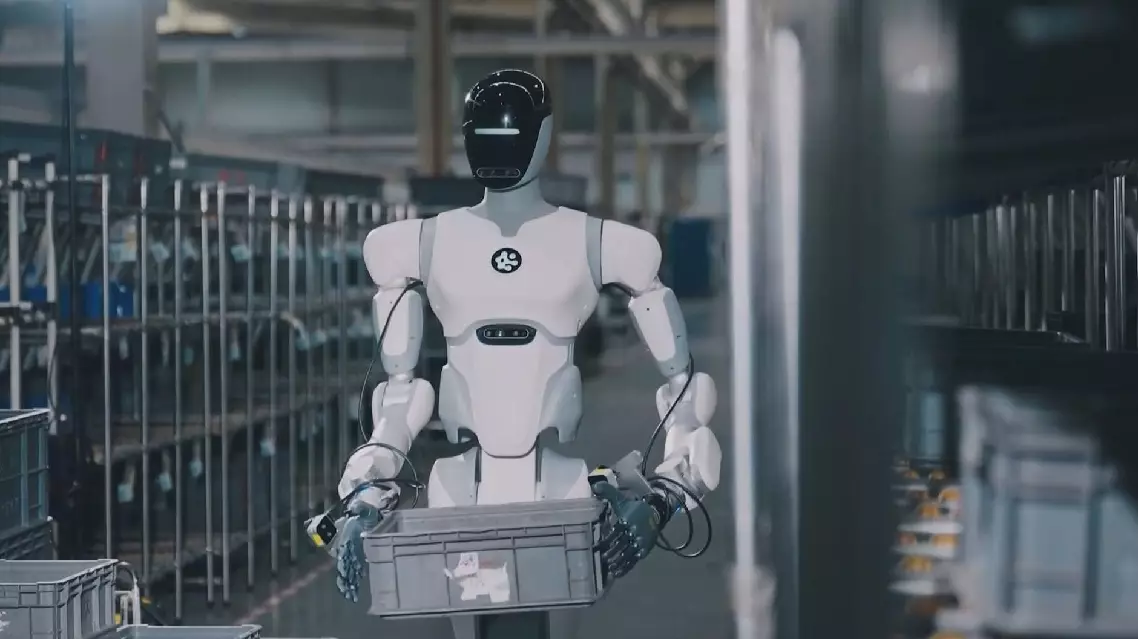
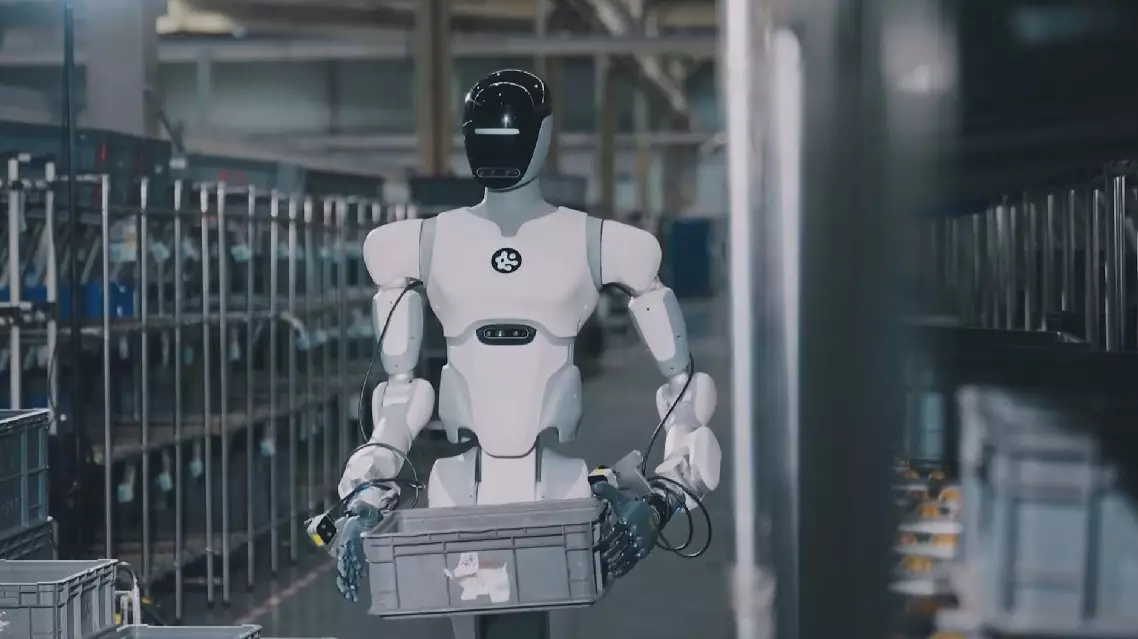
China needs to continuously improve intellectual property system to support the future industries, said an expert on development planning after the country's top intellectual property regulator announced to further strengthen intellectual property protection.
The National Intellectual Property Administration (CNIPA) of China told a press conference on Wednesday that the plan for intellectual property rights (IPR) protection and utilization for the 15th Five-Year Plan period (2026-2030) will be implemented in the near future. It will serve the country's development priorities across all aspects of IPR, including creation, protection, utilization, management, services and international cooperation.
The protection of IPR will be central to fostering comprehensive innovation, high-quality development, and high-standard opening up, as well as economic and social development, according to the CNIPA.
Dong Yu, executive deputy dean of China Institute for Development Planning in Tsinghua University, voiced his support for the CNIPA policy in a recent interview with the China Media Group.
Dong said that, on the one hand, artificial intelligence (AI) should be used in scientific and technological innovation to unlock its potential, and on the other hand, the regulatory framework should be refined to address issues such as IP ownership, recognition of results, and risk prevention.
"We are not simply rejecting or fully embracing [AI]. We need to figure out which areas and links the technology can play a greater role in. We want AI to contribute more to scientific and technological progress, while also preventing corresponding risks," said Dong.
In the digital economy, data has become critical for innovation. Yet issues of ownership, rights protection, and the circulation of data held by platform enterprises remain unresolved.
The plan also explores data IP protection rules to address these challenges.
"Aspects like data definition, trading, and other links all need institutional designs, and the latest plan has made forward-looking arrangements for these issues. It will provide ample space for the development of the data market, the circulation of data, and the growth of data as a factor of production," Dong said.
China needs to continuously improve intellectual property system to support future industries: expert
China needs to continuously improve intellectual property system to support future industries: expert