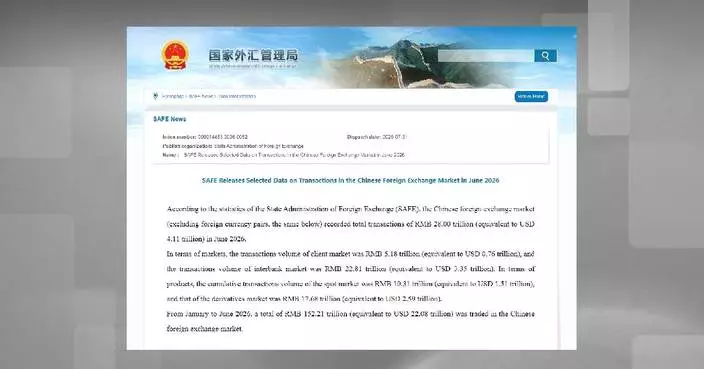
Yemen's Humanitarian Operations Coordination Center (HOCC), which is set up by the Houthis in Sanaa, issued a statement on Saturday, denying plans to levy transit tolls on most vessels sailing through the Bab al-Mandab Strait, a vital transit chokepoint connecting the Red Sea and the Gulf of Aden.
In the statement, the HOCC said the safe transit service it provides to vessels are offered at no cost, adding "All vessels outside the scope of the declared ban may transit safely."
The statement also included an email address for vessels to apply for the safe transit.
The denial comes after the Houthis announced a maritime ban on Saudi shipping on July 20 and warned international shipping companies that vessels trading with Saudi ports could face military attacks.
In a statement released on July 24, a Houthi spokesperson said the Bab al-Mandab Strait had not been closed, and that the recently announced maritime measures were limited to shipping linked to Saudi Arabia.
Located between Yemen and the Horn of Africa, the strait facilitates the passage of a significant portion of global trade, including energy supplies.
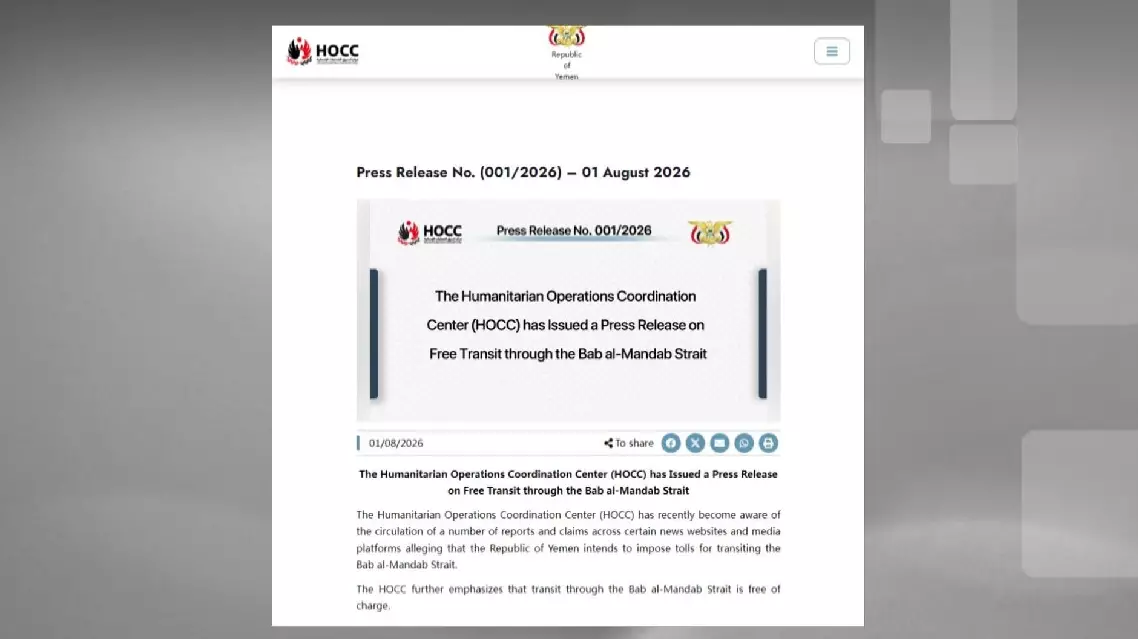
Yemen's Houthis deny plans to charge fees on ships sailing through Bab al-Mandab Strait
China's foreign exchange regulator has rolled out new rules to ease access to domestic foreign-currency loans, a move aimed at streamlining financing for domestic exporters and reducing administrative burdens on businesses.
The State Administration of Foreign Exchange (SAFE) issued the notice on further improving the management of domestic foreign exchange loans on Friday, with the new provisions set to come into effect on Oct 1, 2026.
Under the revised framework, eligible domestic foreign-currency loans backed by goods or services trade exports may now be directly credited to businesses' current foreign exchange settlement accounts. Previously, such loans were subject to more restrictive account management.
The notice also simplifies forex settlement and repayment procedures. Loan settlement is now managed based on the underlying transaction background, rather than through blanket restrictions.
Repayment requirements will also be streamlined. Borrowers can now purchase foreign exchange directly at banks to repay domestic forex loans by presenting authentic supporting documents, eliminating prior administrative approval requirements.
Li Liuyang, head of forex research at the China International Capital Corporation Limited (CICC), said the changes are expected to deliver tangible benefits to domestic exporters.
Under the previous rules, domestic foreign-currency loans were generally not allowed to be settled into the Chinese yuan, but the new regulation extends the settlement eligibility to forex loans backed by goods or services exports, where export proceeds serve as the primary repayment source, he explained.
The move is part of China's broader efforts to support the real economy and facilitate cross-border trade.
The notice is also consistent with a series of incremental reforms introduced by SAFE in recent years, including the expansion of cross-border trade facilitation pilots and the relaxation of forex settlement rules for multinational corporations.
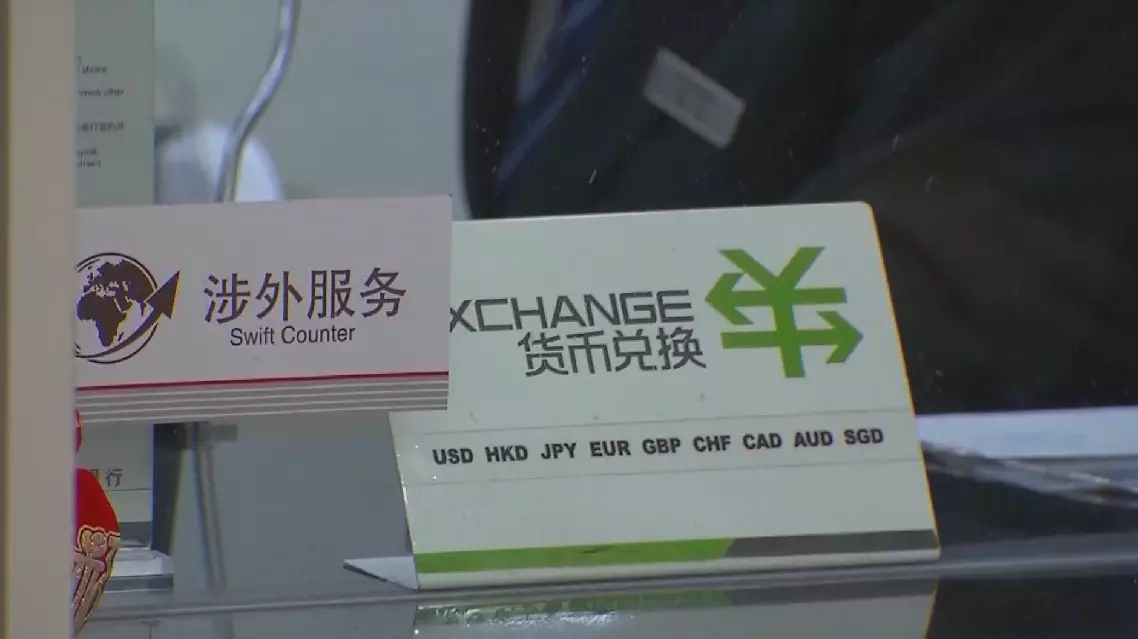
China eases forex loan rules to boost exporters, cut red tape