Hikawa town, one of the hardest-hit areas in a powerful earthquake in southern Japan's Kumamoto Prefecture, is grappling with a crippling combination of scorching heat and severed utilities days after the tremor.
Many residents there are still unable to return home as water and electricity supplies remained largely unrepaired as of Friday after the earthquake with a magnitude of 7.1 jolted Kumamoto at 16:27 local time on Tuesday. The quake killed at least 35 people.
"In my case, there has been no water and no electricity all along. It felt like being stuck in a sweltering room. I made sure to be extra careful not to let myself get heatstroke, " said a local resident who drove to a store to buy some daily necessities.
Roads in Hikawa are still being repaired, and most supermarkets remain closed. However, a few shops have tried to reopen.
"We've tidied up inside a bit, but conditions are still poor. Some staff members have suffered damage to their own homes, but they came in to help. Little by little, we are getting the store back in order," said a store employee.
Another resident, whose neighborhood has had power restored but there is still no water, described the inconvenience.
"The power has come back on, but the water supply hasn't been restored yet. I can only wash dishes with water I get from the relief distribution point, little by little. It's very inconvenient," he said.
Recovery efforts are ongoing, but with fragile infrastructure and persisting high temperatures, local authorities continue to urge caution and are prioritizing the restoration of essential services.
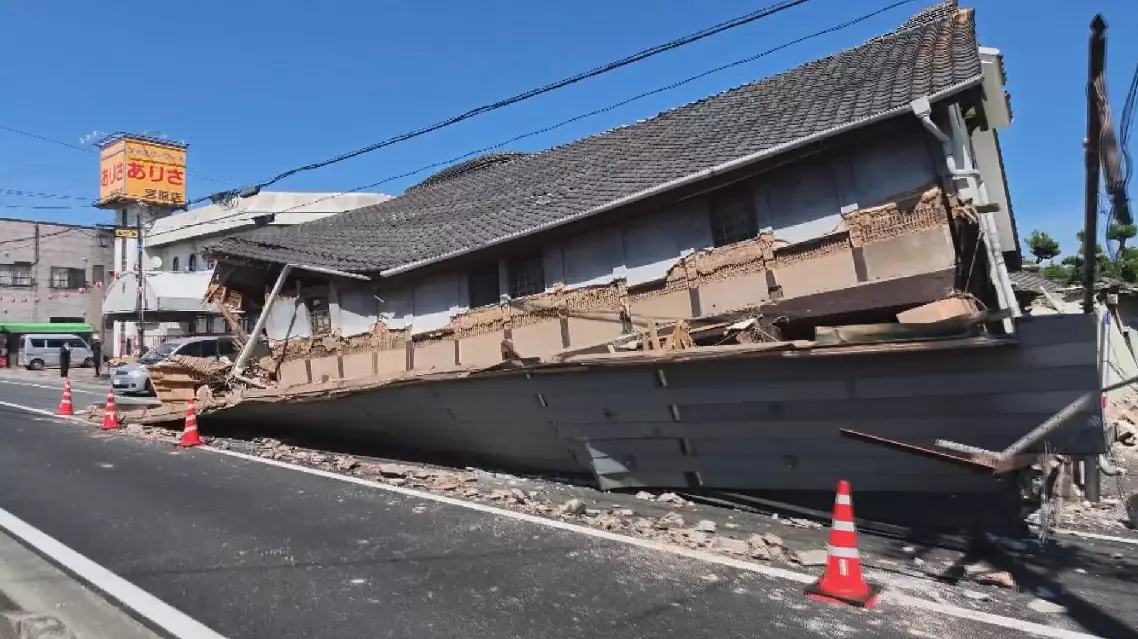
Residents of quake-hit area in Japan left without water, electricity
China needs to continuously improve intellectual property system to support the future industries, said an expert on development planning after the country's top intellectual property regulator announced to further strengthen intellectual property protection.
The National Intellectual Property Administration (CNIPA) of China told a press conference on Wednesday that the plan for intellectual property rights (IPR) protection and utilization for the 15th Five-Year Plan period (2026-2030) will be implemented in the near future. It will serve the country's development priorities across all aspects of IPR, including creation, protection, utilization, management, services and international cooperation.
The protection of IPR will be central to fostering comprehensive innovation, high-quality development, and high-standard opening up, as well as economic and social development, according to the CNIPA.
Dong Yu, executive deputy dean of China Institute for Development Planning in Tsinghua University, voiced his support for the CNIPA policy in a recent interview with the China Media Group.
Dong said that, on the one hand, artificial intelligence (AI) should be used in scientific and technological innovation to unlock its potential, and on the other hand, the regulatory framework should be refined to address issues such as IP ownership, recognition of results, and risk prevention.
"We are not simply rejecting or fully embracing [AI]. We need to figure out which areas and links the technology can play a greater role in. We want AI to contribute more to scientific and technological progress, while also preventing corresponding risks," said Dong.
In the digital economy, data has become critical for innovation. Yet issues of ownership, rights protection, and the circulation of data held by platform enterprises remain unresolved.
The plan also explores data IP protection rules to address these challenges.
"Aspects like data definition, trading, and other links all need institutional designs, and the latest plan has made forward-looking arrangements for these issues. It will provide ample space for the development of the data market, the circulation of data, and the growth of data as a factor of production," Dong said.
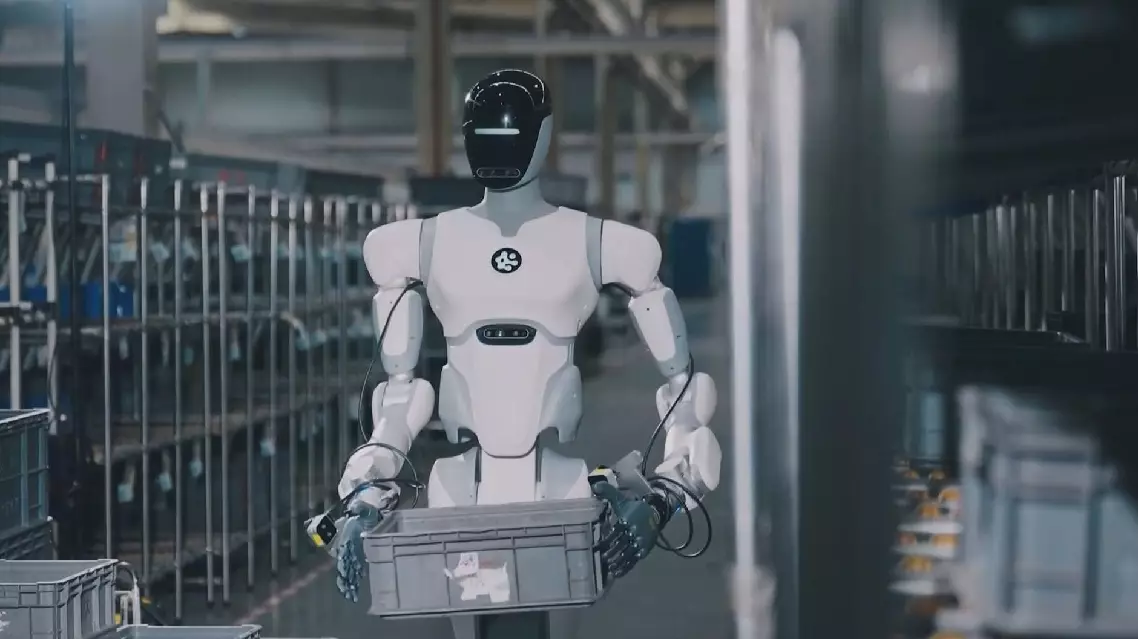
China needs to continuously improve intellectual property system to support future industries: expert
China needs to continuously improve intellectual property system to support future industries: expert