The Chinese People's Liberation Army (PLA) Southern Theater Command conducted a joint naval-air training exercise in the territorial sea and airspace of China's Huangyan Dao and its surrounding areas on Saturday, said an official statement.
The theater command noted in the statement that it is a necessary action taken in light of the current situation in the South China Sea and in response to the acts of certain countries within the region that have undermined regional peace and stability.
The training exercise aims to test and enhance the forces' real combat capabilities to safeguard China's territorial sovereignty and maritime rights and interests, the theater command added.

PLA conducts joint naval-air training exercise at Huangyan Dao
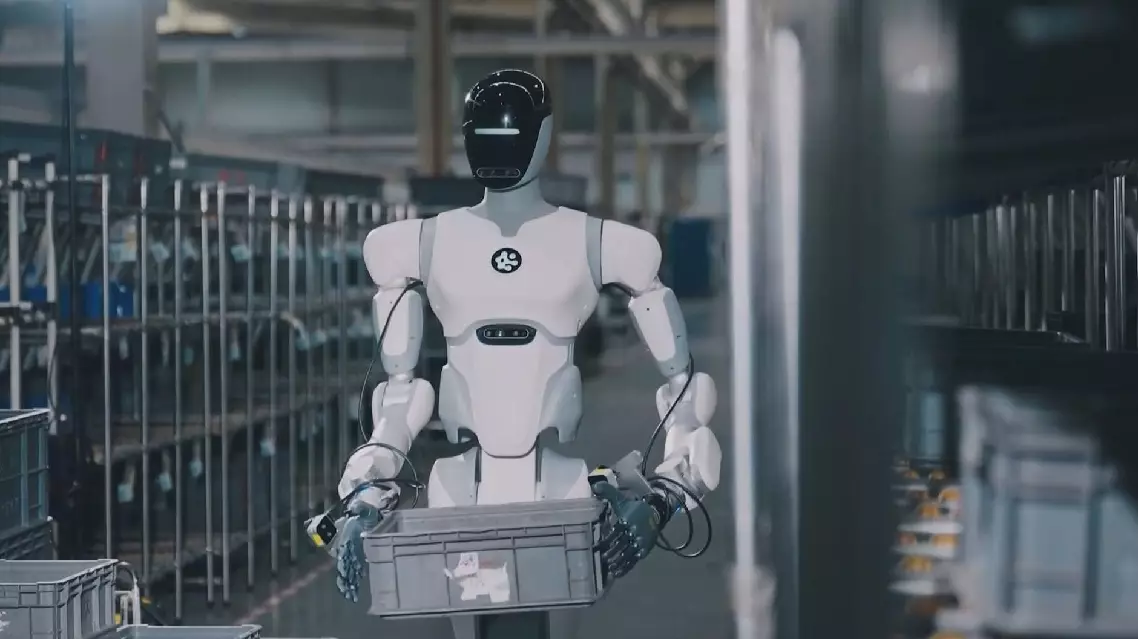
China needs to continuously improve intellectual property system to support the future industries, said an expert on development planning after the country's top intellectual property regulator announced to further strengthen intellectual property protection.
The National Intellectual Property Administration (CNIPA) of China told a press conference on Wednesday that the plan for intellectual property rights (IPR) protection and utilization for the 15th Five-Year Plan period (2026-2030) will be implemented in the near future. It will serve the country's development priorities across all aspects of IPR, including creation, protection, utilization, management, services and international cooperation.
The protection of IPR will be central to fostering comprehensive innovation, high-quality development, and high-standard opening up, as well as economic and social development, according to the CNIPA.
Dong Yu, executive deputy dean of China Institute for Development Planning in Tsinghua University, voiced his support for the CNIPA policy in a recent interview with the China Media Group.
Dong said that, on the one hand, artificial intelligence (AI) should be used in scientific and technological innovation to unlock its potential, and on the other hand, the regulatory framework should be refined to address issues such as IP ownership, recognition of results, and risk prevention.
"We are not simply rejecting or fully embracing [AI]. We need to figure out which areas and links the technology can play a greater role in. We want AI to contribute more to scientific and technological progress, while also preventing corresponding risks," said Dong.
In the digital economy, data has become critical for innovation. Yet issues of ownership, rights protection, and the circulation of data held by platform enterprises remain unresolved.
The plan also explores data IP protection rules to address these challenges.
"Aspects like data definition, trading, and other links all need institutional designs, and the latest plan has made forward-looking arrangements for these issues. It will provide ample space for the development of the data market, the circulation of data, and the growth of data as a factor of production," Dong said.
China needs to continuously improve intellectual property system to support future industries: expert
China needs to continuously improve intellectual property system to support future industries: expert