Skip to Content Facebook Feature Image

'I just want a chance': Moroccans sought better future in collective crossing to Spain territory

News

'I just want a chance': Moroccans sought better future in collective crossing to Spain territory
News

News

'I just want a chance': Moroccans sought better future in collective crossing to Spain territory

2026-08-01 12:30 Last Updated At:12:40

CEUTA, Spain (AP) — When he heard the border had been breached, Abdulah Buji jumped on his motorbike and raced from his home in northern Morocco toward Ceuta, joining tens of thousands of people trying to swim into the tiny Spanish territory in North Africa.

Like many of his fellow countrymen, Buji was inspired by the thought that this collective crossing could somehow unlock his dream of reaching Spain and starting a new life in Europe.

More Images
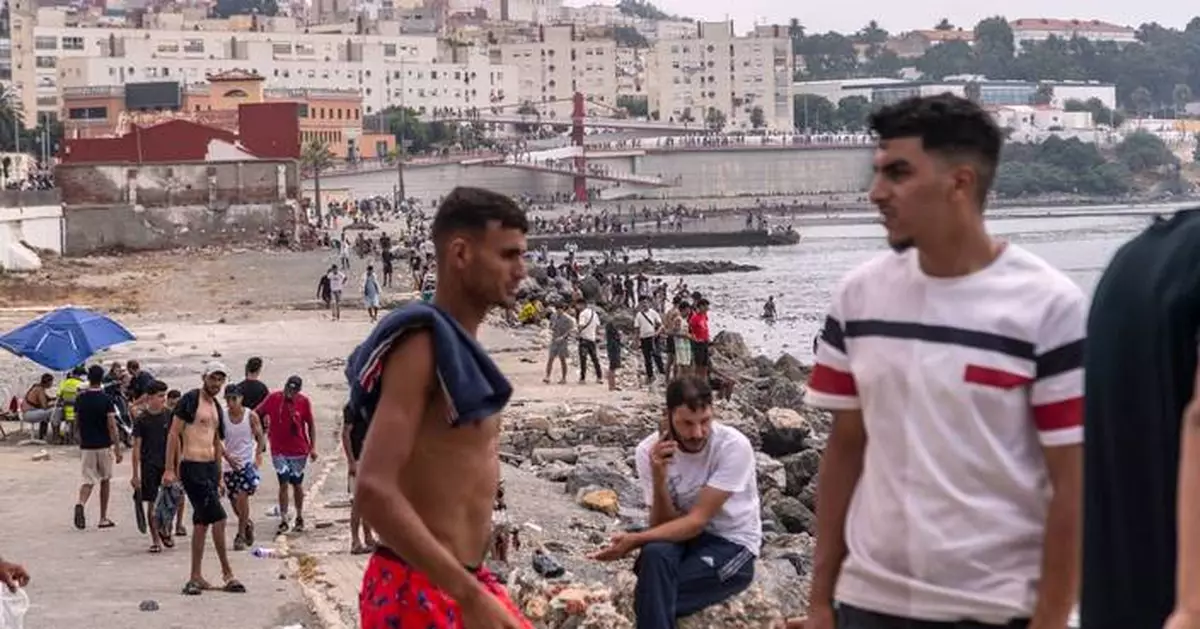
Migrants return to Morocco from the Spanish enclave of Ceuta, Friday, July 31, 2026. (AP Photo/Antonio Sempere)
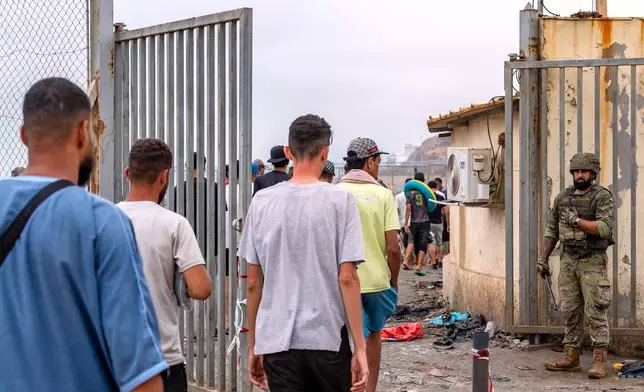
Migrants return to Morocco from the Spanish enclave of Ceuta, Friday, July 31, 2026. (AP Photo/Antonio Sempere)
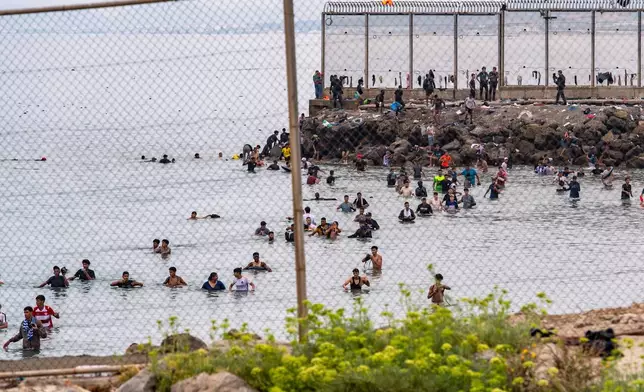
Migrants return to Morocco from the Spanish enclave of Ceuta, Friday, July 31, 2026. (AP Photo/Antonio Sempere)

Migrants return to Morocco from the Spanish enclave of Ceuta, Friday, July 31, 2026. (AP Photo/Antonio Sempere)

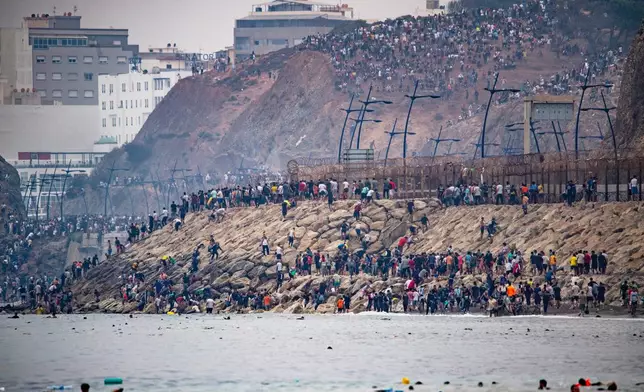
Migrants try to cross from Morocco into the Spanish enclave of Ceuta, Friday, July 31, 2026. (AP Photo/Antonio Sempere)

Migrants try to cross from Morocco into the Spanish enclave of Ceuta, Friday, July 31, 2026. (AP Photo/Antonio Sempere)

A migrant swims back to Morocco from the Spanish enclave of Ceuta on Friday 31 July 2026. (AP Photo/Antonio Sempere)
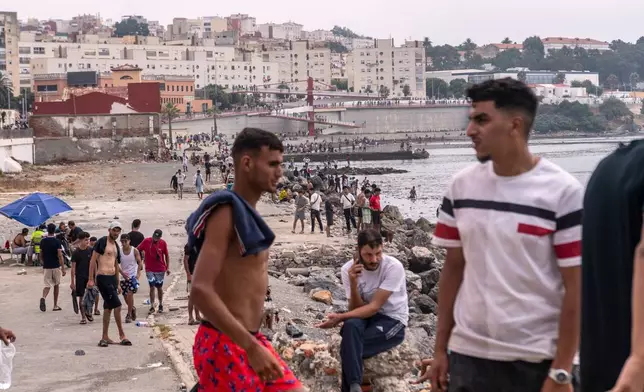
A migrant swims back to Morocco from the Spanish enclave of Ceuta on Friday 31 July 2026. (AP Photo/Antonio Sempere)

Migrants return to Morocco from the Spanish enclave of Ceuta, Friday, July 31, 2026. (AP Photo/Antonio Sempere)

Migrants return to Morocco from the Spanish enclave of Ceuta, Friday, July 31, 2026. (AP Photo/Antonio Sempere)

“Spain gives you the chance to make your future, not like Morocco,” said Buji, a 21-year-old who is studying to be a teacher. “I am a talented boy. I just want a chance.”

But his elation at setting foot on Spanish soil was quickly followed by the disheartening realization that he was still far from his ultimate goal. Mainland Europe rested across the Mediterranean, and he and the new arrivals were unwanted. Spanish authorities ordered everyone to turn around and go back or face eventual expulsion.

Buji said he almost joined more than 50 people who died trying to reach Ceuta while swimming around a border fence. He made it across, but he lost his belongings and money in the crossing. When he realized that he would likely face legal limbo and detention, he turned around and headed back.

“I’ve spent perhaps 14 years studying, but there’s nothing at home, and I’d have to work 12-hour shifts for a meager wage,” Buji told The Associated Press. “That’s why I came here, but I haven’t found any opportunities here either, so I have to go back.”

Of the 60,000 people who crossed between Thursday and Friday morning, some 45,000 had returned to Moroccan territory within hours after many spent the night on the streets of Ceuta amid startled locals and armed Spanish police and soldiers.

The massive influx of people, which totaled 70% of Ceuta’s resident population, sparked calls by local Spanish authorities for police and the army to establish order. Locals were concerned by the thousands of mostly young men aimlessly walking the streets.

Ceuta’s residents recalled a similar but smaller migration crisis in 2021, when the Moroccan government dropped its border controls and let several thousand people from Morocco and sub-Saharan countries into Ceuta over two days. The city faced a much larger humanitarian crisis this time.

As the first reports and videos of migrants reaching Ceuta spread on social media, more people headed north in hopes of reaching European Union territory. Train stations in Morocco’s capital, Rabat, and in the country’s largest city, Casablanca, were crowded with people trying to travel to the border with Ceuta. Local media showed police officers preventing some of them from boarding trains and buses.

It isn’t clear what triggered the influx, but social media was awash with posts encouraging Moroccans to try to enter Ceuta days before it began, said Myriam Cherti, a senior researcher at the University of Oxford’s Centre on Migration, Policy and Society. The posts included practical information on how to cross the border and what migrants should say to increase their chances of being allowed to stay.

Cherti said some of the migrants she interviewed over the past year had lost count of the number of times they had tried to cross the border.

“They’re doing it out of despair, they’re doing it because they’ve tried other ways to build a life and failed, they’re doing it because they feel the obligation that they want to help their families and support them,” she said. “And that’s possible if they make it to Spain and not necessarily possible if they stay” in Morocco.

Ahmed Karim, 33, was among those who managed to cross into Ceuta. He doesn't have work and says the problem is compounded for many Moroccans due to the difficulty in traveling outside the country.

He said many Moroccans want to go to Europe or America, “but they don’t have the opportunity.”

Other people who crossed, however, were not coming to stay; they were searching for lost loved ones and hoping they were not among the dead.

Ikrra Khai, 33, is one of thousands of Moroccan women who regularly get temporary job permits to work on Spanish farms at harvest time.

On Friday she was in Ceuta looking for the brother of a good friend.

“I don’t know if he is dead or alive,” she said. “I have his residency card. But I don’t know where he is. I’m searching.”

Joseph Wilson reported from Barcelona, Spain. Danica Kirka in London and Akram Oubachir in Fnideq, Morocco, contributed.
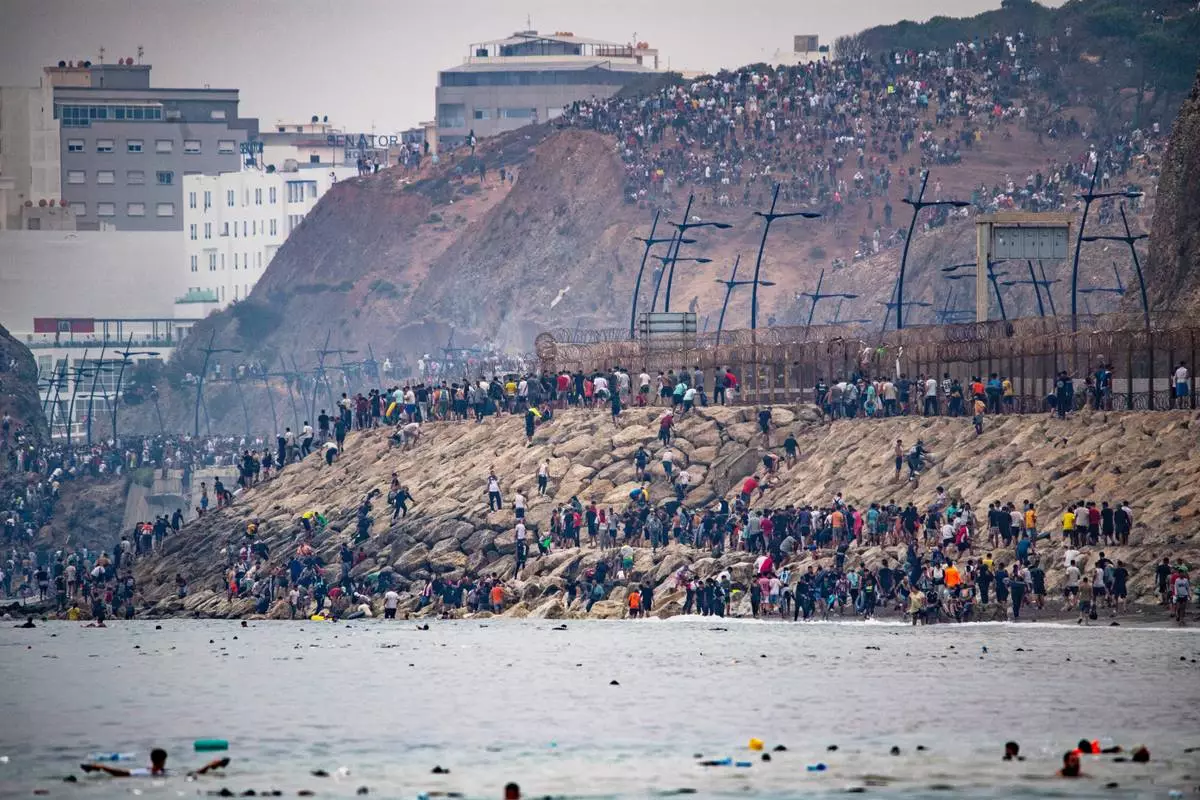
Migrants return to Morocco from the Spanish enclave of Ceuta, Friday, July 31, 2026. (AP Photo/Antonio Sempere)
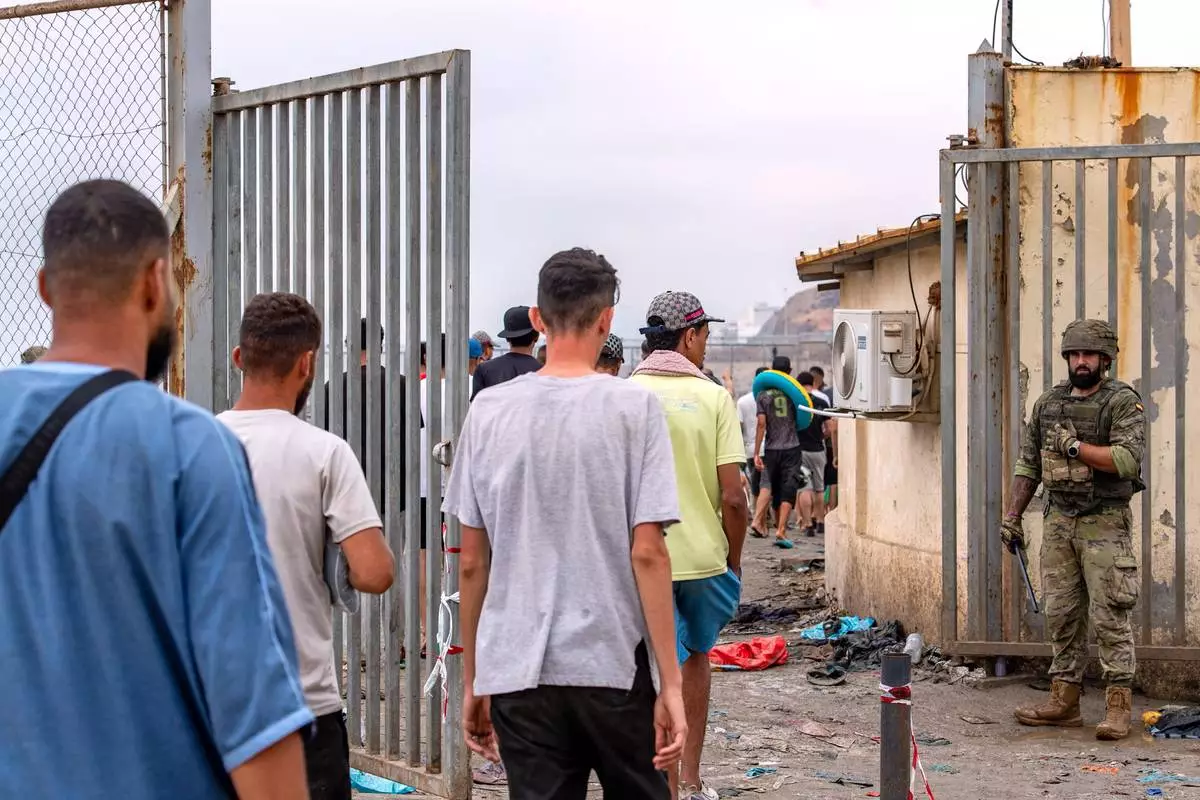
Migrants return to Morocco from the Spanish enclave of Ceuta, Friday, July 31, 2026. (AP Photo/Antonio Sempere)
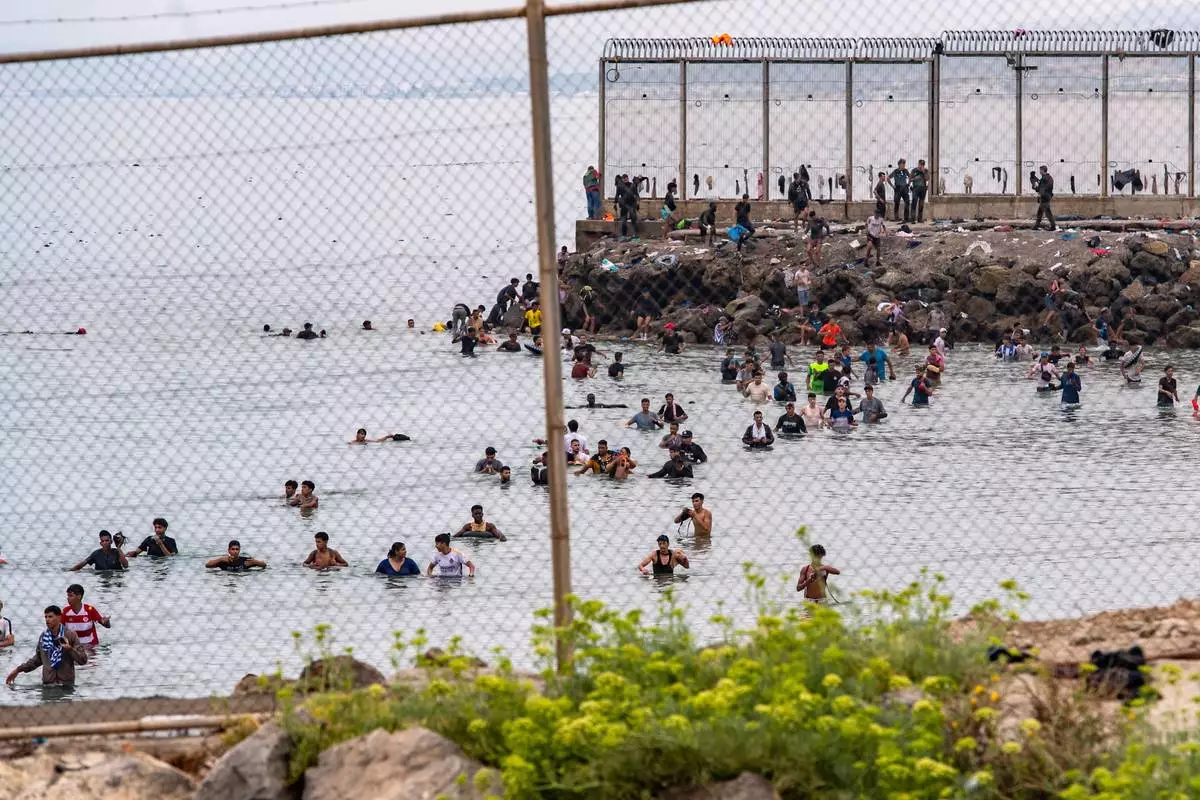
Migrants return to Morocco from the Spanish enclave of Ceuta, Friday, July 31, 2026. (AP Photo/Antonio Sempere)

Migrants return to Morocco from the Spanish enclave of Ceuta, Friday, July 31, 2026. (AP Photo/Antonio Sempere)

Migrants try to cross from Morocco into the Spanish enclave of Ceuta, Friday, July 31, 2026. (AP Photo/Antonio Sempere)
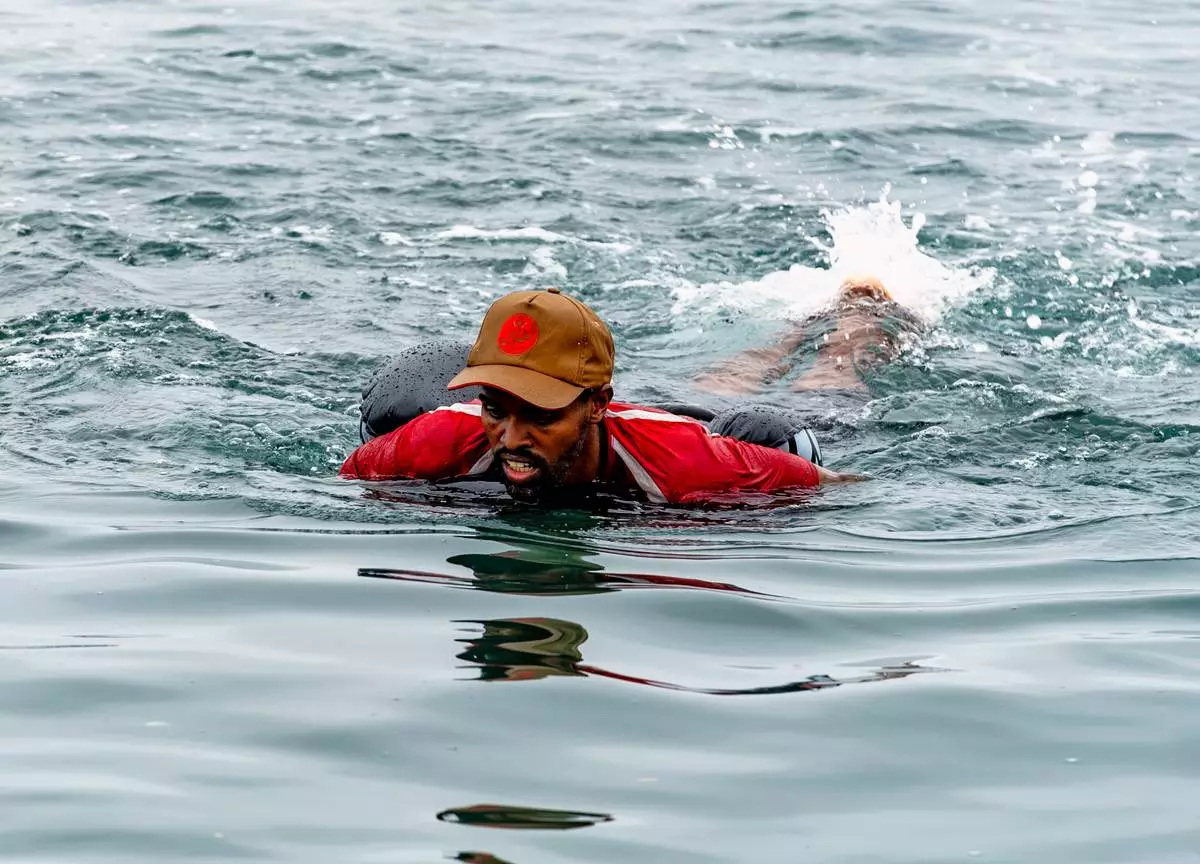
Migrants try to cross from Morocco into the Spanish enclave of Ceuta, Friday, July 31, 2026. (AP Photo/Antonio Sempere)

A migrant swims back to Morocco from the Spanish enclave of Ceuta on Friday 31 July 2026. (AP Photo/Antonio Sempere)
A migrant swims back to Morocco from the Spanish enclave of Ceuta on Friday 31 July 2026. (AP Photo/Antonio Sempere)

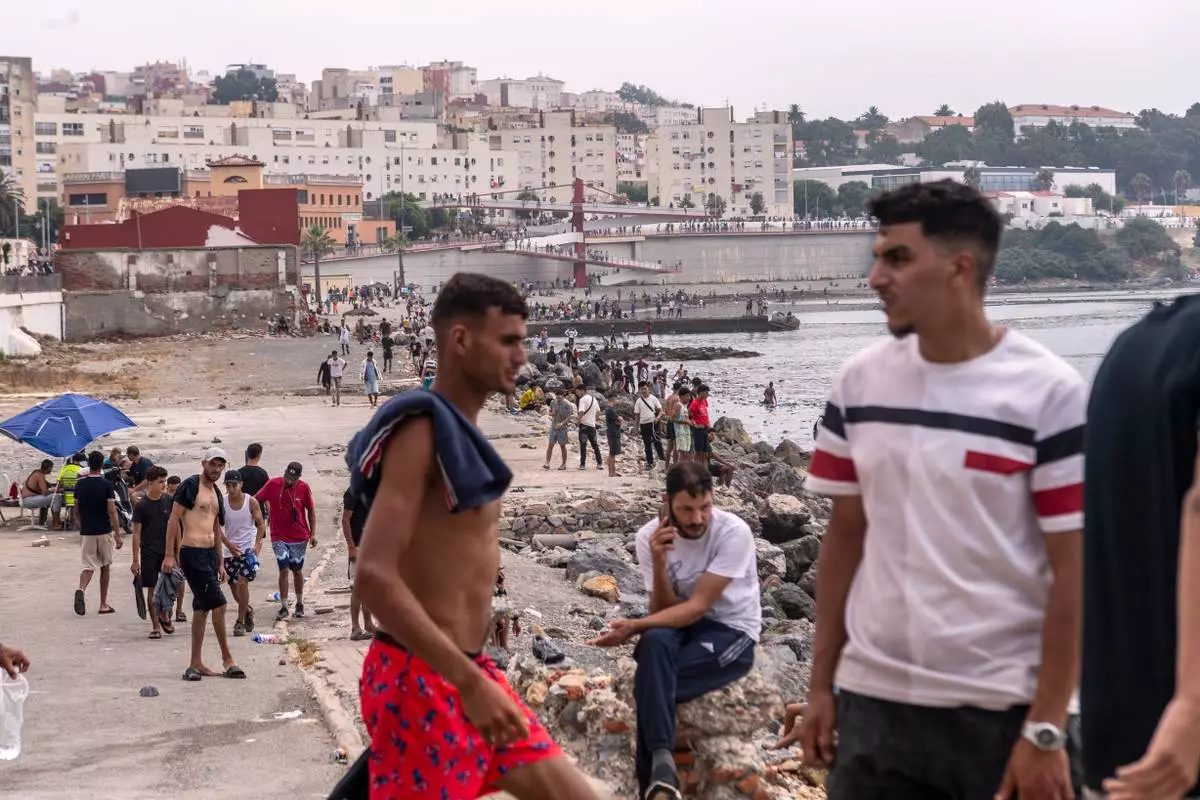
Migrants return to Morocco from the Spanish enclave of Ceuta, Friday, July 31, 2026. (AP Photo/Antonio Sempere)

Migrants return to Morocco from the Spanish enclave of Ceuta, Friday, July 31, 2026. (AP Photo/Antonio Sempere)
KYIV, Ukraine (AP) — Russia launched an intense barrage of ballistic missiles and drones overnight into Saturday, killing at least nine people and wounding 30 civilians in the Ukrainian capital Kyiv, Ukrainian authorities said.

The strikes follow a major Russian attack two days earlier that killed at least 10 people and injured more than 50 others across Ukraine, as Moscow apparently looks to exploit Kyiv’s critical shortage of Western-supplied anti-ballistic missile defenses. The relentless cycle of attacks dims the potential of reaching a diplomatic end to Russia’s more than 4-year-old invasion of its neighbor.

Russia’s defense ministry said Saturday it had launched a “massive strike” against “Ukrainian military-industrial complex facilities and logistics centers in Kyiv.”

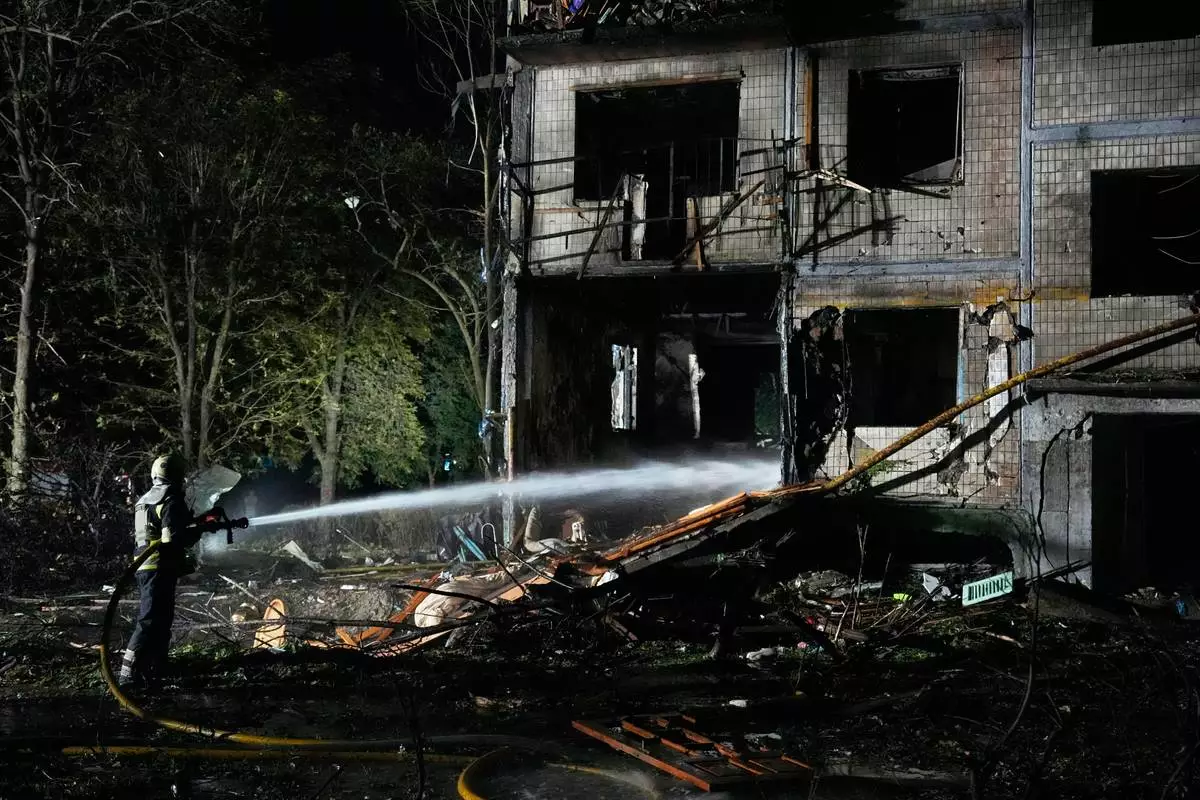
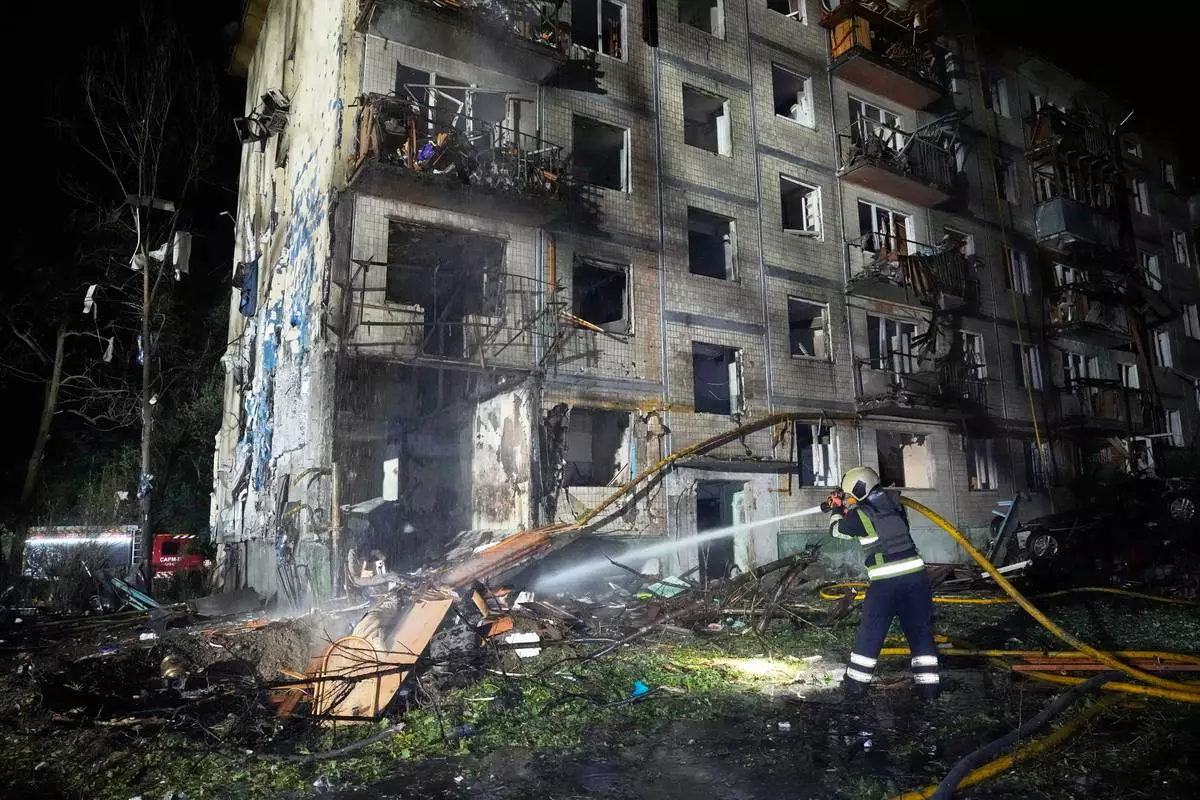
A five-story residential building in the city's Solomianskyi District was damaged by falling debris and a fire broke out. Rescue workers evacuated 35 people from the upper floors of the building and two people died, with eight reported injured, including two children, according to Ukraine’s state emergency service.

In the Darnytskyi District of Kyiv, seven people were killed and another 14 injured after the attack caused fires and damage to houses, vehicles, an administrative and non-residential building, the emergency services said.

Elsewhere, emergency workers extinguished a fire in a non-residential building in the capital’s Shevchenkivskyi district. There was no additional information about earlier reports by the district mayor that people were trapped in another residential building.

Damage to commercial and residential buildings was reported in two other city districts.

President Volodymyr Zelenskyy has pressed the United States and other Western partners over Ukraine’s need for more Patriot anti-ballistic missile defense systems to counter missile attacks from Russia.

The Ukrainian leader late Friday said he spoke to U.S. Vice President JD Vance and discussed a meeting with President Donald Trump earlier this week in Washington, which Zelenskyy described as “positive and productive.”

“The Russian air strikes on our country continue and air defense, specifically interceptors for Patriot systems against ballistic missiles, remains a top priority,” Zelenskyy said Friday in a post on Telegram.

At a NATO summit in Ankara in July, Trump said the U.S. would give Ukraine a license to make Patriot systems, but he appeared to move away from that commitment on Friday during a Cabinet meeting at the presidential retreat in Camp David, Maryland, saying he had not yet made a final decision on the matter.

From a basement shelter where she was taking cover as a second air alarm sounded for another wave, Liudmyla Nakonechna, 64, described how she was woken by loud explosions at 1:30 a.m.

“I ran into the corridor and was standing there when the bathroom door was blown off its hinges and struck me in the leg,” said Nakonechna, whose health is poor after undergoing cancer treatment. “I heard the sound of shattering glass. My balcony was covered in glass and it was completely blown apart, while the windows in my bedroom were also blown out.”

Nakonechna had not taken cover in a shelter since Russia’s full-scale invasion on Feb. 24, 2022, but the stress became too much, she said.

“It’s getting worse by the day,” Nakonechna said. “Whereas before there was an attack once every two weeks, or maybe once a week, now it happens practically every day. It is incredibly hard to bear this psychologically.”

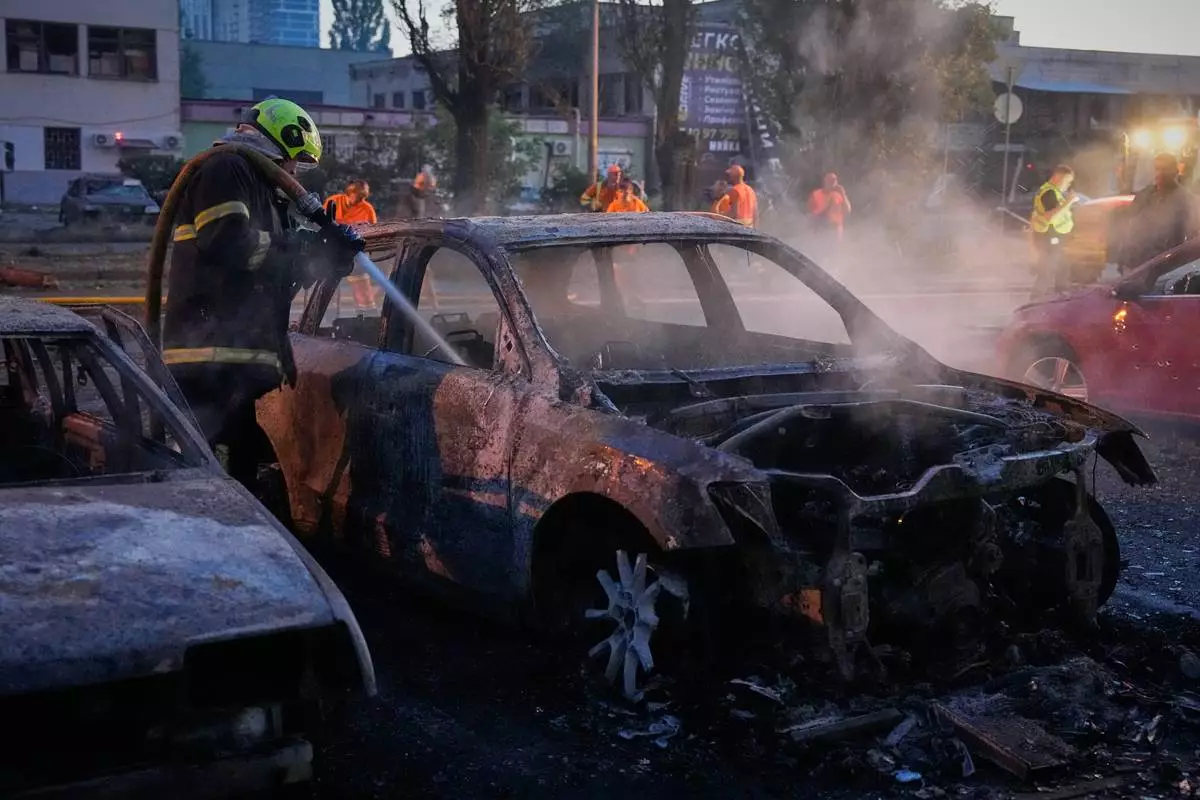
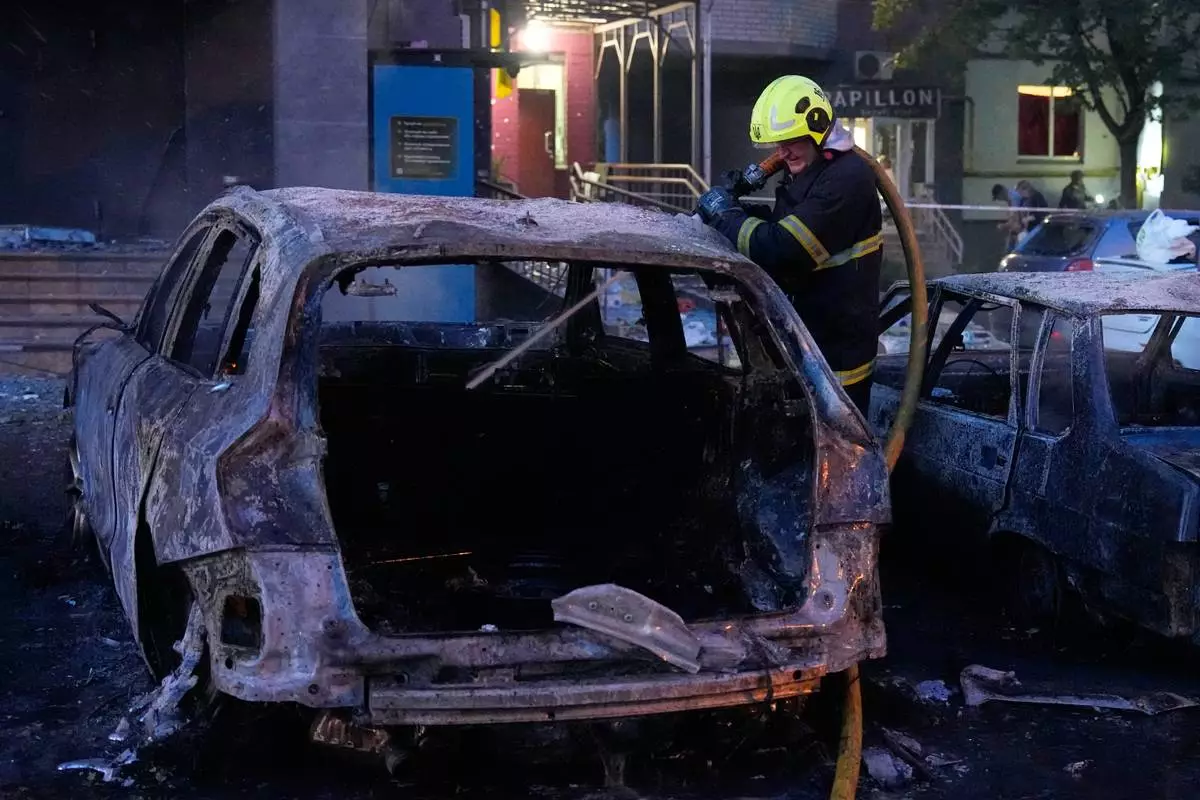
Emergency services personnel work to extinguish a fire following Russian missile attacks in Kyiv, Ukraine, Saturday, Aug. 1, 2026. (AP Photo/Efrem Lukatsky)

Emergency services personnel work to extinguish a fire following Russian missile attacks in Kyiv, Ukraine, Saturday, Aug. 1, 2026. (AP Photo/Efrem Lukatsky)

Emergency services personnel work to extinguish a fire following Russian missile attacks in Kyiv, Ukraine, Saturday, Aug. 1, 2026. (AP Photo/Efrem Lukatsky)

Emergency services personnel work to extinguish a fire following Russian missile attacks in Kyiv, Ukraine, Saturday, Aug. 1, 2026. (AP Photo/Efrem Lukatsky)

Emergency services personnel work to extinguish a fire following Russian missile attacks in Kyiv, Ukraine, Saturday, Aug. 1, 2026. (AP Photo/Efrem Lukatsky)

Emergency services personnel work to extinguish a fire following Russian missile attacks in Kyiv, Ukraine, Saturday, Aug. 1, 2026. (AP Photo/Efrem Lukatsky)

Emergency services personnel work to extinguish a fire following Russian missile attacks in Kyiv, Ukraine, Saturday, Aug. 1, 2026. (AP Photo/Efrem Lukatsky)

Emergency services personnel work to extinguish a fire following Russian missile attacks in Kyiv, Ukraine, Saturday, Aug. 1, 2026. (AP Photo/Efrem Lukatsky)

Recommended Articles