Skip to Content Facebook Feature Image

Iran says perceives every "enemy" threat as "noteworthy," denies deal on reopening Hormuz Strait

China

China

China

Iran says perceives every "enemy" threat as "noteworthy," denies deal on reopening Hormuz Strait

2026-08-03 03:02 Last Updated At:09:17

Iran's Acting Defense Minister Seyed Majid Ebn Al-Reza said Sunday that Tehran perceives every "enemy" threat as "real and noteworthy," rejecting any characterization of them as mere psychological warfare.

"We will neither be surprised nor remain passive. We use threats as a basis to increase our preparedness, strengthen our deterrence, and develop our power," Al-Reza wrote on social media platform X after U.S. President Donald Trump said earlier that he had agreed to hold off fresh attacks against Iran.

In his post on Truth Social, Trump said the United States was "locked and loaded and ready to go against the Islamic Republic of Iran, at levels of Military Terror, Strength, and Power not seen since World War II," but held off after being "asked by Iran, and other Middle Eastern Countries," citing a forthcoming deal that would include the "Immediate, Complete, and Total OPENING OF THE HORMUZ STRAIT, and an end to Iran's nuclear threat."

Earlier U.S. media reports had suggested U.S. and Israeli strikes on Iranian energy infrastructure could begin over the weekend.

Israel's Channel 12 news reported Sunday that Iranian Foreign Minister Seyed Abbas Araghchi has agreed to a Qatari-U.S.-brokered compromise deal allowing ships to enter the Gulf through the Iranian-controlled side and exit via Omani waters.

However, Iran's semi-official Fars news agency, citing a source close to the Iranian negotiating team, quickly rejected the claim.

Fars also quoted a military source as saying that as long as the U.S. "hostile and malicious acts" continue, the Strait of Hormuz will remain closed, with vessels permitted to transit only via Iran-designated routes and with the coordination and permission of the Navy of the Islamic Revolution Guard Corps.

The source warned that other routes are unsafe, adding that Iran's policies on the strategic waterway remain unchanged.

Iran tightened its grip on the strait on Feb. 28, barring safe passage of vessels belonging to or affiliated with Israel and the United States following their joint strikes on Iranian territory.

During the past days, the U.S. military launched multiple waves of strikes against Iranian targets, saying they were in response to Iranian attacks on vessels in the strait and aimed at "degrading Iran's ability to threaten commercial shipping."

Iran responded with missile and drone attacks targeting U.S. military bases and facilities in the region.
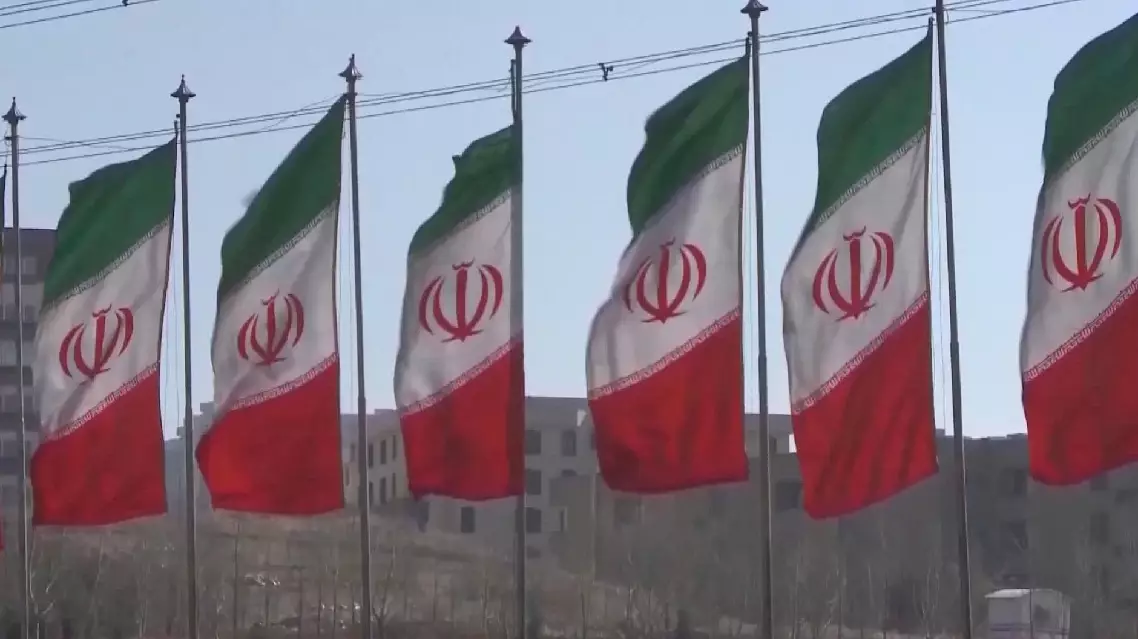
Iran says perceives every "enemy" threat as "noteworthy," denies deal on reopening Hormuz Strait

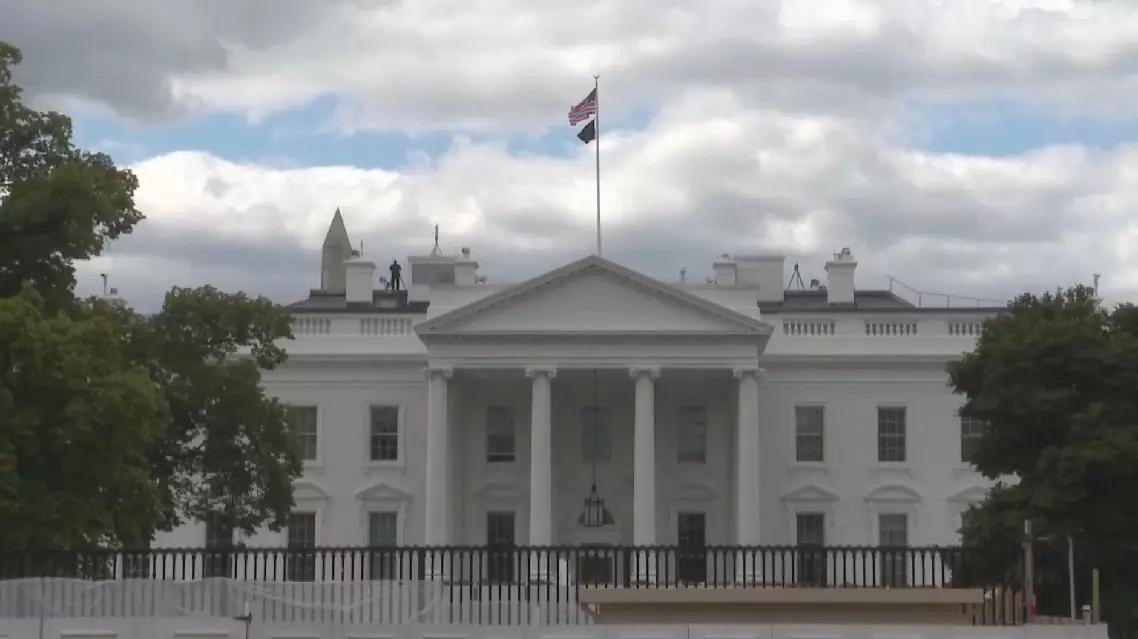
Iran says perceives every "enemy" threat as "noteworthy," denies deal on reopening Hormuz Strait
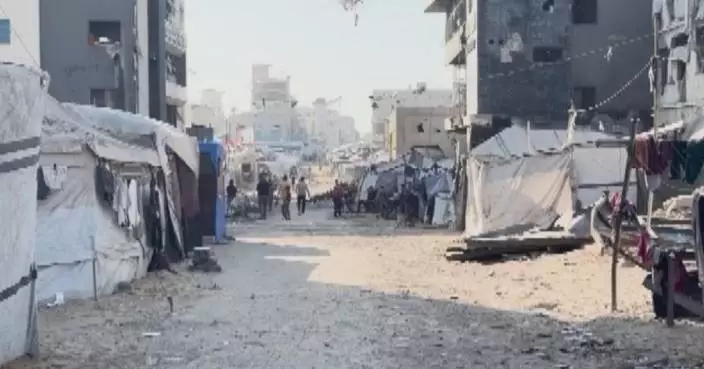
U.S. President Donald Trump said Sunday that negotiations with Iran will begin Monday afternoon, noting that Saudi Arabia, the United Arab Emirates and Qatar had asked the United States to call off planned strikes because "they think there's a deal."

"There's a deal on (the Strait of) Hormuz, and then there will be a deal on the nuclear, or you might call it the denuclearization of Iran," Trump told reporters on Air Force One en route to Joint Base Andrews.

Claiming that Iran had also asked the United States to pull back the planned strikes, Trump said that "now what we're doing is we're talking to them in the form of a negotiation."

Iranian Foreign Minister Seyed Abbas Araghchi said on Sunday that negotiations between Iran and Oman on the Strait of Hormuz are in their final stages, the official news agency IRNA reported.

Araghchi said during a cabinet meeting that the negotiations have progressed and are on the path of being finalized.

Elaborating on the Iran-Oman talks in an interview with state-run IRIB TV on Sunday, Iranian foreign ministry spokesman Esmaeil Baghaei stressed that reaching an agreement between the two countries is not related to the waterway's reopening or continued closure.

Baghaei said Iran and Oman are working to designate a "new route" in the strait within a traffic separation scheme format that can ensure both sides' sovereign rights as well as Iran's national interests and security.

Tehran tightened its grip on the strait after the United States and Israel launched joint strikes against Iran on Feb. 28.

The U.S. military launched multiple waves of strikes against Iranian targets last month, saying they were in response to Iranian attacks on vessels in the strait and aimed at "degrading Iran's ability to threaten commercial shipping."

Iran responded with missile and drone attacks targeting U.S. military bases and facilities in the region.

Trump announces talks with Iran on Monday, Iran's FM says talks with Oman on Hormuz Strait in final stages

Trump announces talks with Iran on Monday, Iran's FM says talks with Oman on Hormuz Strait in final stages

Recommended Articles