Skip to Content Facebook Feature Image

Record low Danube levels push some countries in Eastern Europe to the brink of energy emergency

News

Record low Danube levels push some countries in Eastern Europe to the brink of energy emergency
News

News

Record low Danube levels push some countries in Eastern Europe to the brink of energy emergency

2026-08-03 18:39 Last Updated At:18:57

BUDAPEST, Hungary (AP) — Numerous governments across Central and Eastern Europe are taking steps to conserve electricity and avert an energy crisis as record low water levels on the Danube River have forced power plants to the brink of shutting down.

Persistent drought and successive extreme heat waves have deprived one of Europe's largest rivers of water, pushing the Danube's levels in Hungary's capital Budapest to around 10 centimeters (4 inches) on Monday, well below the previous all-time low of 33 centimeters (13 inches) set in 2018.

More Images
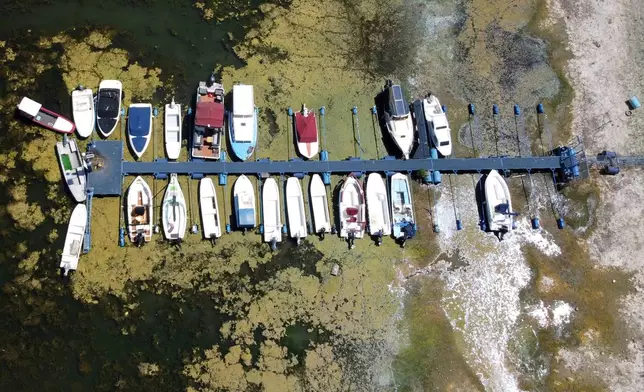
Boats sit on dry ground as water levels have dropped on the Danube River in Novi Sad, Serbia, Wednesday, July 29, 2026. (AP Photo/Darko Vojinovic)
Boats sit on dry ground as water levels have dropped on the Danube River in Novi Sad, Serbia, Wednesday, July 29, 2026. (AP Photo/Darko Vojinovic)

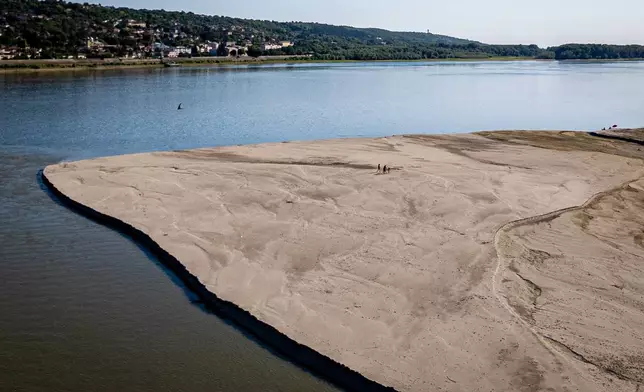
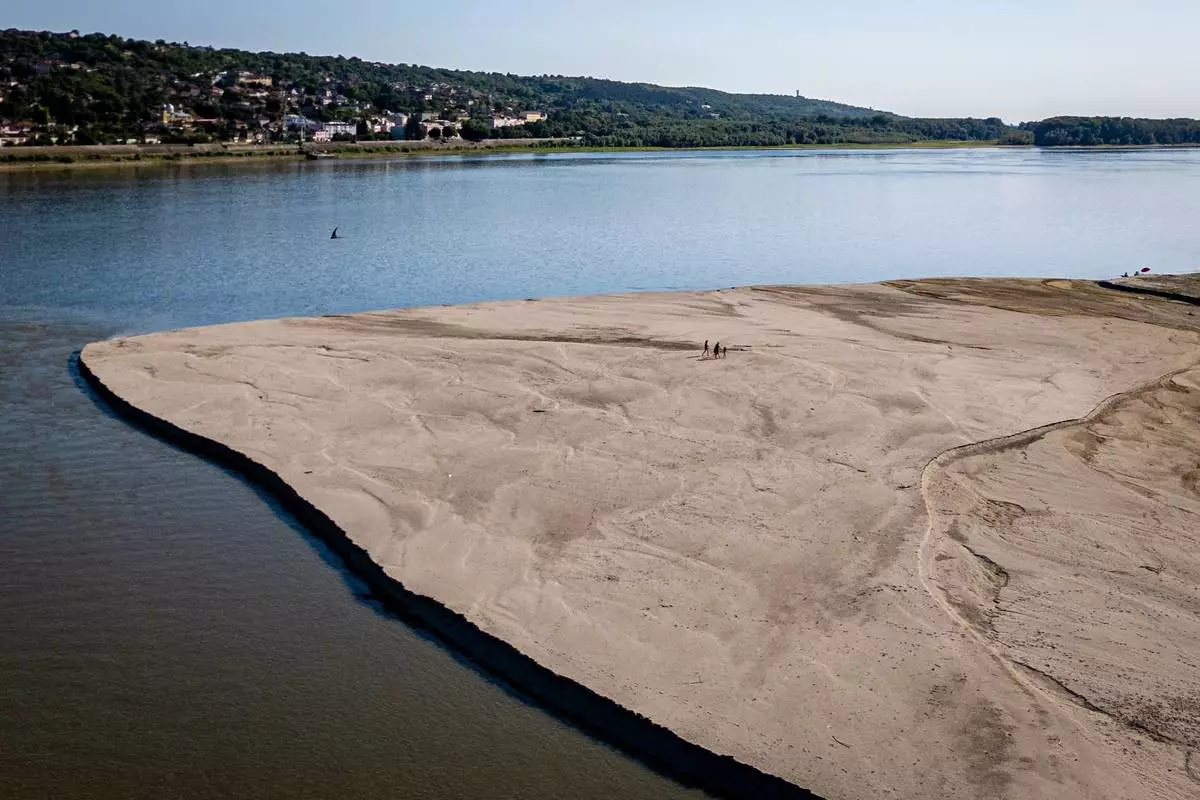
People walk on a bank of sand on the Danube River as usually submerged areas are exposed due to extreme low levels of the water following an extended period of drought in Oltenita, Romania, Saturday, Aug.1, 2026. (AP Photo/ Vadim Ghirda)
People walk on a bank of sand on the Danube River as usually submerged areas are exposed due to extreme low levels of the water following an extended period of drought in Oltenita, Romania, Saturday, Aug.1, 2026. (AP Photo/ Vadim Ghirda)

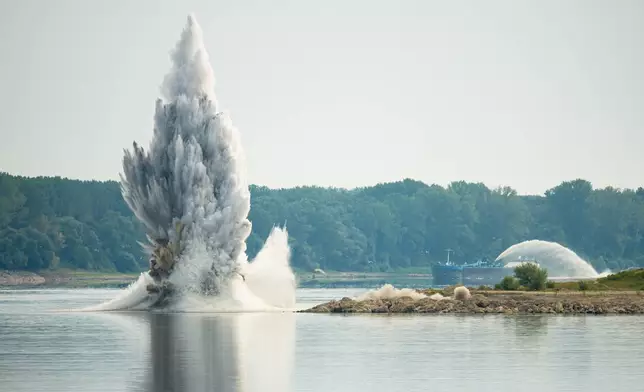
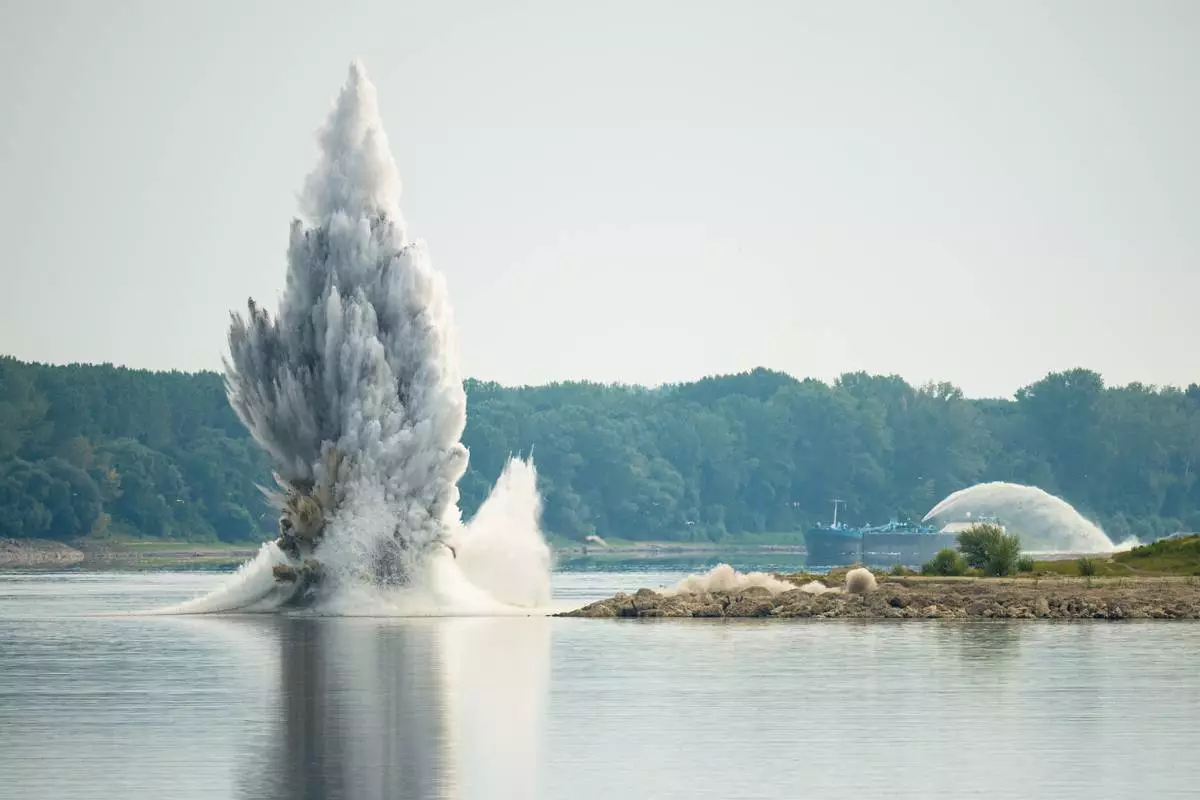
The Romanian Navy detonates underwater explosives during a controlled demolition of submerged rocks to improve water flow to the Cernavoda Nuclear Power Plant amid exceptionally low water levels on the Danube River, in Izvoarele, Romania, Monday, Aug. 3, 2026. (AP Photo/Andreea Alexandru)
The Romanian Navy detonates underwater explosives during a controlled demolition of submerged rocks to improve water flow to the Cernavoda Nuclear Power Plant amid exceptionally low water levels on the Danube River, in Izvoarele, Romania, Monday, Aug. 3, 2026. (AP Photo/Andreea Alexandru)

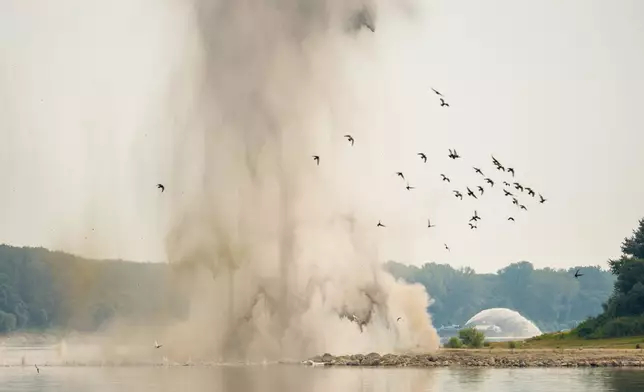
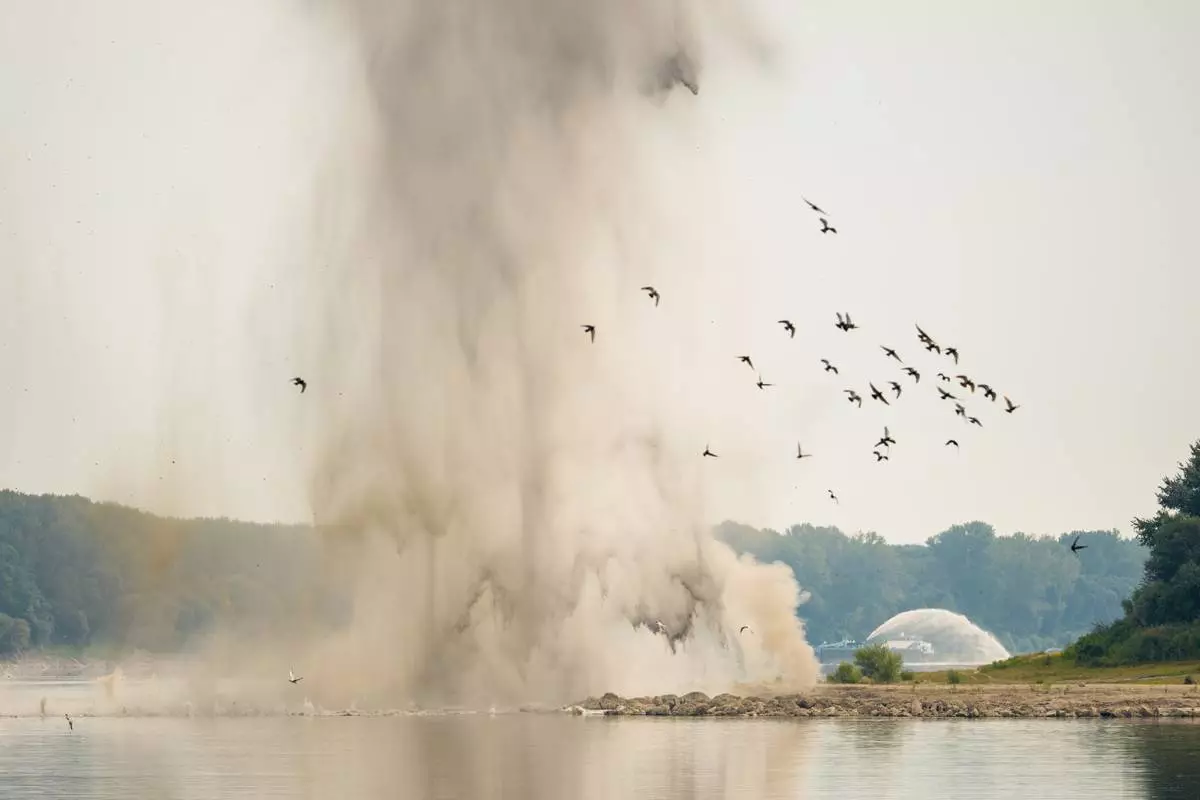
Birds fly after a controlled demolition by the Romanian Navy of submerged rocks to improve water flow to the Cernavoda Nuclear Power Plant amid exceptionally low water levels on the Danube River, in Izvoarele, Romania, Monday, Aug. 3, 2026. (AP Photo/Vadim Ghirda)
Birds fly after a controlled demolition by the Romanian Navy of submerged rocks to improve water flow to the Cernavoda Nuclear Power Plant amid exceptionally low water levels on the Danube River, in Izvoarele, Romania, Monday, Aug. 3, 2026. (AP Photo/Vadim Ghirda)

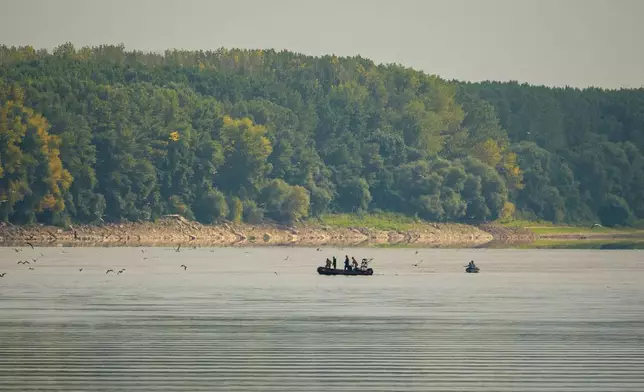
Romanian Navy EOD specialists survey the area before a controlled demolition of submerged rocks to improve water flow to the Cernavoda Nuclear Power Plant amid exceptionally low water levels on the Danube River, in Izvoarele, Romania, Monday, Aug. 3 2026. (AP Photo/ Vadim Ghirda)

Romanian Navy EOD specialists survey the area before a controlled demolition of submerged rocks to improve water flow to the Cernavoda Nuclear Power Plant amid exceptionally low water levels on the Danube River, in Izvoarele, Romania, Monday, Aug. 3 2026. (AP Photo/ Vadim Ghirda)

Water levels are not expected to rise on the Danube in the coming days or even weeks as no significant rainfall is forecast, and as a renewed extreme heat wave bears down on the region with daytime highs topping 38 Celsius (100 Fahrenheit), electricity and water use are on the rise.

The Danube's record low levels have pushed Hungary's only nuclear power plant, the Soviet-built, four-reactor plant at Paks, to the brink of powering down entirely for the first time in its 44 years in service.

The Paks plant, which uses water from the Danube to cool its reactors, on Monday was producing only 240 megawatts of power rather than the usual 2,000 due to successive power-downs of its four reactors.

In video posted to Facebook on Monday, Hungarian Prime Minister Péter Magyar said engineers had managed to keep the plan’s final operating turbine temporarily running, averting an expected shutdown on the weekend. A full power-down will likely only happen on Tuesday or Wednesday, Magyar said.

“This is very good news, because the complete shutdown of the Paks power plant can still be avoided, at least temporarily, on one of the biggest consumption days,” he said.

The Paks plant, located around 90 kilometers (55 miles) south of Budapest, accounts for nearly half of Hungary’s electricity production and around a third of its consumption. Hungary has relied on regional electricity imports as well as renewable sources to try to make up for the deficit from the Paks plant.

Hungary’s government last week asked major industrial users to curb their electricity consumption and sought voluntary savings from households in order to conserve supply, particularly in peak demand hours between 5 p.m. and 10 p.m.

It also announced that electric-powered freight trains would not be permitted to run during peak hours beginning on Monday in order to conserve an estimated 70 to 90 megawatt-hours of electricity per day.

While conservation measures were initially voluntary, Magyar’s government on Saturday issued a decree allowing for them to be made mandatory for large industrial or commercial consumers.

He said Monday that the conservation push had resulted in 700 fewer megawatts of electricity being used the previous day, and thanked Hungarians for their efforts.

Meanwhile, plants in neighboring countries have also seen dramatic drops in power generation, as well as disruptions to shipping and agriculture.

Romania’s military on Monday used 180 kilograms (397 pounds) of explosives to blast rock near the lower Danube’s Bala Canal in an effort to redirect water into the river’s main channel and toward the state-owned Cernavoda nuclear power plant.

The Danube's water flow has fallen to 1,500 cubic meters per second in Romania, less than a third of its July average. Authorities have already shut down one reactor unit at the Cernavoda plant, which is operating at about half its normal capacity.

Acting Prime Minister Ilie Bolojan announced a nationwide state of alert in the energy sector on Friday, and warned that the Danube’s low water levels threatened the shutdown of Cernavoda’s second reactor. He appealed to citizens to voluntarily limit electricity usage in peak evening hours.

In Serbia, record-low Danube levels have pushed the country’s key hydroelectric plant to operate with only 20% of its capacity, prompting Prime Minister Djuro Macut to preside over an emergency meeting on Monday focusing on energy problems.

Macut appealed to residents to “minimize the use of big consumers of electricity in their homes, such as air conditioners.” He described the situation in a statement late on Sunday as “serious and demanding.”

Associated Press writers Jovana Gec in Belgrade, Serbia, and Stephen McGrath in Leamington Spa, England, contributed to this report.
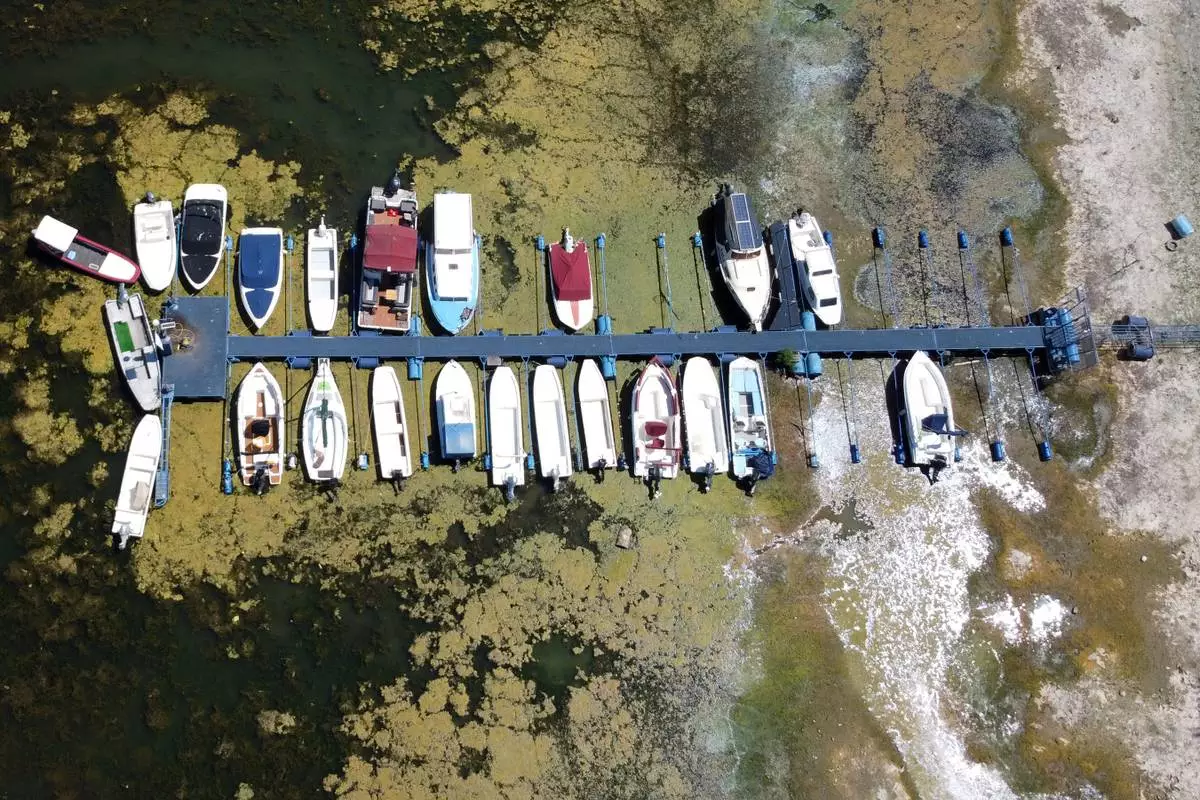
Boats sit on dry ground as water levels have dropped on the Danube River in Novi Sad, Serbia, Wednesday, July 29, 2026. (AP Photo/Darko Vojinovic)
Boats sit on dry ground as water levels have dropped on the Danube River in Novi Sad, Serbia, Wednesday, July 29, 2026. (AP Photo/Darko Vojinovic)

People walk on a bank of sand on the Danube River as usually submerged areas are exposed due to extreme low levels of the water following an extended period of drought in Oltenita, Romania, Saturday, Aug.1, 2026. (AP Photo/ Vadim Ghirda)
People walk on a bank of sand on the Danube River as usually submerged areas are exposed due to extreme low levels of the water following an extended period of drought in Oltenita, Romania, Saturday, Aug.1, 2026. (AP Photo/ Vadim Ghirda)

The Romanian Navy detonates underwater explosives during a controlled demolition of submerged rocks to improve water flow to the Cernavoda Nuclear Power Plant amid exceptionally low water levels on the Danube River, in Izvoarele, Romania, Monday, Aug. 3, 2026. (AP Photo/Andreea Alexandru)
The Romanian Navy detonates underwater explosives during a controlled demolition of submerged rocks to improve water flow to the Cernavoda Nuclear Power Plant amid exceptionally low water levels on the Danube River, in Izvoarele, Romania, Monday, Aug. 3, 2026. (AP Photo/Andreea Alexandru)

Birds fly after a controlled demolition by the Romanian Navy of submerged rocks to improve water flow to the Cernavoda Nuclear Power Plant amid exceptionally low water levels on the Danube River, in Izvoarele, Romania, Monday, Aug. 3, 2026. (AP Photo/Vadim Ghirda)
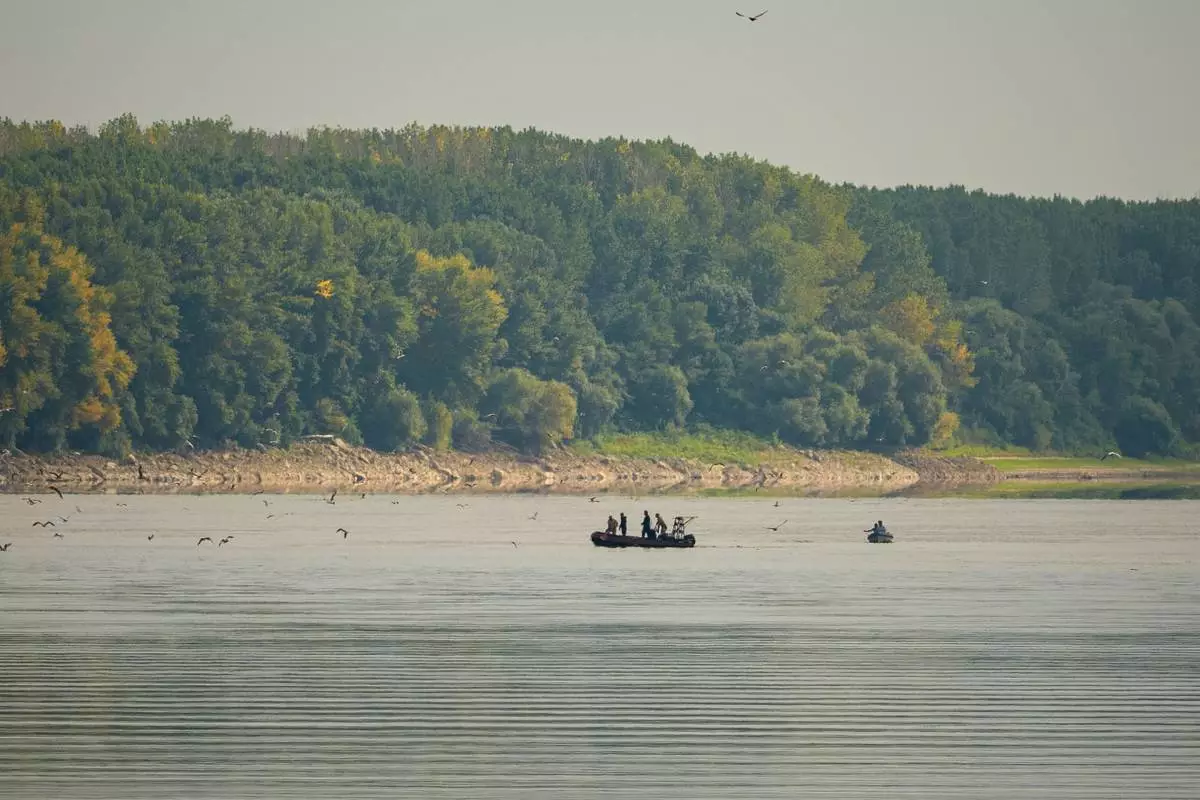
Birds fly after a controlled demolition by the Romanian Navy of submerged rocks to improve water flow to the Cernavoda Nuclear Power Plant amid exceptionally low water levels on the Danube River, in Izvoarele, Romania, Monday, Aug. 3, 2026. (AP Photo/Vadim Ghirda)

Romanian Navy EOD specialists survey the area before a controlled demolition of submerged rocks to improve water flow to the Cernavoda Nuclear Power Plant amid exceptionally low water levels on the Danube River, in Izvoarele, Romania, Monday, Aug. 3 2026. (AP Photo/ Vadim Ghirda)

Romanian Navy EOD specialists survey the area before a controlled demolition of submerged rocks to improve water flow to the Cernavoda Nuclear Power Plant amid exceptionally low water levels on the Danube River, in Izvoarele, Romania, Monday, Aug. 3 2026. (AP Photo/ Vadim Ghirda)
TOKYO (AP) — Residents in Japan's quake-hit southwestern prefecture of Kumamoto put out heaps of debris for collection and the prime minister visited as the region baked under intense heat.

The heat and a lack of water supplies have added to the challenges in the severely damaged areas where Prime Minister Sanae Takaichi briefly visited for the first time since a magnitude 7.1 quake hit Kumamoto Prefecture on Japan’s southern main island of Kyushu last Tuesday.

Thirty-eight people died during the quake, including one who died of apparent heat stroke while taking shelter in a car in hot weather and one other whose cause of death is still being investigated, prefectural officials said Monday.

Residents put out heaps of debris, broken furniture and damaged appliances for collection, while in the towns of Uki and Hikawa, construction of temporary housing began.

More than 46,000 households remained without water and many also faced fuel shortages as the region suffers sweltering heat, stoking fears of heat-related illness. Japan Meteorological Agency predicted that temperatures would rise close to 40 C (104 F) Monday.

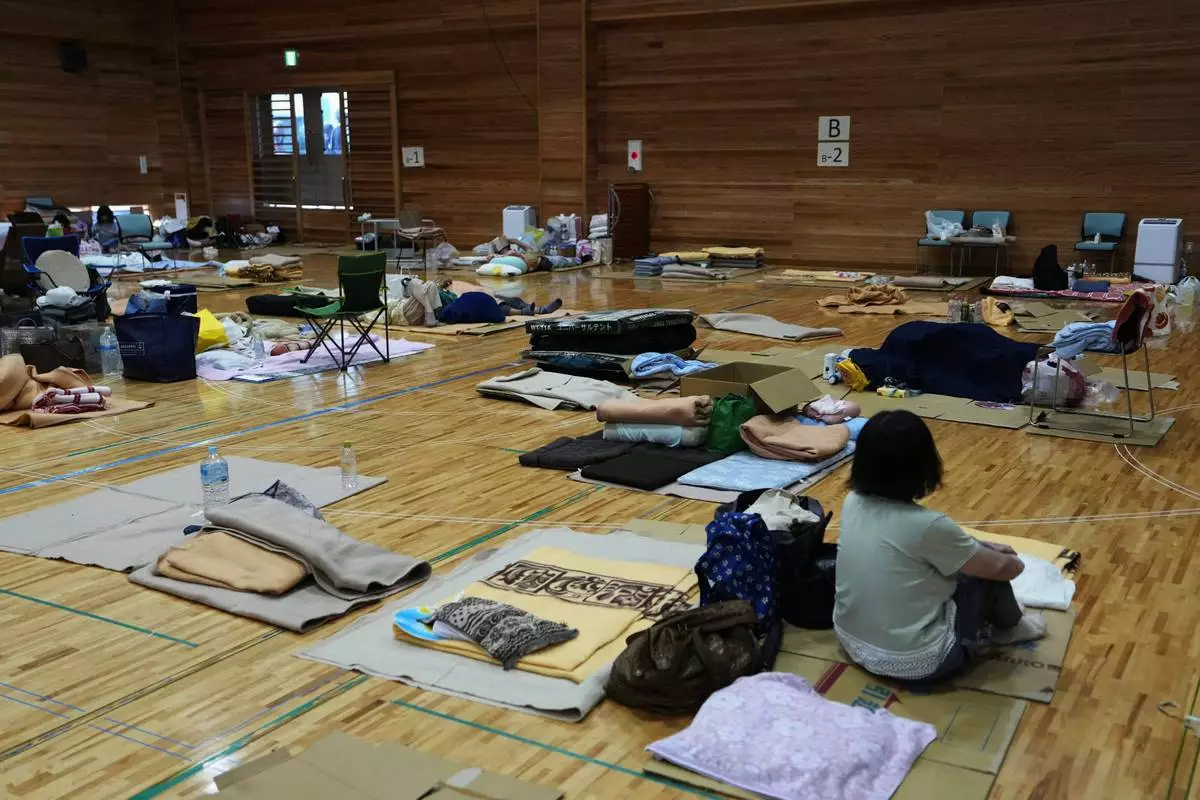
More than 8,500 people remain at crowded emergency shelters, such as converted community centers, school gyms and classrooms, many of which lack air-conditioning. Others are sleeping in cars at town hall parking lots and parks, or outside of their homes.

Experts have long warned that inadequate shelter provision leads to crowded conditions and a lack of sanitation and privacy for people forced to leave their homes following disasters.

Takaichi on Monday visited one of the area's best-equipped shelters, with cardboard beds, partitions and air-conditioning, triggering criticisms on social media that her visit distorted reality.

Meanwhile, a company that owned a general store in a collapsed shopping mall acknowledged that it had instructed two employees who were killed in a later explosion to return to the building to put sales proceeds into a safe.

Two executives of Habita, a local general store operator that had a shop inside the collapsed Aeon Mall in the town of Kashima, attended the wake Sunday of one of the two victims, 22-year-old Kurumi Otake, and apologized to her parents for the death.

Company sales manager Goji Yuse acknowledged that the company instructed the two to put sales proceeds into the safe if it was possible.

“I wish someone had stopped her,” Otake's tearful mother told them. “My daughter is not coming back.”

The mall's operator said it believes the explosion was due to a gas leak and occurred after about 3,000 shoppers had been evacuated to a parking lot following the quake, but some employees remained inside. Rescuers recovered five people and the bodies of seven others from the mall.

The earthquake has left 114 people injured across Kumamoto, authorities said.

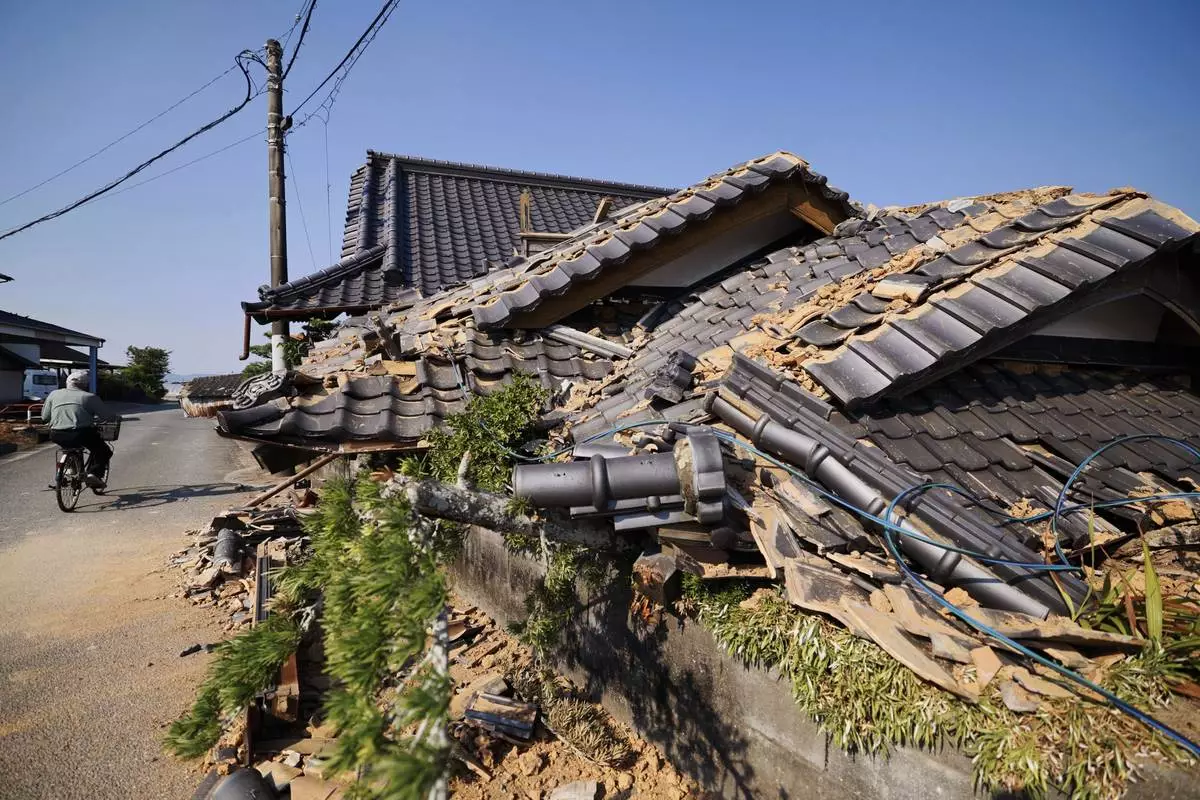
Some 700 homes were destroyed, and more than 11,300 buildings were damaged, according to Kumamoto prefecture.

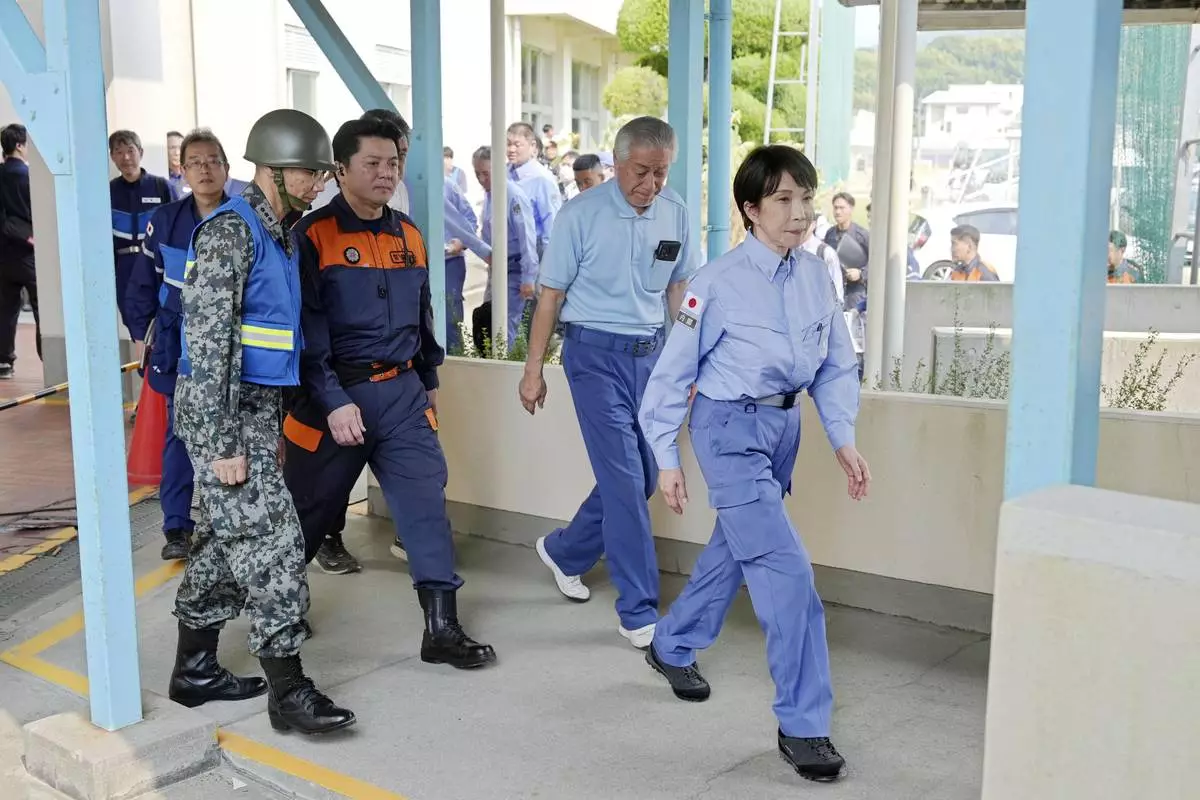
Japan's Prime Minister Sanae Takaichi visits an evacuation center in Hikawa, southern Japan, Monday, Aug. 3, 2026. (Japan Pool/Kyodo News via AP)

Japan's Prime Minister Sanae Takaichi visits an evacuation center in Hikawa, southern Japan, Monday, Aug. 3, 2026. (Japan Pool/Kyodo News via AP)

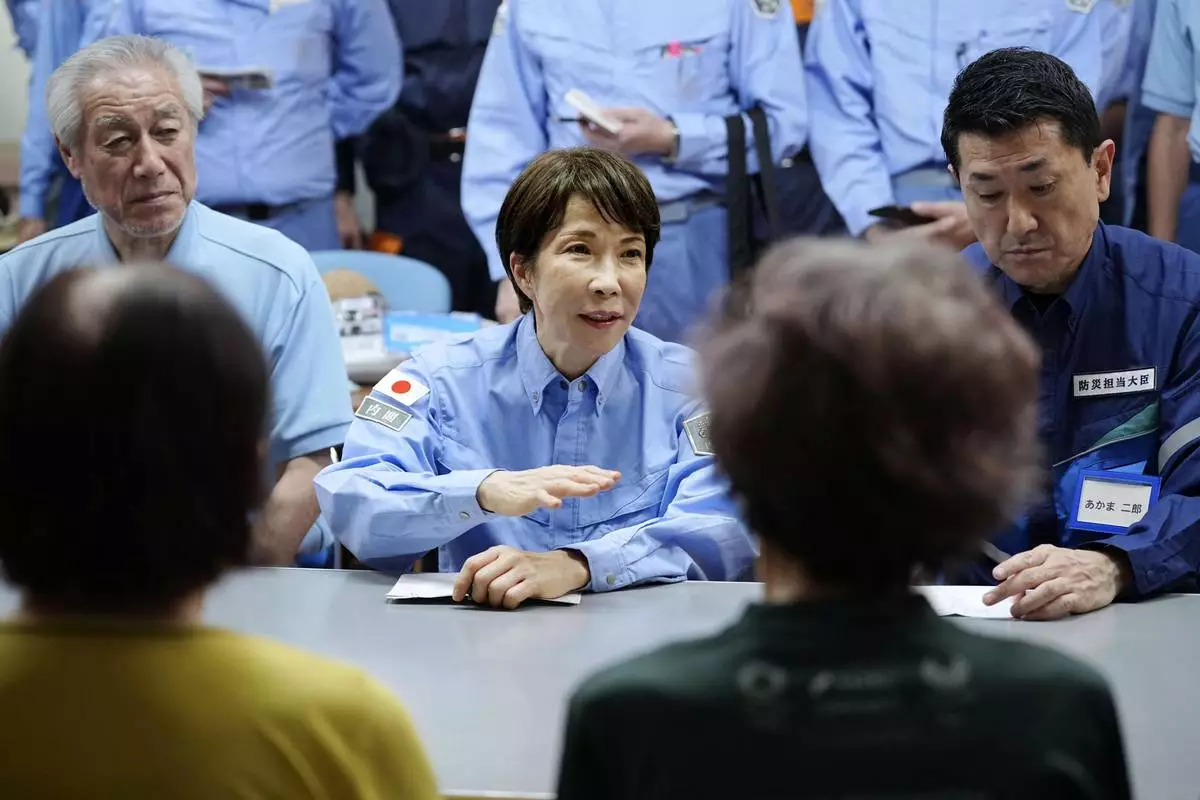
Japan's Prime Minister Sanae Takaichi meets evacuees as she visits an evacuation center in Hikawa, southern Japan, Monday, Aug. 3, 2026. (Japan Pool/Kyodo News via AP)

Japan's Prime Minister Sanae Takaichi meets evacuees as she visits an evacuation center in Hikawa, southern Japan, Monday, Aug. 3, 2026. (Japan Pool/Kyodo News via AP)

People rest at an evacuation center in Uki, southern Japan, Sunday, Aug. 2, 2026, after recent earthquakes. (Yuta Omori/Kyodo News via AP)

People rest at an evacuation center in Uki, southern Japan, Sunday, Aug. 2, 2026, after recent earthquakes. (Yuta Omori/Kyodo News via AP)

A person rides a bicycle past damaged buildings in Hikawa, southern Japan, Sunday, Aug. 2, 2026, following a July 28 earthquake. (Taichi Nagahisa/Kyodo News via AP)

A person rides a bicycle past damaged buildings in Hikawa, southern Japan, Sunday, Aug. 2, 2026, following a July 28 earthquake. (Taichi Nagahisa/Kyodo News via AP)

Recommended Articles