The Rhine River in Germany has fallen to its lowest water level on record due to persistent hot and dry weather, raising cargo transport costs and disrupting supply chains along one of Europe's busiest inland shipping routes.
Stretching about 1,230 kilometers across Western Europe, the Rhine is Germany's main commercial artery, where hundreds of millions of tonnes of raw materials such as coal, crude oil, grain and ore are transported every year.
The river section near the town of Kaub is the shallowest, and nearly everything moving inland from the Port of Rotterdam toward Germany's industrial regions passes through this critical part of the river, so the water gauge there is one of the Rhine's most closely watched points.
"The Kaub gauge serves as a benchmark for ships traveling from the Lower Rhine to places like BASF. These companies, refineries and the like, receive many of their raw materials by ship, so they load their vessels based on the Kaub gauge reading," said Bernd Vogt, mayor of Kaub.
At this time of year, water levels at the key bottleneck usually sit well above two meters, but weeks of drought and persistent heat have reduced it to historic lows of 25 centimeters.
The low water levels are forcing vessels to reduce their loads to avoid running aground, driving up costs and pushing freight onto roads and rail.
"Shipping traffic has dropped significantly due to these low water levels. First, the river cruise ships suspended operations, followed by the larger cargo vessels. Now, only relatively small cargo ships are operating, and transport volumes are very low," said Florian Krekel, an official of Germany's Federal Waterways and Shipping Administration for the Rhine River.
Freight costs on this stretch of the Rhine have more than doubled since late June, with some operators imposing low-water surcharges of more than 1,100 U.S. dollars per container.
"With normal water levels, a Rhine barge can carry around 500 containers. Currently, that capacity is down to just 20 percent, meaning only 100 containers. That leaves 400 containers sitting idle somewhere, while the 100 that can be transported become much more expensive to ship," said Fabian Gottlich, a representative of the Koblenz Chamber of Commerce and Industry.
Meanwhile, trucks, trains and additional barges cannot fully make up for the lost river freight capacity.
Unlike previous major low-water events, these conditions have arrived in the middle of summer, raising fears that disruption could continue for weeks or even months.
Plans are underway to deepen the Middle Rhine by an additional 20 centimeters, but the project is not expected to be completed until 2033.
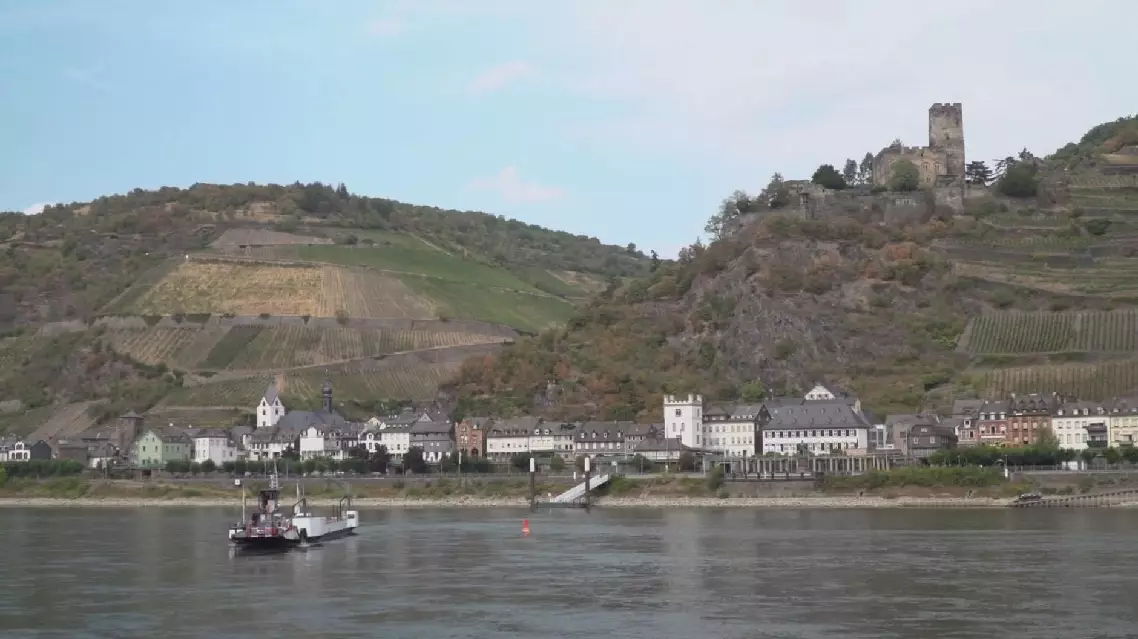
Record-low Rhine water levels drive up transport costs in Germany
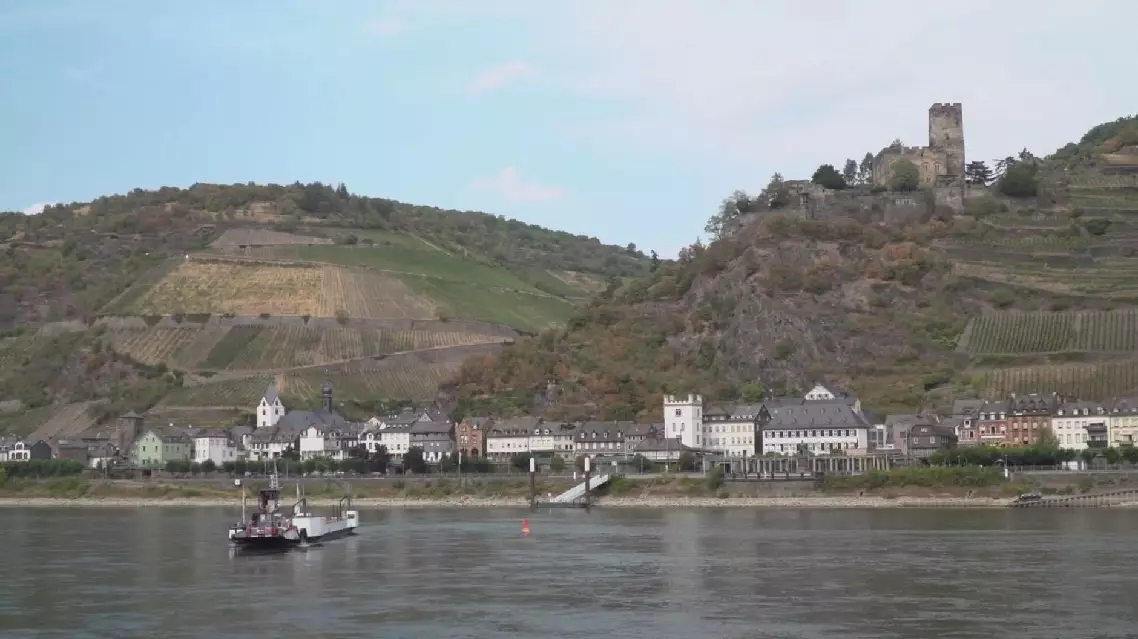
Record-low Rhine water levels drive up transport costs in Germany
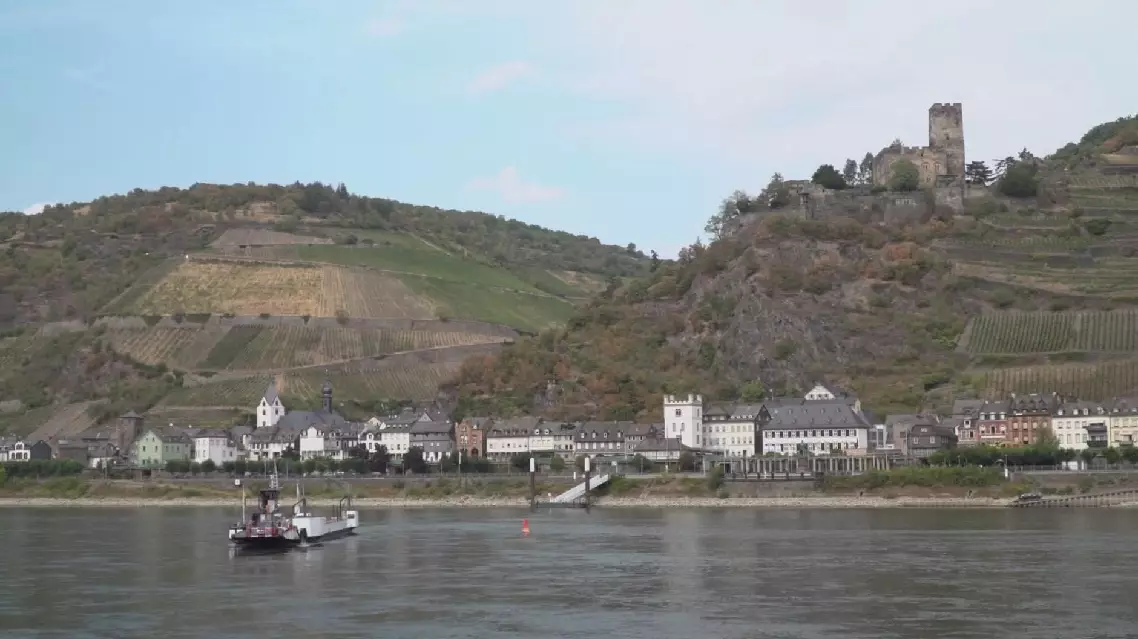
Record-low Rhine water levels drive up transport costs in Germany