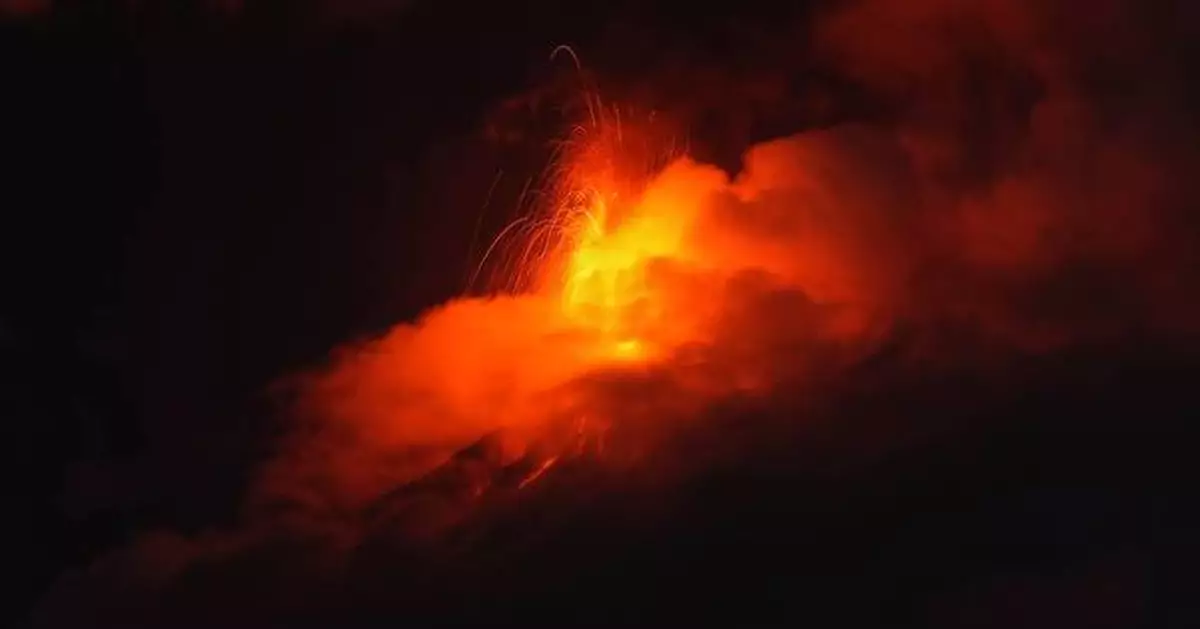
GUATEMALA CITY (AP) — Guatemala remained on alert Tuesday after evacuating hundreds of people following an eruption of the Fuego volcano, which is part of the Pacific Ring of Fire and one of Central America’s most active volcanoes.
The country’s disaster management agency said 659 people were evacuated from eight villages in the danger area and are being housed in nearby shelters. The eruption started on Monday morning, with videos showing clouds of gas and ash above the volcano as lava and pyroclastic flows roll down.
Click to Gallery
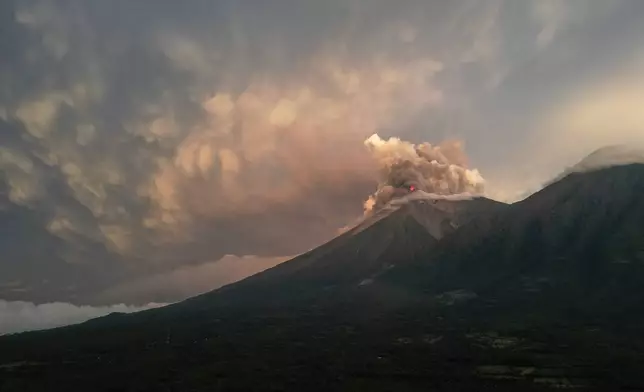
Lava flows and clouds of ash out of the crater of the Fuego Volcano, as seen from San Juan Alotenango, Guatemala, Tuesday, Aug. 4, 2026. (AP Photo/Moises Castillo)
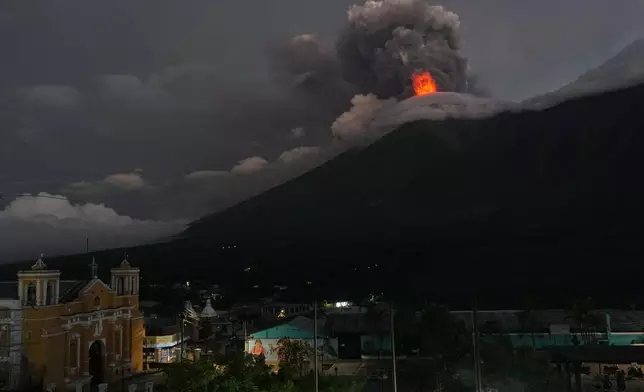
Lava flows and clouds of ash out of the crater of the Fuego Volcano, as seen from San Juan Alotenango, Guatemala, Tuesday, Aug. 4, 2026. (AP Photo/Moises Castillo)
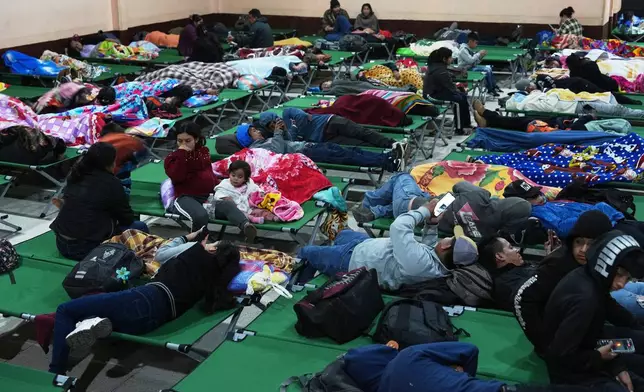
Families evacuated from areas surrounding the Fuego Volcano rest at a temporary shelter in San Juan Alotenango, Guatemala, Tuesday, Aug. 4, 2026. (AP Photo/Moises Castillo)
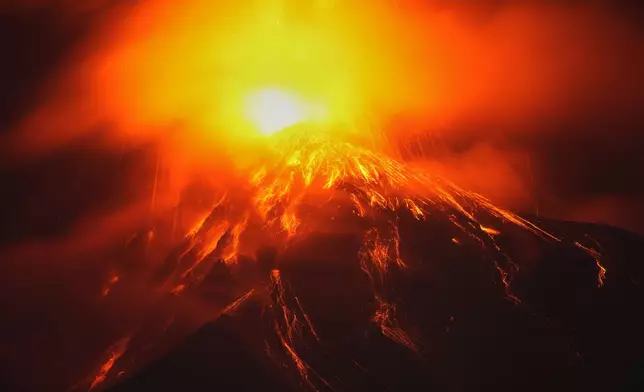
Lava flows out of the crater of the Fuego Volcano, as seen from San Juan Alotenango, Guatemala, Tuesday, Aug. 4, 2026. (AP Photo/Moises Castillo)
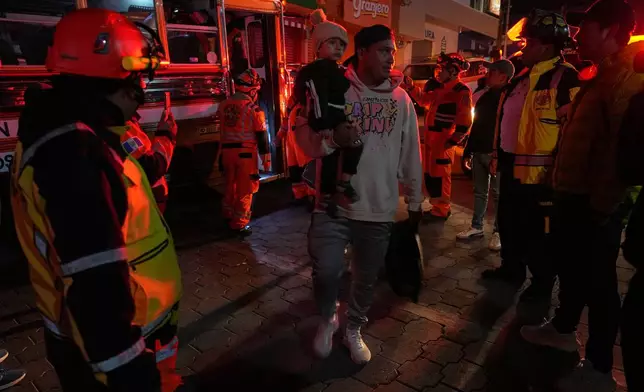
Families evacuated from areas surrounding the Fuego Volcano arrive at a temporary shelter in San Juan Alotenango, Guatemala, Tuesday, Aug. 4, 2026. (AP Photo/Moises Castillo)
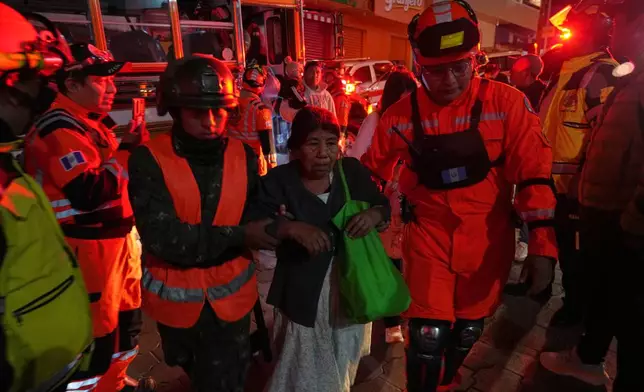
Families evacuated from areas surrounding the Fuego Volcano arrive at a temporary shelter in San Juan Alotenango, Guatemala, Tuesday, Aug. 4, 2026. (AP Photo/Moises Castillo)
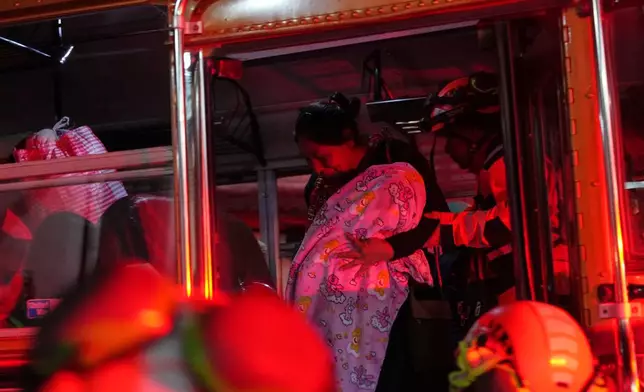
Families evacuated from areas surrounding the Fuego Volcano arrive to a temporary shelter in San Juan Alotenango, Guatemala, Tuesday, Aug. 4, 2026. (AP Photo/Moises Castillo)
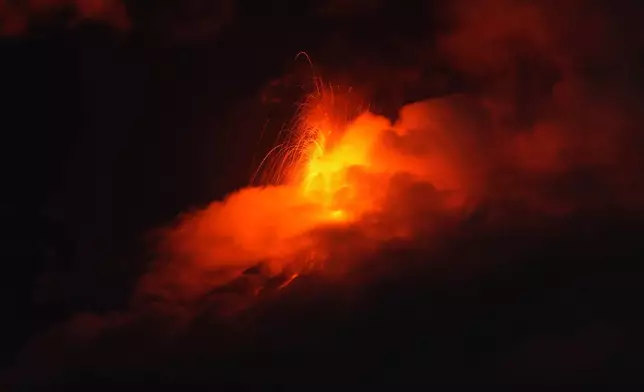
Lava flows out of the crater of the Fuego Volcano, as seen from San Juan Alotenango, Guatemala, Tuesday, Aug. 4, 2026. (AP Photo/Moises Castillo)
Claudinne Ogaldes, executive secretary of the Guatemalan disaster management agency, or CONRED, said that about 10 more communities are expected to be evacuated throughout the day.
Among those evacuated were around 250 people from El Porvenir and the hamlet of Las Lajitas, CONRED said and also warned of ash spreading to nearby towns.
A major highway that passes close to the volcano, National Route 14, was closed. The Education Ministry suspended classes in nearby towns.
During a previous eruption of the volcano in June 2018, hundreds of people were killed and a whole village was destroyed — with as many as 1.7 million people impacted by the event, according to authorities. Another eruption in June last year spurred preventive evacuations.
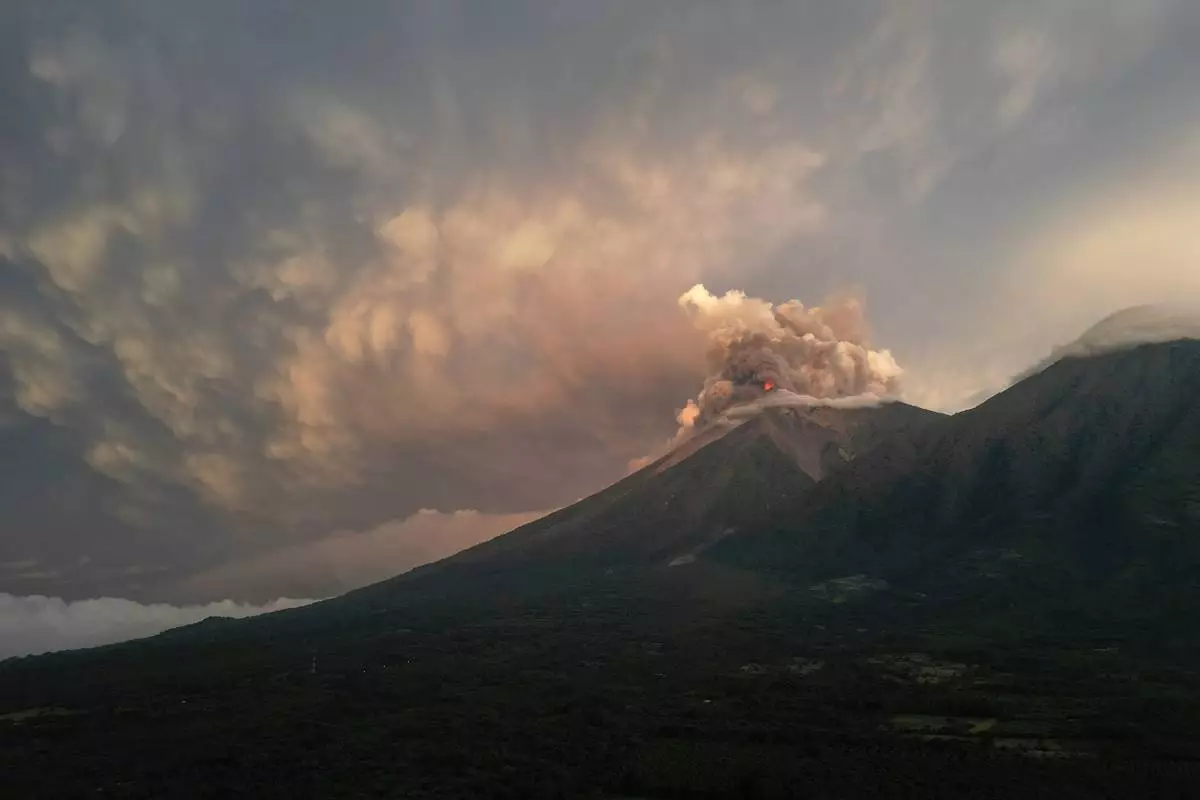
Lava flows and clouds of ash out of the crater of the Fuego Volcano, as seen from San Juan Alotenango, Guatemala, Tuesday, Aug. 4, 2026. (AP Photo/Moises Castillo)
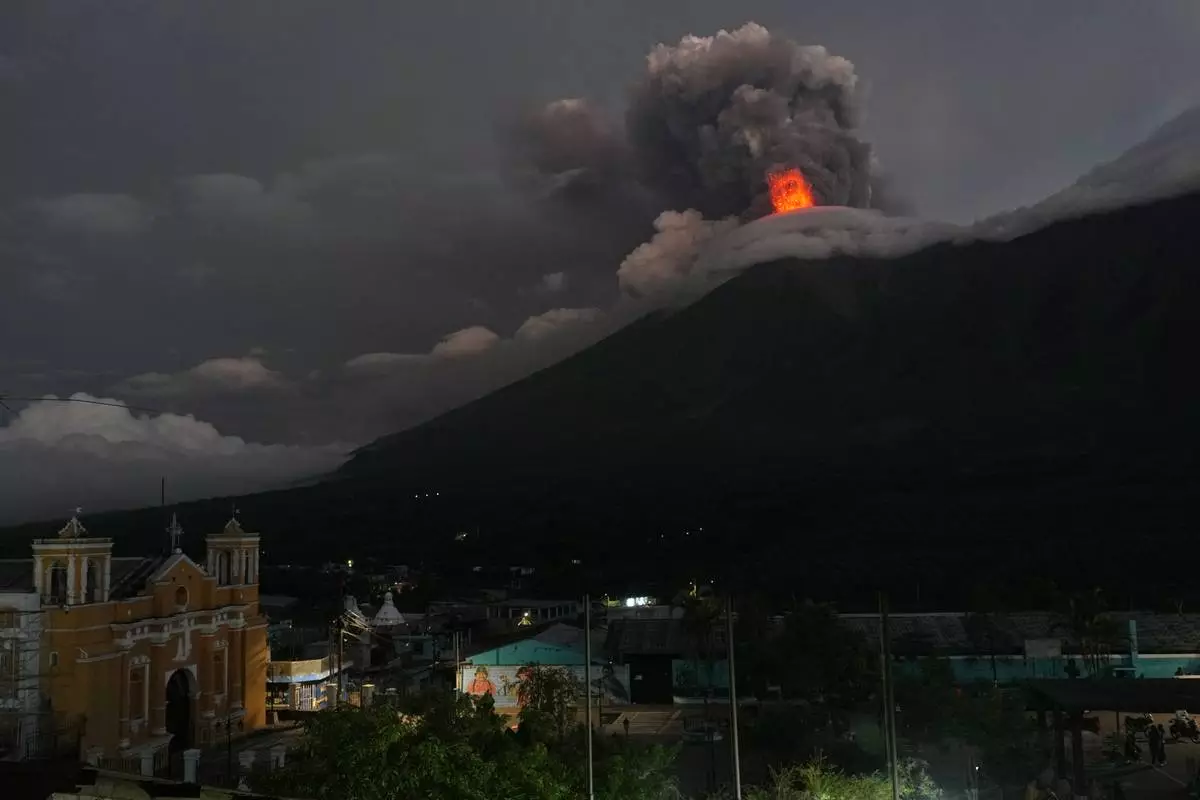
Lava flows and clouds of ash out of the crater of the Fuego Volcano, as seen from San Juan Alotenango, Guatemala, Tuesday, Aug. 4, 2026. (AP Photo/Moises Castillo)
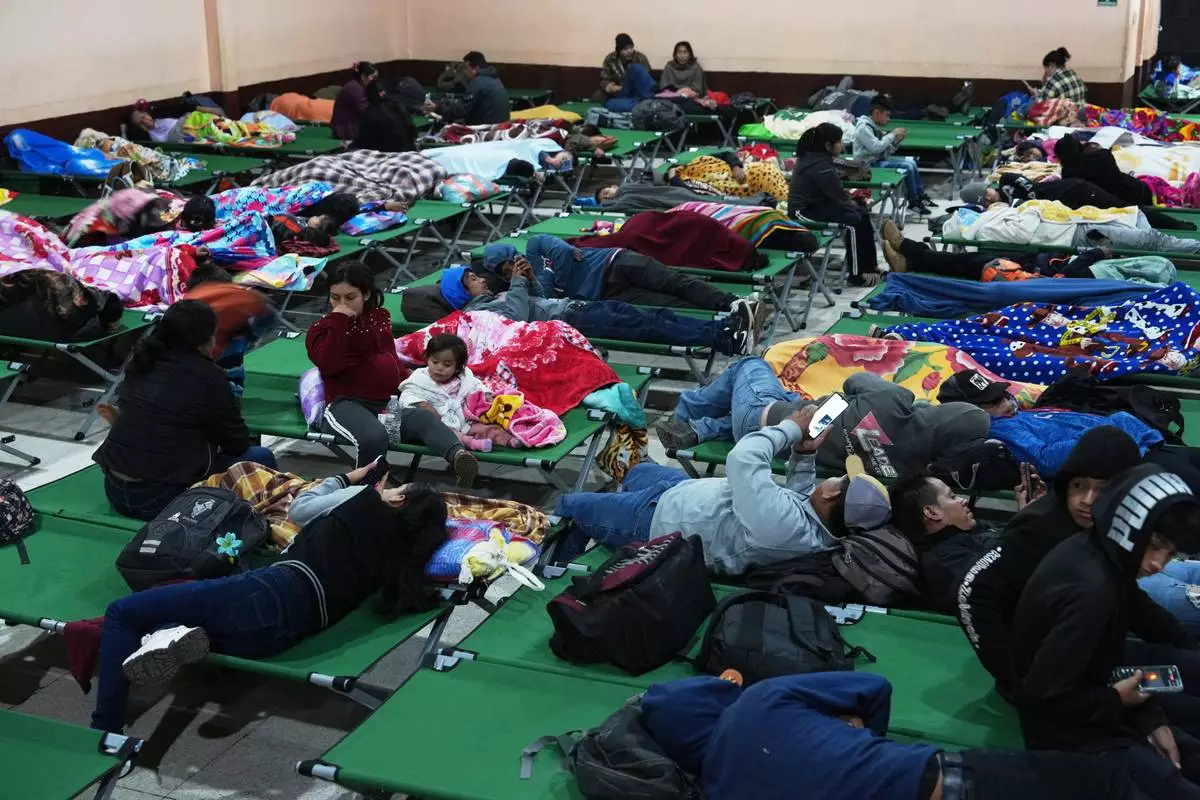
Families evacuated from areas surrounding the Fuego Volcano rest at a temporary shelter in San Juan Alotenango, Guatemala, Tuesday, Aug. 4, 2026. (AP Photo/Moises Castillo)
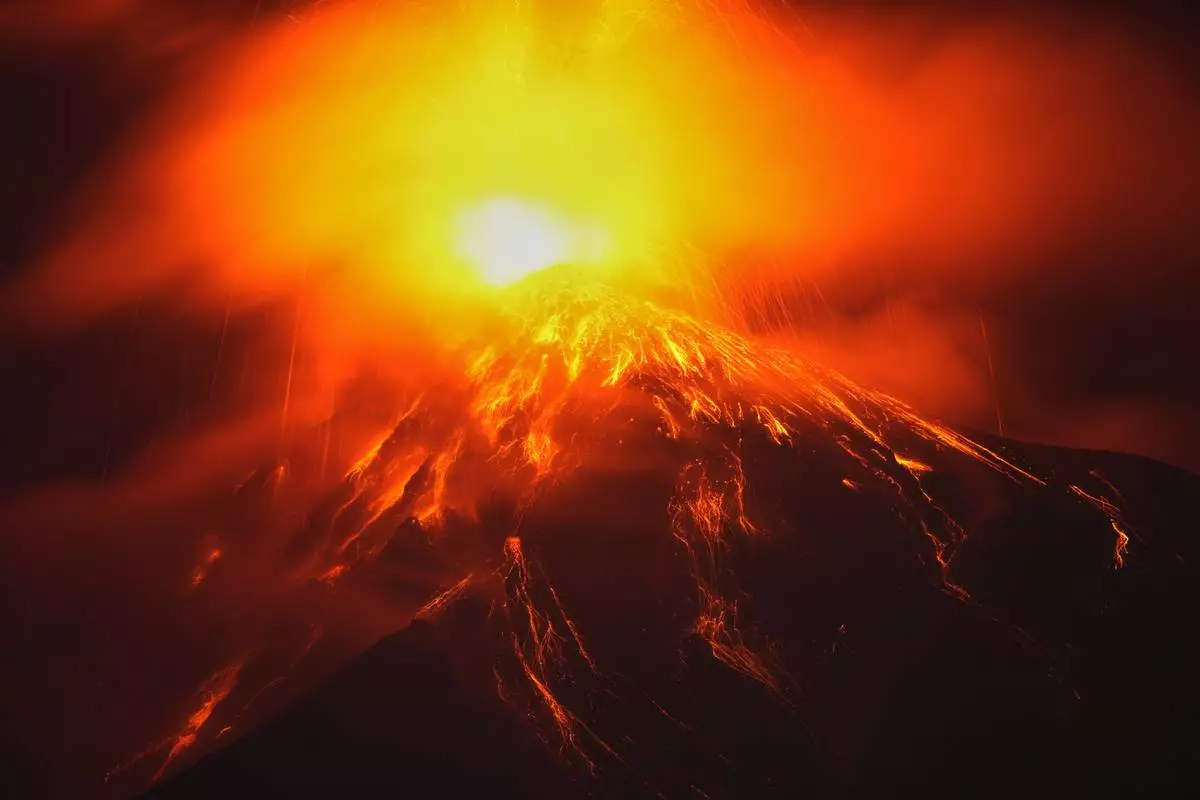
Lava flows out of the crater of the Fuego Volcano, as seen from San Juan Alotenango, Guatemala, Tuesday, Aug. 4, 2026. (AP Photo/Moises Castillo)
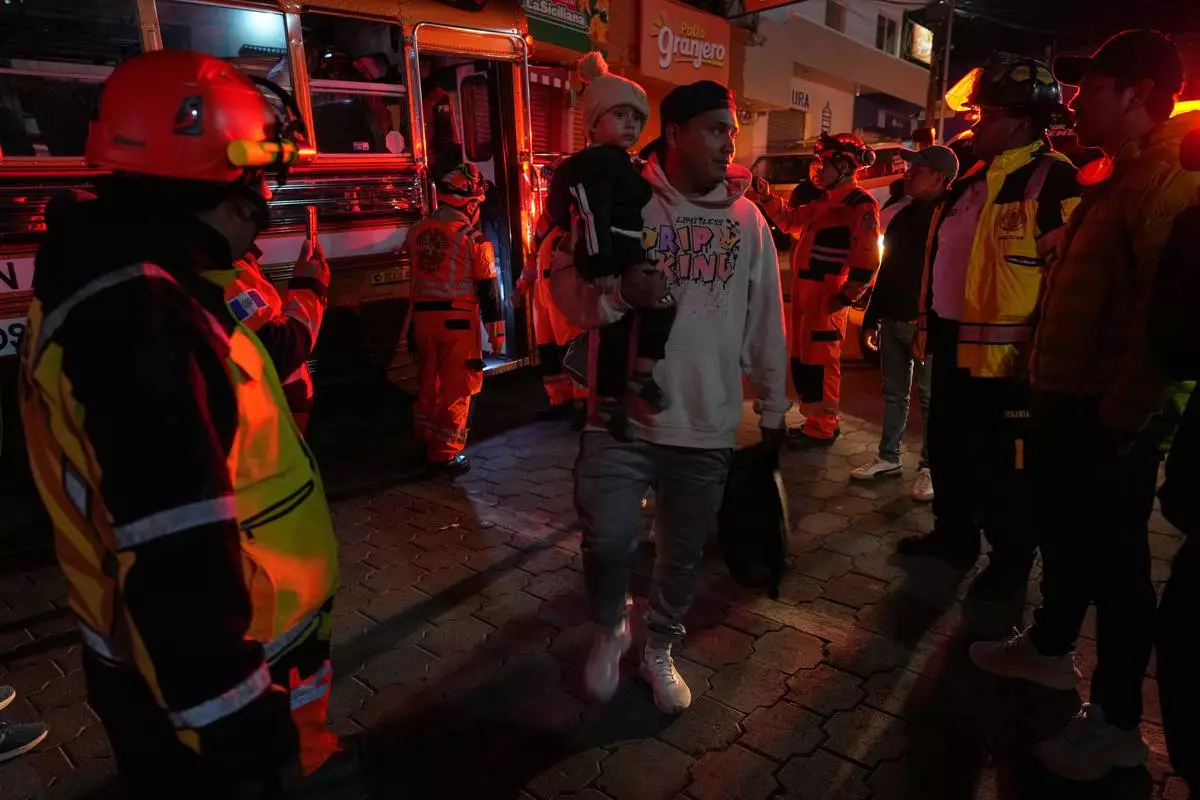
Families evacuated from areas surrounding the Fuego Volcano arrive at a temporary shelter in San Juan Alotenango, Guatemala, Tuesday, Aug. 4, 2026. (AP Photo/Moises Castillo)
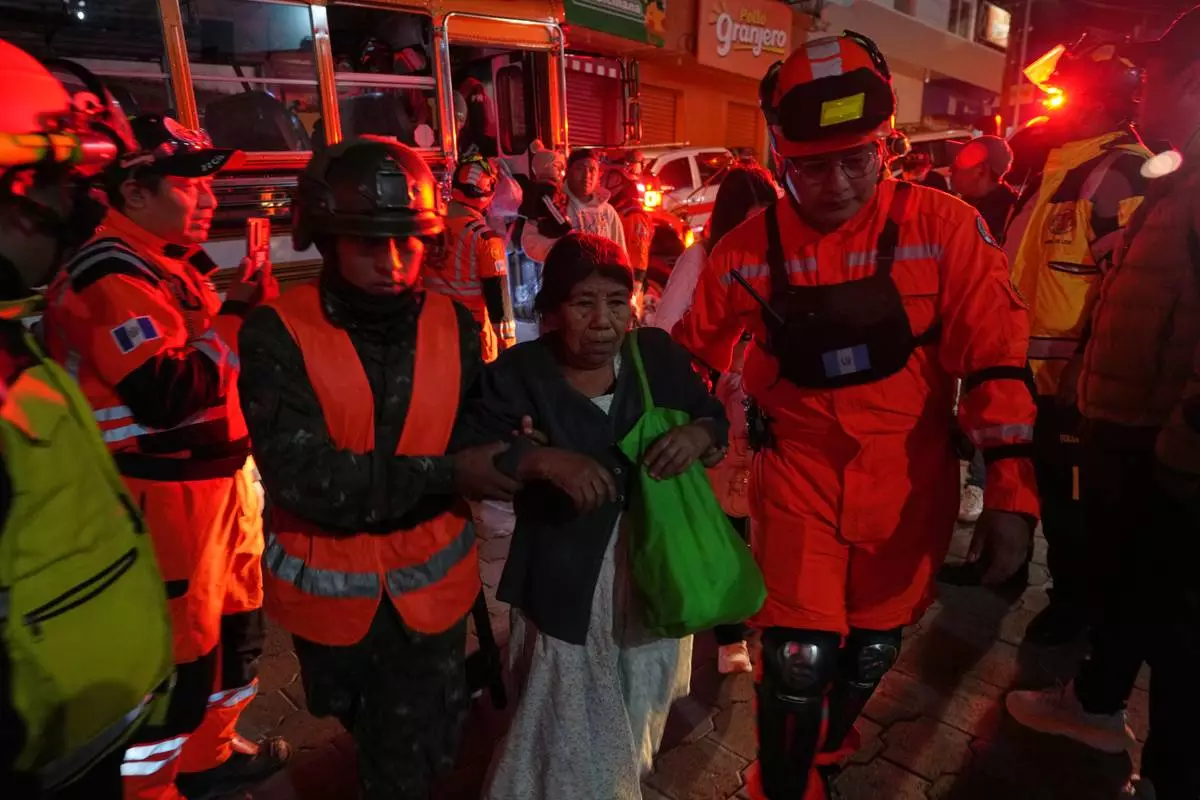
Families evacuated from areas surrounding the Fuego Volcano arrive at a temporary shelter in San Juan Alotenango, Guatemala, Tuesday, Aug. 4, 2026. (AP Photo/Moises Castillo)
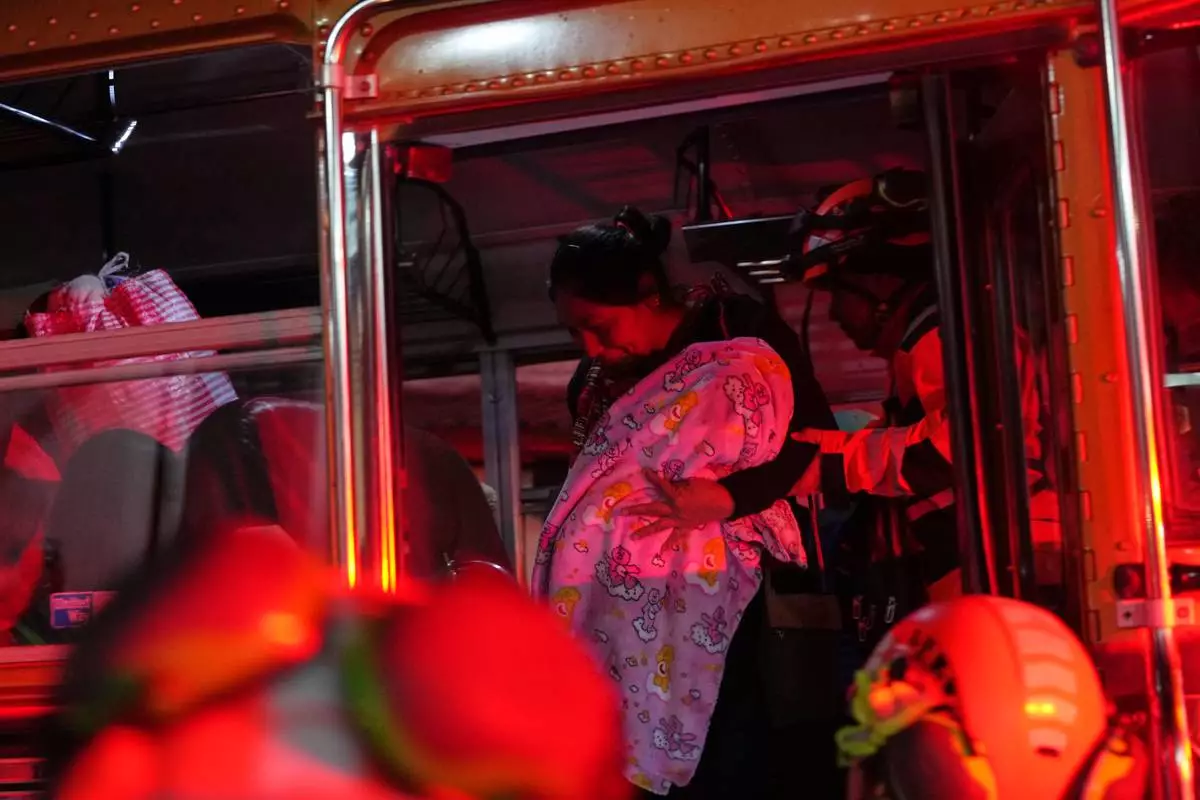
Families evacuated from areas surrounding the Fuego Volcano arrive to a temporary shelter in San Juan Alotenango, Guatemala, Tuesday, Aug. 4, 2026. (AP Photo/Moises Castillo)
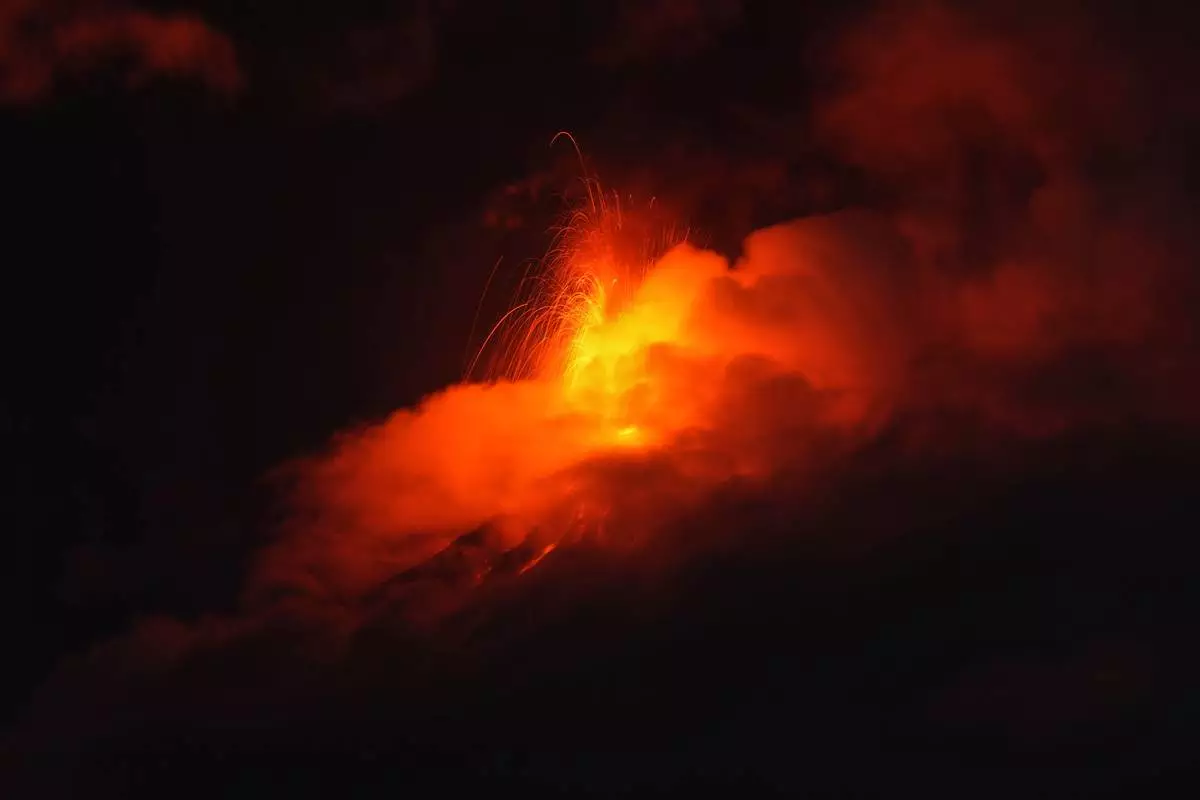
Lava flows out of the crater of the Fuego Volcano, as seen from San Juan Alotenango, Guatemala, Tuesday, Aug. 4, 2026. (AP Photo/Moises Castillo)