The magnitude 7.1 earthquake in Japan's Kumamoto Prefecture on July 28 is causing significant disruptions to semiconductor and automobile factories in the region, according to experts.
Located in the heart of Kyushu, Kumamoto has been a vital hub for semiconductor companies since the 1970s. However, the recent quake has forced many of these firms to suspend operations.
Experts said that the supply chain in Kyushu is now highly complex, with recovery expected to take a considerable amount of time.
"During the Kumamoto earthquake 10 years ago, semiconductor factories took about three months on average to resume production. This time, some areas experienced even greater seismic intensity, suggesting a longer recovery period. More importantly, the current supply chain is far more intricate and interconnected than it was a decade ago. With disruptions to railways and roads, the entire supply chain has essentially come to a halt. Therefore, it is likely to be even longer to restore the supply chain than repairing factories themselves. So the impact this time will probably be more severe than it was ten years ago," said Hidetoshi Tashiro, chief economist of Japan's Infinity LLC.
Seismic activity remains elevated in the region, with over 380 aftershocks recorded as of 15:00 Monday since the initial quake.
Tashiro expressed concern about the ongoing tremors, saying, "Small tremors are occurring continuously, which could hinder semiconductor factories reliant on high-precision equipment. If this persists, companies may ultimately have no choice but to relocate if they cannot sustain operations in the area."
"It is concerning that small tremors continue to occur, even though they are not large earthquakes. If this situation persists, semiconductor factories dependent on high-precision equipment may struggle to maintain production. Should companies find it unsustainable to operate in the area, they may ultimately have to relocate," said Hidetoshi Tashiro
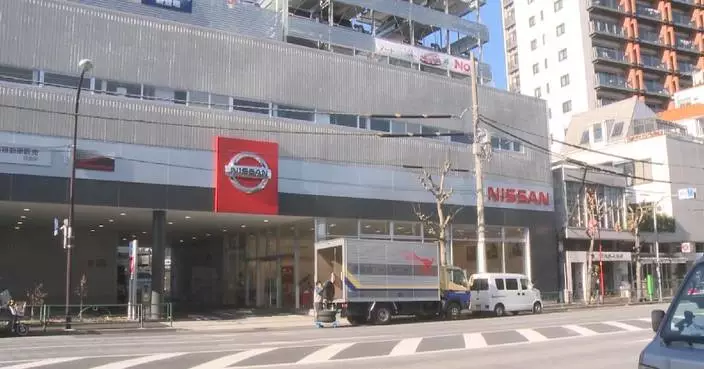
Japanese automakers are also facing production disruptions due to delays in parts supply.
"As time progresses, the cascading effects of the ongoing supply chain disruption are expected to become more apparent. Many parts suppliers in Japan depend on daily production and sales to sustain their cash flow. If production halts, the ability of these companies to endure the financial strain will become a critical concern," said the expert
As of Monday, 36 fatalities have been confirmed in the quake, with two additional deaths still under investigation.

Japan's Kumamoto earthquake threatens local semiconductor, auto industries

Japan's Kumamoto earthquake threatens local semiconductor, auto industries