The death toll from two powerful earthquakes that struck Venezuela in June has risen to 6,125, Jorge Rodriguez, president of Venezuela's National Assembly, said in a social media post on Monday.
According to the latest figures, 6,462 people have been rescued and more than 60,000 people have received hospital treatment.
Government assessments have covered over 43,000 buildings, of which nearly 10,000 are restricted for occupancy and more than 6,000 are considered high-risk.
More than 340,000 tons of debris have been cleared from the earthquake-hit areas.
The quakes, which occurred on the night of June 24, were among the strongest to strike Venezuela in more than a century, with two tremors both above magnitude 7 striking within the span of one minute.
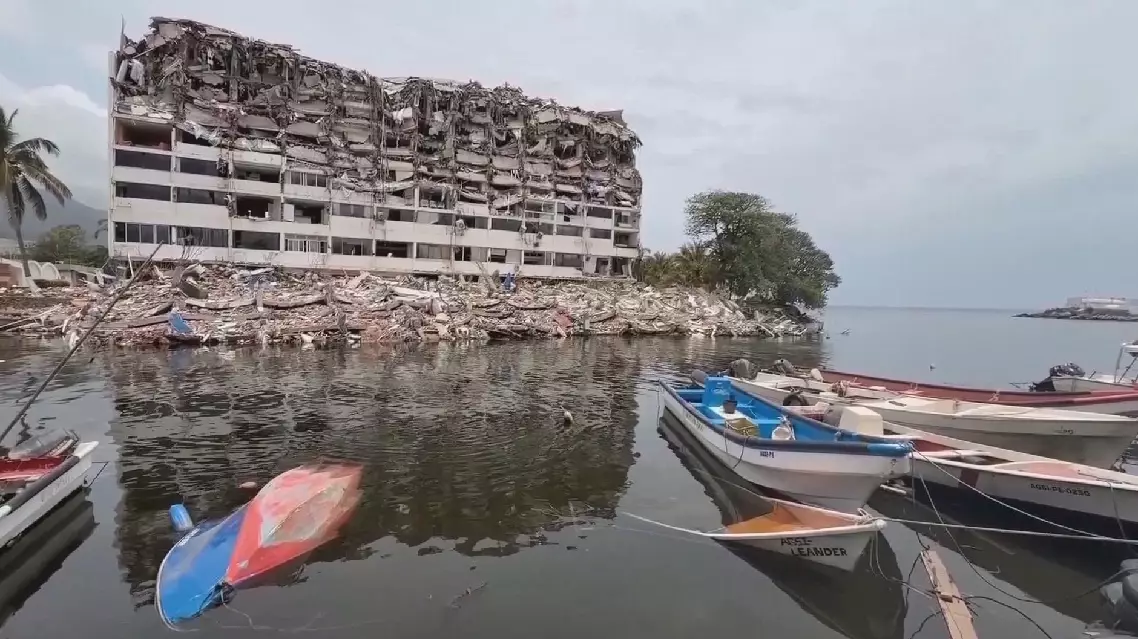
Venezuela quake death toll rises to 6,125
A 100-bed Ebola treatment center is expected to open this week in Bunia, eastern Democratic Republic of the Congo, as a rapidly expanding outbreak strains health services in a region already affected by conflict and displacement.
At the Kigonze displacement site in Bunia, International Medical Corps has set up an eight-bed transit center to identify suspected cases, isolate patients and refer confirmed cases for treatment.
"As you can see here behind me, there is a barrier; this is the red zone. When a case is triaged here and suspected of being Ebola, the patient is referred to one of the isolation rooms located behind me. We have a capacity of eight beds here. From that point, we take over their care -- collecting the initial samples for testing. If the test result is negative after 48 hours, we run a second test. If both tests are negative, the person is discharged and returns home, receiving treatment for any other conditions associated with the initial suspicion," said Dr. Francis Bigirimwami Chibanvunya, a doctor at the Kigonze transit center.
The outbreak has compounded a severe humanitarian crisis in Ituri Province, where conflict and violence have displaced nearly 1 million people, according to the UN Office for the Coordination of Humanitarian Affairs, or OCHA.
Construction workers are putting the finishing touches on the new treatment center, which is intended to ease pressure on existing facilities operating at full capacity.
"IMC (International Medical Corps) will inaugurate this week the biggest treatment center of the country with a capacity 100 beds. At OCHA, we coordinate partners on the ground on the humanitarian response, but also through the humanitarian fund. We make sure they receive funding quickly to scale up the response," said Ramatoulaye Moussa Mazou, communications officer for OCHA in the Democratic Republic of the Congo.
The facility will separate suspected and confirmed cases and is expected to employ more than 300 people, expanding the capacity to detect, isolate and treat patients as the outbreak spreads.
"So, the work is nearing completion. It is a 100-bed facility - with a capacity of 100 beds - comprising 60 beds for confirmed cases and 40 beds for suspected cases. More than 300 staff members will be working at the center, and we are counting on the community to help accelerate the process of identifying cases," said Dr. Sambo Sidikou of International Medical Corps.
As of July 30, the DRC had reported 3,605 confirmed cases of Ebola disease caused by the Bundibugyo virus, including 1,587 deaths, representing a case fatality rate of 44 percent, the WHO said in its latest disease outbreak report.
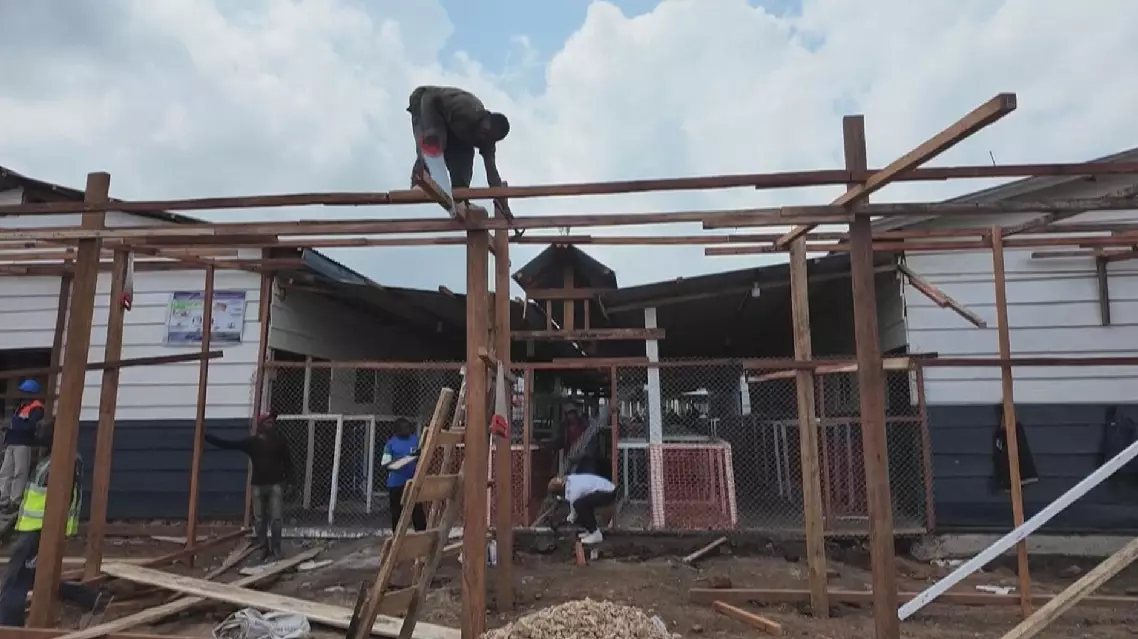
New Ebola treatment center set to open as outbreak strains DR Congo