LAS VEGAS--(BUSINESS WIRE)--Aug 4, 2026--
Massive Bio, Inc., a global precision oncology and AI-enabled real-world data company, today announced at Ai4 2026 that it has made a strategic investment in Rivvi AI, Inc., an agentic AI infrastructure company for healthcare and life sciences. The transaction is Massive Bio’s first strategic investment in another AI company. It builds on the companies’ existing work across oncology trial programs and pairs capital with a shared plan to connect clinical intelligence, personalized patient outreach, and human-led navigation. Financial terms were not disclosed.
This press release features multimedia. View the full release here: https://www.businesswire.com/news/home/20260804887267/en/
The investment marks a deliberate expansion of Massive Bio’s strategy: building core AI products while selectively deploying capital into complementary technologies that increase the reach and value of its platform. The companies intend to align technology and go-to-market capabilities across oncology clinical trials, patient support, care-gap closure, medication adherence, and other complex-care workflows.
“Massive Bio has reached a point where we can create value by building, partnering, and investing. Rivvi is our inaugural AI investment because its conversational infrastructure compounds the value of our clinical intelligence. We identify the right opportunity; Rivvi helps make the right conversation possible; our clinical and navigation network carries that conversation toward an informed action. This is disciplined capital deployment around a shared mission, and it establishes a model for how we can accelerate the most important technologies surrounding our platform,” saidSelin Kurnaz, PhD, Co-Founder and Chief Executive Officer of Massive Bio.
Closing the Gap Between Intelligence and Action
An estimated 3% to 5% of adults with cancer in the United States enroll in therapeutic clinical trials. The persistent gap is driven in part by fragmented data, increasingly complex eligibility criteria, limited workforce capacity, and missed opportunities to reach patients during a narrow clinical window. Massive Bio addresses the intelligence layer by structuring clinical and biomarker data, identifying relevant trials, and supporting navigation. Rivvi adds the action layer: AI agents that turn each match into a governed, auditable workflow, reaching patients, surfacing barriers, coordinating next steps, and escalating to the appropriate human team.
Massive Bio’s neuro-symbolic, multi-agent matching system was evaluated prospectively in 3,804 patients during routine oncology operations. The peer-reviewed study reported more than 17,000 oncologist-confirmed matches, an F1 score of 0.82, and trial matching four times faster than conventional workflows. Rivvi has powered more than two million patient interactions across more than 500,000 patients and serves health systems, payers, pharmacies, PBMs, and life sciences organizations.
“An eligible patient cannot benefit from an opportunity they never hear about, and in oncology the window can close quickly. Connecting prospectively validated matching with consent-aware conversations and human navigation is a clinically meaningful step. Clinical judgment stays with clinicians and choice stays with patients; AI creates the capacity to bring more people into an informed discussion with the right care team at the right time,” saidArturo Loaiza-Bonilla, MD, MSEd, FACP, Co-Founder and Chief Medical AI Officer of Massive Bio.
A Three-Layer Patient-Action Architecture
The companies’ integration roadmap is designed around three connected layers:
The design preserves clear boundaries. Rivvi’s AI does not diagnose, prescribe, or override clinical judgment. Each organization can configure policies, escalation rules, access controls, and audit trails for its workflows. Rivvi’s platform is HIPAA compliant and SOC 2 Type II, with business associate agreements available, and supports deployment without requiring a new electronic medical record integration.
“The value of healthcare AI is realized when a signal becomes a completed, traceable workflow. Our roadmap connects neuro-symbolic reasoning and knowledge-graph intelligence with Rivvi’s policy-governed conversational infrastructure. Each transition can be authorized, logged, and escalated. That modular, interoperable, human-governed architecture is how enterprise AI moves from demonstrations into reliable operations,” saidÇağatay M. Çulcuoğlu, Co-Founder, Chief Technology Officer and Chief Operating Officer of Massive Bio.
Designed to Compound Value Across the Healthcare Ecosystem
The transaction establishes a repeatable model for Massive Bio to evaluate and selectively invest in AI companies that strengthen the patient journey. Massive Bio brings clinical evidence standards, oncology domain expertise, pharmaceutical and health-system relationships, and experience deploying across 17 countries. Rivvi contributes specialized infrastructure for personalized healthcare conversations, workflow governance, and rapid operational scale.
“Massive Bio brings the oncology intelligence, evidence base, global reach, and operational network to identify where action matters most. Rivvi brings the infrastructure to conduct and govern personalized patient conversations at scale. Their investment accelerates our ability to serve life sciences and complex-care programs, and together we can help healthcare organizations reach more patients with the context, timing, and human support needed to act,” saidNathan Hayman, Co-Founder and Chief Executive Officer of Rivvi.
About Massive Bio
Massive Bio, co-founded by Selin Kurnaz, Arturo Loaiza-Bonilla, and Çağatay Çulcuoğlu, transforms the pharmaceutical value chain with AI-driven solutions. As an AI-enabled real-world data company, Massive Bio streamlines patient journeys, improves access to cutting-edge treatments, and optimizes clinical trial operations across 17 countries. A recipient of the DiMe Seal, the Digital Medicine Society’s independent quality certification covering clinical evidence, privacy, security, and usability, Massive Bio is listed in the CMS Medicare App Library, connecting its platform to more than 68 million Medicare beneficiaries. A founding member of the CancerX public-private partnership and participant in the White House Cancer Moonshot initiative, the company continues to lead the way in ethical AI and data-driven innovation.
For more information, visit www.massivebio.com.
About Rivvi
Rivvi is the agentic AI infrastructure that turns healthcare and life sciences intelligence into completed, governed action. Its orchestrator agents learn each organization, compose programs, and run them end-to-end across care-gap closure, medication adherence, chronic-care management, population health, and life sciences programs. Rivvi has powered more than two million patient interactions across more than 500,000 patients. The platform combines agentic AI, data intelligence, HIPAA and SOC 2 Type II governance, auditability, and human escalation to extend the capacity of healthcare teams.
Learn more at rivvi.ai.

Massive Bio announces its inaugural strategic investment in Rivvi to build end-to-end AI engagement infrastructure for healthcare.
GULF BREEZE, Fla. (AP) — Homeowners gassed up generators, filled bathtubs with water and bought last-minute supplies along the U.S. Gulf Coast on Friday while Hurricane Isaias gained strength as it charged toward the beaches of Alabama and the Florida Panhandle.
The Category 3 storm has grown into a major hurricane — the first of an unusually quiet Atlantic season — and is expected to make landfall Friday night.
Forecasters warned of a significant storm surge, damaging winds, flooding and possibly even tornadoes before the storm loses steam as it moves inland and delivers strong winds and rain well north into Atlanta.
Isaias is expected to come ashore between Mobile Bay on the Alabama coast and the city of Destin in the Florida Panhandle — a low-lying coastal stretch known for powdery white sand beaches dotted with vacation homes, waterfront bars and seafood shacks.
Residents in Panama City, Florida, braved the rain while filling sandbags Friday to protect their houses.
“I mean, it’s just the nature of the beast. It’s Florida," said Corliss Stone, who works for the fire department.
One of the biggest concerns is a storm surge that could be as high as 6 to 9 feet (1.8 to 2.7 meters), according to the National Hurricane Center. Places most at risk include Florida’s Pensacola Beach and the Gulf Islands National Seashore.
Anne Petzold, who lives with her husband in the Florida beach community of Gulf Breeze, said everyone in their neighborhood planned to ride out the storm. The couple installed hurricane shutters, picked up anything in their yard that could turn into a projectile and have two generators ready if they lose power.
“Everybody does what they can do, everybody asks if they need help — they ask for help, they offer help. All good,” she said. “It’s just another adventure.”
Neighbor Jay Brazzell said he went through a checklist of things to do, including stocking up on ice and gasoline. He decided to stay put because Isaias isn't as powerful as other hurricanes he's experienced.
“I mean I’m not boarding up,” said Brazzell, 69. “I’ve been through, this being, the ninth hurricane.”
Dangerous conditions are expected throughout the western panhandle, southern Alabama and southern Mississippi, the National Hurricane Center said. Rain began falling along the coast Friday morning, and tropical storm conditions were picking up in the early afternoon.
In a sign of how serious the warnings are, dozens of Waffle Houses in the Florida Panhandle were closed, according to the company's website. The beloved Southern breakfast chain is known for staying open through severe weather and often is a measuring stick of a storm’s severity.
Florida Gov. Ron DeSantis warned residents to expect flooding, wind damage, power outages and gasoline shortages.
“When the water’s rising and things are happening, it’s a very, very difficult conundrum and you do not want to be caught in that,” he said.
As of midday, the storm was centered about 145 miles (235 kilometers) south of Pensacola and moving to the north-northeast, the center said. It was packing 120 mph (193 kph) sustained winds Friday morning and picking up speed. Category 3 storms are considered major hurricanes and are capable of causing devastation.
Once Isaias comes ashore, it is expected to weaken until it is downgraded to a tropical storm by Saturday afternoon, the hurricane center said.
Still, heavy rain is forecast as it moves inland, with 4 to 8 inches (10 to 20 centimeters) or even more expected through the weekend from southern Alabama to southwestern Georgia.
Isaias, which will be the first hurricane to hit the eastern U.S. since Milton tore up the Gulf Coast of Florida in 2024, also is expected to bring heavy rain and potential flooding to much of the Southeast over the weekend, and then to parts of the Midwest and Northeast into Monday.
A hurricane warning was in place from Ocean Springs, Mississippi, to the western Florida Panhandle.
Counties in Florida and Alabama announced mandatory evacuations for some coastal areas while Mobile, Alabama, imposed a curfew that would begin Friday evening and last until morning.
On Dauphin Island, a barrier island off the Alabama coast, Mayor Jeff Collier said he didn't expect major damage, “but at the same time, these things are very fickle and a little jog here or there, or some last-minute increase in strength — we just have to be prepared for the worst.”
Meanwhile in the Pacific, Hurricane Simon became a Category 2 hurricane on Friday and was expected to strengthen further before making landfall in Mexico this weekend.
Tropical Storm Rachel was expected to bring heavy winds and rain to northern Mexico and Southern California this weekend.
Megnien reported from Panama City, Florida, and Seewer reported from Toledo, Ohio. These Associated Press journalists also contributed: Gerald Herbert in Pensacola, Florida; Dave Collins in Hartford, Connecticut; Sarah Raza in Sioux Falls, South Dakota; Kim Chandler in Montgomery, Alabama; Laura Turbay in Little Rock, Arkansas; and Hallie Golden in Seattle.
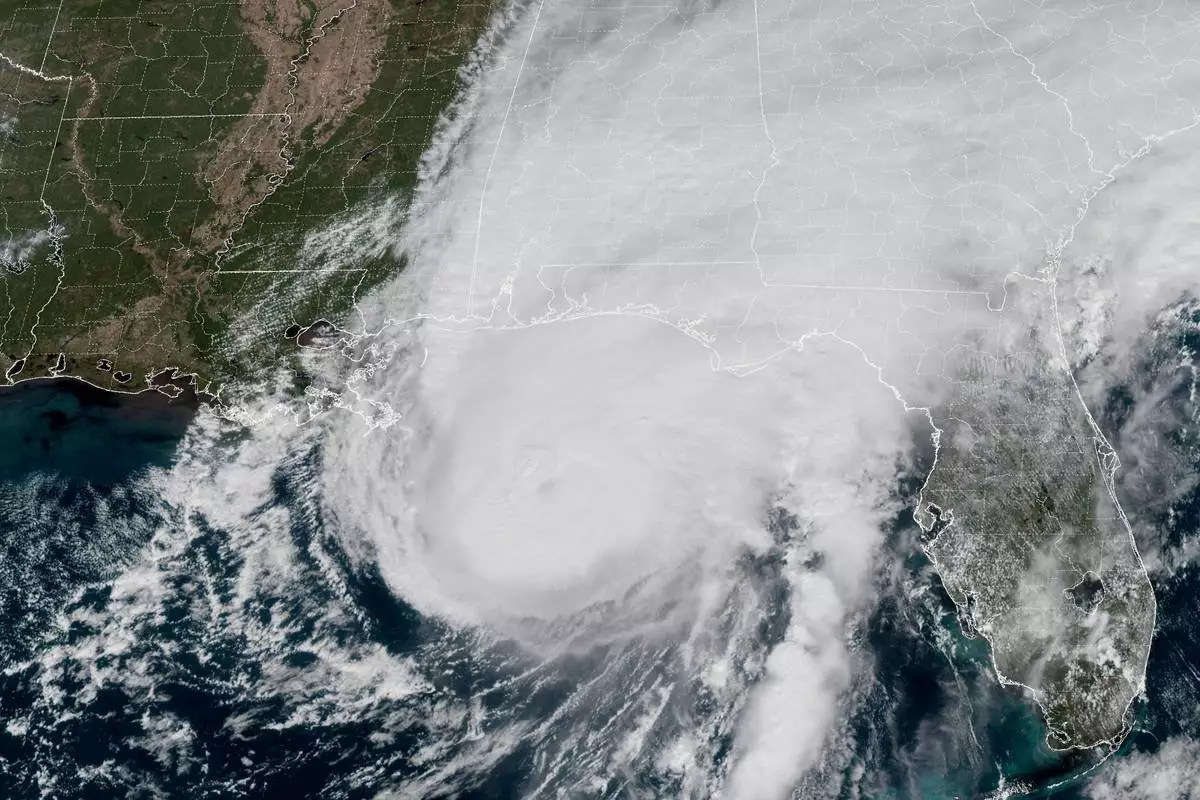
This GOES-19 GeoColor satellite image provided by the National Oceanic and Atmospheric Administration (NOAA) and taken at 1:06 p.m. EDT, Friday, Oct. 9 2026, shows Hurricane Isaias approaching the Gulf Coast of Alabama and Florida . (NOAA via AP)
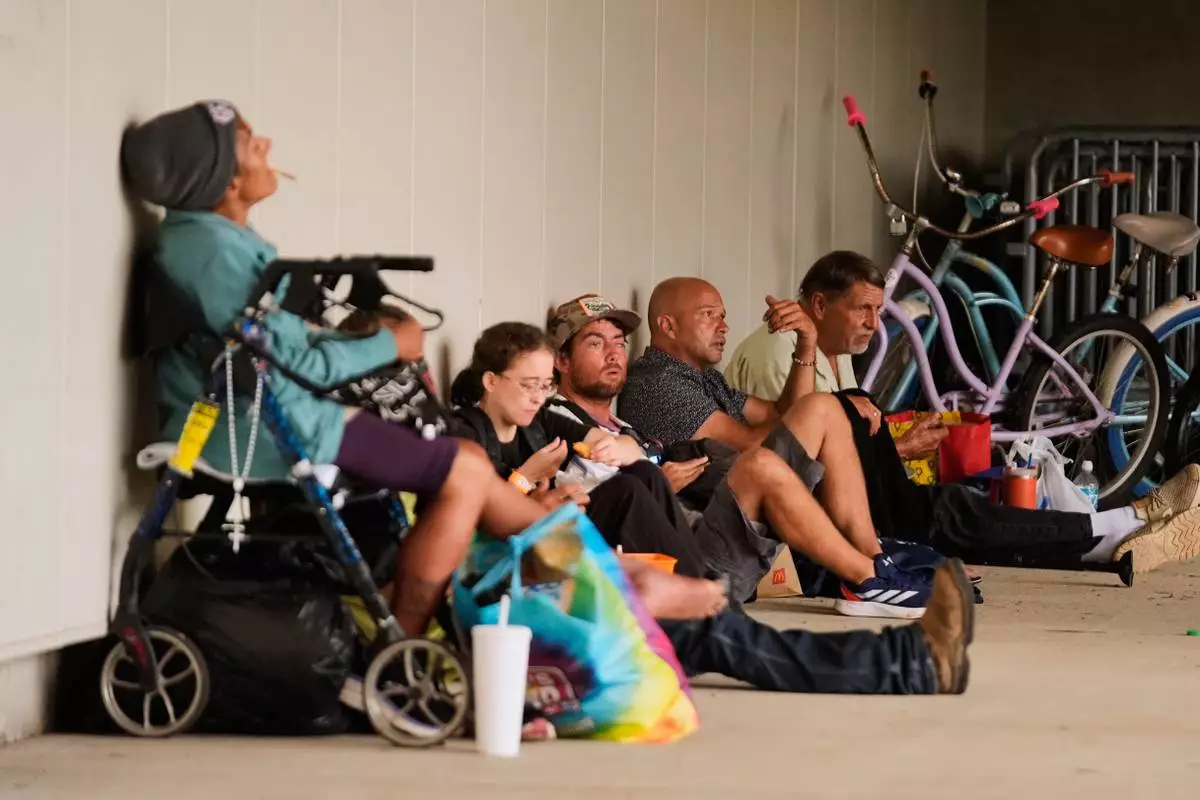
People sit outside an evacuation shelter as Hurricane Isaias approaches Pensacola, Fla., Friday, Oct. 9, 2026. (AP Photo/Gerald Herbert)
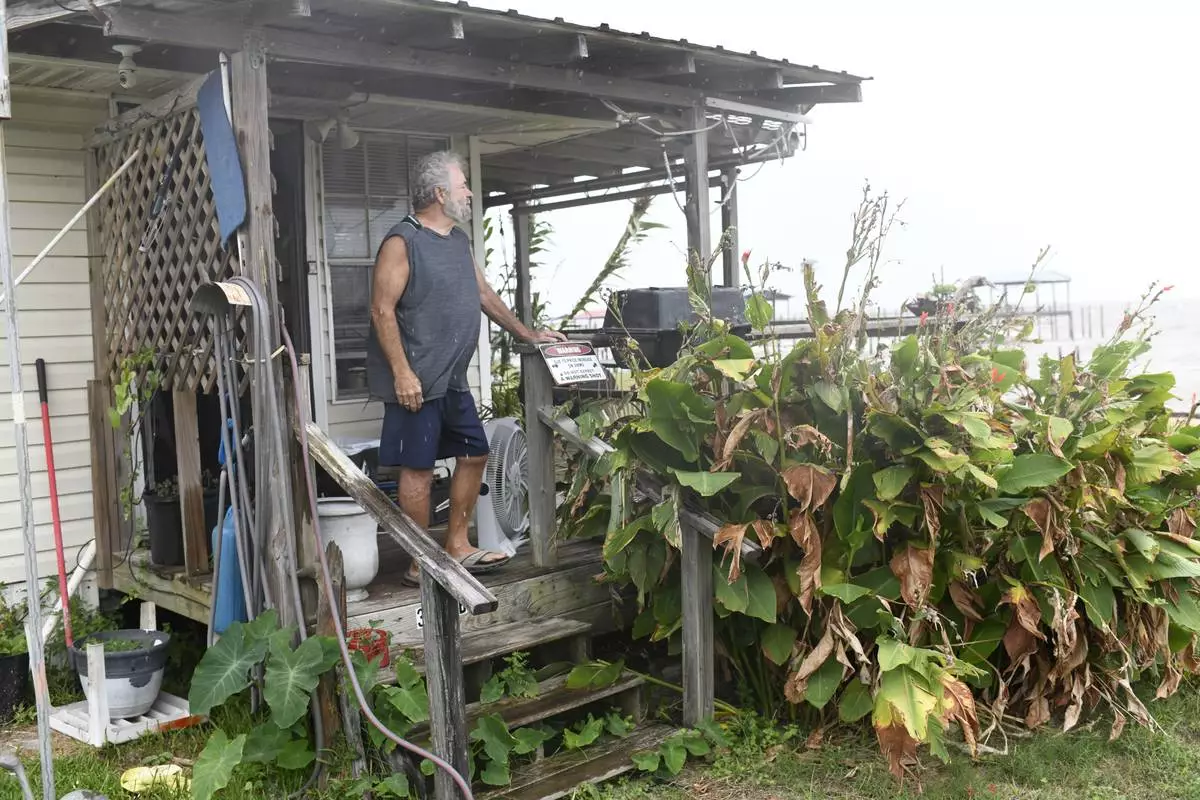
Jim McKenzie looks out over an empty beach as the effects of Isaias keep beachgoers away on Friday, Oct. 9, 2026, on Mon Louis Island, Ala.(AP Photo/Octavio Jones)
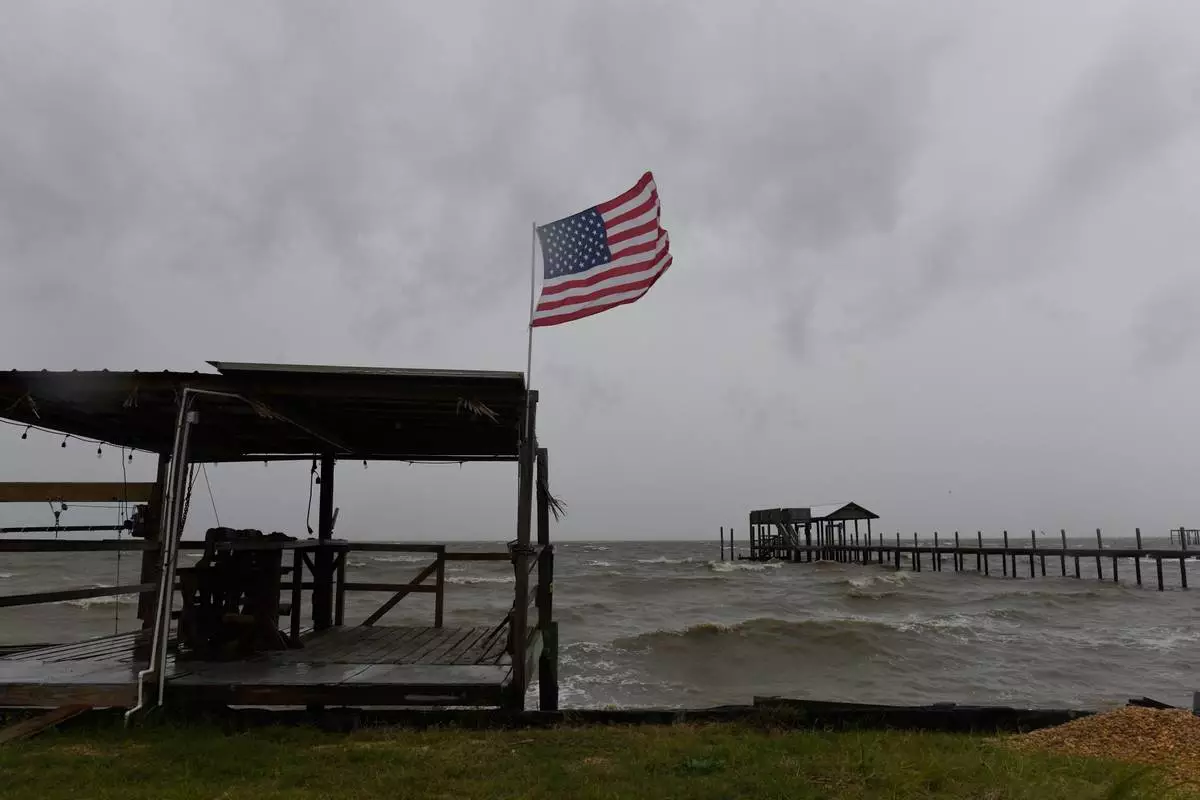
An American flag flaps in the wind generated by the effects of Isaias on an empty beach on Friday, Oct. 9, loom overhead on Friday, Oct. 9, 2026, in Mon Louis Island, Ala. (AP Photo/Octavio Jones)
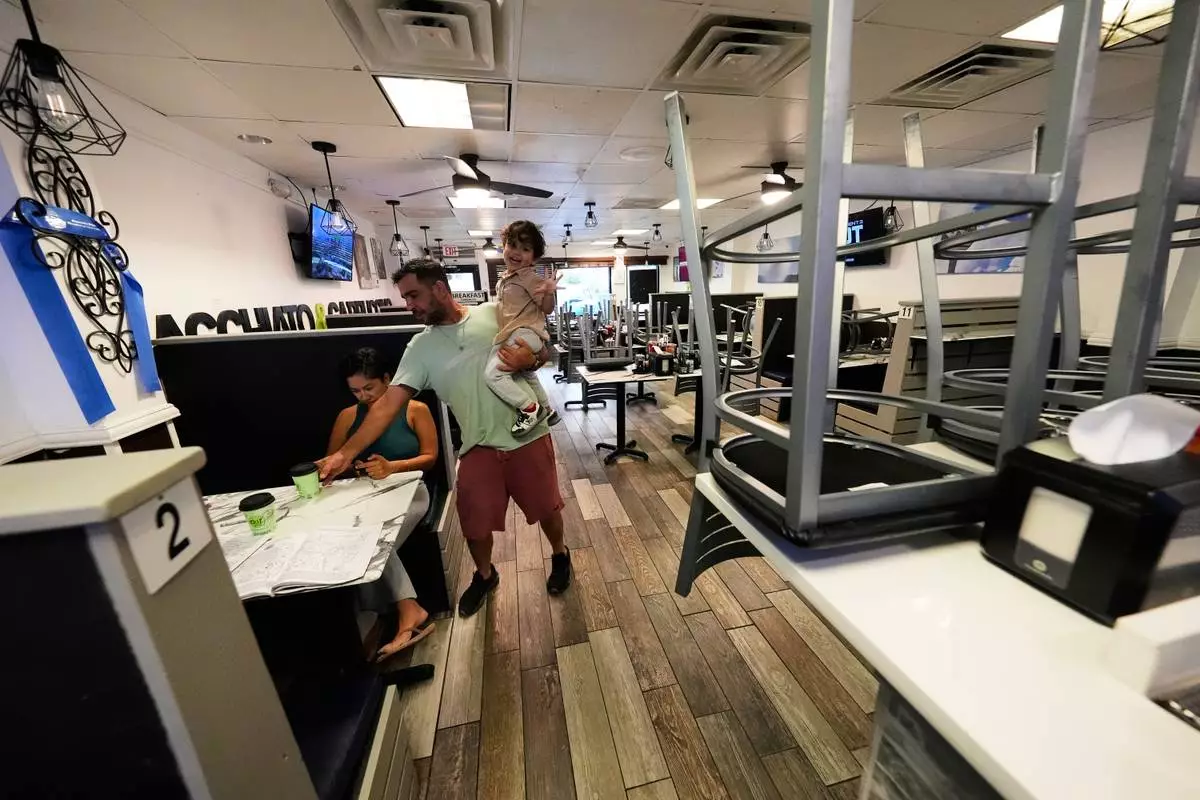
Shahar David, employee at Cafe Bistro, feeds his family before closing as Hurricane Isaias approaches Pensacola Beach, Fla., Friday, Oct. 9, 2026. (AP Photo/Gerald Herbert)
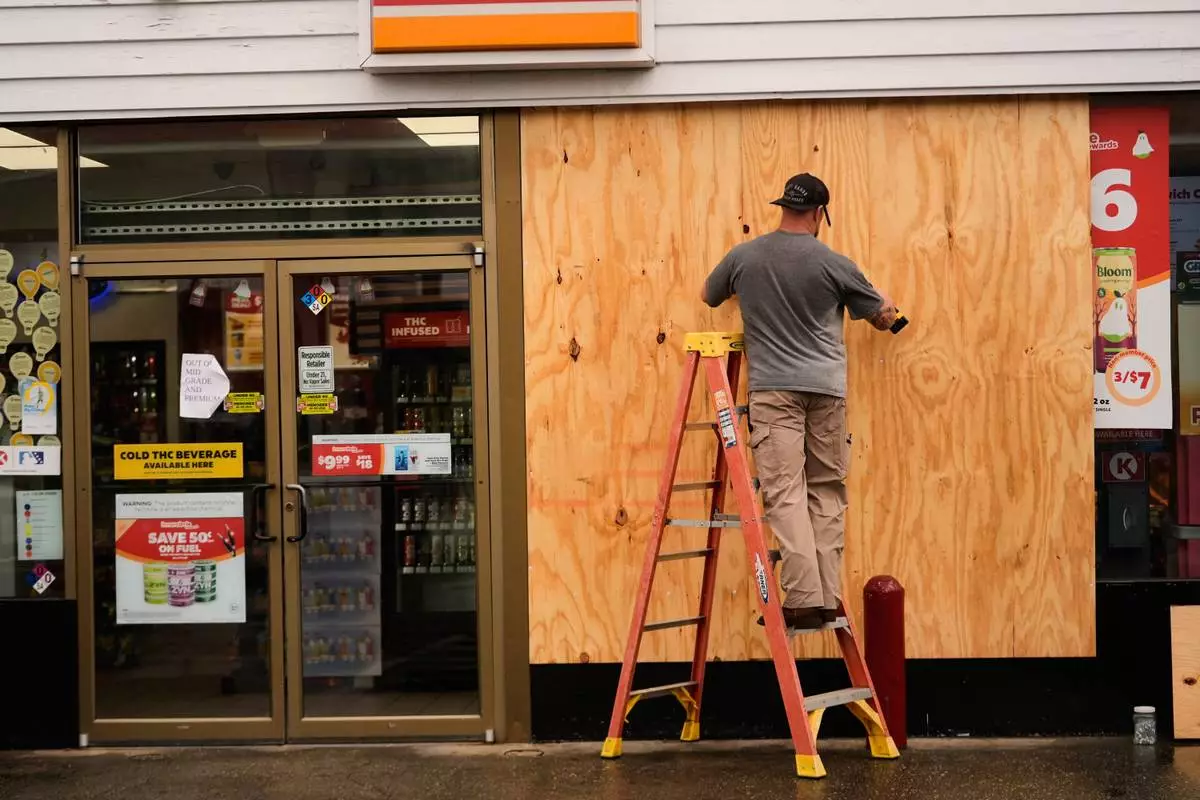
Jason Coffey boards up a convenience store at a gas station as Hurricane Isaias approaches Pensacola Beach, Fla., Friday, Oct. 9, 2026. (AP Photo/Gerald Herbert)
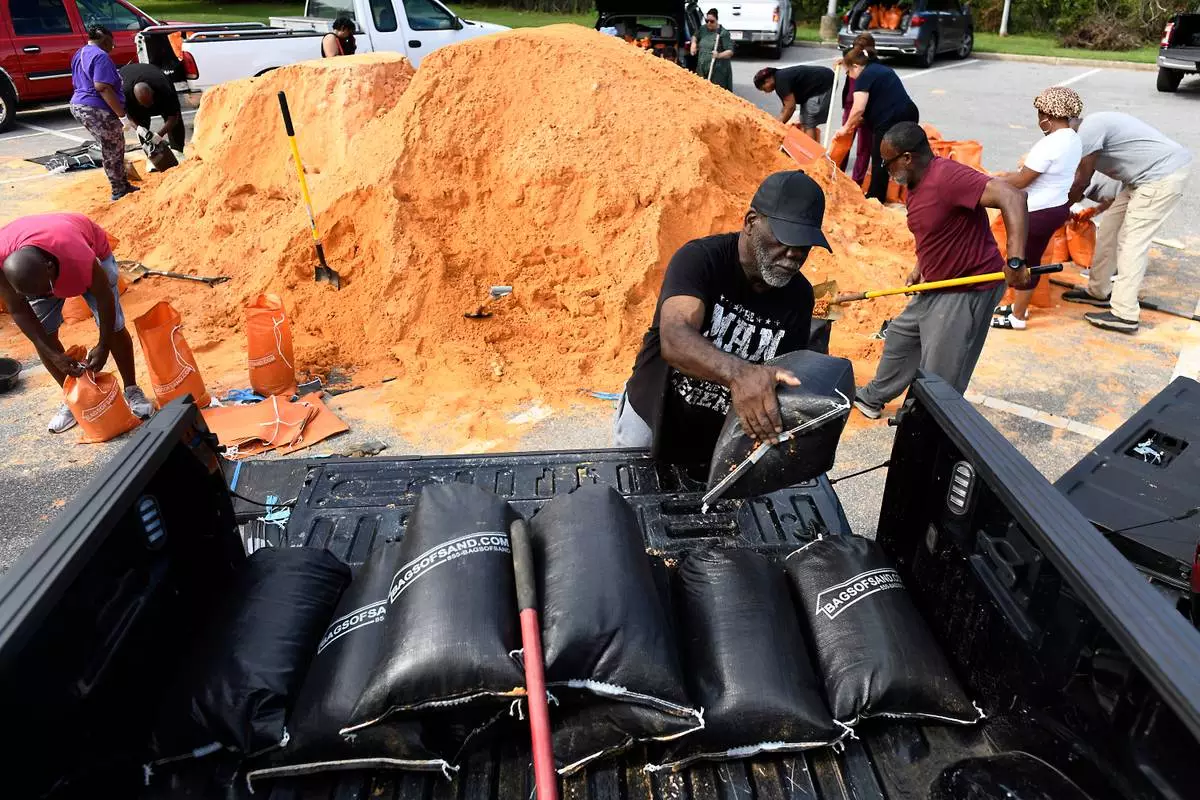
Residents pick up sandbags for storm preparation at the James Seals Jr. Parks & Recreation Center ahead of Hurricane Isaias' expected landfall along the Gulf Coast, Thursday, Oct. 8, 2026, in Mobile, Ala. (AP Photo/Octavio Jones)
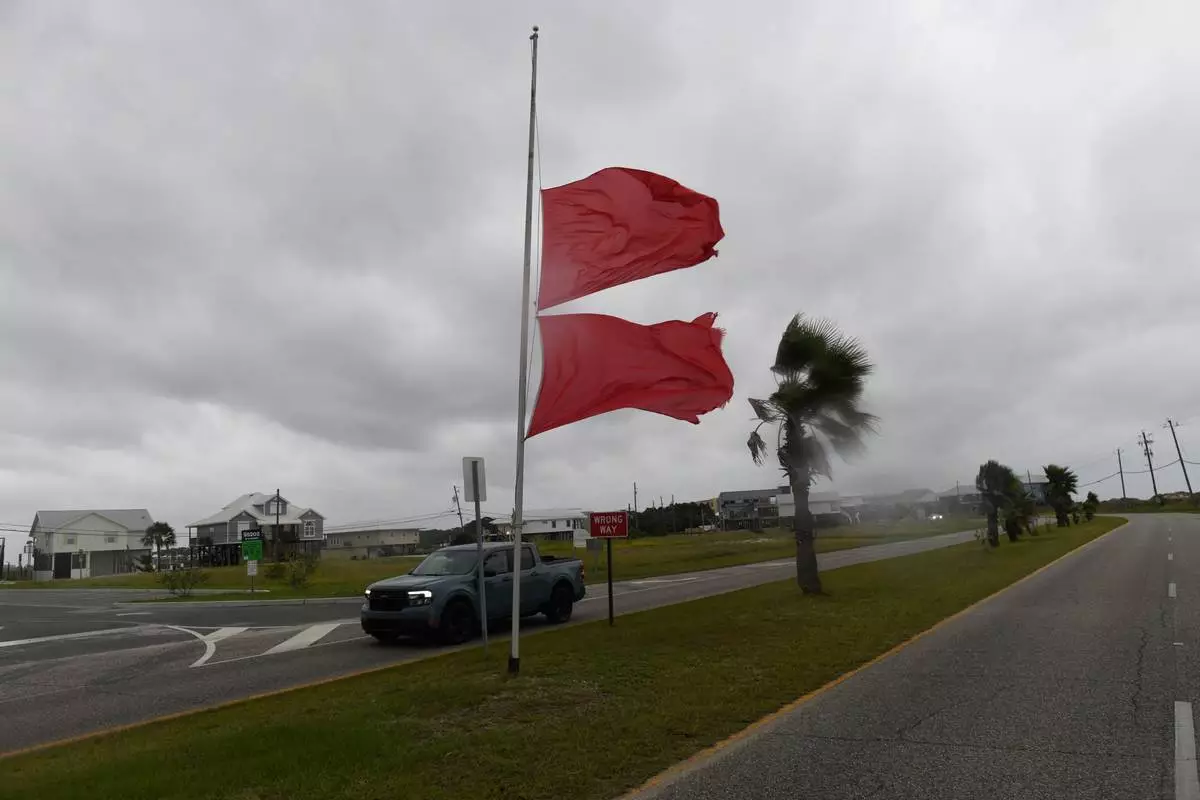
Marine flags flap in the wind generated by the effects of Isaias as a vehicle passes on Friday, Oct. 9, 2026, in Dauphin Island, Ala. (AP Photo/Octavio Jones)
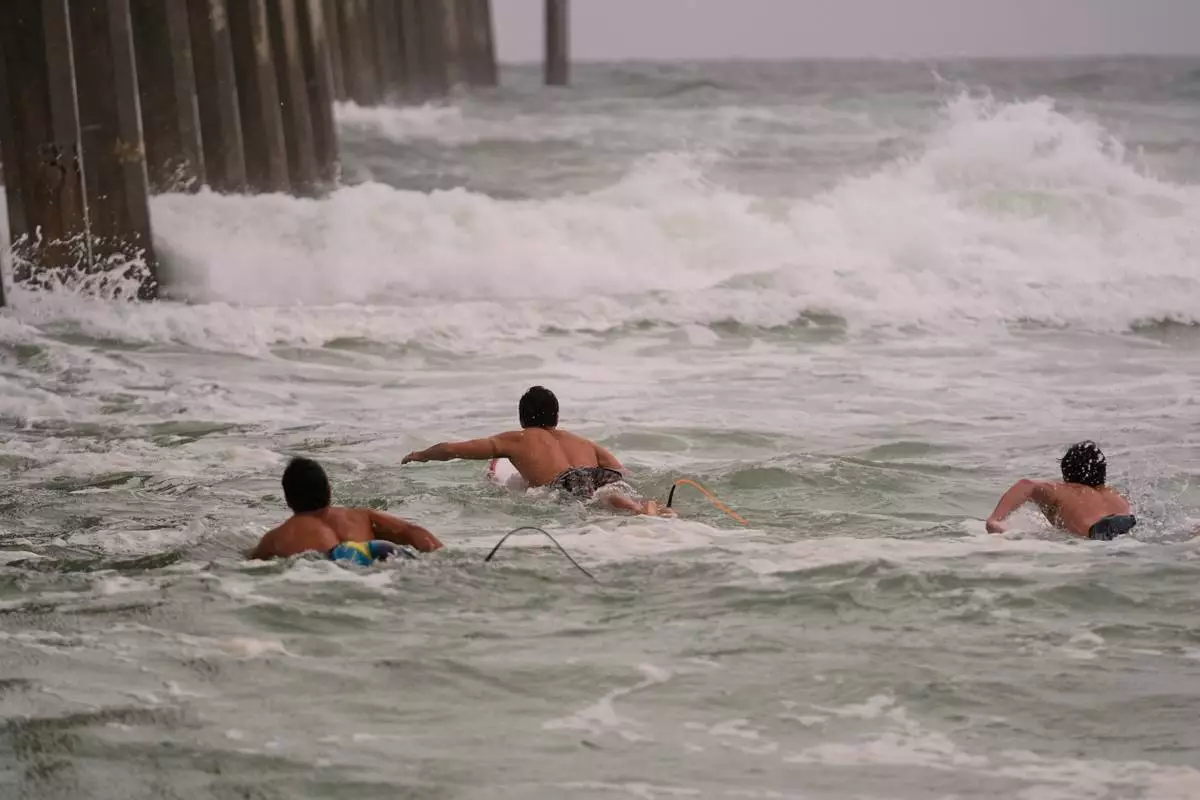
Surfers swim out to waves as Hurricane Isaias approaches Pensacola Beach, Fla., Friday, Oct. 9, 2026. (AP Photo/Gerald Herbert)
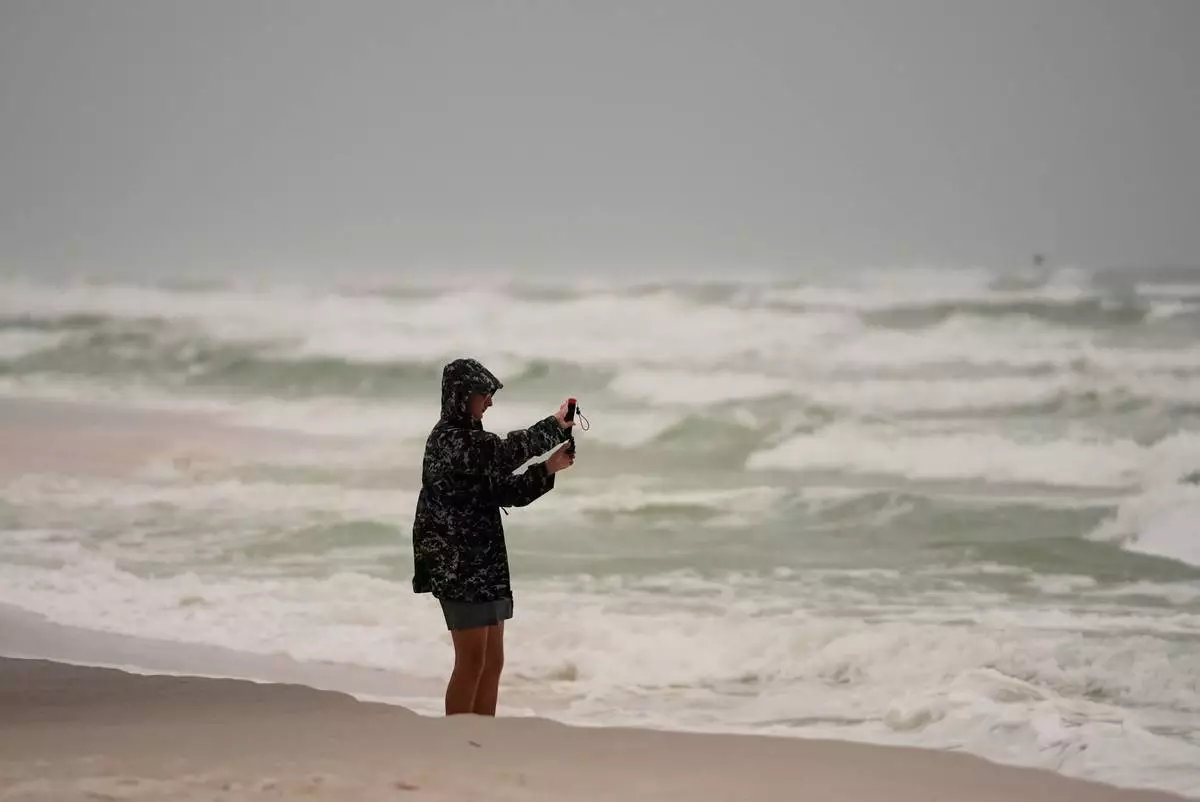
Silas Bowles, of Gulf Breeze, Fla. films the surf as Hurricane Isaias approaches Pensacola Beach, Fla., Friday, Oct. 9, 2026. (AP Photo/Gerald Herbert)
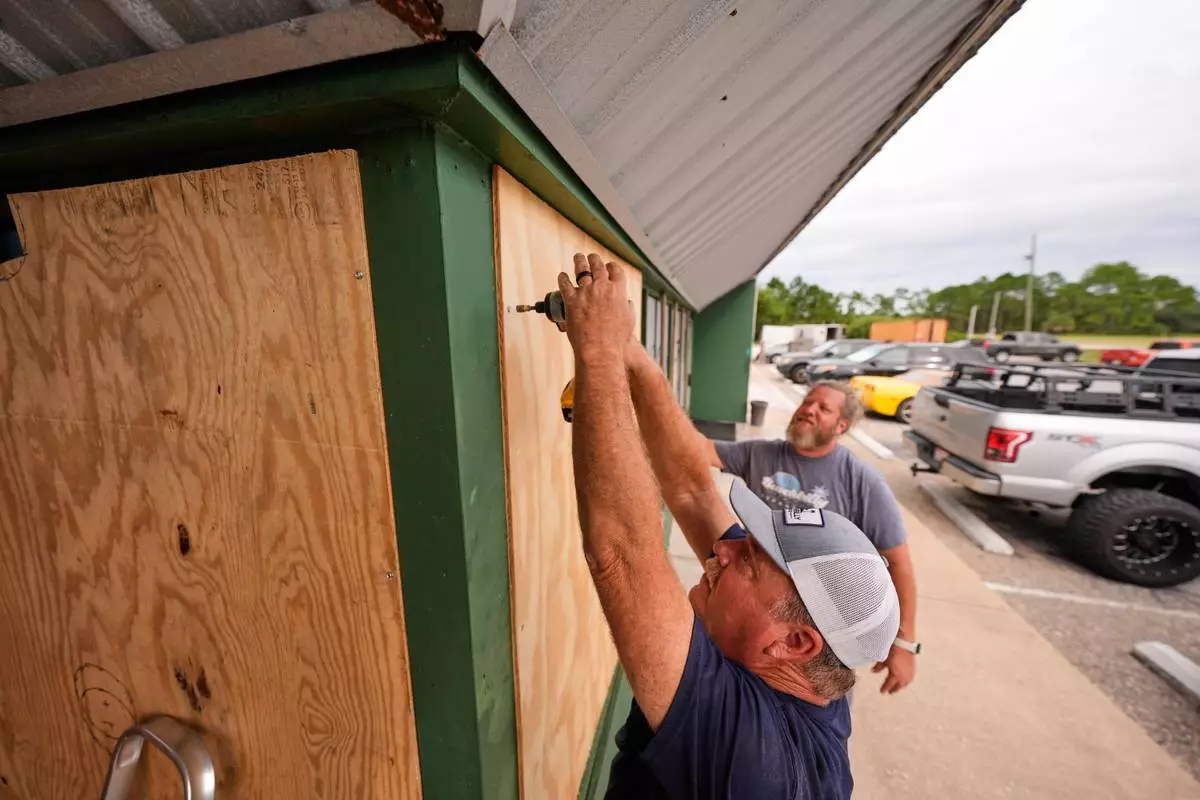
Mike Howard, foreground, and Joshua Brown board up Perdido Key Sports Bar as Hurricane Isaias approaches Perdido Key, Fla., Thursday, Oct. 8, 2026. (AP Photo/Gerald Herbert)
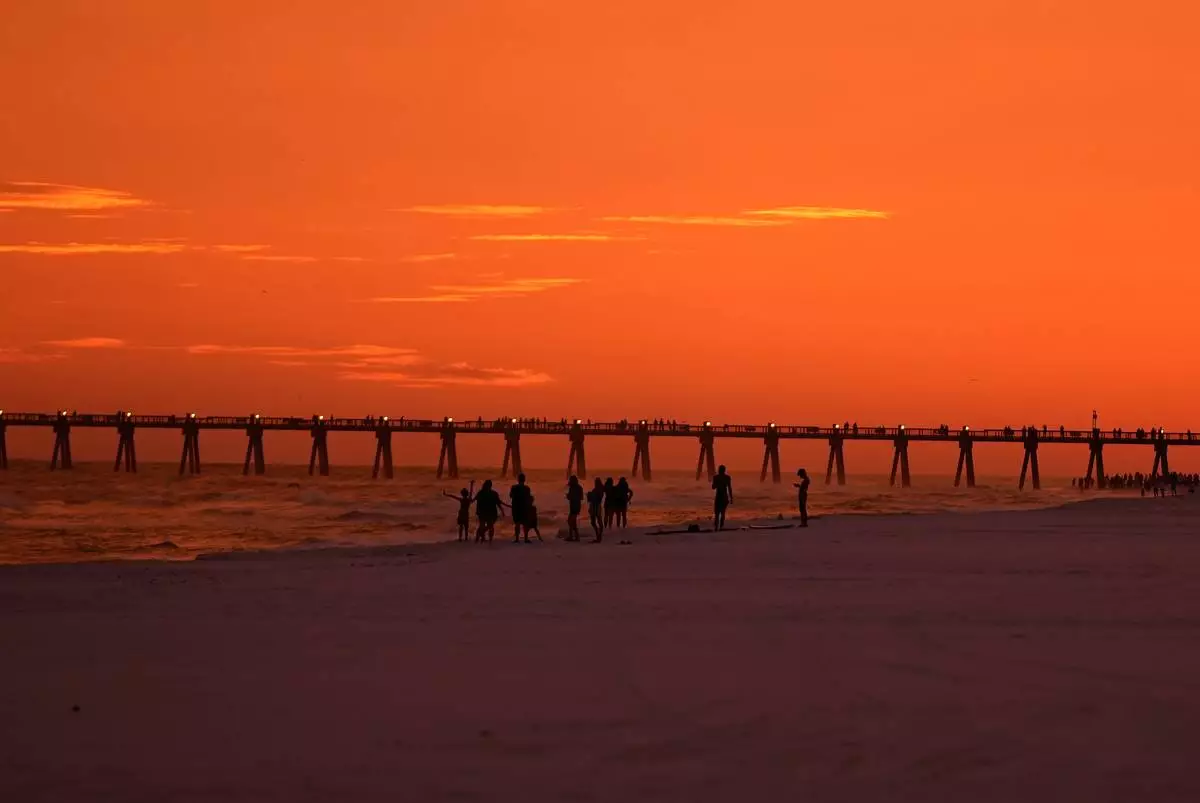
People walk on the beach at sunset as Hurricane Isaias approaches Pensacola Beach, Fla., Thursday, Oct. 8, 2026. (AP Photo/Gerald Herbert)
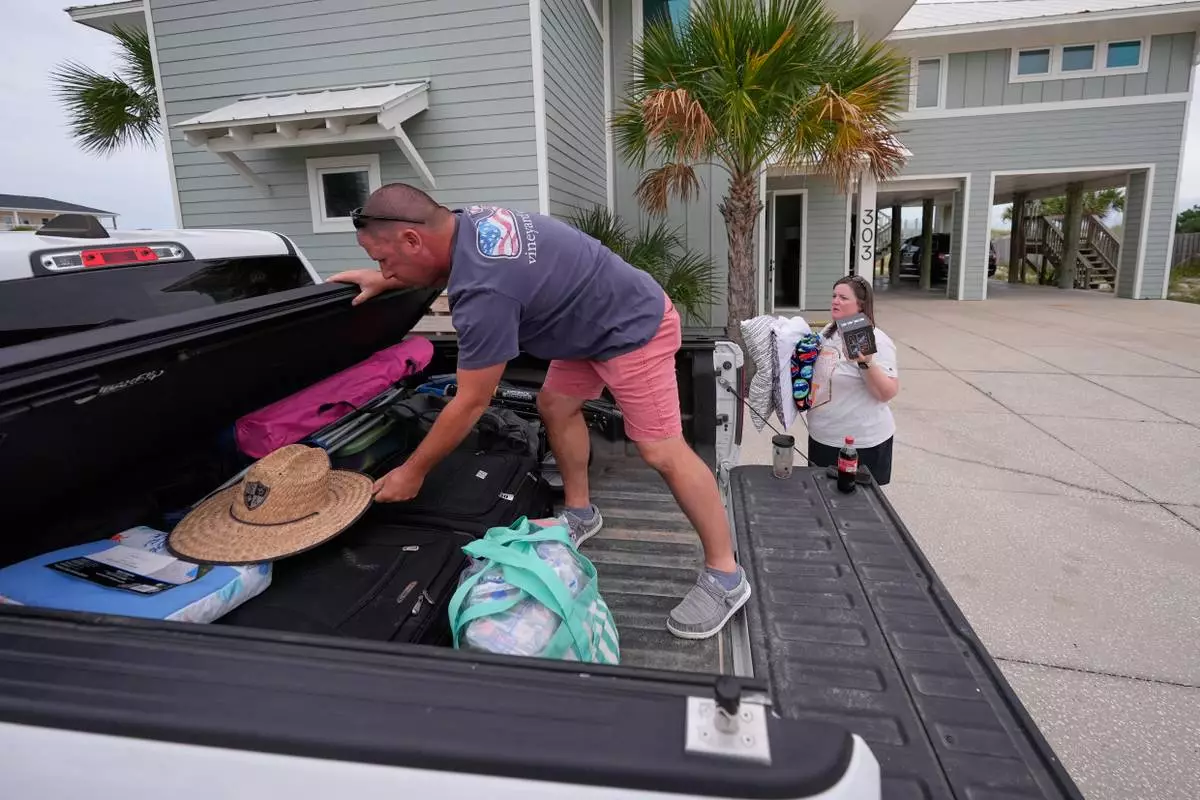
Daniel and Brand Harp, of Lebanon Tenn., here on vacation, pack their belongings to evacuate in the morning as Hurricane Isaias approaches Pensacola Beach, Fla., Thursday, Oct. 8, 2026. (AP Photo/Gerald Herbert)
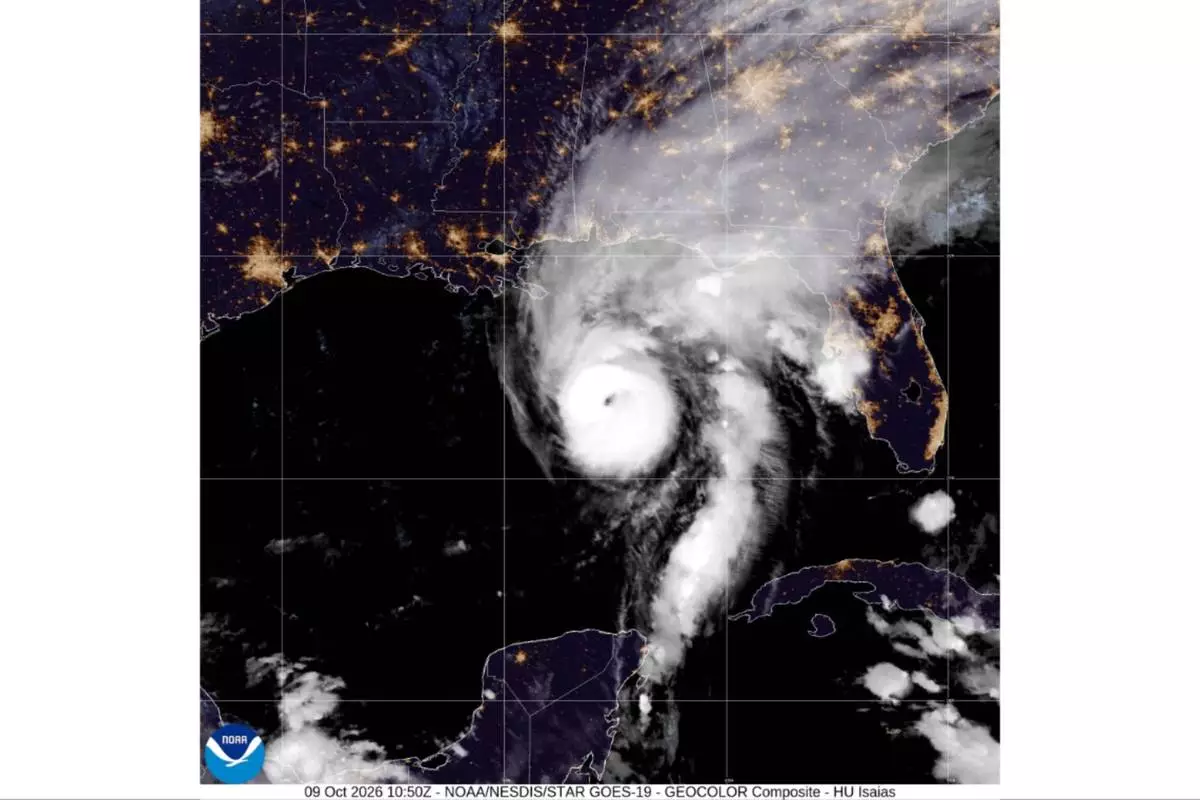
This satellite image from the National Oceanic and Atmospheric Administration shows Hurricane Isaias in the Gulf of Mexico, Friday, Oct. 9, 2026. (National Oceanic and Atmospheric Administration via AP)
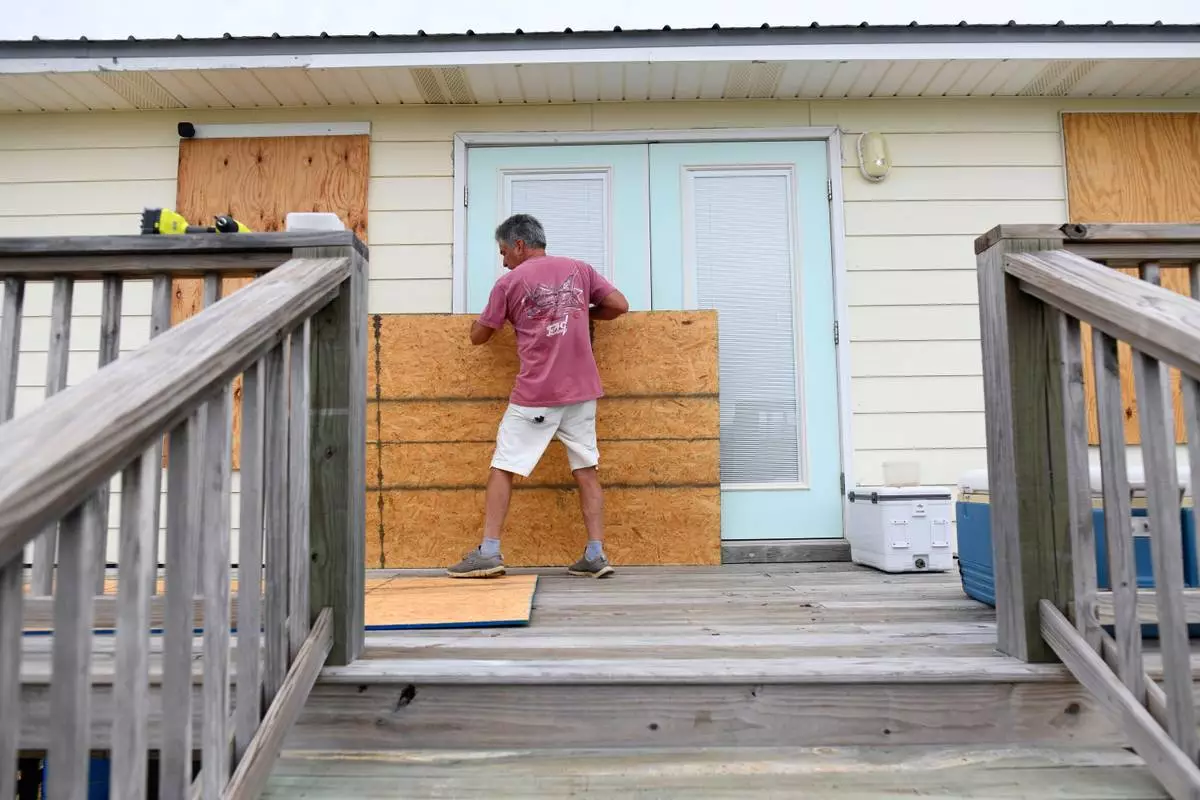
Larry Smith boards up his home with plywood ahead of Hurricane Isaias' expected landfall along the Gulf Coast in Dauphin Island, Alabama, Thursday, Oct. 8, 2026. (AP Photo/Octavio Jones)