MIAMI GARDENS, Fla. (AP) — Tom Garfinkel is stepping down as the Miami Dolphins' president and CEO after 13 years, the team announced Tuesday amid a handful of operational changes in the organization.
He will remain part of the organization as vice chairman of the Dolphins and Hard Rock Stadium, as well as managing partner of the Miami Grand Prix, but is stepping away from day-to-day responsibilities.
Also Tuesday, the Dolphins announced that Daniel Sillman, the son-in-law of owner Stephen Ross, will oversee football operations for the team, with head coach Jeff Hafley, general manager Jon-Eric Sullivan and executive vice president of football operations Brandon Shore reporting directly to him.
Sillman was also named CEO of Ross Sports & Entertainment, a new company that will merge Ross' sports holdings — the Dolphins, Hard Rock Stadium, the Miami Grand Prix, the Miami Open tennis tournament and the Precision Drive Club — into one entity. Sillman is the co-founder and executive chairman of the sports and media rights company Relevent.
“Tom has had one of the most impactful executive tenures in professional sports history,” Ross said in a statement released by the Dolphins. “When he joined our organization, we envisioned creating a world-class sports and entertainment company that would redefine what was possible for a franchise, a stadium and a community. Together we turned that vision into reality. ... Tom assembled an extraordinary leadership team and created an incredible foundation for continued growth. While he is stepping away from the day-to-day responsibilities of CEO, I am grateful that he will continue to play an important role as Vice Chairman and a trusted advisor to Danny and me."
Since joining the Dolphins in 2013, Garfinkel spearheaded the business turnaround of the organization. He had a primary role in bringing Formula 1 racing to Miami through the Miami Grand Prix, securing the event through 2041. He also established a 30-year agreement to host the Miami Open tennis tournament at Hard Rock Stadium and won bids to host the 2020 Super Bowl, the 2021 and 2026 College Football Playoff National Championship games and seven matches during the 2026 World Cup.
“I love the Dolphins and the people here, but after 13 years it was just the right time for me to make this decision,” Garfinkel said in a statement. “The business has never been in a better place and the team of people we have here is second to none in sports.”
AP NFL: https://apnews.com/hub/NFL
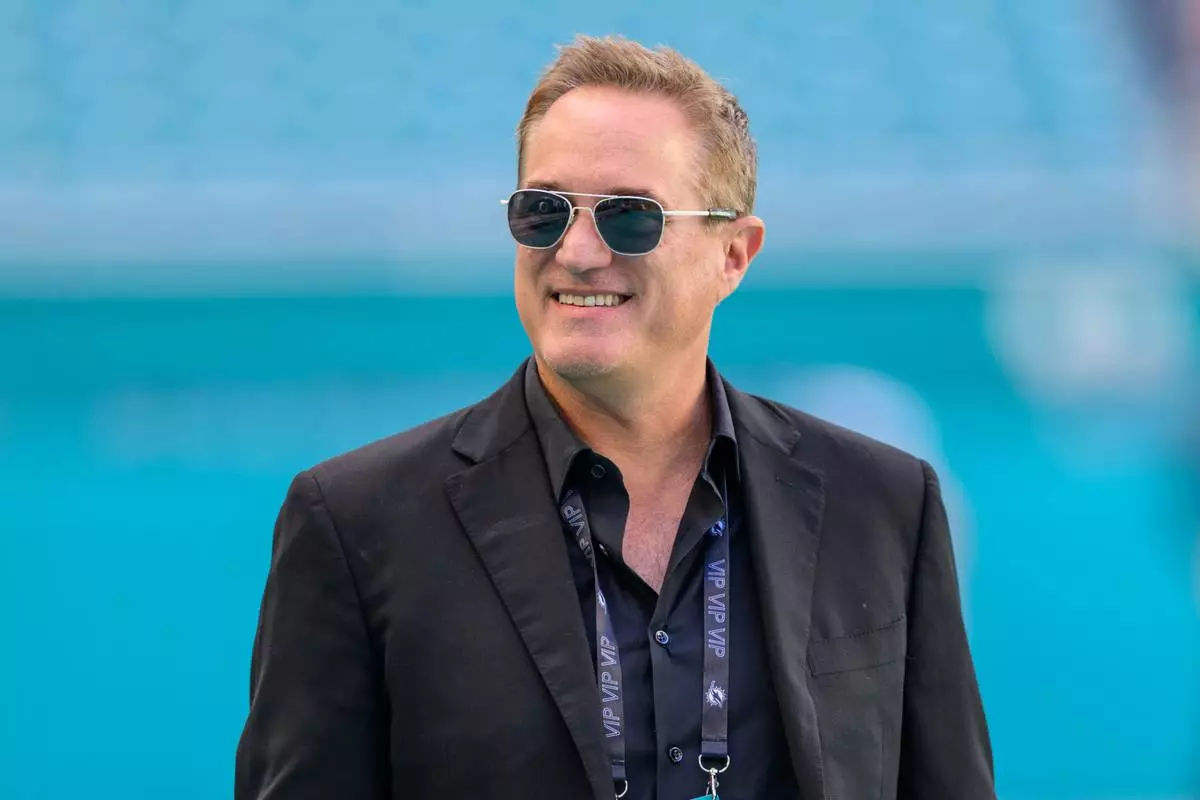
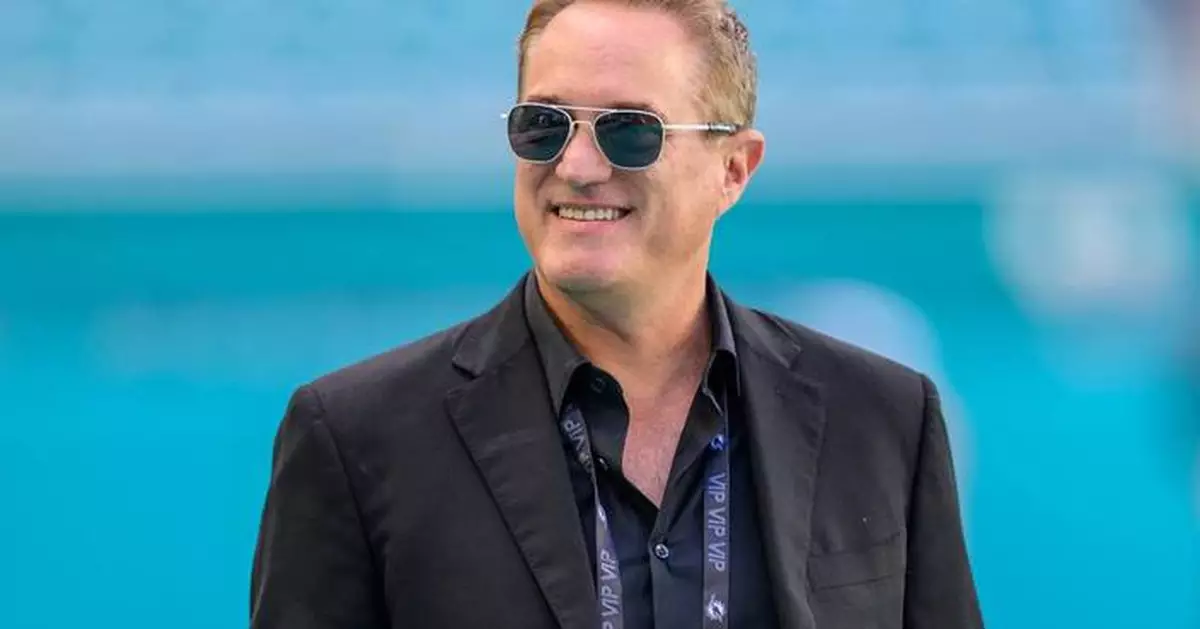
FILE - Tom Garfinkel, the Miami Dolphins vice chairman, president and chief executive officer, smiles as he walks on the sidelines before an NFL football game against the San Francisco 49ers, Dec. 22, 2024, in Miami Gardens, Fla. (AP Photo/Doug Murray, File)
NEW YORK (AP) — Big oil companies continue to book massive profits as fighting in Iran disrupts energy markets and sends oil and gasoline prices sharply higher.
Six of Europe’s largest oil companies posted combined first-quarter profits of $22 billion, more than 40% higher than last year. Profits at BP, based in London, more than doubled to $3.9 billion in the second quarter, the company said Tuesday.
And Saudi Aramco reported a 44% year-on-year increase in second-quarter net profit that reached $32.69 billion, driven by higher crude oil, refined products and chemicals prices.
The supercharged performances from big oil in Europe and the Middle East follow reports of enormous profits from the largest U.S. oil drillers last week.
As the conflict has dragged on, high oil prices have driven up the cost of gasoline, jet fuel and diesel, which has led to higher shipping costs. In the West, filling up the car or buying a plane ticket is costing consumers more. But the situation in parts of Asia are more dire because the region depends more heavily on fuel exported through the Strait of Hormuz. Fuel supplies have run low in some countries, leading to rationing and sporadic closures of schools and government offices.
Despite oil prices falling to their lowest level in three weeks Tuesday, big U.S. energy companies drew the ire of President Donald Trump, who criticized them this week for their outsized profits.
Trump said he’s not happy with Chevron and Exxon Mobil, though energy prices skyrocketed only after the U.S. and Israel attacked Iran in late February, and the Strait of Hormuz was effectively closed off to tanker traffic.
About 20% of the world’s oil typically flows through the strait.
“They made too much money, too much money,” Trump said Monday. “They ought to give some of that back to the public, and they better cut the retail price.”
Exxon Mobil on Friday reported that its second quarter profits doubled to $14.5 billion, boosted by record diesel production. The oil giant, based in Spring, Texas, brought in $116 billion in revenue, up 42%.
Chevron, based in Houston, nearly quadrupled its profits to $12 billion and revenue jumped 56% to more than $70 billion.
On Tuesday, the price of U.S. crude oil fell 5.4%, or $4.36, to $75.98 per barrel. The sharp decline followed comments by Treasury Secretary Scott Bessent, who told CNBC that the U.S. and Iran “may have a deal today or tomorrow to open the Strait.”
Oil prices for U.S. crude are down from around $92 a barrel in late July, but still more than 13% higher than when the conflict with Iran started.
Brent crude, the international standard, fell 4.9% to $83.87 per barrel.
A resolution to the Iran conflict, which has lasted more than five months, could give oil shippers the ability to send vessels out of the Persian Gulf, where tankers of oil and other products have been trapped during the fighting.
Shares of major oil companies are up by around 20% to 30% this year, easily outpacing the 13% gains on the S&P 500.
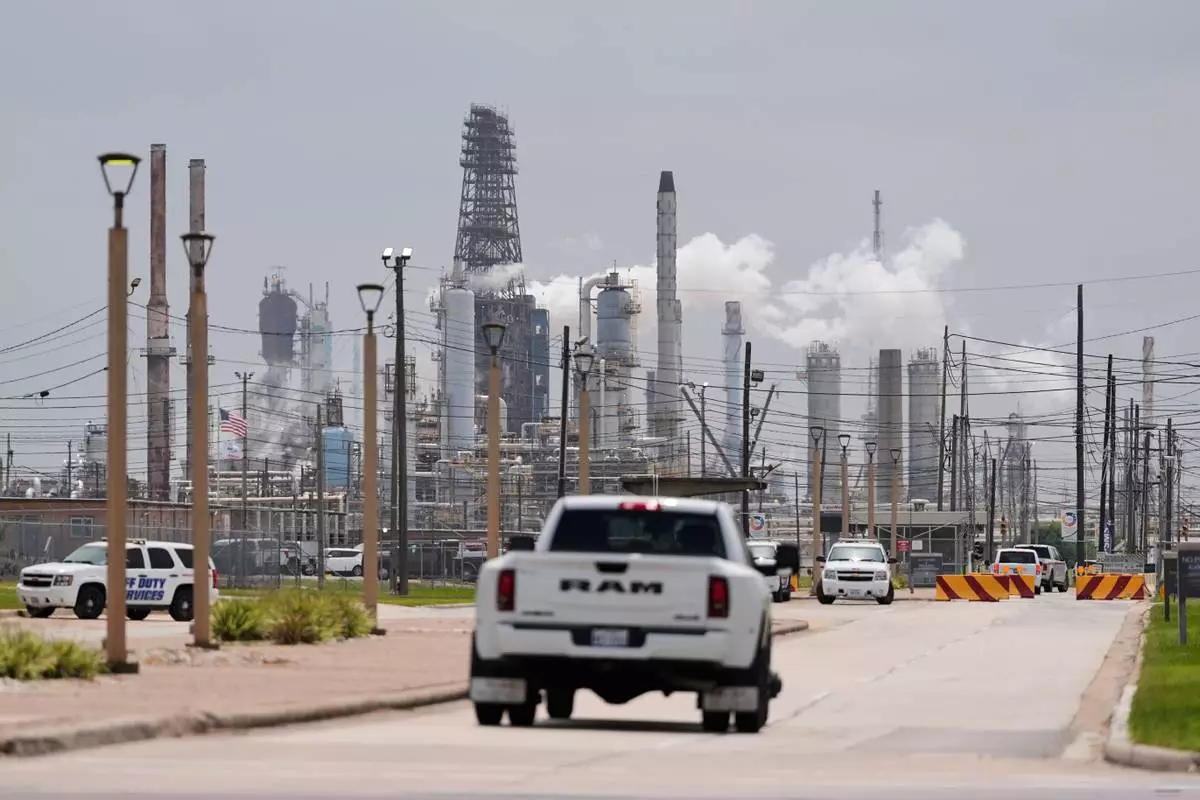
FILE- A truck enters the Exxon Mobil Baytown Olefins Plant, Wednesday, April 29, 2026, in Baytown, Texas. (AP Photo/Ashley Landis, File)
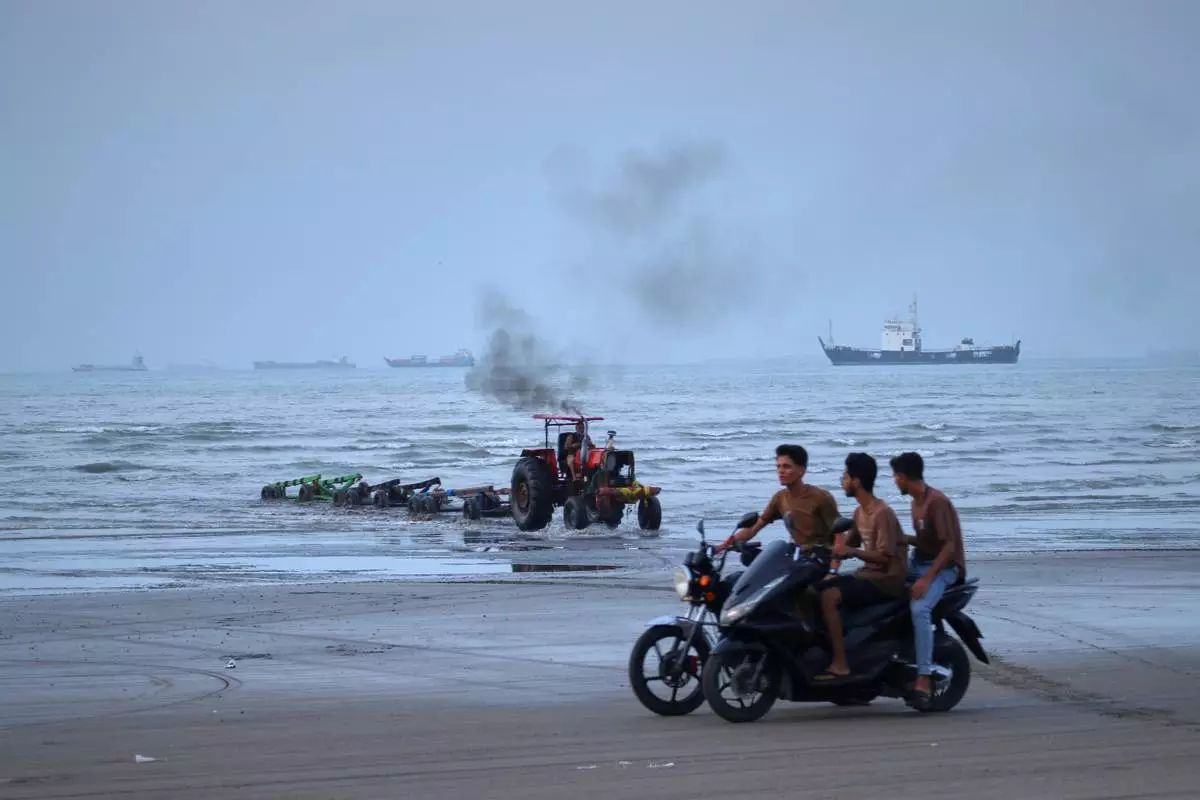
Young men ride motorcycles along the shore as a tractor pulls equipment from the water and commercial vessels appear anchored in the Strait of Hormuz off Bandar Abbas, Iran, Monday, July 27, 2026. (Razieh Poudat/ISNA via AP)
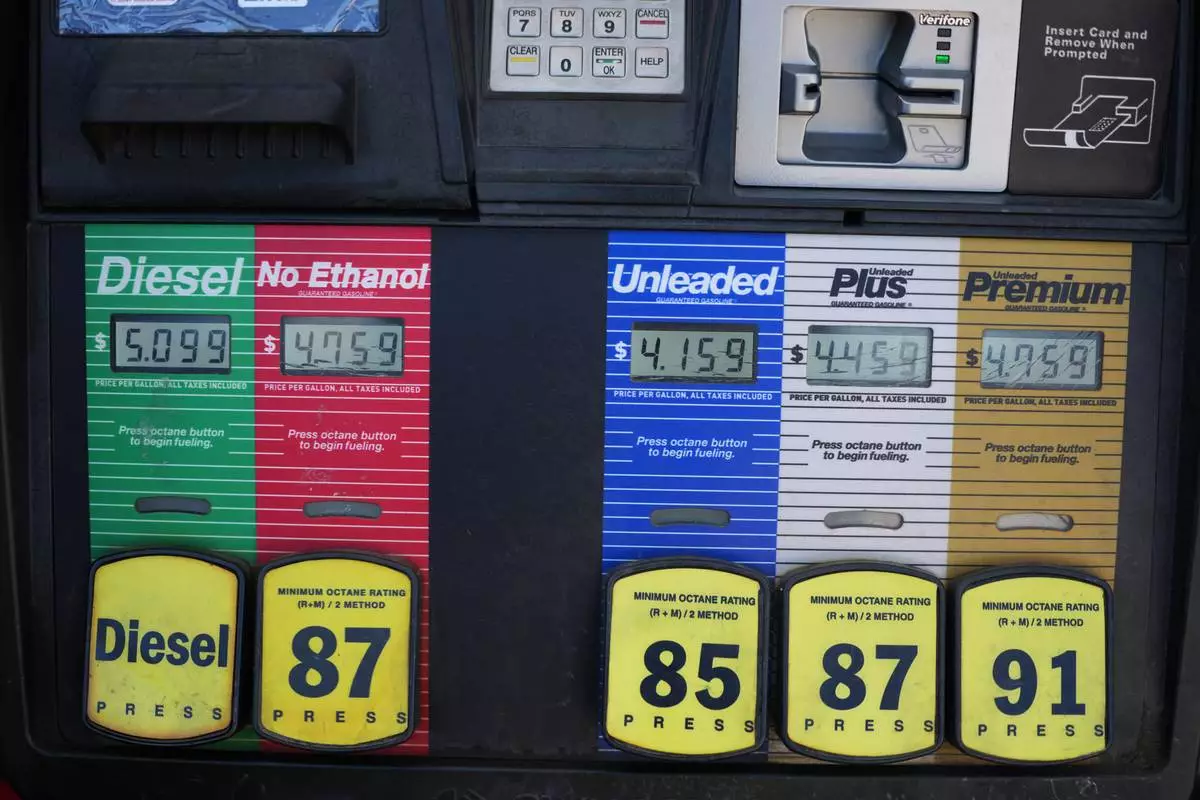
The per-gallon price is displayed electronically over the various grades of fuel available from a pump at a QT gasoline station Thursday, July 30, 2026, in Greenwood Village, Colo. (AP Photo/David Zalubowski)