The Hong Kong media delegation continued its visit to Xiamen on August 4, with a morning visit to the Xiamen Marine High-tech Industrial Park to gain first-hand insight into cutting-edge explorations in marine new quality productive forces.
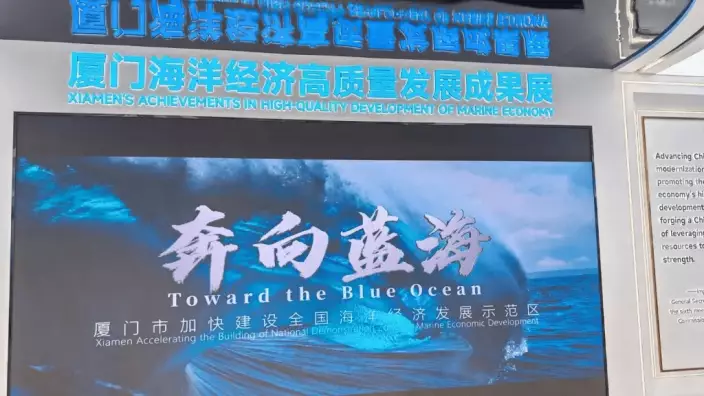
Photo by Bastille Post
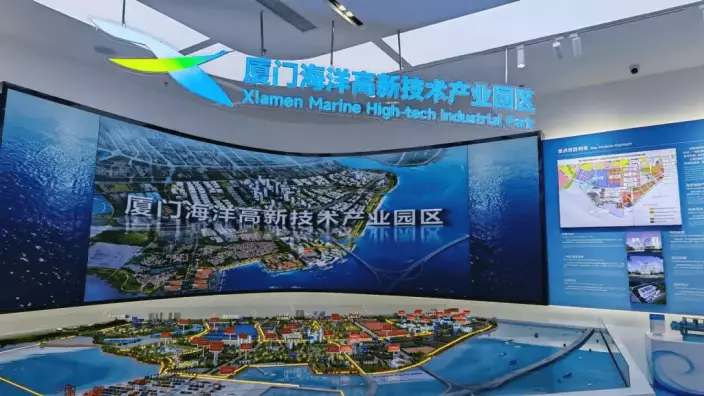
Photo by Bastille Post
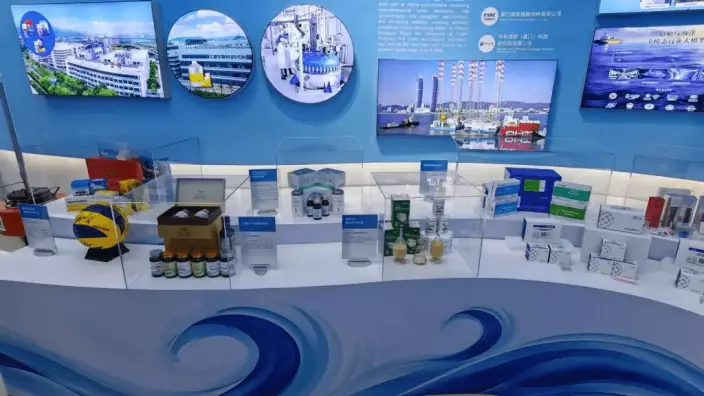
Photo by Bastille Post
Xiamen, born of and thriving on the sea, has a sea area of 333 square kilometres and a coastline of 265 kilometres, creating a distinctive landscape of "city upon the sea, sea within the city". Located in Xiang'an District, the Xiamen Marine High-tech Industrial Park is a core zone for Fujian's blue new quality productive forces. With a total investment exceeding RMB 17.5 billion, the park focuses on three frontier sectors: marine biomedicine, deep-sea intelligent equipment, and marine new materials. It is supported by innovation platforms including the Lujiang Innovation Laboratory and the Marine Innovation Industrial Park.
Click to Gallery
Photo by Bastille Post
Photo by Bastille Post
Photo by Bastille Post
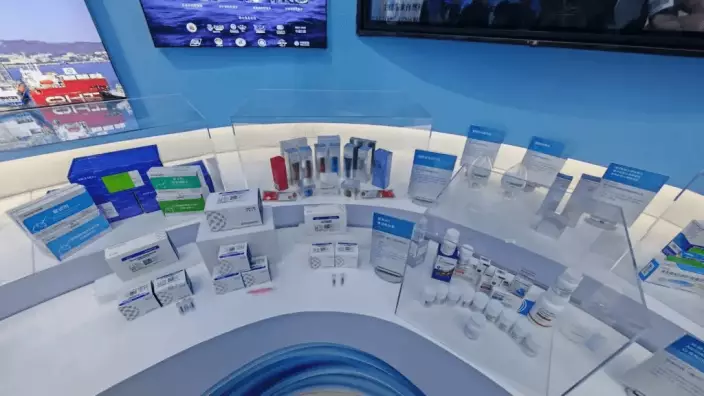
Photo by Bastille Post
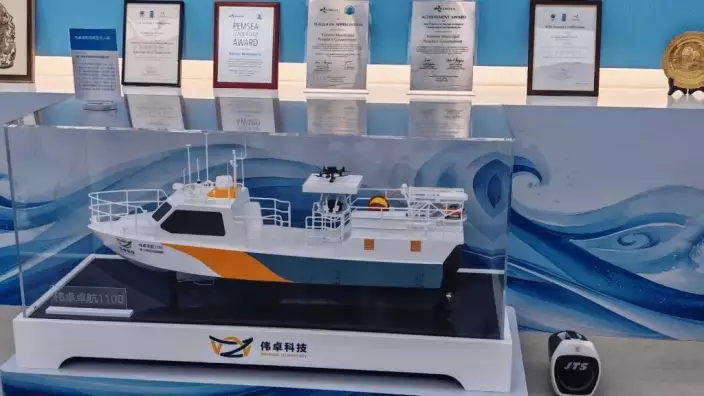
Photo by Bastille Post
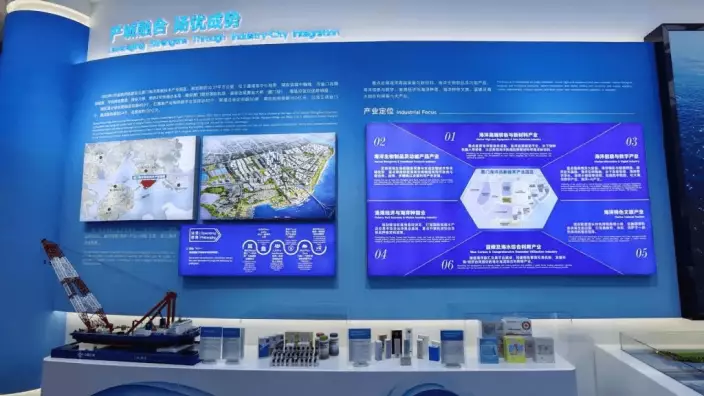
Photo by Bastille Post
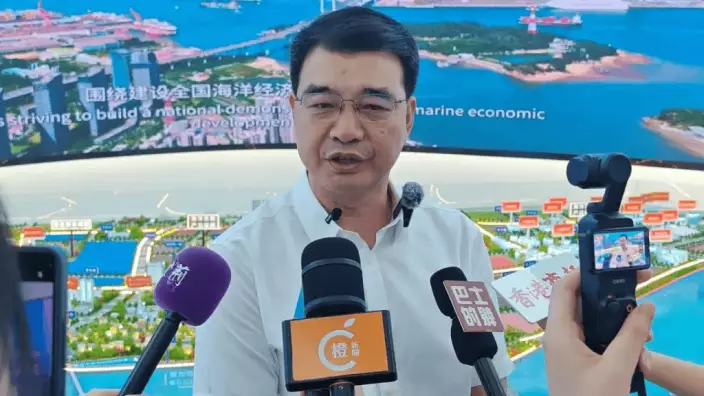
Zhang Liangsong, Deputy Head of the special working group for the Xiamen Marine High-tech Industrial Park, Photo by Bastille Post
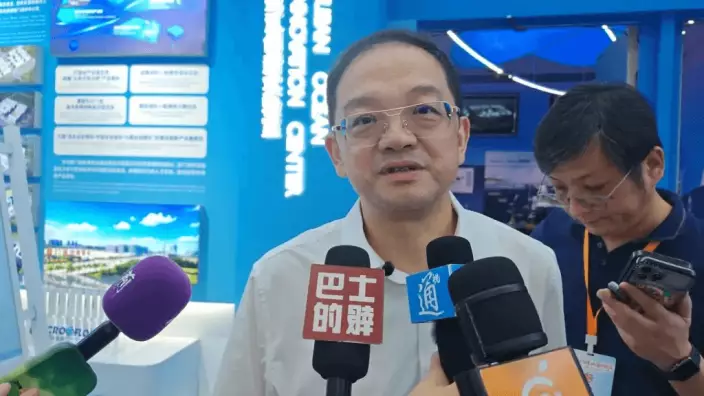
Zhou Hantao, Executive Deputy Director of the Lujiang Innovation Laboratory and Professor at Xiamen University, Photo by Bastille Post
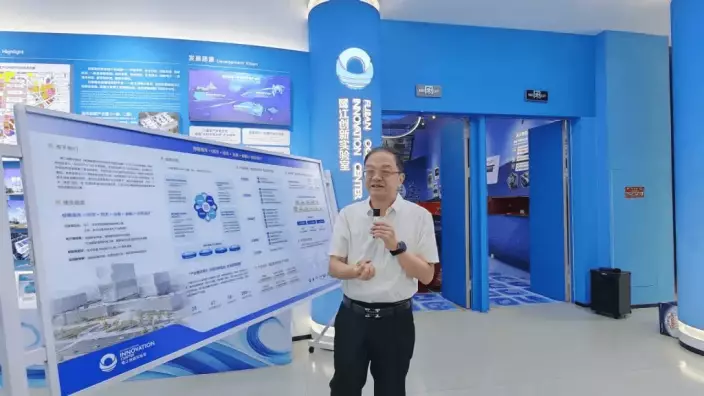
Zhou Hantao, Executive Deputy Director of the Lujiang Innovation Laboratory and Professor at Xiamen University, Photo by Bastille Post
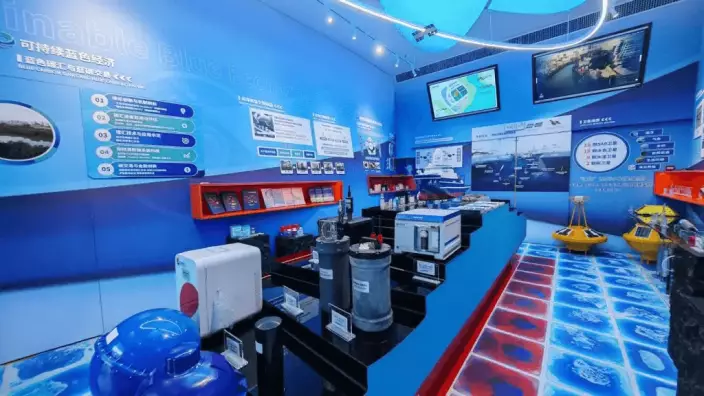
Photo by Bastille Post
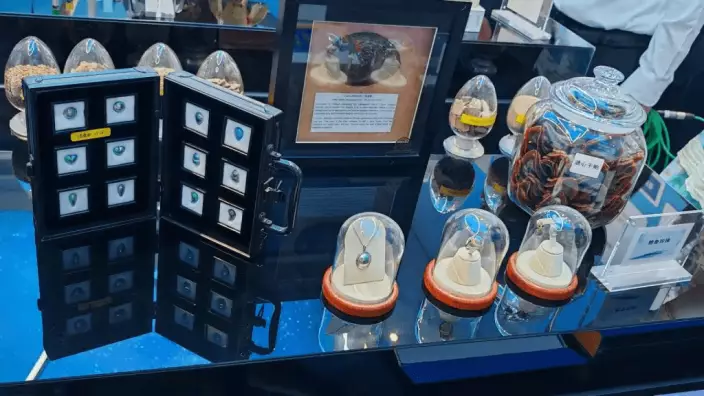
Lujiang Innovation Laboratory's abalone industry, Photo by Bastille Post
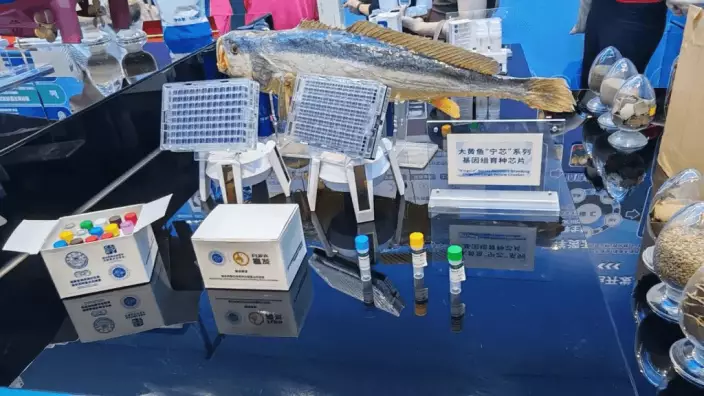
Large yellow croaker and its byproducts, Photo by Bastille Post
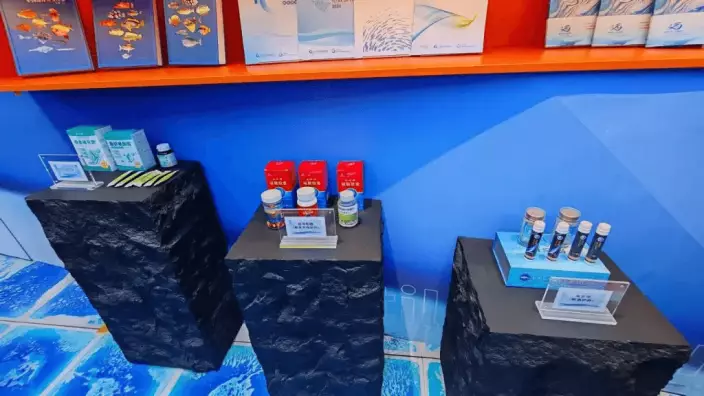
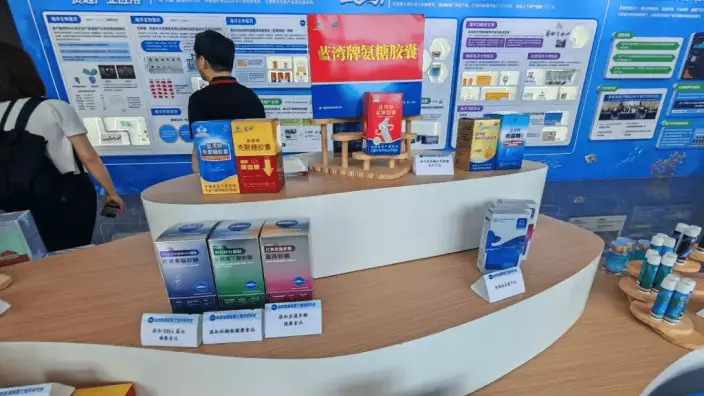
Marine-derived health supplements, Photo by Bastille Post
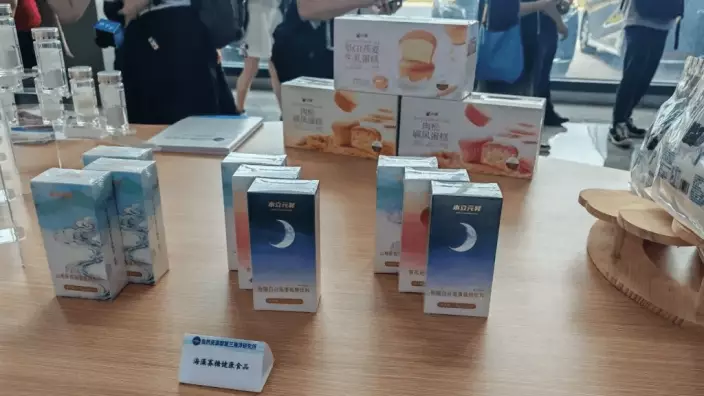
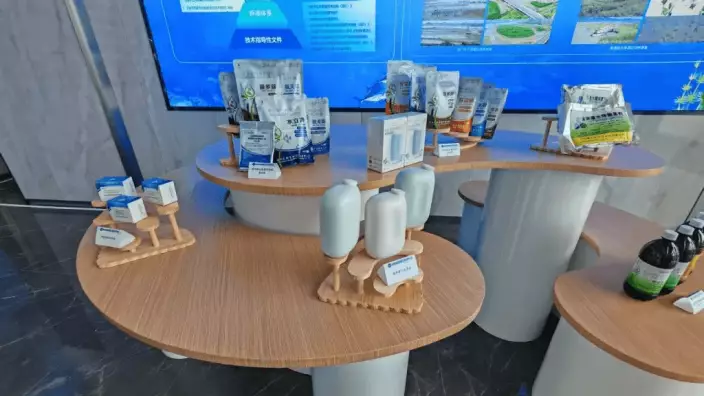
Products developed by the Third Institute of Oceanography, Photo by Bastille Post
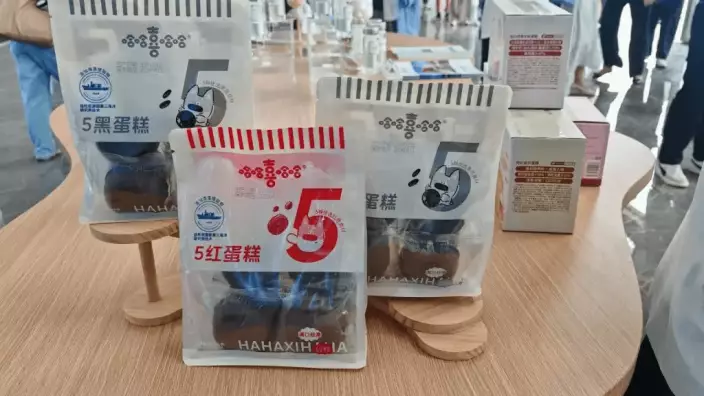
Products developed by the Third Institute of Oceanography, Photo by Bastille Post
Products developed by the Third Institute of Oceanography, Photo by Bastille Post
Products developed by the Third Institute of Oceanography, Photo by Bastille Post
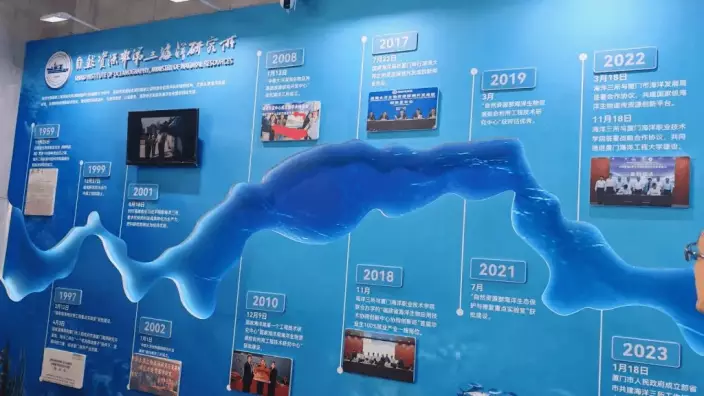
Photo by Bastille Post
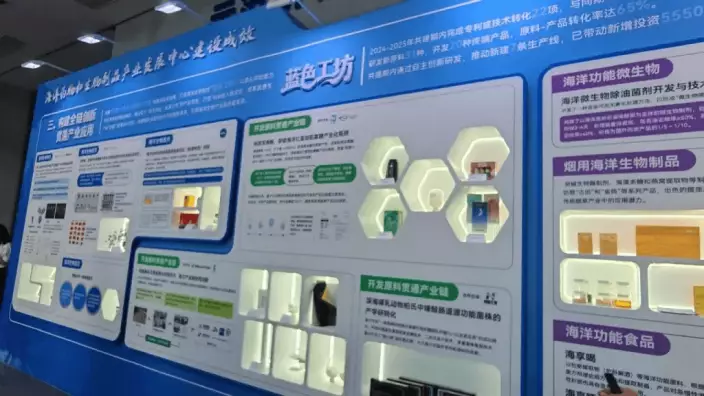
Photo by Bastille Post
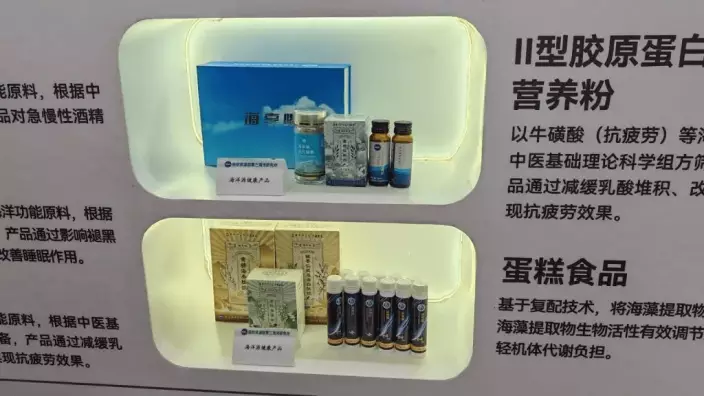
Photo by Bastille Post
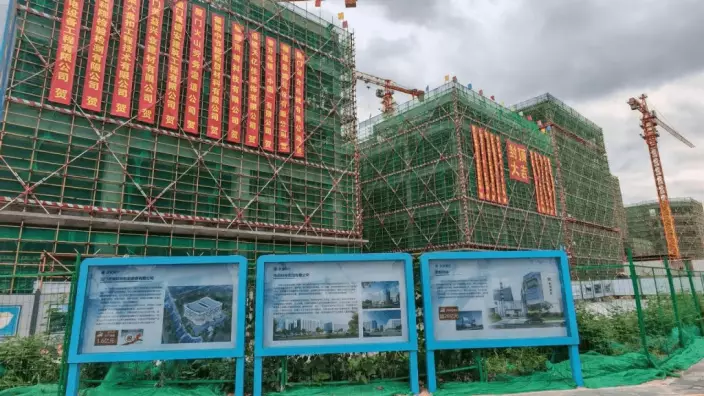
Topping-out site of the three industrial projects, Photo by Bastille Post
Photo by Bastille Post
Photo by Bastille Post
Photo by Bastille Post
The park adopts a systematic "Six-in-One" development model: a municipal state-owned enterprise, Marine Hi-Tech City Construction Co., Ltd. under the Torch Group, acts as the lead developer; a professional high-tech talent team has been assembled; a marine industry fund of RMB 2 billion has been established, with the first tranche of RMB 500 million fully in place and its first investment completed; and a cross-regional integrated development platform has been created, bringing in multiple national-level research bases such as the Lujiang Innovation Laboratory, the Xiang'an Base of the Third Institute of Oceanography, the Jimei University Marine Wind Research Institute, and the Xiamen Marine Centre of the Ministry of Natural Resources, providing key technologies and talent for the park's industrial growth.
The park is currently building three complete innovation industrial chains – marine three-dimensional detection, marine components, and marine biomedicine – which directly correspond to the three core research divisions of the Lujiang Innovation Laboratory. This establishes a full industrial ecosystem featuring "leading enterprises providing direction, small and medium-sized enterprises clustering together, and incubators nurturing micro-marine enterprises". The park is also leveraging the laboratory's cooperation resources with Hong Kong and Macau, connecting major Hong Kong universities with park enterprises, attracting young overseas research talent, and providing comprehensive talent support policies and industrial funds to facilitate two-way exchanges of marine technology and market resources.
Zhang Liangsong, Deputy Head of the special working group for the Xiamen Marine High-tech Industrial Park, Photo by Bastille Post
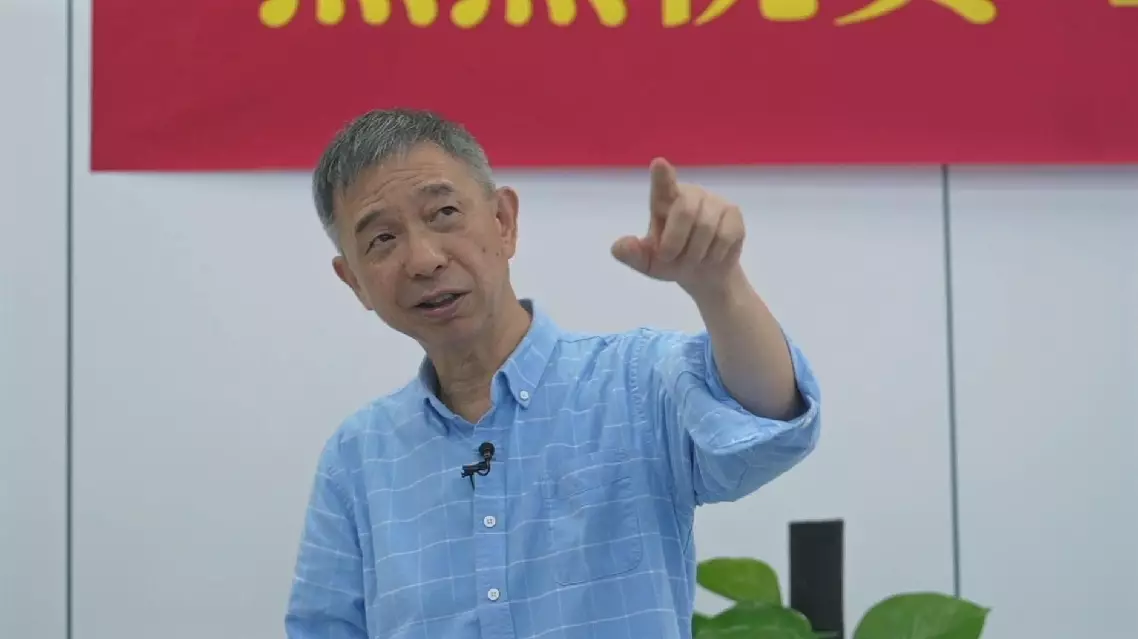
Zhang Liangsong, Deputy Head of the special working group for the Xiamen Marine High-tech Industrial Park, said that significant progress has been made in development and construction over the past year or so. From last year through to this year, particularly in the first half of this year, there has been substantial growth in the number of registered enterprises, investment projects, land designated for investment projects, project starts, infrastructure project starts, and research project starts. In the first half of this year alone, the number of investment land project starts increased fivefold year-on-year, and the number of registered enterprises grew 3.75 times, demonstrating a marked acceleration in overall pace and efficiency.
He noted that the Xiamen Marine High-tech Industrial Park and Hong Kong already have a certain foundation for cooperation in marine research and industry. In terms of industrial global expansion, several enterprises within the park have established branches in Hong Kong, using the city as an international platform to pursue overseas growth. The key research platform, the Lujiang Innovation Laboratory, has also engaged in deep research collaboration with Hong Kong. On the capital front, the park is working with Hong Kong partners to promote joint investment projects with European Blue Fund. Looking ahead, the park will actively explore deeper marine research and industrial cooperation with Hong Kong, with a focus on studying and promoting the establishment of a Fujian-Hong Kong Marine Science and Technology Innovation Cooperation Zone, aiming to position the Xiamen Marine High-tech Industrial Park as a demonstration zone for Fujian-Hong Kong marine research and industrial collaboration.
Zhou Hantao, Executive Deputy Director of the Lujiang Innovation Laboratory and Professor at Xiamen University, Photo by Bastille Post
Zhou Hantao, Executive Deputy Director of the Lujiang Innovation Laboratory and Professor at Xiamen University, Photo by Bastille Post
The delegation paid close attention to the park's two core research platforms. Zhou Hantao, Executive Deputy Director of the Lujiang Innovation Laboratory and Professor at Xiamen University, said the laboratory was formally inaugurated in January 2025. It is primarily supported by Xiamen University and the Third Institute of Oceanography of the Ministry of Natural Resources. According to the 2025 ShanghaiRanking Academic Ranking of World Universities, Xiamen University's marine science discipline ranks ninth globally. Unlike traditional research institutions focused mainly on basic science, the laboratory has adopted a comprehensive development framework integrating science, engineering, finance, and marine governance, and shoulders two major missions: undertaking key national marine strategic tasks, and supporting the transformation and upgrading of Fujian and Xiamen's marine economy.
Photo by Bastille Post
Among its core research areas, integrated "air-space-ground-sea" marine observation and digital oceanography is a key focus. The team has already launched two marine observation microsatellites and plans to build a dedicated observation constellation of 40 satellites. At the sea surface, it operates a dedicated oceanographic research vessel that travels year-round between the South China Sea and the western Pacific, with routes covering Hong Kong, Singapore, Malaysia and beyond. Underwater, it deploys various buoys, moorings and detection devices. All collected data is fed into a digital ocean twin system built through simulation modelling, which can be applied to marine weather forecasting, waterway monitoring, port and shipping economic analysis, and other scenarios, enabling visualised and precise marine management.
Lujiang Innovation Laboratory's abalone industry, Photo by Bastille Post
Large yellow croaker and its byproducts, Photo by Bastille Post
Blue marine aquaculture and high-value deep processing constitute another major area. Fujian is China's largest marine aquaculture province, producing 80 per cent of the country's abalone. For the abalone industry, the team has developed dark-coloured seawater pearls that can be cultivated inside abalone, as well as refined dried abalone products, successfully accessing Hong Kong's high-end consumer market. For the large yellow croaker industry, a complete technology chain has been built covering breeding, feed development, and disease control. In sea cucumbers, the team has developed a cholesterol-free oral liquid with anti-ageing and immune-regulating properties. The team has also extracted DHA and EPA polyunsaturated fatty acids from seaweed, applying them to infant nutrition supplements and cardiovascular health products for the elderly respectively, thus fully unlocking the industrial value of marine organisms.
Marine-derived health supplements, Photo by Bastille Post
Marine ecological protection and blue carbon research are equally indispensable. The team has conducted in-depth research into the fundamental science of marine carbon sequestration, establishing standardised carbon measurement methods and promoting the development of a practical and tradable blue carbon trading mechanism. The laboratory also continues to undertake international marine environmental cooperation projects, contributing local research findings to global marine ecological governance.
Products developed by the Third Institute of Oceanography, Photo by Bastille Post
Products developed by the Third Institute of Oceanography, Photo by Bastille Post
The laboratory places high importance on its long-term cooperation with Hong Kong universities. Zhou Hantao said the laboratory and a national key laboratory at City University of Hong Kong are sister laboratories, with both focusing primarily on environmental pollution research. City University of Hong Kong has recently developed an eco-brick technology that enables marine organisms to better attach to and stabilise reefs, preventing damage to reef ecosystems; the laboratory is planning to introduce this technology for local harbour conservation projects. In addition, City University of Hong Kong has recently developed Raman detection equipment that can be mounted on marine observation instruments, with broad application prospects in seabed mineral exploration and marine biological resource surveys. Zhou noted that Hong Kong has accumulated rich technical and R&D expertise, and the laboratory will leverage the Chinese Mainland's complete industrial chains and market advantages to introduce Hong Kong technologies, deepen cooperation, and continue to drive the industrial application of research outcomes.
Products developed by the Third Institute of Oceanography, Photo by Bastille Post
In the field of marine digitisation, Zhou said that marine observation data comes from satellites, drones and research vessels, covering macroscopic scales of hundreds of kilometres and underwater sensors with metre-level precision. Completing marine pollution monitoring and ecological change analysis relies heavily on big data and artificial intelligence support. All future marine research will be deeply integrated with AI.
Products developed by the Third Institute of Oceanography, Photo by Bastille Post
In terms of youth talent development, the laboratory hopes that young Hong Kong entrepreneurs will come to Xiamen to develop their careers. The laboratory can provide a full support system covering technology R&D platforms, industrial park facilities, and various support policies.
Photo by Bastille Post
Zeng Runying, a researcher at the Third Institute of Oceanography, explained that the institute's top development priority is to integrate and upgrade its full-chain research platforms. Based on the functional attributes of the two buildings at the Xiang'an Base, the institute has rezoned the usage areas, with a focus on building two core high-end experimental platforms. One is a one-stop high-content biomanufacturing platform mainly used for exploring deep-sea biological dark matter – the vast, uncultured microbial life in the deep ocean. Relying on single-cell high-throughput, high-resolution detection technology, it can operate as a fully automated, unattended "lights-out" laboratory. The other core platform is a deep-sea bacterial strain resource bank with one of the world's leading collections in terms of strain diversity, with the goal of achieving industrial application of the vast and diverse deep-sea bacterial resources through technological R&D.
Photo by Bastille Post
In terms of driving industrial upgrading with marine biological raw materials, the institute has developed multiple mature product lines. Zeng said the marine biological skincare raw materials developed by the team can improve eye discomfort such as dry eyes and excessive tearing, and have already been adopted by several cosmetics companies. For waste oyster and scallop shells, the team has overcome key ultra-fine pulverisation technologies, enabling them to be processed into antibacterial products, biodegradable fibres, and flame-retardant coatings. Marine-specific probiotics are more compatible with the human body than terrestrial probiotics, and can be widely used in functional foods and aquaculture feed additives.
Photo by Bastille Post
Zeng said the institute also provides general biotechnologies to multiple industries: developing biological agents for oil pollution control in the environmental sector; developing specialised biological enzymes for cigarette formulation improvement in the light industry sector; and extracting seaweed active peptides for addition to baked goods in the food processing sector, with related biological raw materials already being supplied to a newly listed brand in Hong Kong. The institute is currently building an AI-powered marine biological industry intelligence platform, which will integrate R&D information across the industry and guide future R&D directions in the marine biological sector.
Topping-out site of the three industrial projects, Photo by Bastille Post
The delegation then visited the construction sites of the park's first three key industrial projects. All three factory buildings were fully capped in July this year, taking only one year from ground-breaking to completion – a demonstration of the "marine high-tech speed". Bian Lanjun, Vice General Manager and Chairman's Secretary of Weizhuo Technology Group and Chairman of Xiamen Weizhuo Smart Marine Technology Co., Ltd., said that the Weizhuo Group focuses on solving communication challenges in extreme environments such as deep earth and deep water. The project will build China's first R&D and production base for "deep earth + deep water" cross-medium detection and communication equipment. Tian Jin, Vice General Manager of Xiamen Honghai Marine Technologies Co., Ltd., said that Honghai Marine will build a headquarters base for high-end marine deck equipment and a shared supply platform for research vessel deck equipment. Xu Rongqing, General Manager of Xiamen Hexin Ocean Technology Co., Ltd., said that Hexin Technology is one of the world's top five shapewear companies, with revenue reaching RMB 2.6 billion last year and expected to maintain over 30 per cent growth this year. In recent years, the company has focused on developing innovative marine functional fabrics, independently developing new marine biological materials such as fish scale protein, oyster protein and seaweed yarn. From land acquisition to main structure completion took only two years. The company has already jointly applied for a research project with the Lujiang Innovation Laboratory, and will continue to deepen its R&D in marine biological innovative fabrics by leveraging the resources of the Third Institute of Oceanography and surrounding universities.