NEW GLARUS, Wis. (AP) — Sarah Miller, a software engineer from the liberal stronghold of Madison, has heard all of the chatter about a civil war in the Democratic Party between progressives and moderates. But all she cares about is winning.
That's why Miller said she is voting in Tuesday's gubernatorial primary for David Crowley, the Milwaukee County executive endorsed by two-term Gov. Tony Evers. He faces democratic socialist Francesca Hong in a contest that will be the latest test nationally of how far Democrats are willing to swing to the political left.
Click to Gallery
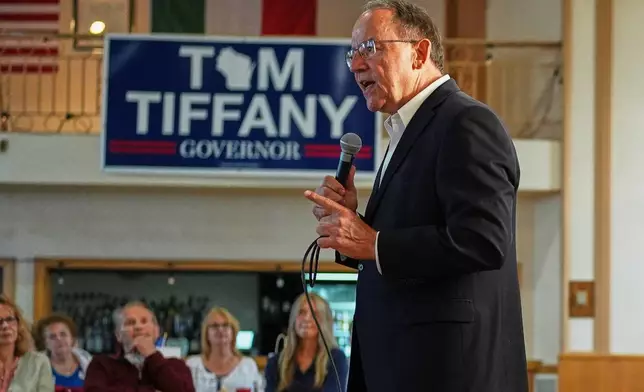
Republican gubernatorial candidate Tom Tiffany talks to supporters during a campaign event, Wednesday, July 29, 2026, in Kenosha, WI. (AP Photo/Nam Y. Huh)
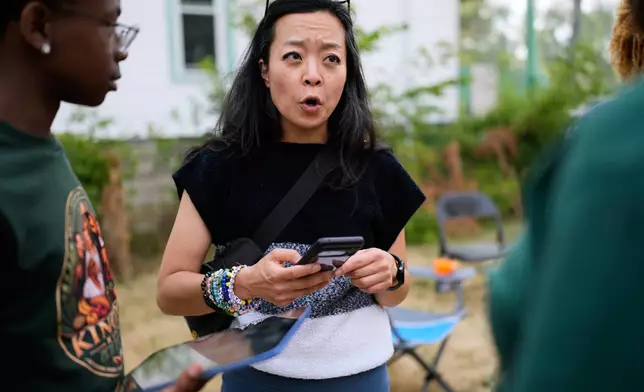
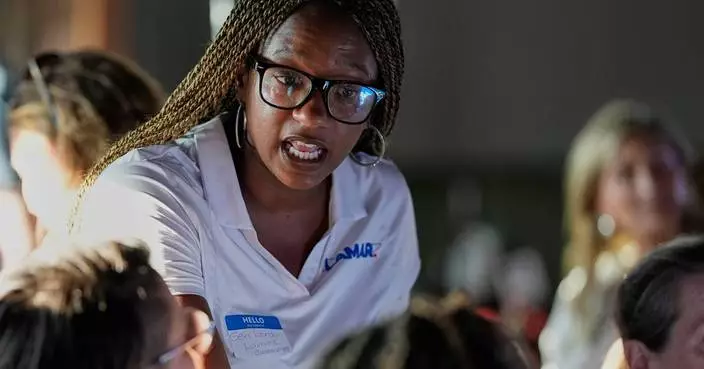
Democratic gubernatorial candidate Francesca Hong talks with Milwaukee residents during "We Outside" Annual Community Event at Metcalfe Park Rising, Friday, July 24, 2026, in Milwaukee. (AP Photo/Nam Y. Huh)
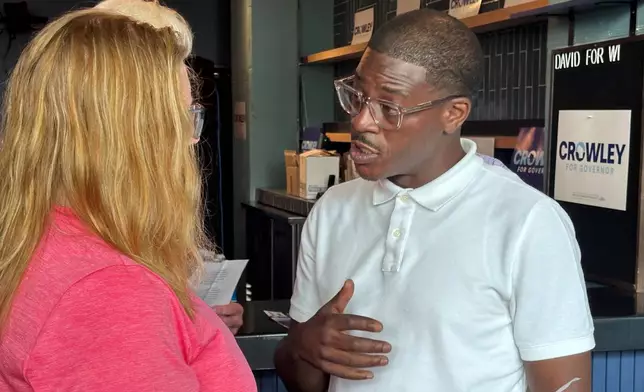
David Crowley, Democratic candidate for Wisconsin governor, speaks with supporter Abigail Tessmann during a campaign stop Wednesday, Aug. 5, 2026, in Madison, Wis. (AP Photo/Scott Bauer)
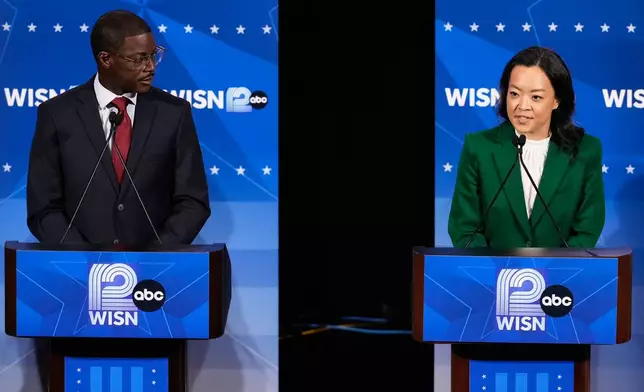
Democratic gubernatorial candidate Francesca Hong, right, talks as David Crowley listens during a primary debate in Milwaukee, Tuesday, July 28, 2026. (AP Photo/Nam Y. Huh)
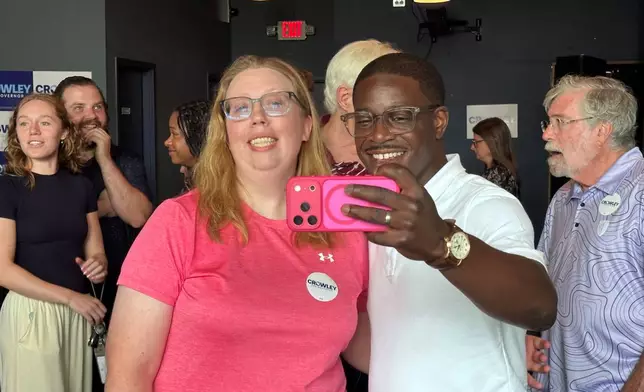
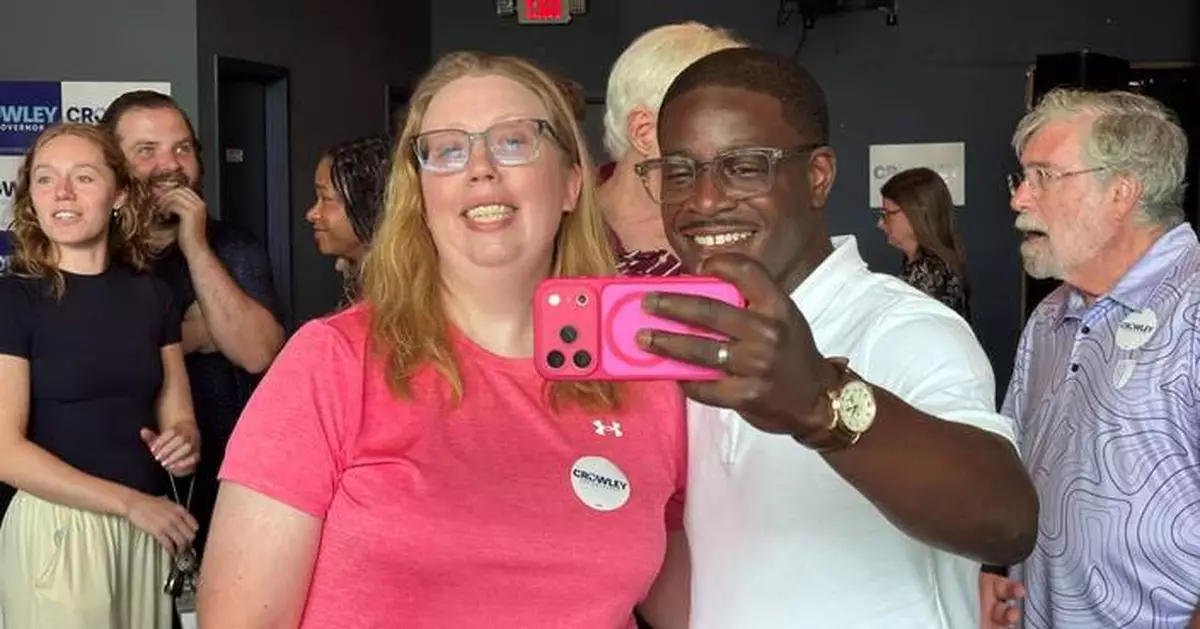
David Crowley, Democratic candidate for Wisconsin governor, takes a selfie photo with supporter Abigail Tessmann during a campaign stop Wednesday, Aug. 5, 2026, in Madison, Wis. (AP Photo/Scott Bauer)
Wisconsin's primary comes a week after progressive Abdul El-Sayed narrowly defeated Rep. Haley Stevens in Michigan’s U.S. Senate primary, setting up a crucial test for progressives in November in a key battleground state. Also on Tuesday, voters in Minnesota will decide another U.S. Senate contest featuring a centrist and a progressive.
In a year where voters upset with the Democratic Party mainstream have propelled outsider candidates to victory across the country, Crowley is hoping to buck the trend in Wisconsin. He's banking on the support of Evers, one of the state's most popular elected officials, to make up ground in the waning days of the chaotic primary.
Crowley said that El-Sayed’s slim margin of victory “does give me a little bit of hope.”
“We’re going to focus on those undecided voters,” Crowley said.
“The divide is real,” Miller, 49, said of the struggle between progressives and more mainstream Democrats. But her focus remains on November, when the winner of the primary will face Republican U.S. Rep. Tom Tiffany, a staunch supporter of President Donald Trump and one of the most conservative members of Congress.
Miller, who described herself as a progressive, called Hong a “very, very weak candidate" and described her popularity as “a little bit of a mirage.”
“I don't think she can win,” Miller said at a Crowley campaign stop a week before election day at a winery in the rolling hills of New Glarus.
Crowley is banking on more voters feeling that way. A Marquette University Law School poll of Wisconsin Democratic primary voters conducted in late July, before former Lt. Gov. Mandela Barnes dropped out, showed Hong with a significant lead over the other candidates. More than 112,000 absentee ballots had already been returned by the day the poll was released.
Complicating the path for Crowley is the fact that he withdrew from the race on July 8 and only got back in 10 days later, with the backing of Evers, after Lt. Gov. Sara Rodriguez ended her candidacy. Then, 12 days later, Barnes also ended his campaign amid allegations of inappropriate behavior.
Barnes and Rodriguez, who were both seen as potential front-runners, remain on the ballot and votes already cast for them can't be undone.
“We've created a mess,” said Michael Gebben, a 64-year-old Democrat who voted absentee for Rodriguez before she dropped out. “Hopefully we can get out of it.”
As Crowley sprinted across the state to capture undecided voters, Hong was batting down controversies.
Hong, a single mom and former restaurant cook, faced questions about past social media posts where she called for canceling Thanksgiving because “we should stop celebrating colonialism,” disparaged Valentine’s Day as “another day capitalism tells you how to show love” and repeatedly called for defunding the police.
She has backtracked or clarified many of those past statements in recent days, now saying that she does not support abolishing the police.
Tiffany pointed to Hong’s comments on Thanksgiving and said she wants “to destroy the traditions and culture that unite us.” Tiffany, who had 10-times more cash on hand than either Hong or Crowley did entering August, has portrayed the race as a contest between chaos and common sense.
“Wisconsinites can’t afford for November to come down to the most extreme things Tom Tiffany and Francesca Hong have said online,” Evers’ spokesperson Britt Cudaback said this week in a social media post explaining why the governor endorsed Crowley.
Crowley's mention of the Evers endorsement drew a round of applause at both of his campaign stops in New Glarus and Madison this week, but similar votes of confidence haven't always been decisive in other primaries. In Michigan, Democratic Gov. Gretchen Whitmer endorsed the moderate Stevens who came up short.
Even with Evers' backing, Crowley insists he is not an establishment Democrat despite having served more than three years in the Legislature and as the top elected official in Milwaukee County, the state's largest, since 2020.
“When people try to call me the establishment, I look at that as a slur, particularly as an African American candidate,” said Crowley, who is looking to become Wisconsin's first Black governor. “I have never run for office to protect the establishment. I’ve always been here to protect people.”
Hong supporter Chris Vestin has heard the concerns about electability before.
To him, the fears about Hong's chances against Tiffany in November sound like a repeat of those who pushed Hillary Clinton over Bernie Sanders in the 2016 presidential race. Sanders defeated Clinton in the Wisconsin primary by 13 points that year, before losing the presidency to Trump. Trump carried Wisconsin in 2016, lost it in 2020 and then won it again in 2024.
“It frustrates me when they say that person is unelectable,” Vestin said of Hong, who is vying to become Wisconsin’s first woman governor and first Asian American governor. “A lot of times it’s racist, it’s sexist.”
Vestin, 54, called Evers' endorsement of Crowley “counterproductive.”
“Establishment Democrats want to take the choice away,” Vestin said.
On Tuesday in Minnesota, voters will choose between moderate U.S. Rep. Angie Craig and progressive Lt. Gov. Peggy Flanagan in the Democratic primary for U.S. Senate that's playing out in the aftermath of Trump’s aggressive immigration enforcement surge in the state.
But the stakes are even higher in Wisconsin.
Democrats are trying to hold onto the governor's office and flip both chambers of the Legislature to have full control for the first time since 2010.
Republicans transformed Wisconsin by enacting a wide array of conservative priorities, including effectively doing away with public worker collective bargaining, when they had full control from 2011 to 2018.
“We need a trifecta,” Crowley told his supporters at the New Glarus rally. “And who is at the top of the ticket matters."
Crowley supporter Lindsey Lee, 61, of Madison said before the rally there that he believed previously undecided Democrats were coalescing around Crowley.
“It’s like the last 50 yards of a horse race," Lee said. "Hong is obviously in the lead but Crowley is coming up on a side lane. I think it will be a photo finish.”
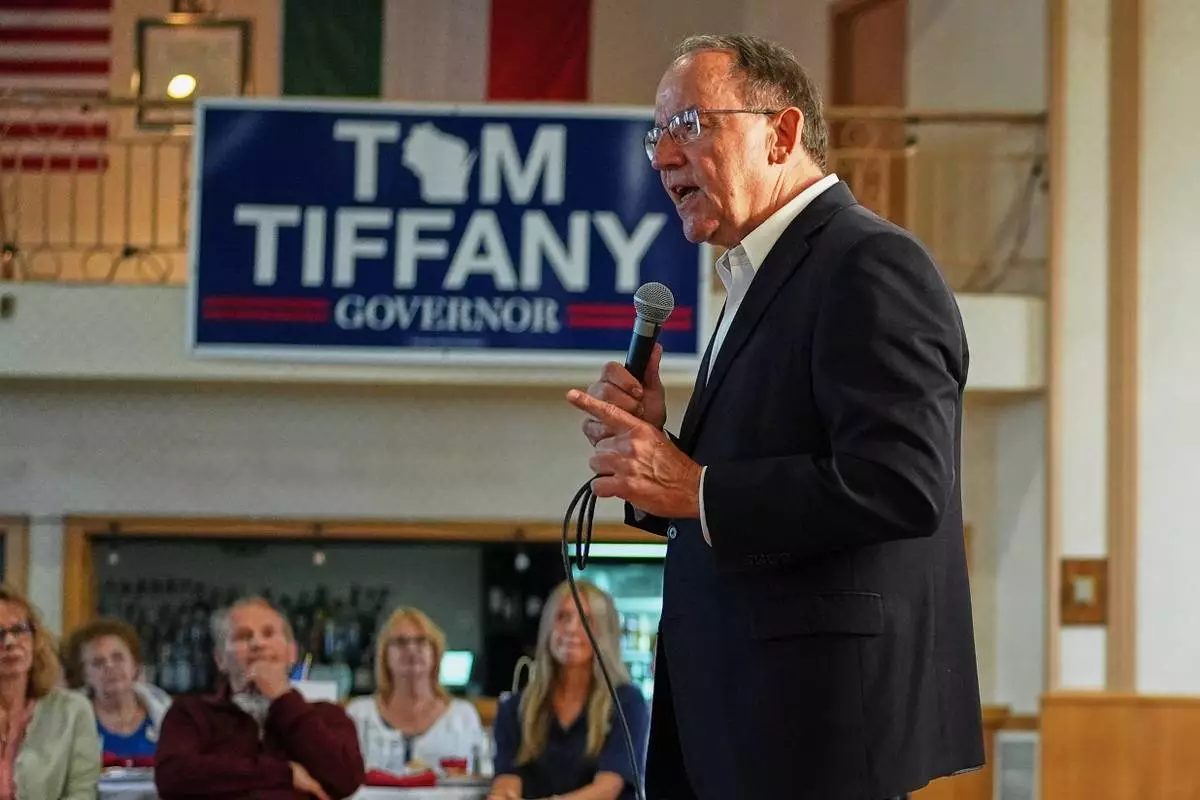
Republican gubernatorial candidate Tom Tiffany talks to supporters during a campaign event, Wednesday, July 29, 2026, in Kenosha, WI. (AP Photo/Nam Y. Huh)
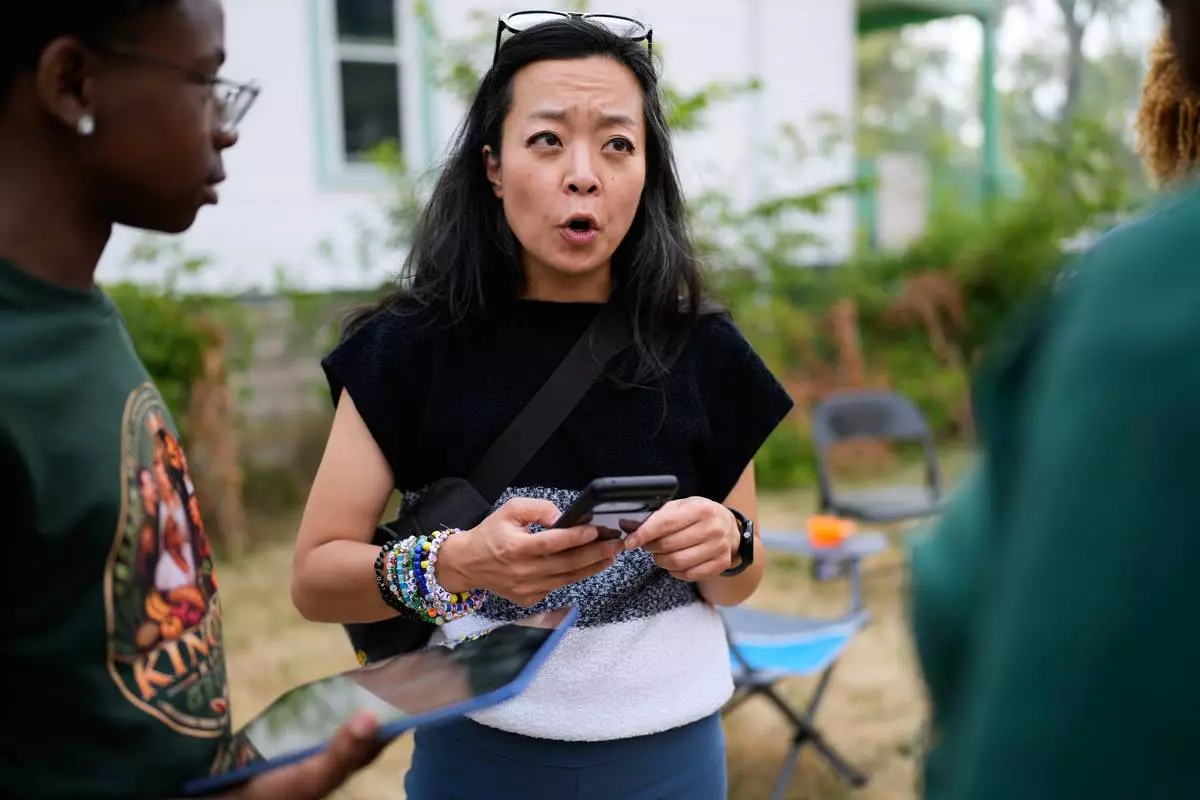
Democratic gubernatorial candidate Francesca Hong talks with Milwaukee residents during "We Outside" Annual Community Event at Metcalfe Park Rising, Friday, July 24, 2026, in Milwaukee. (AP Photo/Nam Y. Huh)
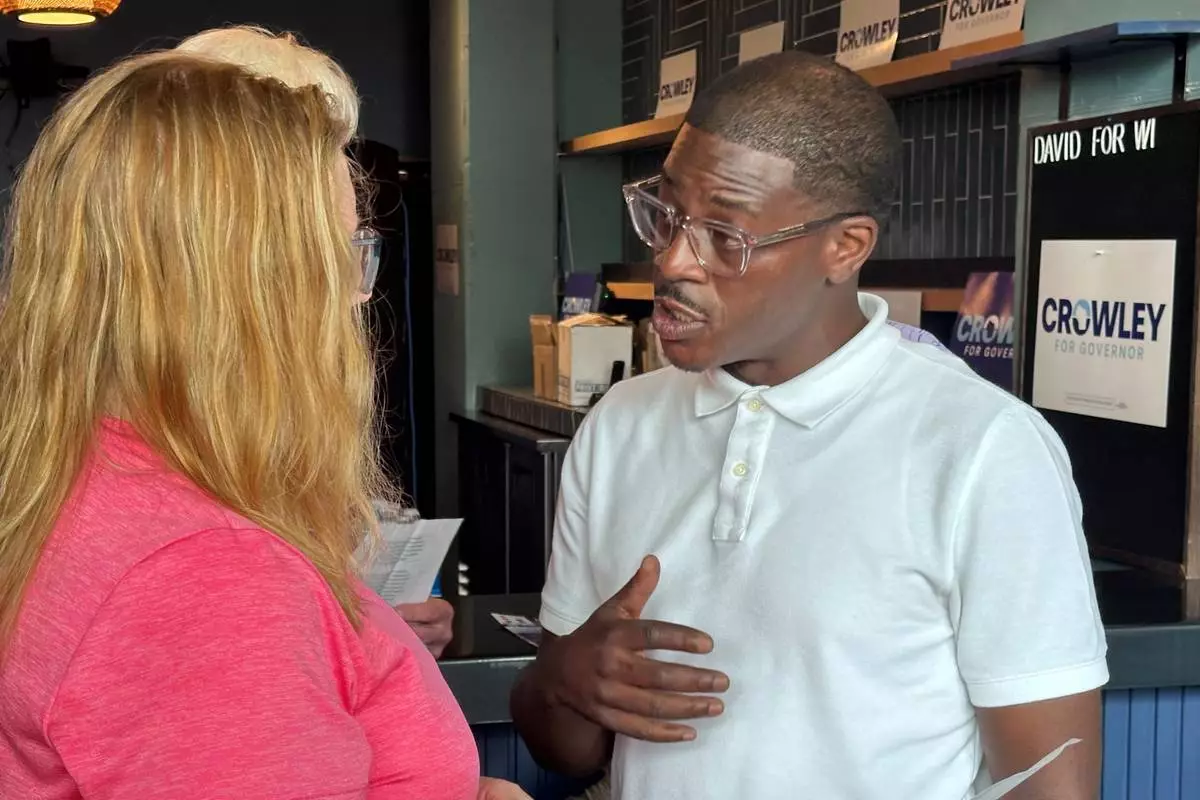
David Crowley, Democratic candidate for Wisconsin governor, speaks with supporter Abigail Tessmann during a campaign stop Wednesday, Aug. 5, 2026, in Madison, Wis. (AP Photo/Scott Bauer)
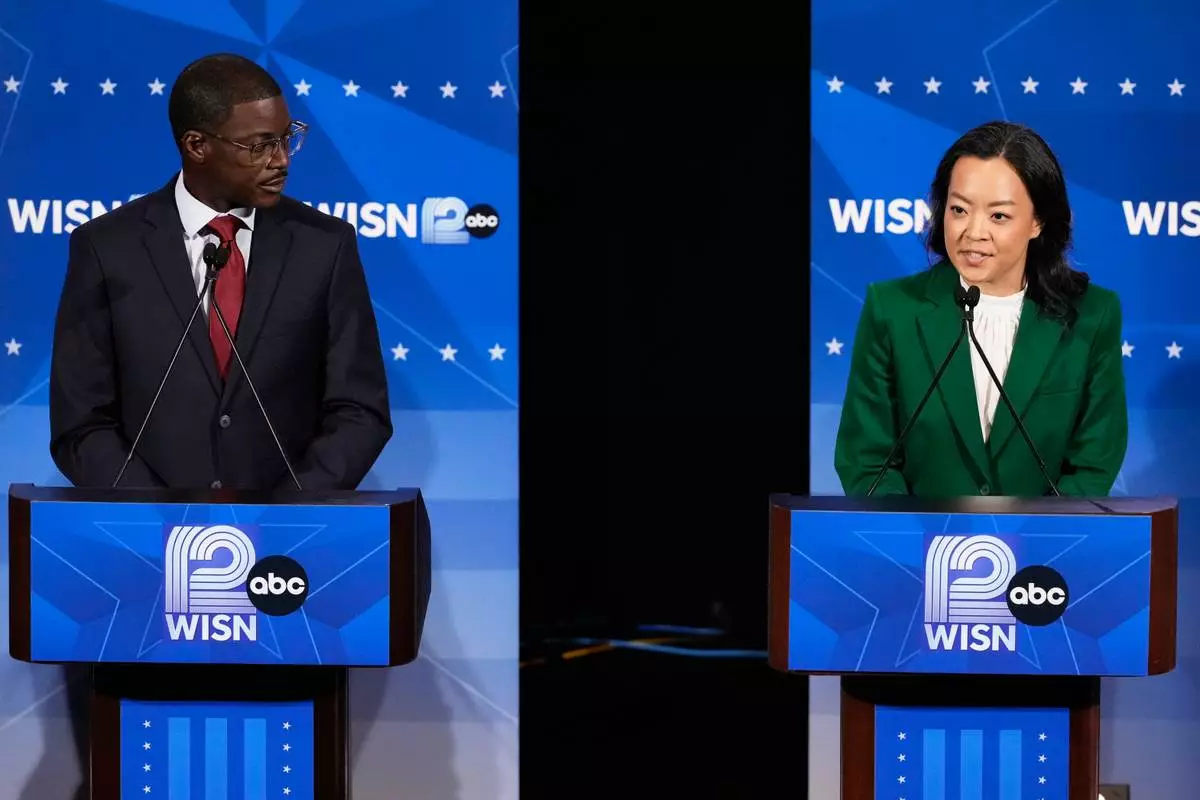
Democratic gubernatorial candidate Francesca Hong, right, talks as David Crowley listens during a primary debate in Milwaukee, Tuesday, July 28, 2026. (AP Photo/Nam Y. Huh)
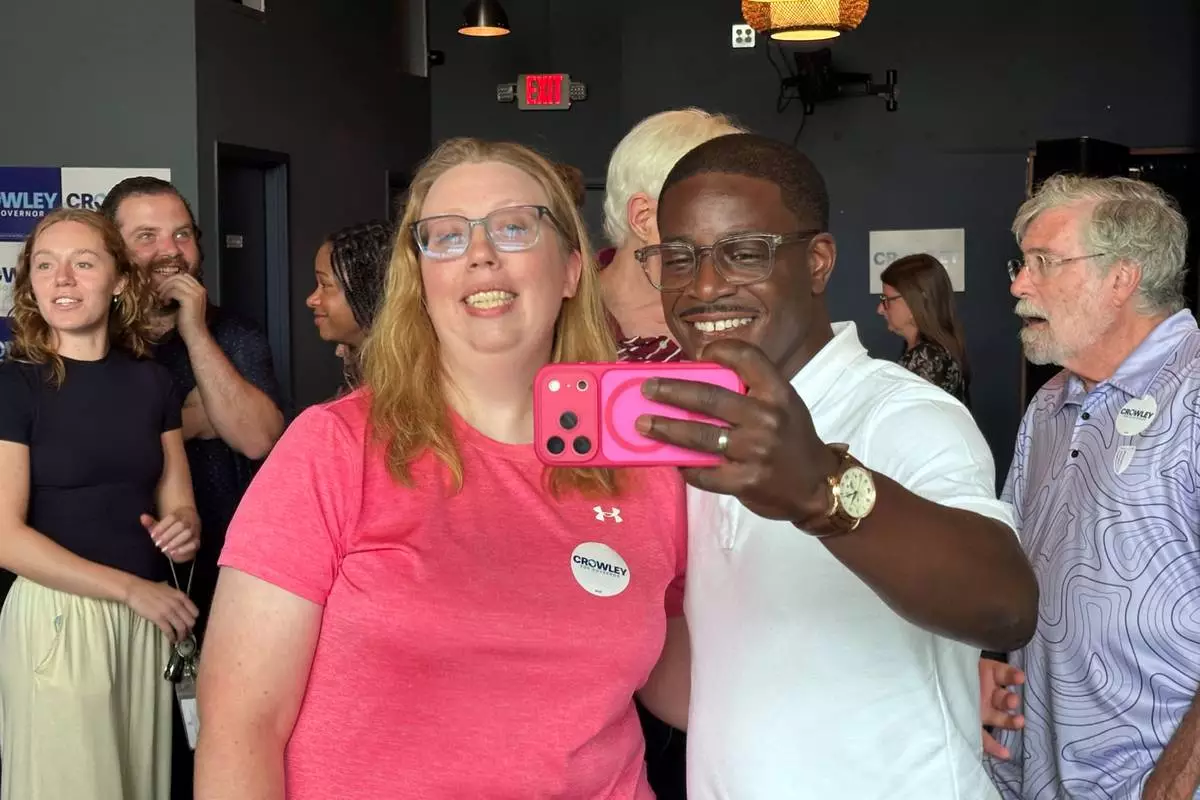
David Crowley, Democratic candidate for Wisconsin governor, takes a selfie photo with supporter Abigail Tessmann during a campaign stop Wednesday, Aug. 5, 2026, in Madison, Wis. (AP Photo/Scott Bauer)