PLYMOUTH, Mass. (AP) — Lindsay Clancy sobbed uncontrollably Thursday as jurors viewed autopsy photos of the youngest of her three children whom she strangled in 2023, until the court eventually had to take an unscheduled break.
In the second week of her Massachusetts murder trial, prosecutors brought more friends, a former work colleague and her former father-in-law to testify about Clancy's mental and emotional state. They said she was mostly open about her postpregnancy mental health struggles but seemed like a loving mother who cared for her kids.
Click to Gallery
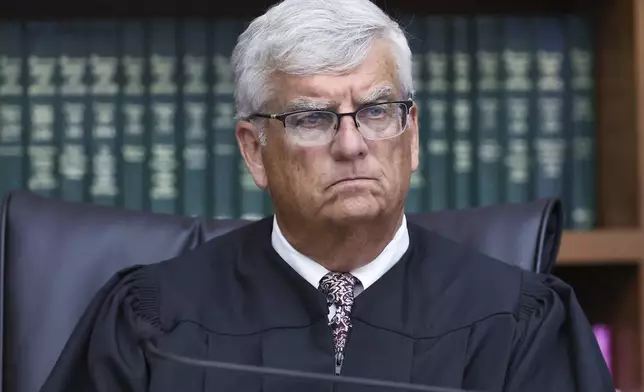
Superior Court Judge William Sullivan listening to court proceedings during the Lindsay Clancy murder trial at Plymouth Superior Court in Plymouth, Mass., Monday, Aug. 3, 2026 (Greg Derr/The Patriot Ledger via AP, Pool)

A wedding photo is seen in a bin of papers during the murder trial for Lindsay Clancy at Plymouth Superior Court in Plymouth, Mass., on Thursday, July 30, 2026. (CJ Gunther/The Boston Herald via AP, Pool)
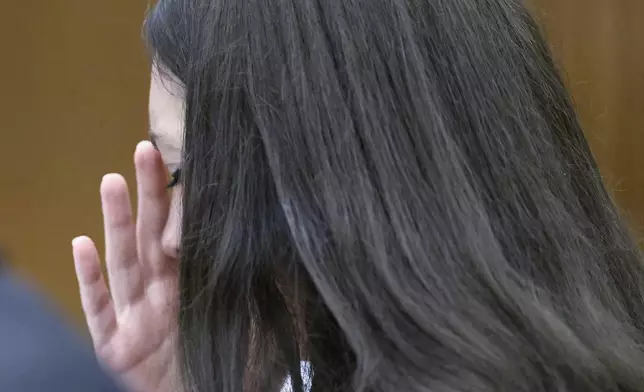
Defendant Lindsay Clancy listens to medical testimony from doctors who treated her children at Plymouth Superior Court in Plymouth, Mass., Monday, Aug. 3, 2026 (Greg Derr/The Patriot Ledger via AP, Pool)

The former home of Lindsay Clancy is seen in Duxbury, Mass., on Thursday, July 30, 2026. (AP Photo/Michael Casey)
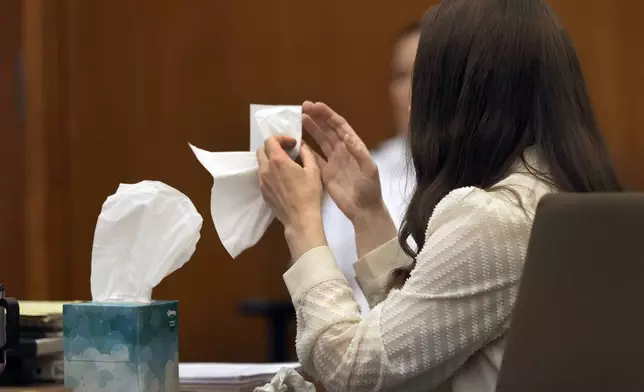
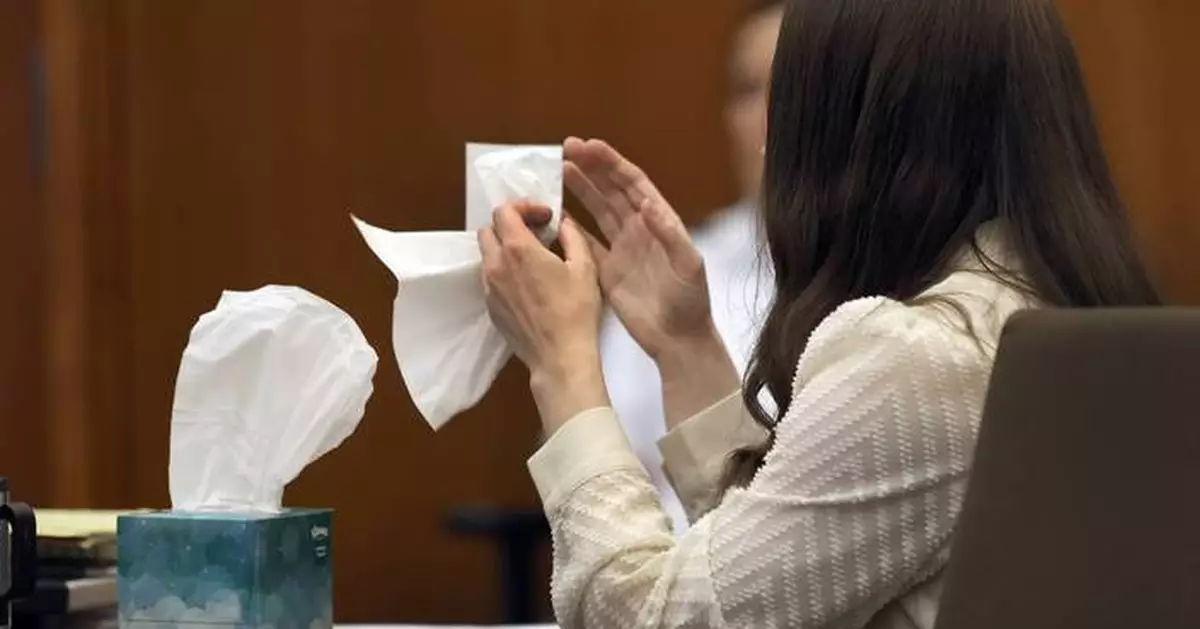
Lindsay Clancy grabs a tissue after witness Elaine Rossi, the nanny to the Clancy children, testified during her murder trial at Plymouth Superior Court in Plymouth, Mass., Wednesday, Aug. 5, 2026. (David L Ryan/The Boston Globe via AP, Pool) CORRECTION: Source is The Boston Globe, not The Boston Herald.
Clancy has pleaded not guilty to murder charges in the deaths of Cora, 5, Dawson, 3, and 8-month-old Callan.
Defense attorneys don't dispute that she killed her children on Jan. 24, 2023, after sending her husband out on errands, but they argue that she was too mentally ill to bear criminal responsibility for her actions.
Prosecutors, however, said that sending her husband out of the house was a ruse and that the 35-year-old former labor and delivery nurse acted intentionally. She remains paralyzed from the waist down after jumping from the home’s second-story window that night.
EDITOR’S NOTE: This story includes discussion of suicide. If you or someone you know needs help, the national suicide and crisis lifeline in the U.S. is available by calling or texting 988.
Much of the week has been dominated by witnesses detailing their memories of Clancy in the days, weeks and months before the killings.
Outwardly, Clancy appeared normal, most said, attending family functions, lunches with friends and activities with her children. None of the witnesses Thursday testified they heard Clancy express suicidal or homicidal thoughts, talking of hearing voices or wanting to harm her children.
But after the birth of her third child, she told a friend she was having trouble sleeping and noted harmful side effects from medications she was taking. Another former colleague at Massachusetts General Hospital, Andrea Hennigan, recalled a lunch where Clancy said she wouldn't return to work because she “was not in a mental state to take care of patients.”
“She talked about insomnia and not feeling herself,” she said. “I believe she might have used the words brain fog or something like that.”
The month of the killings, Clancy texted Hennigan that she was experiencing “bad or negative side effects” from her medications. She told another witness, Amy Bevins, around then that the medications had “caused her to have some dark thoughts.”
Another witness, Bethany Decollibus, attended a birthday party for Clancy's daughter, Cora, in January 2023. Asked about her sleep troubles, Clancy said “things haven’t gotten better and that she feels like a zombie.”
Christopher Clancy praised his former daughter-in-law's mothering skills. But he admitted knowing she was having issues. At one point, he suggested the grandchildren stay with him and his wife, but his son declined.
“I knew she was having a hard time sleeping,” Christopher Clancy said. “I knew she just didn’t feel well. I knew she went to the emergency room where my wife was working. Those types of struggles.”
Lindsay Clancy's attorneys in criminal and civil cases have said that she had postpartum psychosis, a condition that a fraction of women exhibit after childbirth, and that she had bipolar disorder that wasn’t fully diagnosed until after the killings. Her attorneys say her condition seemed to worsen on the psychiatric medications, some of them problematic for bipolar patients.
If convicted of murder, she faces life in prison without parole. If found not guilty due to a lack of criminal responsibility, she would be committed to a state mental health facility.
Meanwhile, the judge and the district attorney learned Thursday that they face a retrial in another case involving a mother’s mental state when she killed her two school-age children in 2018.
Massachusetts’ top court threw out Latarsha Sanders’ murder convictions in the stabbings of sons Edson “Marlon” Brito, 8, and La’son Brito, 5.
Sanders told police in a recorded interview that she stabbed the boys because “bad people” text-messaged her commands to carry out a “ritual” connected to “Voodoo stuff” and the Illuminati. The latter is a purported powerful secret society at the center of various conspiracy theories, and Sanders’ family said she had become obsessively fearful of it.
Like Clancy’s lawyers, Sanders’ defense argued she was mentally ill and shouldn’t be held criminally responsible, while prosecutors said she acted deliberately.
A defense neuropsychologist diagnosed Sanders with schizophrenia spectrum disorder, among other conditions, and testified that she was “grossly psychotic” when she killed the children.
The Massachusetts Supreme Judicial Court faulted the judge for not letting jurors hear many specifics from Sanders' medical records. They showed, among other things, that clinicians at a prison and a psychiatric hospital suggested similar diagnoses after Sanders’ arrest.
Withholding the records from jurors “impermissibly stripped” the defense of its medical foundation, Justice Frank M. Gaziano wrote in a unanimous decision.
Plymouth County District Attorney Timothy Cruz's office said in a statement that it was thinking through next steps. Messages seeking comment were sent to a clerk for Superior Court Justice William Sullivan and to a court system spokesperson.
Sanders’ lawyer, Robert F. Shaw Jr., said he looked forward to retrying the case.
“The hope is that those records and that evidence will be able to be viewed by a jury with fresh eyes,” he said by phone.
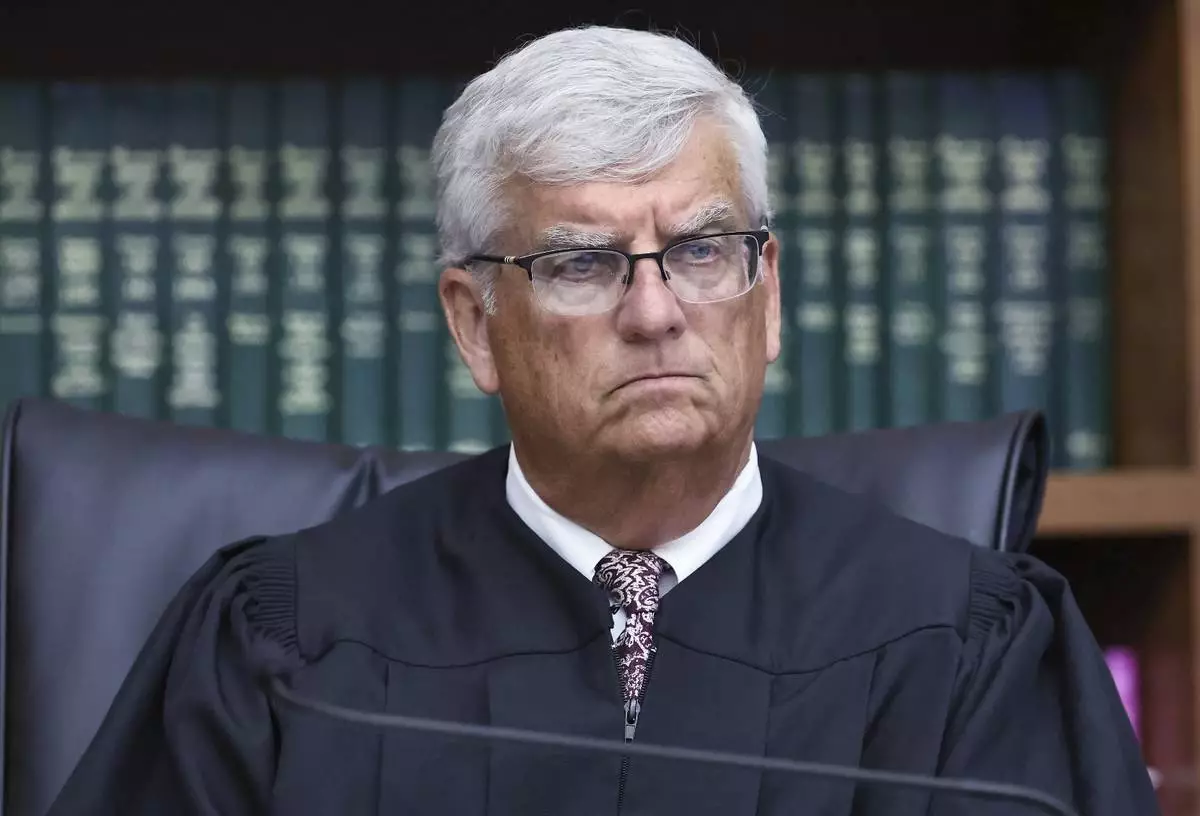
Superior Court Judge William Sullivan listening to court proceedings during the Lindsay Clancy murder trial at Plymouth Superior Court in Plymouth, Mass., Monday, Aug. 3, 2026 (Greg Derr/The Patriot Ledger via AP, Pool)

A wedding photo is seen in a bin of papers during the murder trial for Lindsay Clancy at Plymouth Superior Court in Plymouth, Mass., on Thursday, July 30, 2026. (CJ Gunther/The Boston Herald via AP, Pool)
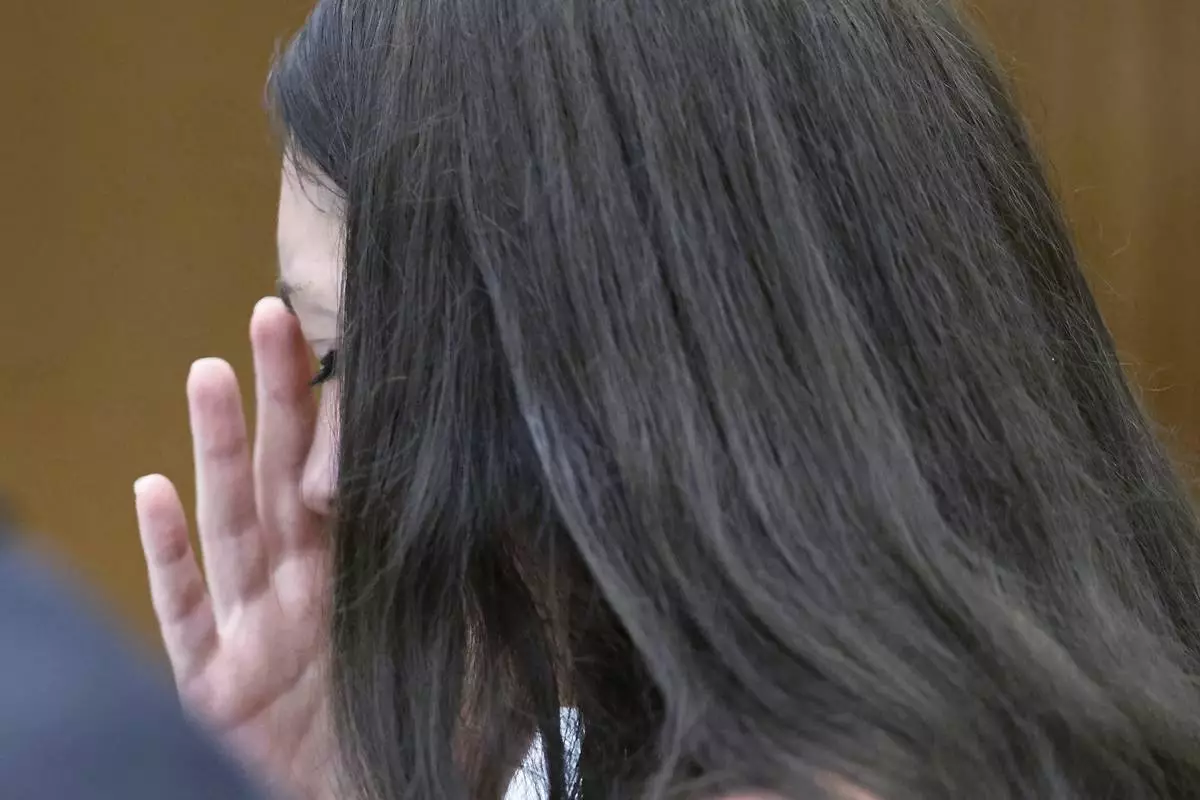
Defendant Lindsay Clancy listens to medical testimony from doctors who treated her children at Plymouth Superior Court in Plymouth, Mass., Monday, Aug. 3, 2026 (Greg Derr/The Patriot Ledger via AP, Pool)
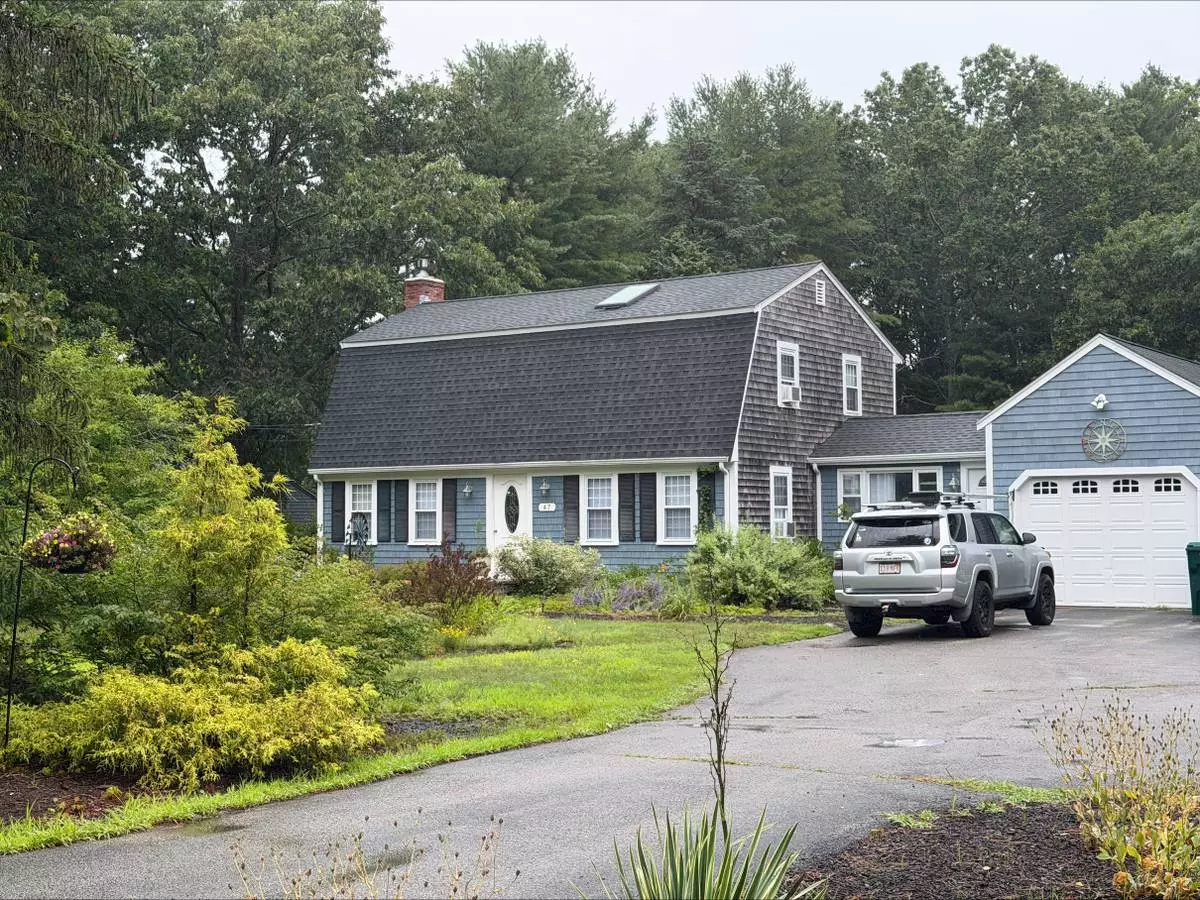
The former home of Lindsay Clancy is seen in Duxbury, Mass., on Thursday, July 30, 2026. (AP Photo/Michael Casey)
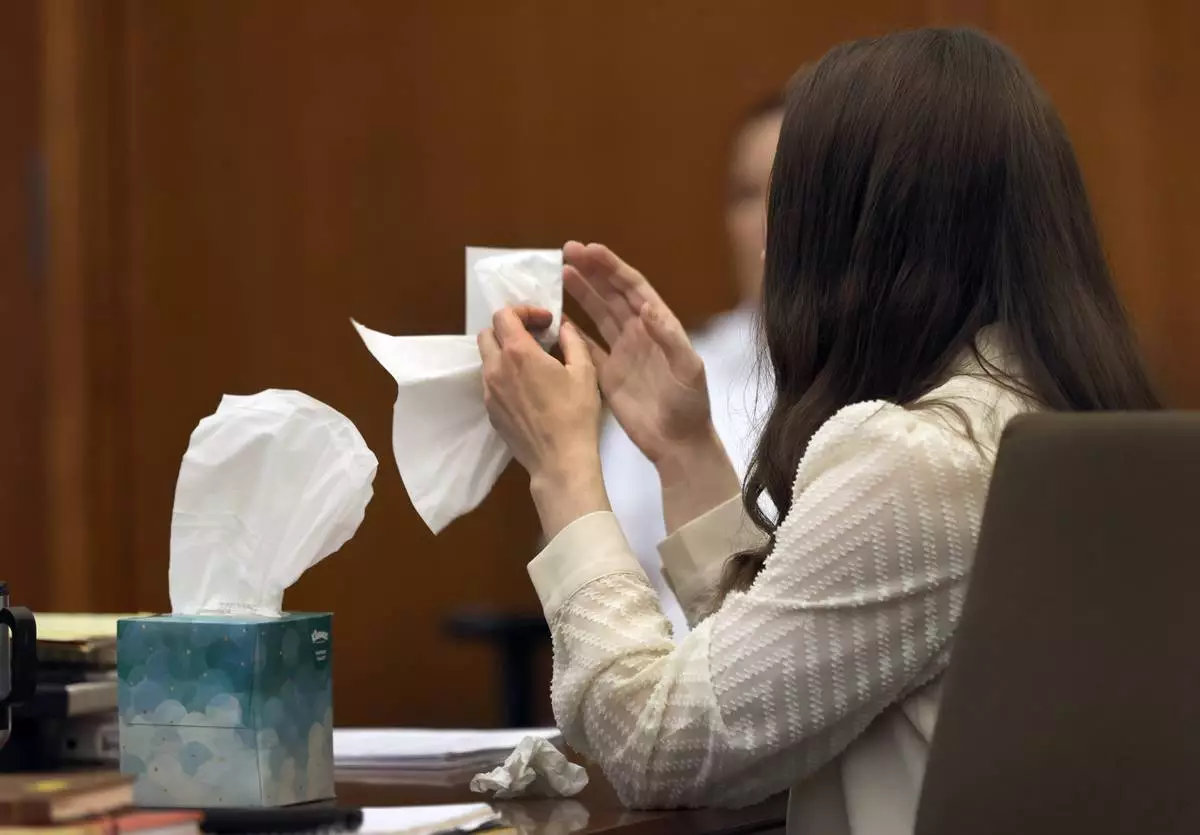
Lindsay Clancy grabs a tissue after witness Elaine Rossi, the nanny to the Clancy children, testified during her murder trial at Plymouth Superior Court in Plymouth, Mass., Wednesday, Aug. 5, 2026. (David L Ryan/The Boston Globe via AP, Pool) CORRECTION: Source is The Boston Globe, not The Boston Herald.