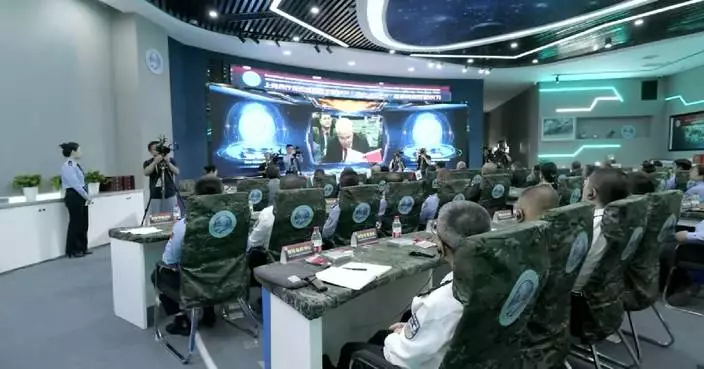
The number of confirmed Ebola cases in the Democratic Republic of the Congo (DR Congo) has reached 4,053, including 1,850 deaths, according to an update released Thursday by the country's health authorities.
A total of 694 patients remain in isolation or hospital care, while 793 people have recovered.
International medical humanitarian organization Medecins Sans Frontieres warned Wednesday that the Ebola outbreak in eastern DR Congo is "more critical than ever," spreading at an alarming and unprecedented pace with "no sign of slowing down."
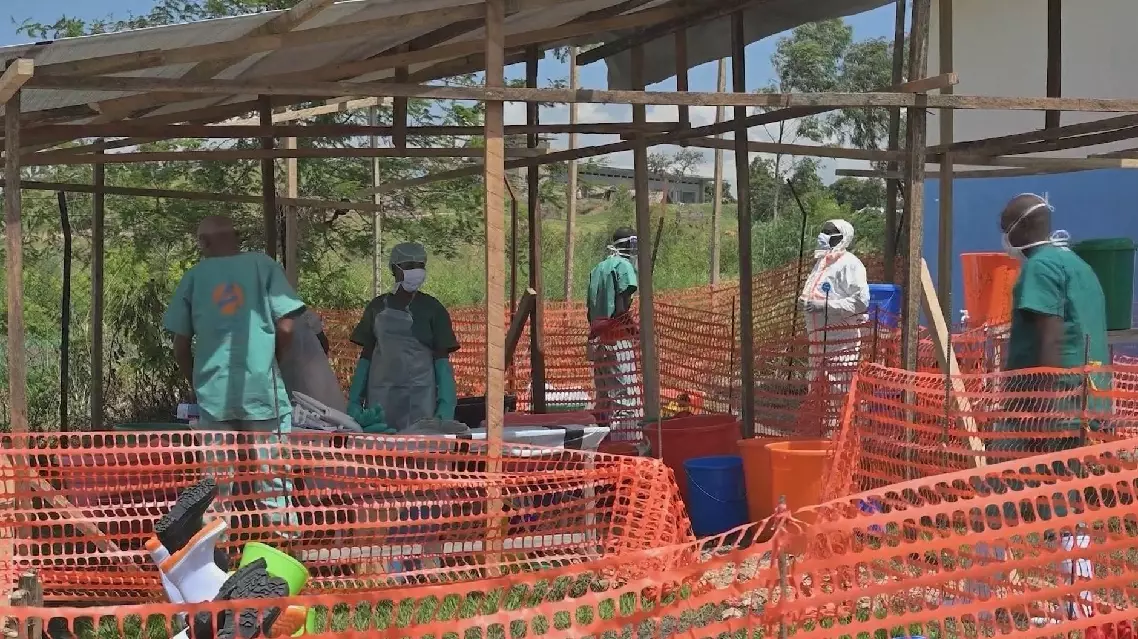
Ebola caseload in DR Congo tops 4,000
Protesters in Japan's Hiroshima took to the streets Thursday, the 81st anniversary of the U.S. atomic bombing, to oppose the government’s lifting of a ban on lethal weapons exports and demand adherence to the Three Non‑Nuclear Principles.
A U.S. bomber dropped an atomic bomb over the city on Aug. 6, 1945, killing around 140,000 people by the end of that year. Three days after the world's first-ever nuclear attack decimated Hiroshima, a second atomic bomb was dropped on Nagasaki in southwestern Japan.
As the only country in the world to have suffered atomic bombings, Japan has long upheld the Three Non-Nuclear Principles, which prohibit possessing, producing or permitting the introduction of nuclear weapons into Japanese territory.
In recent years, however, calls to revise the principles have grown in the country, especially within the ruling bloc.
The Japanese government, led by Prime Minister Sanae Takaichi, officially revised the "three principles on transfer of defense equipment and technology" and their implementation guidelines in April.
The revisions scrap the restrictions that had limited arms exports to five non-combat categories, allow, in principle, the export of lethal weapons, permit transfers to nations engaged in active conflict under specified circumstances, and sideline parliament from the decision-making process.
The revisions bring wide concerns among the citizens, who firmly oppose the dangerous moves of the government.
"Whenever I hear about someone selling weapons, I can't help but ask myself -- 'Why? Why start that kind of war again?' I honestly can't understand how anyone could think that way. It's not just hard to understand. I think there's something wrong with the people who have those kinds of thoughts," said Aiko Maeda, one of the protesters.
"If lethal weapons are exported from Japan to other parts of the world, that means Japan is getting involved in wars. I really don't want my country to take part in such harmful and dangerous acts," said Nozomi Yamao, another protester.
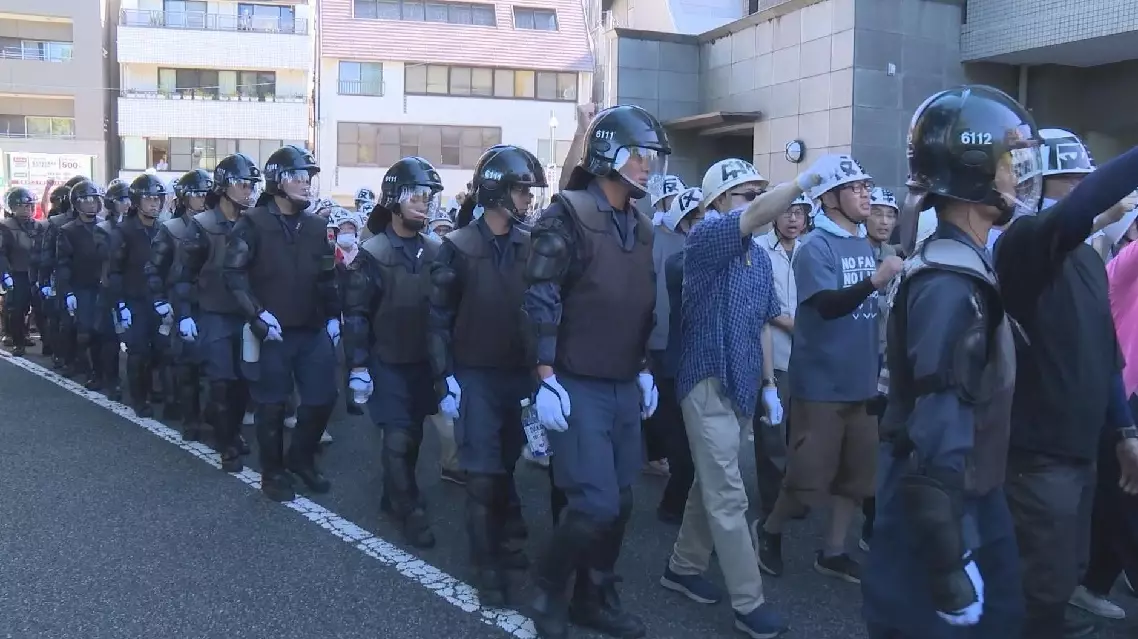
Hiroshima protesters mark atomic bombing anniversary, oppose lethal weapons exports