Protesters in Japan's Hiroshima took to the streets Thursday, the 81st anniversary of the U.S. atomic bombing, to oppose the government’s lifting of a ban on lethal weapons exports and demand adherence to the Three Non‑Nuclear Principles.
A U.S. bomber dropped an atomic bomb over the city on Aug. 6, 1945, killing around 140,000 people by the end of that year. Three days after the world's first-ever nuclear attack decimated Hiroshima, a second atomic bomb was dropped on Nagasaki in southwestern Japan.
As the only country in the world to have suffered atomic bombings, Japan has long upheld the Three Non-Nuclear Principles, which prohibit possessing, producing or permitting the introduction of nuclear weapons into Japanese territory.
In recent years, however, calls to revise the principles have grown in the country, especially within the ruling bloc.
The Japanese government, led by Prime Minister Sanae Takaichi, officially revised the "three principles on transfer of defense equipment and technology" and their implementation guidelines in April.
The revisions scrap the restrictions that had limited arms exports to five non-combat categories, allow, in principle, the export of lethal weapons, permit transfers to nations engaged in active conflict under specified circumstances, and sideline parliament from the decision-making process.
The revisions bring wide concerns among the citizens, who firmly oppose the dangerous moves of the government.
"Whenever I hear about someone selling weapons, I can't help but ask myself -- 'Why? Why start that kind of war again?' I honestly can't understand how anyone could think that way. It's not just hard to understand. I think there's something wrong with the people who have those kinds of thoughts," said Aiko Maeda, one of the protesters.
"If lethal weapons are exported from Japan to other parts of the world, that means Japan is getting involved in wars. I really don't want my country to take part in such harmful and dangerous acts," said Nozomi Yamao, another protester.
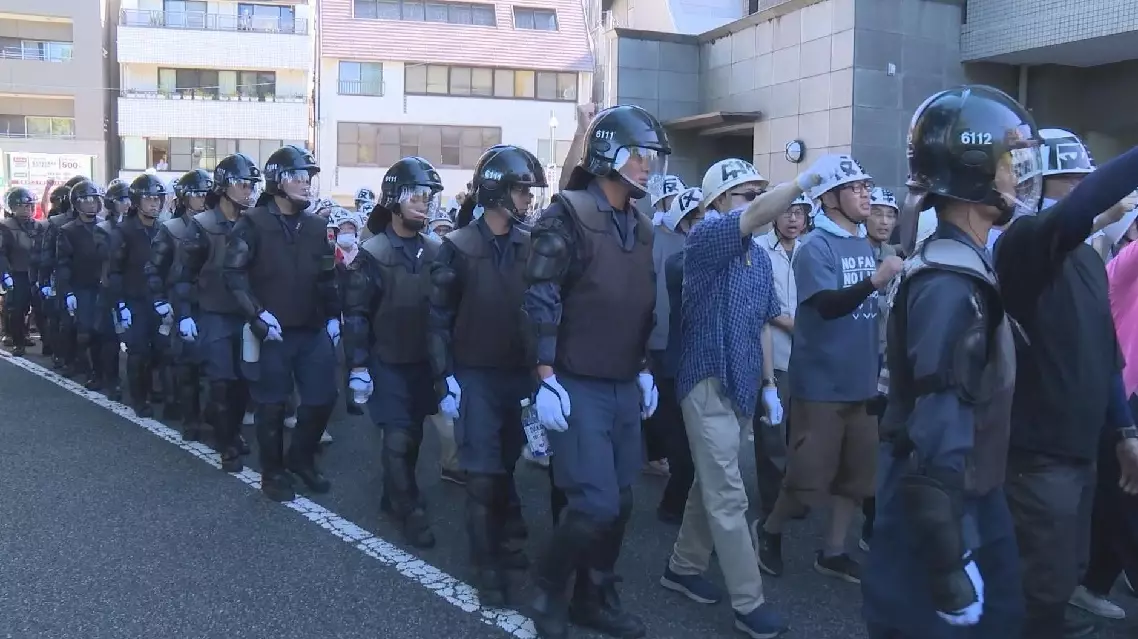
Hiroshima protesters mark atomic bombing anniversary, oppose lethal weapons exports
Civilians in Gaza continue to face intense military strikes, shelling, gunfire and naval fire from Israel, among other threats to their safety, UN humanitarians said Thursday.
The UN Children's Fund said Thursday that at least 300 children have been killed in Gaza in the past 300 days since a ceasefire was announced in October 2025, amounting to an average of one child every day.
"As children continue to live under difficult conditions -- including overcrowded shelters and limited access to safe water and health services -- the UN and humanitarian partners are doing what they can to scale up assistance," said the UN Office for the Coordination of Humanitarian Affairs (OCHA).
Last week, partners supporting child protection services distributed more than 800 hygiene kits, along with water containers and detergent, to 50 displaced families, including children and caregivers. They also provided 300 child identification cards and 500 notebooks for children, said OCHA.
Last month, partners provided more than 500 children with disabilities with cash assistance, assistive devices, walkers, diapers, medical mattresses and rehabilitation services, said the office.
As part of efforts to address gender-based violence, partners reported the opening last week of a new safe space in North Gaza governorate. The facility offers women and girls a confidential space to seek support and share experiences, said OCHA.
"Across Gaza, some 8,400 women and girls take part in activities at 85 safe spaces every week," said the office. "Humanitarian organizations stress that to open more safe spaces and reach more people, they need additional funding and safe access to all areas."
In the West Bank, a group of Israeli settlers reportedly set fire to homes in the Palestinian community of Tuba in the Masafer Yatta area of Hebron on Wednesday night. Three families, including 14 children, were displaced and sought safety with relatives and neighbors. Several people were injured, including two children, and a solar power system and 10 tonnes of animal fodder were destroyed, along with other property, said OCHA.
In the first seven months of the year, OCHA documented more than 1,380 incidents involving Israeli settlers that resulted in casualties, property damage or both, averaging about 6.6 per day across 250 Palestinian communities. During the same period, over 2,300 Palestinians were displaced due to settler attacks and related access restrictions.
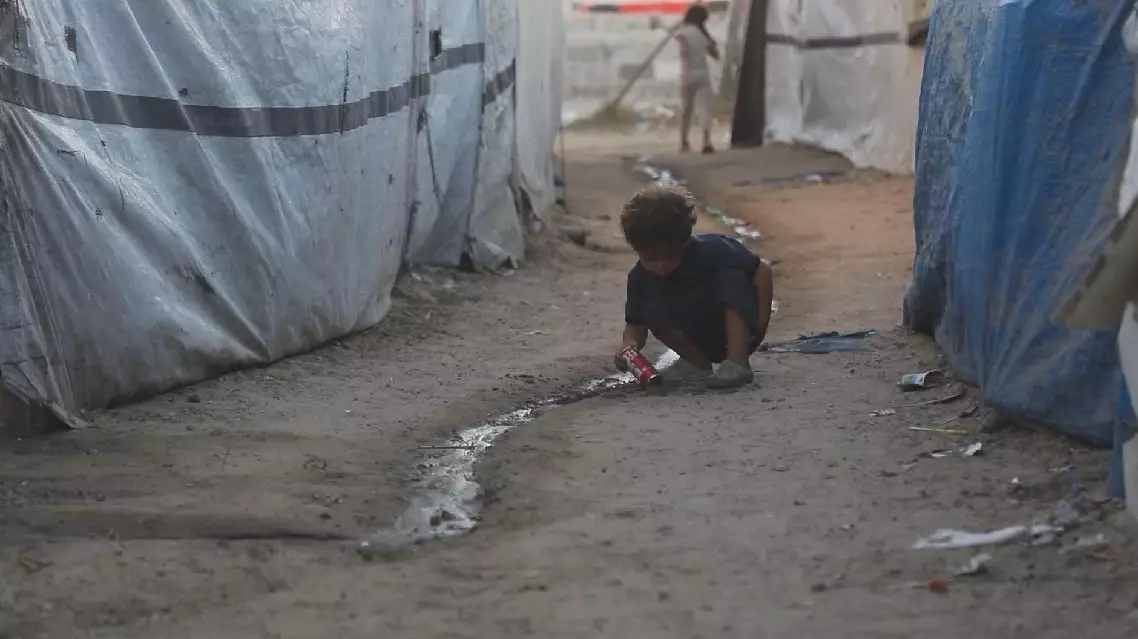
Gazans face intense Israeli violence, child death toll mounts: UN