Relentless heatwaves, deepening drought and raging wildfires are straining Europe's freight transport, energy systems and agriculture this summer, driving up costs and threatening billions in economic losses.
Prolonged high temperatures and insufficient rainfall have caused major European rivers to recede to critical levels. On Wednesday, the water level at the bottleneck gauging station of Kaub on the Rhine River hit a new historic low, breaking the previous record set in 2018, with further declines expected in the coming days.
The Rhine serves as a vital artery for inland freight transport across Europe. Analysts cautioned that if drought conditions persist, supply chains in the chemical, steel, and mineral oil sectors could face significant disruptions, potentially forcing some manufacturers to scale back production.
Meanwhile, freight capacity on sections of the Danube River in Austria and Hungary has also seen notable reductions.
Economists forecast that low water levels could inflict between one billion and two billion euros in economic losses on Germany in the third quarter alone.
The heatwave has placed a twin burden on Europe's energy infrastructure. On one hand, surging demand for cooling equipment has driven electricity consumption sharply higher. On the other, insufficient water resources and elevated river temperatures have constrained the operation of nuclear and hydropower plants, reducing overall energy supply capacity.
Tighter energy supply could further disrupt rail freight, steel production, and chemical manufacturing, while also adding to inflationary pressures.
The agricultural and livestock sectors are among those most directly hit by extreme heat. Persistent high temperatures have increased water requirements for crops and livestock, driving up costs for irrigation, feed, insurance, and disaster prevention.
In France, preliminary estimates suggest that this year's heat could reduce total agricultural output by 10 percent, potentially costing the country up to six billion euros in losses.
The economic toll is further magnified by wildfires ignited by the extreme conditions. According to data from the United Nations Economic Commission for Europe, wildfires have already scorched more than 434,000 hectares of land across Europe this year.
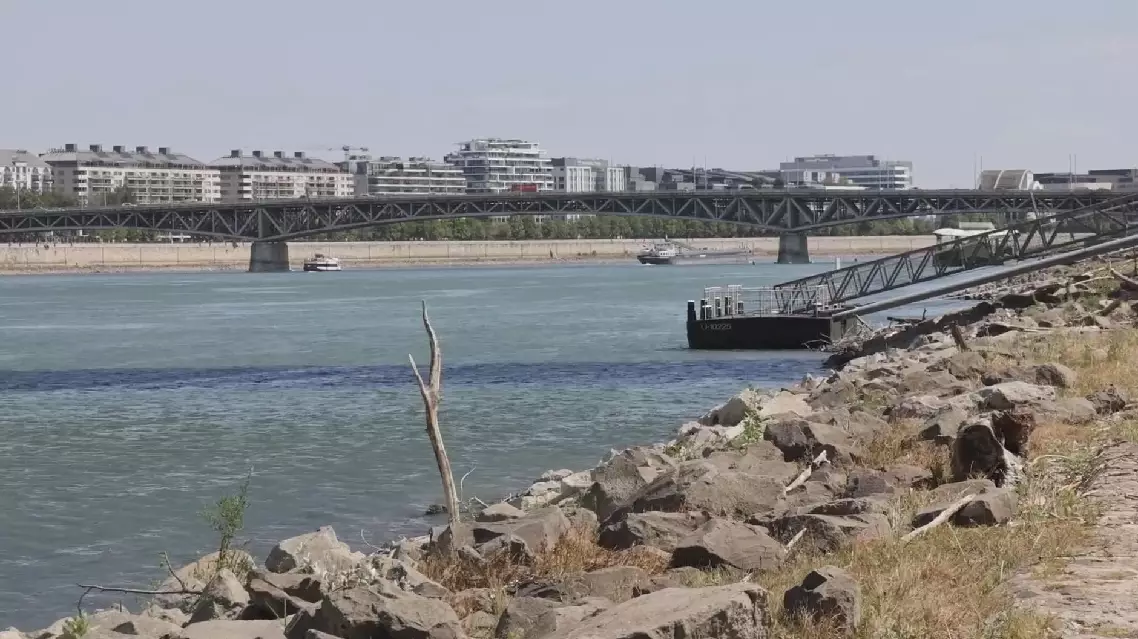
Heatwave, drought threaten billions in losses across Europe