Cuba issued Decree-Law 135 on oil and gas on Monday to attract investment in exploration and production amid a worsening energy crisis.
The Ministry of Energy and Mines held a press conference on the new decree, stating that the measure aims to better meet the country's demand for fuels and derivatives and support the restoration of the national power system.
While stressing the country's energy sovereignty and jurisdiction over its energy resources, the new legislation promotes investment in the energy sector by domestic and foreign enterprises through more diverse cooperation models, according to Pedro Abigantus, director of the ministry's directorate of investments and oil and gas Businesses.
"Previously, foreign participation was limited to production-sharing contracts. Now, we are including other models, such as oil concessions, since there are investors who prefer that approach. We therefore view these as incentives -- measures that help attract more investment. Opportunities are also open to domestic investors," he said. The decree is part of Cuba's economic reform to cope with pressure from the prolonged U.S. embargo, which features comprehensive economic, financial and trade restrictions and has been intensified this year by a de facto fuel and oil blockade targeting shipments to the country.
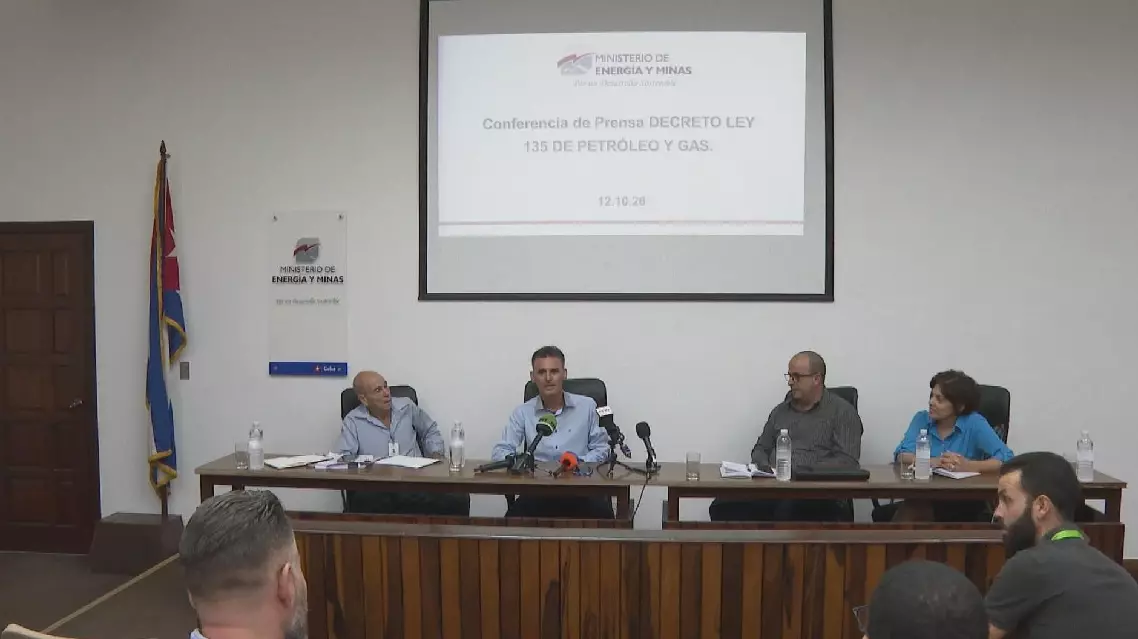
Cuba issues new oil, gas decree to increase output amid energy crisis
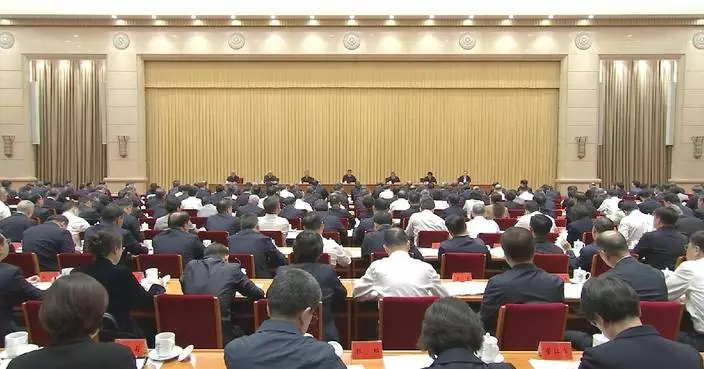
Diplomats, scholars and young content creators gathered in Beijing on Monday for the "No. 7A Salon," a special briefing marking the first anniversary of the Global Governance Initiative proposed by China, to explore a path toward a China-Latin America and the Caribbean (LAC) community with a shared future.
The event was hosted by the China Public Diplomacy Association, whose organizers see young digital storytellers as a vital bridge for deepening people-to-people and cultural exchanges between China and the region.
Addressing the salon, China's special representative for Latin American affairs Qiu Xiaoqi highlighted the achievements of China-LAC cooperation, saying the two sides have acted in growing concert on the global stage, from international institutions to shared positions against coercive practices.
"Over the past year or so, China and Latin American and Caribbean countries have actively advanced the building of the China-LAC community with a shared future through five major programs focusing on unity, development, civilization, peace and people-to-people bonds, and have made joint contributions to a more just and equitable global governance system. The two sides have worked closely together under multilateral frameworks such as the United Nations, BRICS, APEC and the China-CELAC Forum. They speak with one voice and make concerted efforts on global issues including multilateral trade, climate change and food and energy security, and jointly oppose unilateralism, protectionism and hegemonic practices," said Qiu.
Chinese officials attending the meeting reaffirmed Beijing's principle of non-interference in the internal affairs of LAC countries, saying China's modernization experience offers a useful reference for countries in the region as they explore their own development paths. On artificial intelligence (AI), the officials voiced readiness for cooperation with the region, while stressing that the technology must remain under human control.
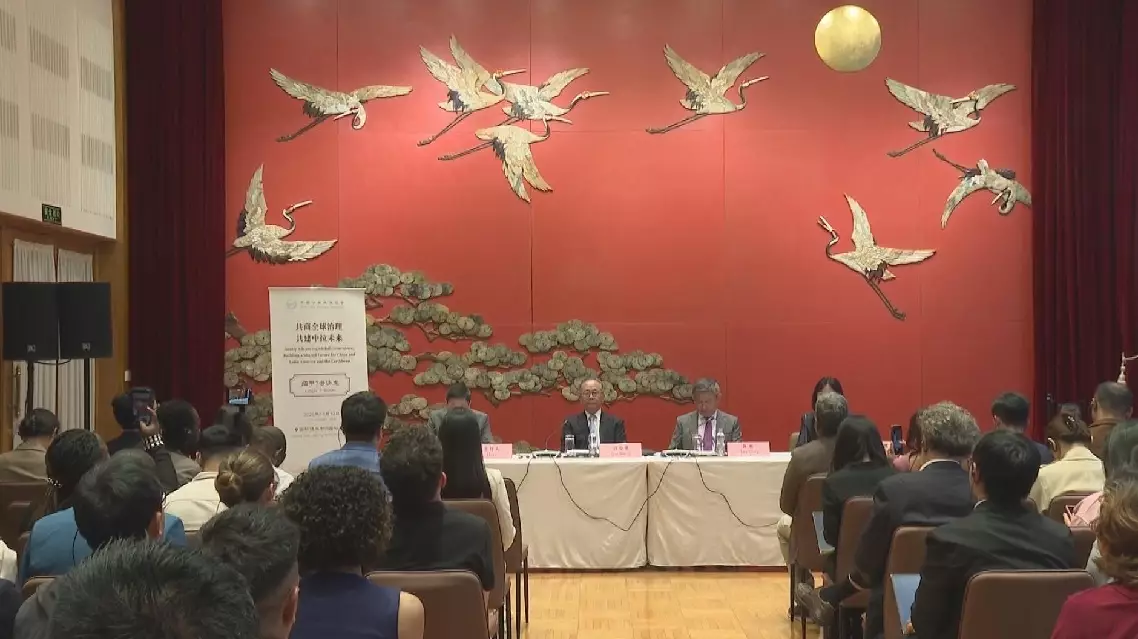
Public diplomacy association hosts salon on China-LAC shared future