Renewed uncertainty over shipping in the Strait of Hormuz is pushing Iraq to fast-track alternative oil export routes, as the country moves to reduce its dependence on the volatile waterway and shield its oil-driven economy from potential disruption.
For decades, the Strait of Hormuz has been the heartbeat of Iraq's oil trade -- the narrow choke point through which most of its crude flows. But since the escalation of conflict involving the United States, Iran, and Israel, that pulse has grown increasingly erratic, exposing the fragility of relying on a single corridor.
At Basra Port in southern Iraq, oil loading operations are still ongoing. Yet whether tankers can reach the terminals -- and leave safely -- remains at the mercy of the strait's status and the shifting security landscape in the region.
Oil exports account for about 88 percent of Iraq's government revenue. Before the recent regional conflict, Iraq exported roughly 3.6 million barrels of oil per day, with about 3.4 million shipped from Basra Port through the Strait of Hormuz to international markets.
In March, Iraq slashed its daily output by nearly 1.5 million barrels after tankers were unable to reach its southern terminals for loading. In mid-June, shipping through the strait resumed following a temporary U.S.-Iran agreement, and Iraqi exports recovered. But with tensions flaring again, traffic in the strait has slowed once more, dealing a fresh blow to Iraq's oil exports.
"The real problem is that tankers are unable to arrive in an orderly manner due to the situation in the Strait of Hormuz. Iraq's oil exports have been anything but stable," said Asim Jihad, former spokesman for Iraq's Oil Ministry.
Based on the data released by Iraq's Ministry of Oil, the country's total oil exports in May and June of this year amounted to only one-third of its pre-war monthly export volume. The recurring blockages in the Strait of Hormuz have made the Iraqi government realize that relying on a single maritime lifeline is insufficient to ensure the safety of its oil exports.
In order to maintain production and alleviate storage pressure, the Iraqi government has turned its attention to overland routes and recently reopened the "Iraq-Syria" transport corridor, making it an "emergency lifeline" for Iraq to break free from its "oil dilemma". "Iraq is currently exporting oil by land. We have to move the inventory in time; otherwise, storage will stack up at the refineries and disrupt normal operations. Finding new export channels is no longer an option, it's a necessity," said Jihad.
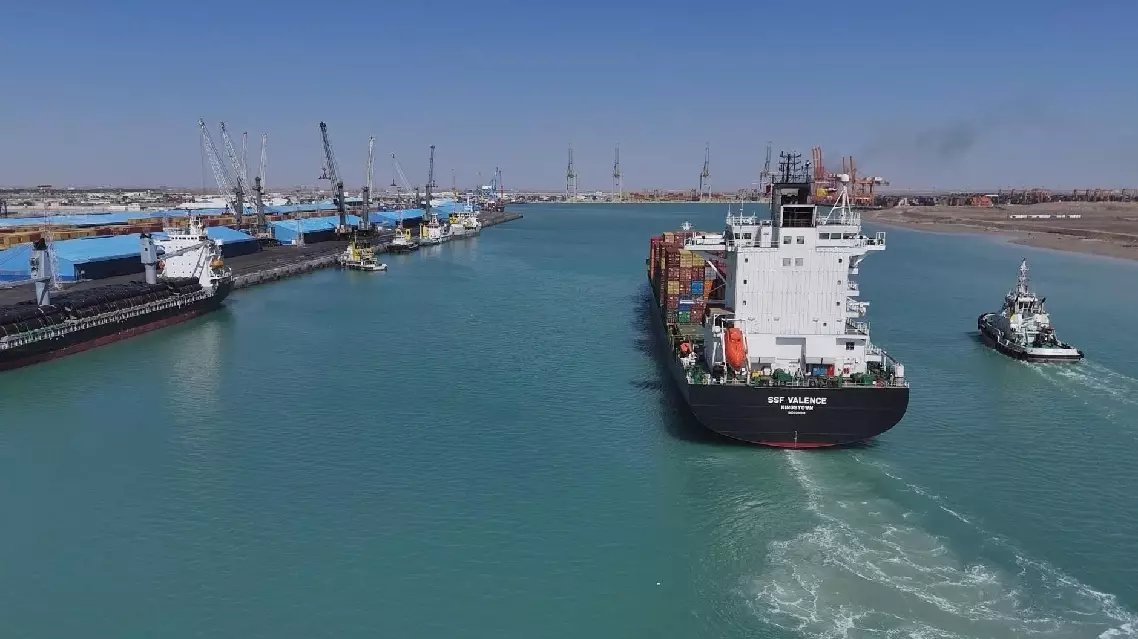
Iraq seeks to diversify its crude oil export routes amid growing uncertainty over Strait of Hormuz