China's producer price index (PPI), which measures costs for goods at the factory gate, went up 3.5 percent year on year in July, the National Bureau of Statistics said on Sunday.
On a month-on-month basis, the national PPI fell 0.7 percent in July, with the rate of decline widening by 0.4 percentage points from the previous month.
New growth drivers continued to gain momentum amid vibrant expansion in sectors including artificial intelligence, high-end equipment and new materials. Prices of intelligent unmanned aerial vehicle manufacturing, carbon-based new materials, and shipbuilding and related equipment manufacturing rose 2.5 percent, 0.4 percent and 0.3 percent, respectively.
On a year-on-year basis, the 3.5-percent PPI growth marked a slowdown of 0.6 percentage points compared with June.
By industry, among the sectors that registered price hikes, oil and natural gas extraction, petroleum, coal and other fuel processing, and chemical raw materials and chemical products manufacturing saw prices increase by 3.2 percent, 8.2 percent and 9.1 percent respectively.
Non-ferrous metal mining and dressing, and non-ferrous metal smelting and rolling processing rose 22.6 percent and 20.2 percent respectively, while ferrous metal smelting and rolling processing went up 2.7 percent.
While the year-on-year growth rates in all six industries narrowed compared to the previous month, their combined effect still contributed approximately 2.55 percentage points to the overall PPI increase.
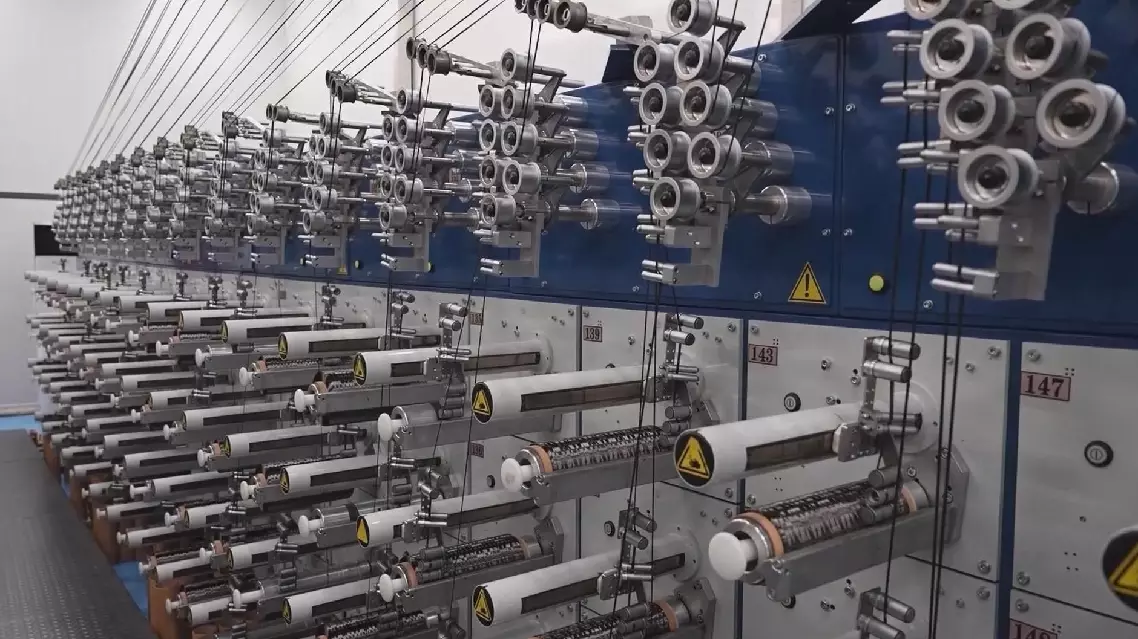
China's PPI up 3.5 pct in July
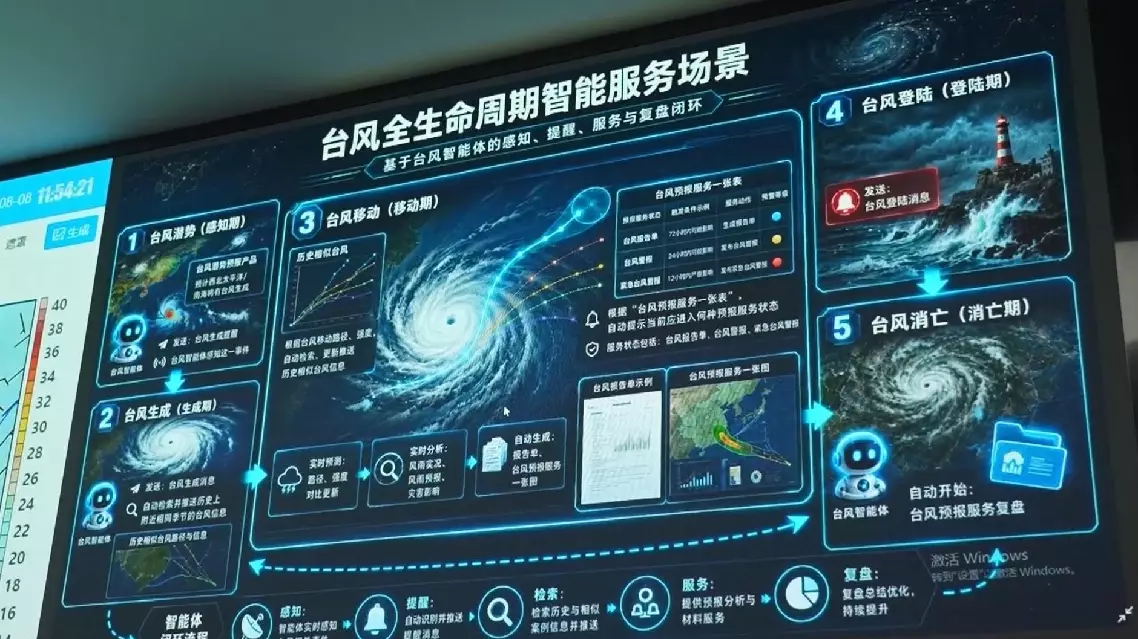
As Typhoon Dolphin approaches, east China's Zhejiang Province has turned to digital technologies and advanced equipment to boost early warning systems and ramp up emergency readiness.
Typhoon Dolphin, the 13th typhoon of 2026, is forecast to make landfall along the coast between Zhejiang and northern Fujian from Sunday afternoon to Monday morning.
Zhejiang raised its typhoon emergency response to Level I, the highest level, on Saturday night, according to the provincial flood control and drought relief headquarters.
To better handle the typhoon, the provincial water resources department has been using a digital twin platform to simulate potential rainstorm and flood paths by integrating rainfall and hydrological data.
The platform can automatically generate response plans, identifying evacuation zones and estimating the number of people to be relocated.
"After the Level I emergency response was activated, we have been assessing the flood risks in every river basin on an hourly basis. We rely on the digital twin system to monitor water levels and rainfall changes at over 10,000 hydrological stations across the province. It allows us to analyze fast and issue warnings timely," said Chen Zhigang, an investigator with the flood and drought disaster prevention division of the provincial water resources department.
The typhoon is expected to bring strong winds and abundant moisture and affect a wide area. It may move slowly after landfall, bringing prolonged heavy rainfall and posing high risks of extreme weather and severe damage.
"This typhoon is moving relatively slowly and may linger over our province longer than a typical storm. For us, the key tasks are monitoring, forecasting and early warning. We will keep tracking the evolving rainstorm situation and issue timely alerts to support personnel evacuation and subsequent defense efforts," said Chen.
In addition to the digital twin platform, a range of advanced equipment has been deployed across Zhejiang to strengthen its typhoon defense.
In Ningbo, intelligent inspection robot dogs are now patrolling water conservancy facilities around the clock, feeding back operational data in real time.
In Wenzhou, a fixed-wing communication drone with a six-meter wingspan has completed all testing and is on standby. In the event of road, power or network outages, the drone can take off vertically, stay airborne for up to five hours, and support simultaneous communication for up to 1,200 people in a single mission.
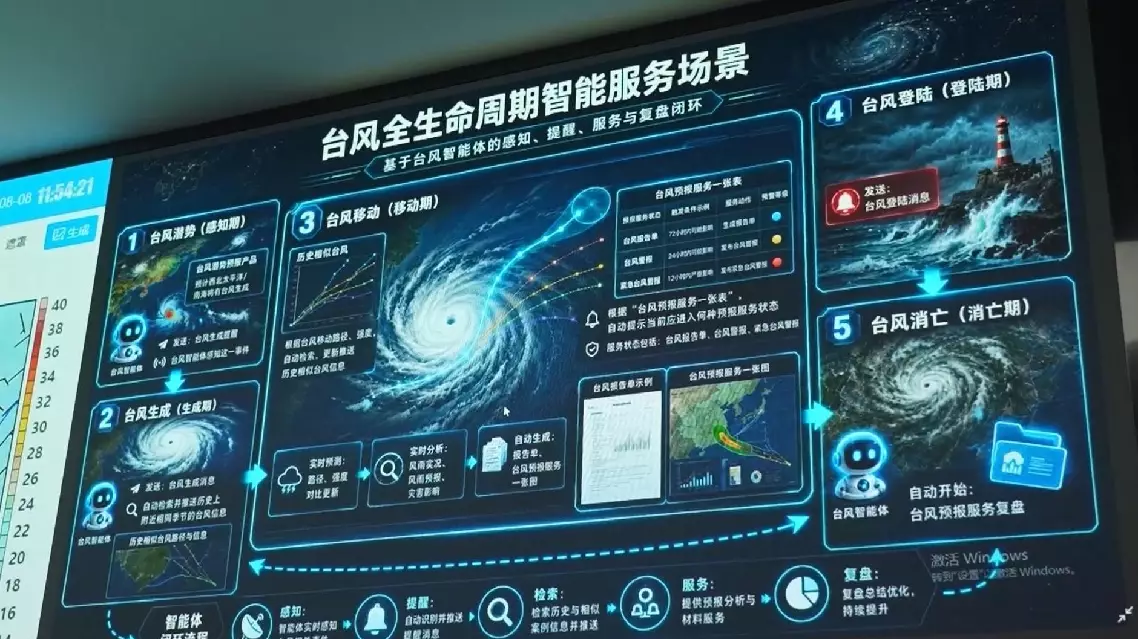
Zhejiang applies digital tech to strengthen Typhoon Dolphin defenses
Zhejiang applies digital tech to strengthen Typhoon Dolphin defenses