China leads the world in direct utilization of geothermal energy, with its geothermal heating and cooling area reaching 1.65 billion square meters, according to the China Geological Survey (CGS) on Sunday.
During the 15th Five-Year Plan period (2026–2030), the country will focus on three geothermal regions -- north China, northeast China and the middle and lower reaches of the Yangtze River, as well as four geothermal belts including the southeastern coastal area, to identify target zones for exploration and development, the CGS said.
Geothermal energy is a stable, low-carbon renewable resource with substantial reserves and high efficiency. China has long maintained the world's leading position in the scale of direct geothermal energy utilization.
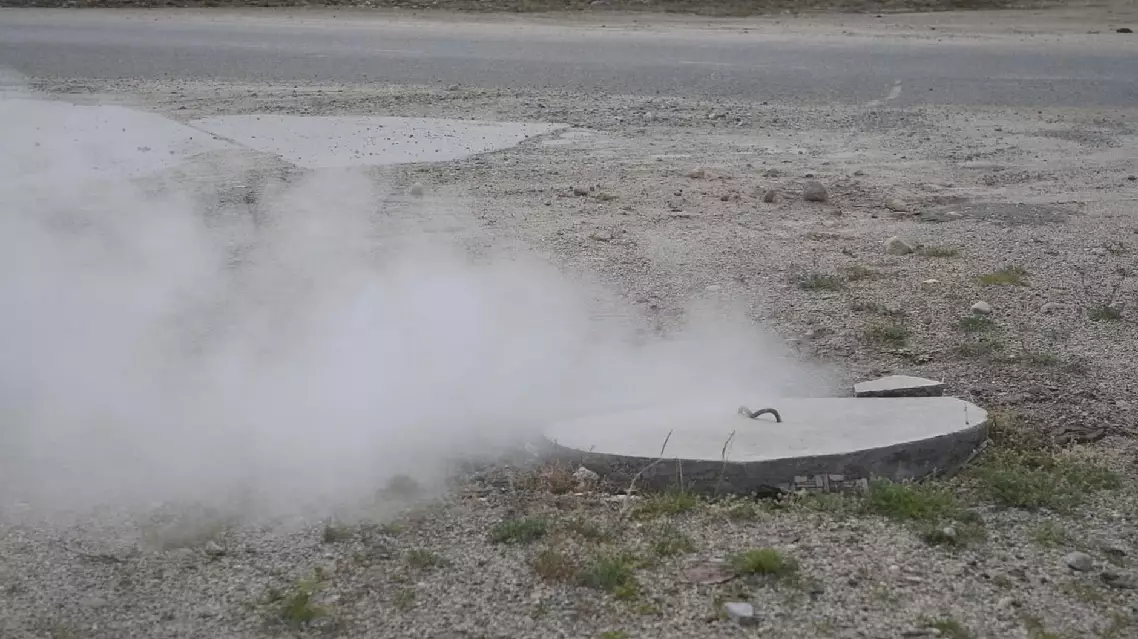
China leads world in direct utilization of geothermal energy
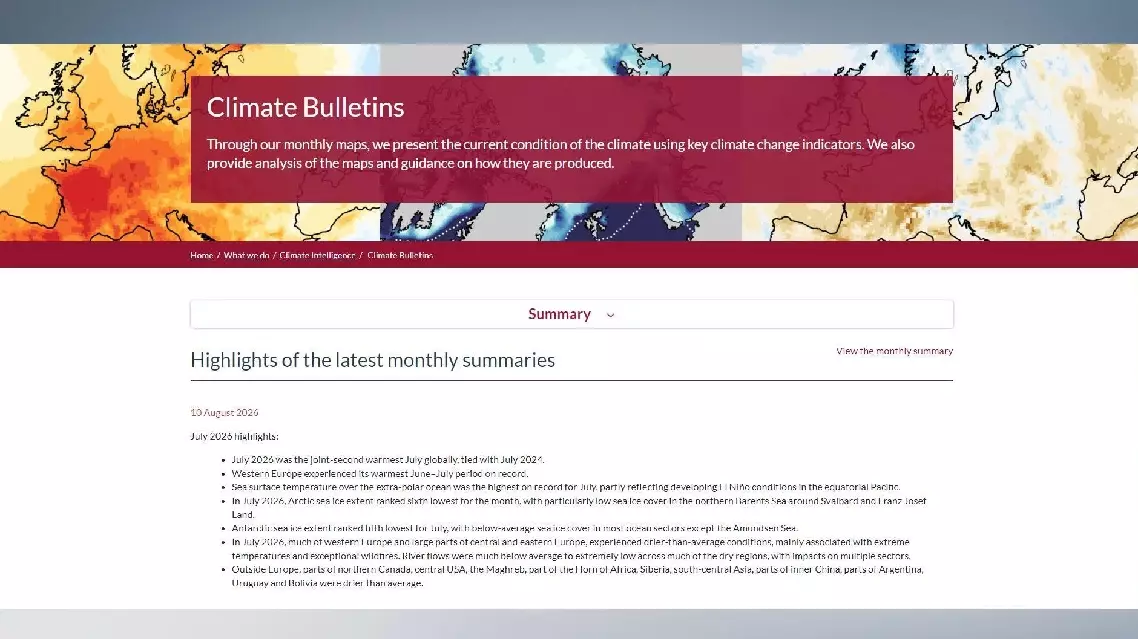
Global ocean surface temperatures reached a record high for July as developing El Nino conditions helped drive exceptionally warm waters across the tropical Pacific, the European Union's Copernicus Climate Change Service (C3S) said on Monday.
The average sea surface temperature across the extra-polar oceans, between 60 degrees south and 60 degrees north latitude, reached 20.96 degrees Celsius last month, beating the previous July record of 20.89 degrees Celsius set in 2023, the C3S said.
Sea temperatures were exceptionally high across a large part of the tropical Pacific, where El Nino conditions are present and forecast to strengthen in the coming months.
Waters around Europe were also unusually warm, with record July sea surface temperatures along the Atlantic and western Mediterranean, where widespread strong or severe marine heatwaves developed, the C3S said.
Globally, July was the joint second warmest July on record, tied with 2024 and behind 2023. The average surface air temperature was 16.90 degrees Celsius, or 1.47 degrees Celsius above the estimated pre-industrial average for the 1850-1900 period.
Western Europe, meanwhile, experienced its hottest June-July period on record after enduring a succession of heatwaves since May, according to the C3S.
The region's average temperature over the two months was 21.62 degrees Celsius, 2.79 degrees Celsius above the 1991-2020 average and above the previous record set in 2022.
"July 2026 was the third consecutive month of exceptional heat in western Europe," said Samantha Burgess, strategic lead for climate at the European Center for Medium-Range Weather Forecasts.
Persistent high-pressure systems trapped heat over the region, while dry soils reduced natural cooling and allowed temperatures to rise further, she said.
Dry conditions in May and June also persisted and intensified across much of western and central Europe in July. France, Spain, parts of Germany and Britain reported exceptionally low rainfall or soil moisture.
River flows fell well below average across much of the dry regions, with the Seine, Rhine and Danube particularly affected, putting pressure on water supplies, irrigation, river transport, ecosystems and energy production.
The combination of persistent heat and drought also contributed to exceptional wildfire activity across western Europe in terms of both burned area and emissions, C3S said.
"Climate change is increasingly bringing the kinds of hot and dry conditions that favor large, high-intensity wildfires in southern Europe while extending the fire season northwards," said Laurence Rouil, director of the Copernicus Atmosphere Monitoring Service.
Larger fires can send smoke higher into the atmosphere, allowing it to travel further and affect air quality thousands of kilometers away, Rouil said.
Global ocean temperatures hit record July high as El Nino develops: EU climate monitor