China's total green fuel production capacity reached about 8 million metric tons of oil equivalent per year by the end of 2025, according to a report recently released by the National Energy Administration (NEA).
Green fuels refer to low-carbon alternatives including green methanol, green synthetic ammonia, sustainable aviation fuel, biofuel ethanol, biodiesel, and bio-natural gas, which meet environmental protection requirements throughout their life cycles.
Application scenarios of green fuels have expanded across multiple sectors such as shipping, aviation, road transportation, and industry, said the NEA report.
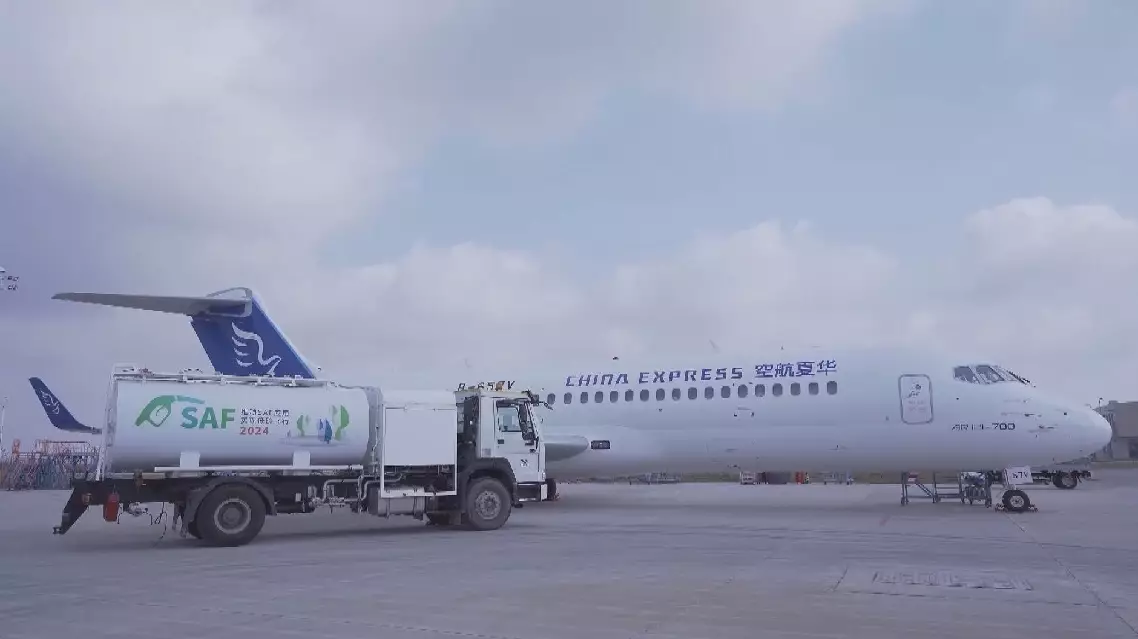
China achieves 8 million tonnes of green fuel capacity
The small gold-mining town of Mongbwalu in northeastern Democratic Republic of the Congo (DRC) continues its fight against the country's worst Ebola outbreak on record, a health crisis that has claimed nearly 2,000 lives since May.
The current outbreak, initially confined to the Mongbwalu health zone, has spread over the past two months to 49 health zones across five provinces: Ituri, home to Mongbwalu Town, and North Kivu, South Kivu, Haut-Uele and Tshopo.
Local health authorities stated that the highly mobile mining workforce, large numbers of people displaced by violence, and inadequate health infrastructure in Mongbwalu have fueled the spread.
Deogratias Kasereka, the first Ebola patient to recover in Mongbwalu, is one of dozens of people who have recovered in Mongbwalu health zone.
"I was declared cured and discharged. I was the only patient to recover among all the confirmed Ebola cases that day. Sadly, all the others died," he said.
Kasereka now travels to local communities, raising awareness about prevention and encouraging people with symptoms to seek immediate medical care.
Insecurity, poor health and transport infrastructure, and funding cuts by some Western donors have hampered operations. Healthcare workers have also faced attacks from hostile crowds.
"There are challenges in the health zones, particularly related to limited mobility and security issues. So far, we have 12 health areas. There is also a health zone located in the Mambasa territory, about 50 kilometers from here, to which access remains difficult," said Ruben Dedja Denyo, chief medical officer of Mongbwalu health zone.
Against this backdrop, DRC Prime Minister Judith Suminwa Tuluka visited Mongbwalu to evaluate ongoing containment efforts and announce additional state resources.
"We are considering the sustainability of the Ebola response to ensure that the health system does not collapse after the pandemic. But for the public, my message is simple: without community engagement, we cannot eradicate this disease," she said.
The DRC officially declared outbreaks of Ebola disease caused by the Bundibugyo virus on May 15. However, the World Health Organization (WHO) stated on Monday that the Ebola outbreak in DRC may have begun as early as February, according to genetic sequencing studies.
According to the latest figures released by local authorities, the DRC had recorded 4,209 confirmed cases, including 1,916 deaths, as of Aug. 7.
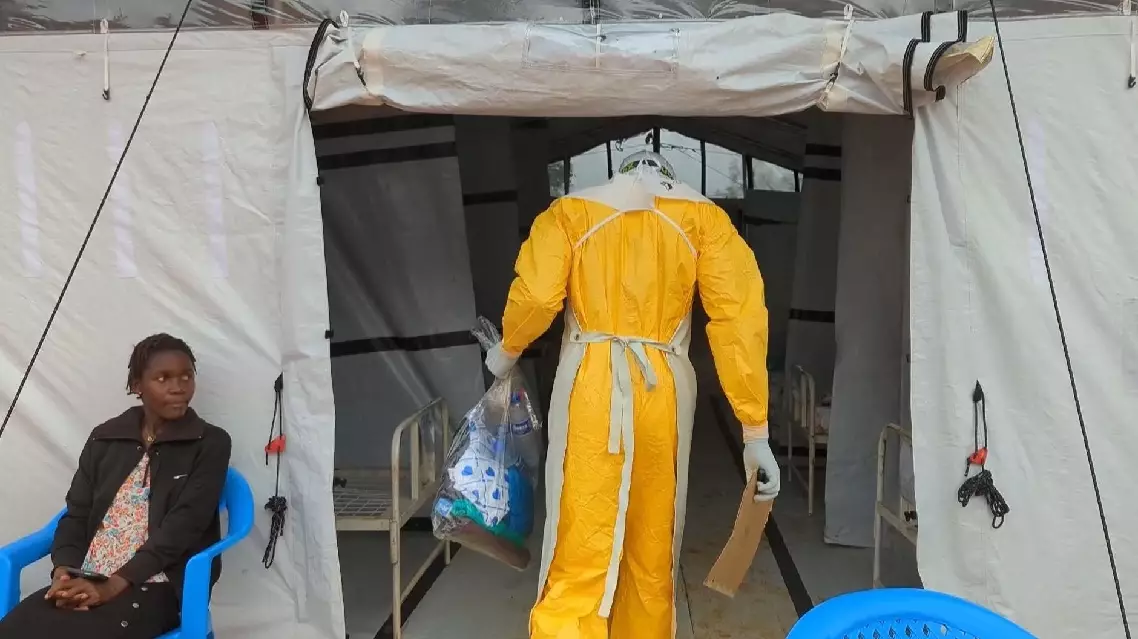
Town in DR Congo continues fight against Ebola amid steep challenges