DIYARBAKIR, Turkey (AP) — Residents in Turkey's mainly Kurdish-populated southeastern region reacted with a mix of relief, joy and uncertainty on Tuesday after parliament approved a conditional pardon for thousands of Kurdish militants, offering them a potential path toward integration into normal life in Turkey.
Lawmakers on Monday voted overwhelmingly in favor of the legislation that is aimed at advancing a peace effort between the Turkish state and the Kurdistan Workers’ Party, or PKK, which waged a long-running insurgency before announcing last year that it would lay down its weapons. The measures, however, will only come into effect after Turkish authorities have verified that the group has fully disarmed.
Residents in Diyarbakir, the region's main city, expressed hope the new law will bring peace — as well as prosperity to a region that has lagged behind economically.
“I was really very happy. I even applauded (the result) in my own home,” said 70-year-old retiree Ali Akdogan. “The economy will improve, good things will happen, people will start doing business.”
“I believe it will bring peace,” he continued, noting that since the start of the peace process there have been no deaths related to the conflict, which killed thousands of civilians, soldiers and militants over more than four decades.
Hasan Gecti, a 56-year-old shop owner, also said he believes the stability and lack of violence will benefit the region's people economically and socially but suggested that other matters, such as greater Kurdish rights, have not been addressed.
Among other issues, Kurds have been calling for broader use of their language in education and public services, along with greater political rights, including an end to the government’s practice of ousting elected mayors and replacing them with government-appointed officials.
“Has the Kurdish issue been directly solved? That’s a bit of a question mark. In my opinion, only the terrorism problem has been solved,” Gecti said. “Unfortunately, the Kurdish issue still remains where it is.”
The PKK declared a decision to dissolve itself last year in response to a call from its imprisoned leader, Abdullah Ocalan.
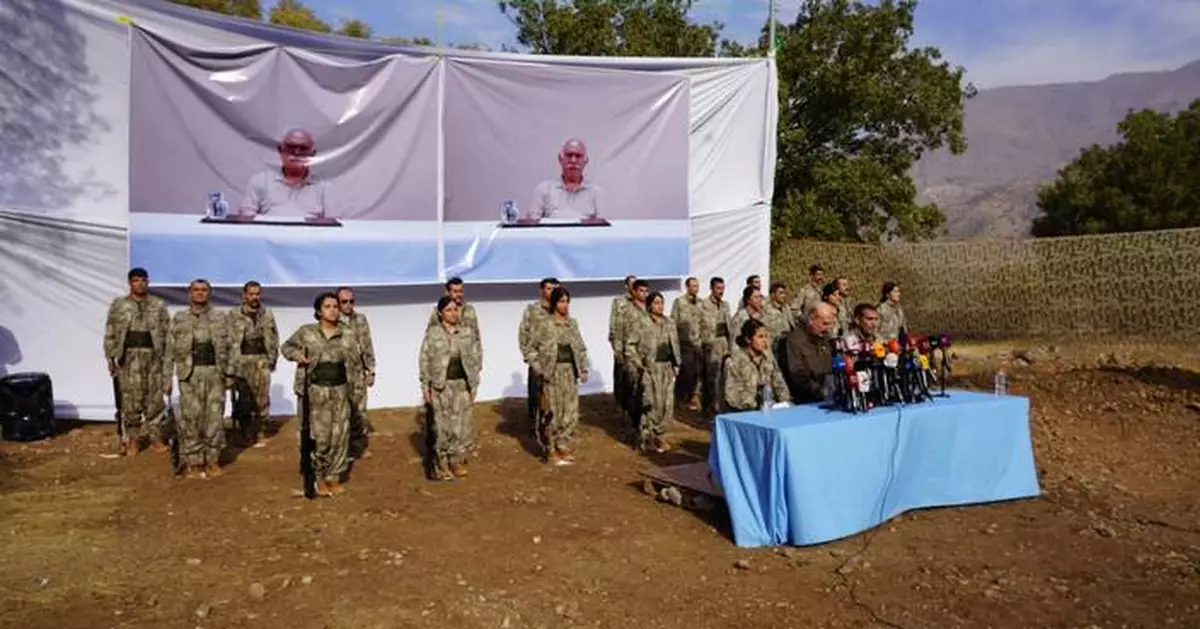
The group then staged a symbolic disarmament ceremony in northern Iraq, where it is based, and announced that it was withdrawing fighters from key locations in Turkey to Iraq.
The PKK launched the insurgency in the 1980s, initially with the aim of establishing a Kurdish state in the southeast of the country. Over time, the objective evolved into a campaign for autonomy and rights for Kurds within Turkey. Kurds are estimated to make up around 15–20% of Turkey’s population.
The new legislation will suspend some prison sentences for convicted PKK members and postpone ongoing investigations and trials against others for five or 10 years, depending on the severity of the alleged offenses. If no terror-related crime is committed within the time frame, the cases will be dropped.
Turkish media reports said thousands of PKK members are likely to benefit, including those in exile in Europe and those who are based in Iraq and Syria.
Militants convicted of intentional killings and those sentenced to life terms before 2005 are excluded from the bill’s provisions. This applies to Ocalan and other senior PKK figures.
Mehmet Kaya, head of the Diyarbakir Chamber of Trade and Industry, welcomed the fact that the legislation was passed with an overwhelming majority.
“It signals that violence is ending and the doors of politics are opening,” he said.
However, the law alone does not solve the Kurdish issue and that further reforms will be needed, he added.
“If the step taken from now bring sustainable democratization, social policies, and economic policies develop — which is the expectation — then the region will go through an important phase,” Kaya said.
In a statement carried by the PKK-linked ANF news outlet, the group on Monday described the Turkish legislation as a “beginning” to resolving outstanding issues but “has serious shortcomings and deficiencies.”
It called for Ocalan’s release from prison, for democratic reforms and Kurdish rights.
———
Fraser reported from Ankara, Turkey.
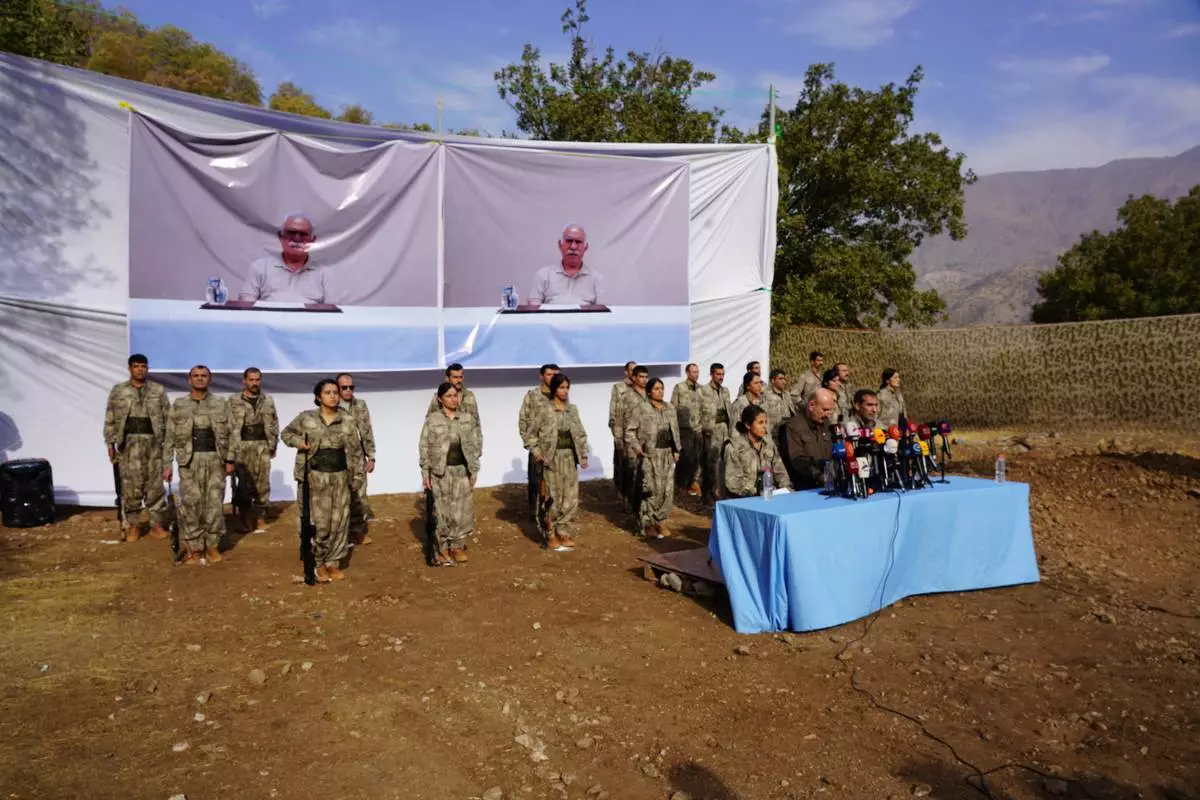
FILE - Kurdistan Workers' Party (PKK) fighters, who reportedly withdrew from Turkey with their weapons, stand to attention during a ceremony in the Qandil area of northern Iraq, щт Oct 26, 2025. (AP Photo/Rashid Yahya, File)
Yemeni authorities said six people were killed by Iran-backed Houthi rebels attacking a vessel in the Bab el-Mandeb strait, while U.S. forces fired on a ship they said was trying to break a blockade of Iran's ports.
Here’s a look at the latest developments in the Iran war and the wider Middle East. Full coverage can be found here.
Six people were killed Tuesday by Houthis firing missiles on a vessel in the Bab el-Mandeb strait, Yemeni authorities said.
Yemen's coast guard said the dead included four crew members and two members of the government-allied National Resistance Forces. Houthis fired three ballistic missiles at the Yemeni commercial vessel, according to the Transportation Ministry of Yemen’s internationally recognized government.
They are the first known deaths from Houthi attacks on shipping off Yemen in the latest bout of fighting in the Arab country.
With the Strait of Hormuz effectively shut down by Iran, there has been a renewed focus on the Red Sea and Bab el-Mandeb strait at Yemen’s southern tip, which is an alternate route for Saudi Arabia to ship its oil.
The deadly vessel strike came amid Houthi attacks on the government-held port city of Mokha on the Red Sea and other areas of the country. Dozens of government troops and civilians have been killed in attacks since last week, according to the Yemeni military.
The strikes are part of an escalation by the Houthis against government forces in Yemen and oil facilities in neighboring Saudi Arabia, which supports the Yemeni government, and the kingdom’s shipping in the Red Sea.
The Houthi attacks could reignite Yemen’s civil war following a 2022 truce, and open a new front in the Middle East war.
Mohammed Abdul-Salam, the Houthis’ chief negotiator and spokesperson, accused Saudi Arabia in a social media post of exploiting the ceasefire to tighten an air and sea blockade it imposed in 2015.
He said the Houthis are open for negotiations but any settlement must include lifting the blockade.
The U.S. military said Tuesday that its forces fired on a Panamanian-flagged ship in the Gulf of Oman that tried to evade the American blockade on Iranian ports. The move came as President Donald Trump tries to keep economic pressure on the Islamic Republic.
U.S. Central Command said the vessel had ignored warnings to stop, prompting an American helicopter to fire missiles into the engine room of the M/V Vela Nova, disabling the ship. The statement did not say whether the ship’s crew suffered any casualties.
Central Command said it has redirected 55 commercial vessels attempting to run the blockade, disabled three non-compliant vessels and boarded two. The U.S. Navy currently has more than 15 warships, including two aircraft carriers and an amphibious assault ship, stationed in the waters of the Arabian Sea.
Iran has kept up its attacks on ships in the Strait of Hormuz, largely shutting it off. It has refused to back down on demands that the U.S. end its blockade of Iranian ports, lift sanctions on the Islamic Republic and fulfill other conditions.
Iran effectively closed the strait after Israel and the U.S. attacked the country on Feb. 28. Attacks on the key waterway — through which roughly one-fifth of the world’s traded oil supplies passed before the war — and uncertainty around its future have kept energy prices a major focus of U.S. politics ahead of November’s midterm elections.
Pakistani Interior Minister Mohsin Naqvi traveled Tuesday to Tehran for meetings with Iran's foreign minister and other officials.
Naqvi's visit aimed to encourage Iran to resume negotiations with the United States under an interim peace deal brokered by Pakistan in June, two officials said. They spoke on condition of anonymity because they were not authorized to speak to the media.
Iranian Foreign Minister Abbas Araghchi posted photos from his meeting with Naqvi on his private Telegram channel.
It is Naqvi's sixth trip to Iran as part of Pakistan’s diplomatic efforts to ease tensions between Iran and the U.S.
—Munir Ahmed in Islamabad
Five European nations on the Security Council called a meeting Tuesday as Britain’s new U.N. Ambassador Sarah MacIntosh condemned escalating violence across the West Bank, calling settler attacks on Palestinian villages, some alongside Israeli soldiers, “appalling.”
Palestinian U.N. Ambassador Riyad Mansour said Israeli annexation of Palestinian territory is already “underway -- brutally and relentlessly.” He urged international action to chart a path for Palestinian self-determination and “freedom.”
Israeli U.N. Ambassador Danny Danon responded by saying: “Israel condemns all violence against Israelis and Palestinians” and ”does not tolerate extremism – we confront it.”
Danon said “extremist attacks" by Israelis are declining and accused council members of ignoring “rising” attacks by Palestinians.
In Syria, a court sentenced former President Bashar Assad along with his younger brother to death for crimes against humanity and war crimes during Syria’s 14-year conflict that left about half a million people dead.
Assad and his brother Maher, who fled to Russia after insurgents marched into Damascus in December 2024, were sentenced in absentia at the Fourth Criminal Court in the Syrian capital.
This story has been corrected to state that Bashar and Maher Assad fled to Russia in 2024, not 2014.
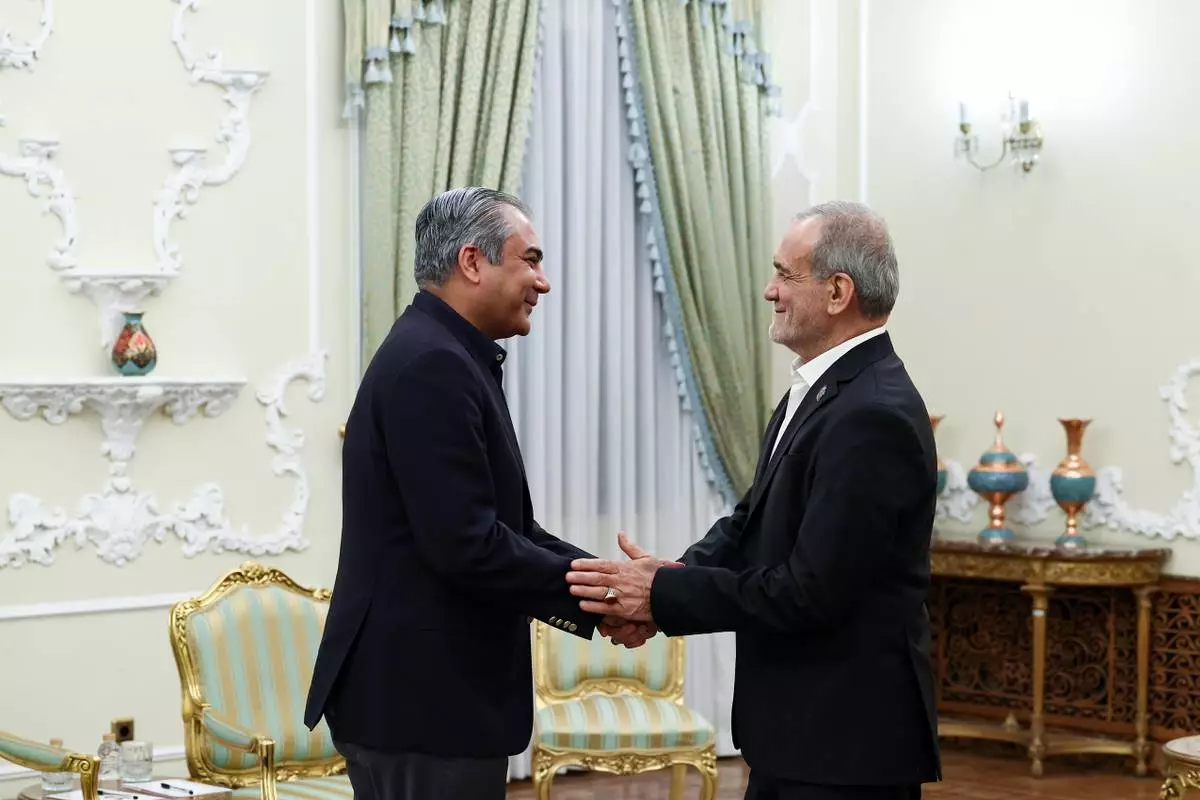
In this photo released by the Iranian Presidency Office, Iranian President Masoud Pezeshkian, right, greets Pakistan's Interior Minister Mohsin Naqvi at the start of their meeting in Tehran, Iran, Tuesday, Aug. 11, 2026. (Iranian Presidency Office via AP)
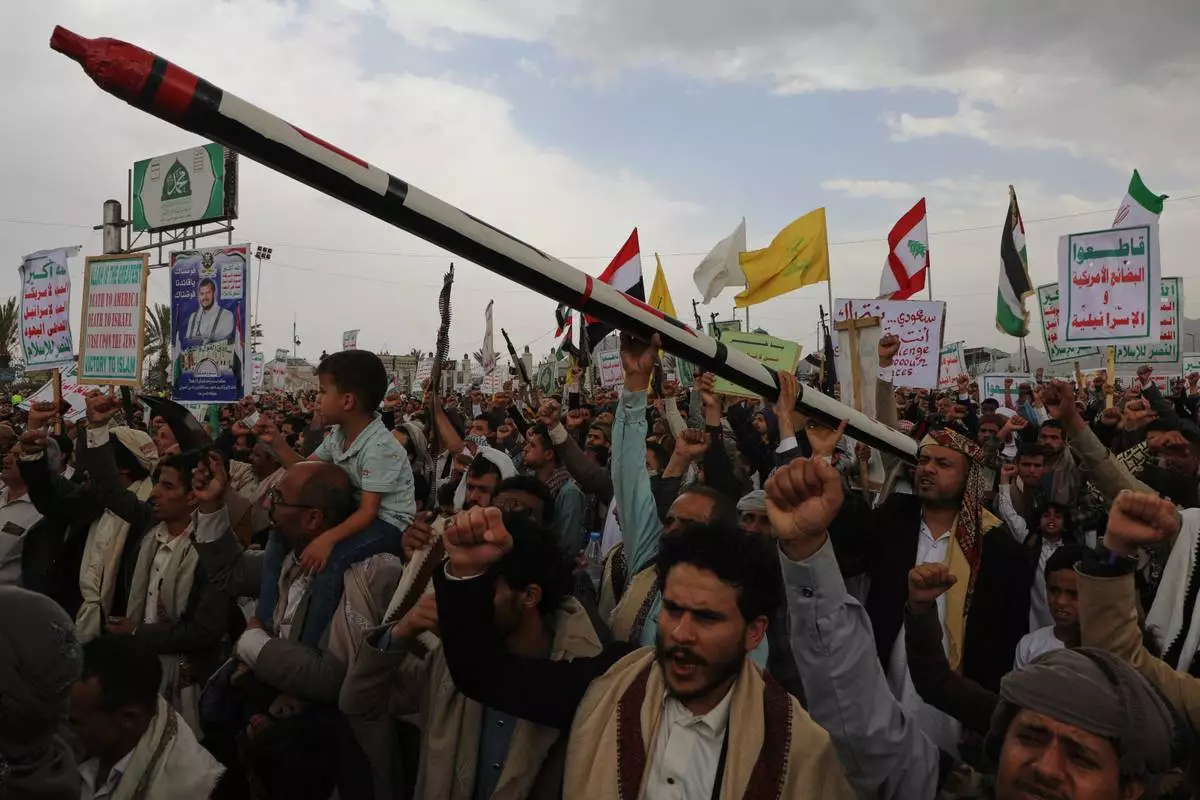
Houthi supporters chant slogans during a rally against the Saudi-led coalition in Sanaa, Yemen, Friday, July 31, 2026. (AP Photo/Osamah Abdulrahman)
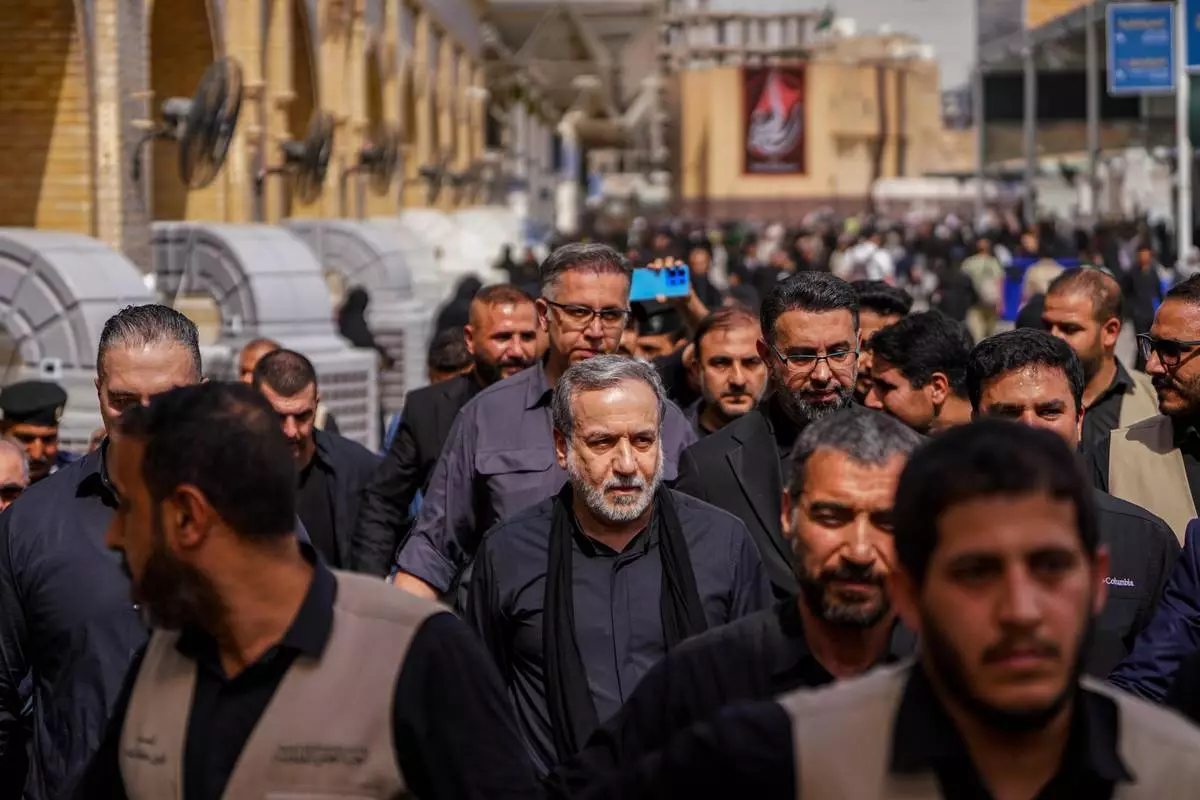
Iran's Foreign Minister Abbas Araghchi, center, is surrounded by security personnel as he walks in Najaf, Iraq, during Arbaeen commemorations, Monday, Aug. 3, 2026. (AP Photo/Anmar Khalil)
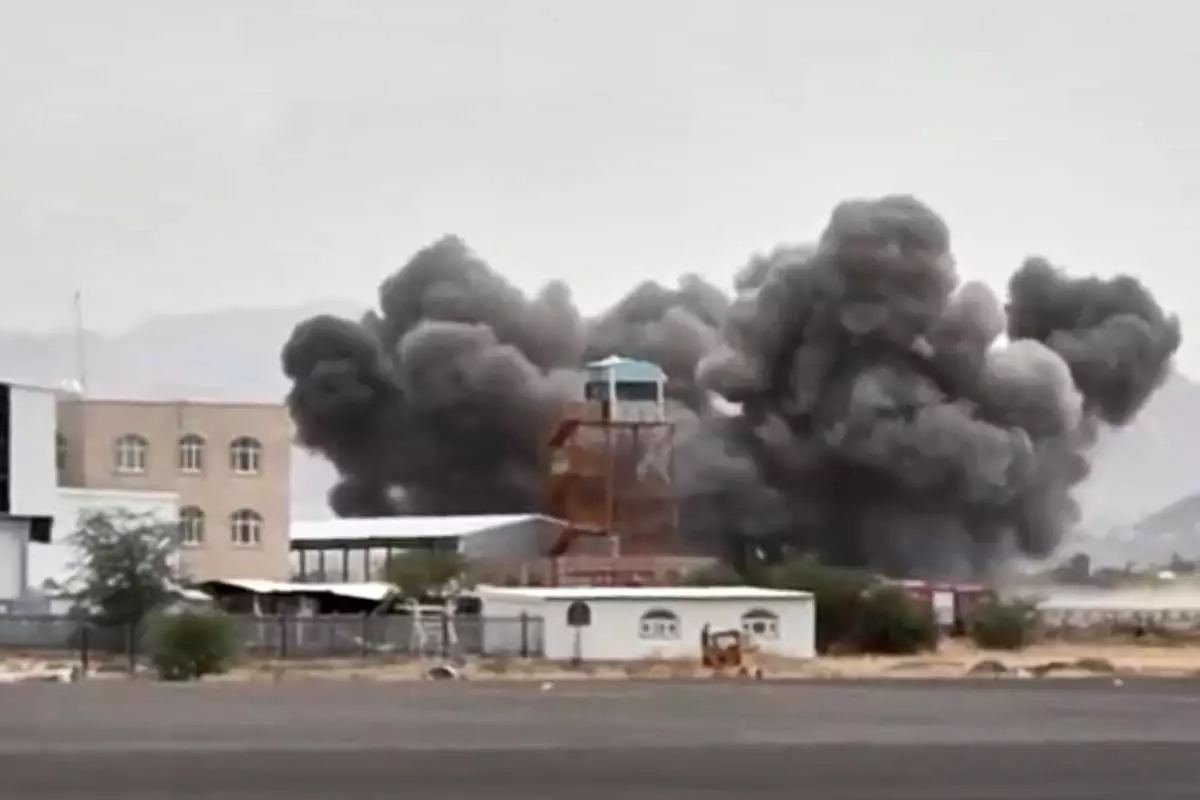
FILE - This image taken from video broadcast by Al-Masirah TV, a Houthi-controlled news channel, shows an explosion at the Sanaa International Airport compound during what the Iranian-backed Houthi rebels in Yemen said were several Saudi airstrikes in Sanaa, Yemen, July 13, 2026. (Al-Masirah TV via AP, File)
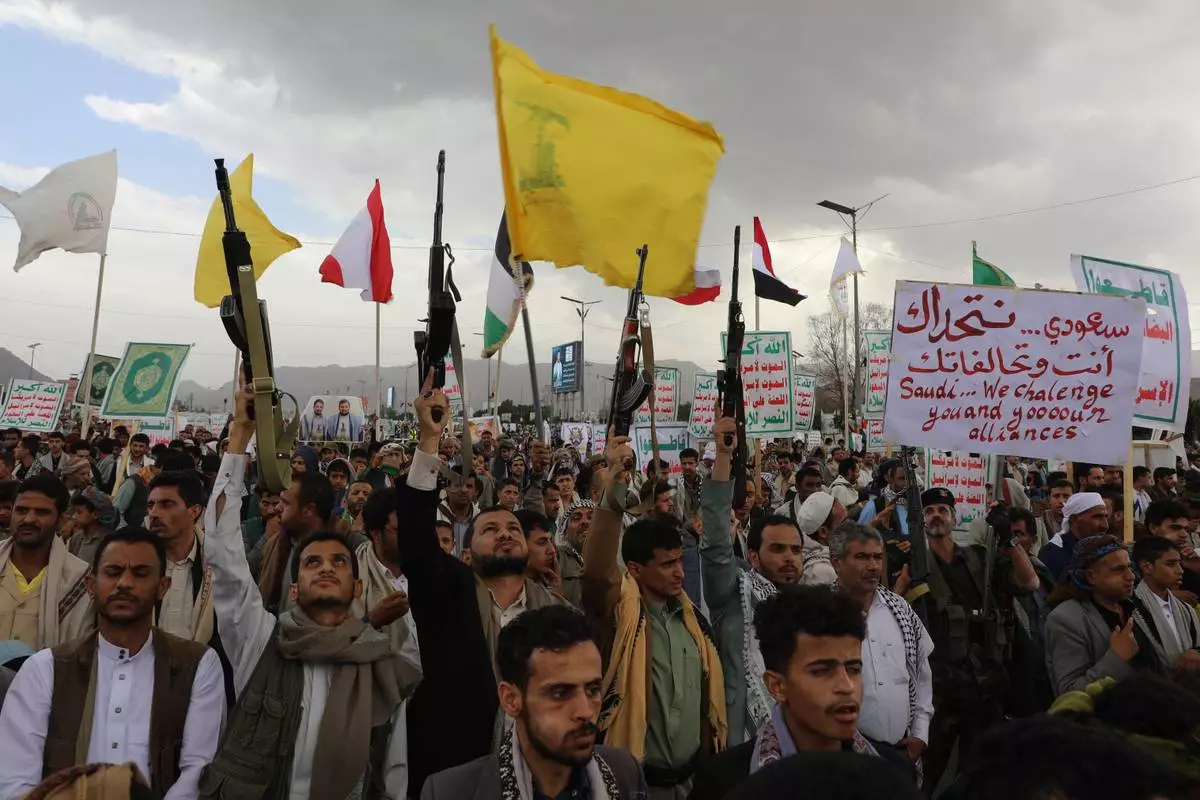
Houthi supporters attend a rally against the Saudi-led coalition in Sanaa, Yemen, Friday, July 31, 2026. (AP Photo/Osamah Abdulrahman)
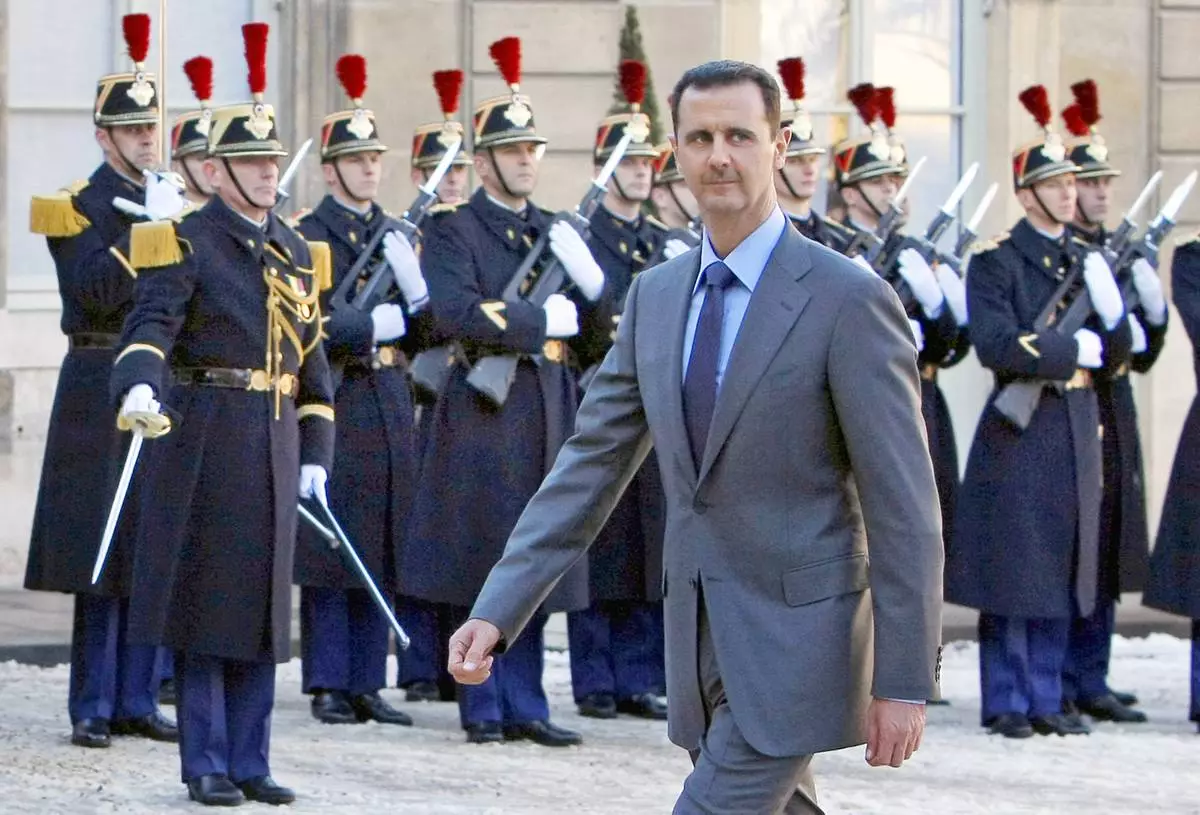
FILE - In this Dec. 9, 2010 file photo, Syria President Bashar al-Assad arrives at the Elysee Palace in Paris for his meeting with French President Nicolas Sarkozy. (AP Photo/Remy de la Mauviniere, File)
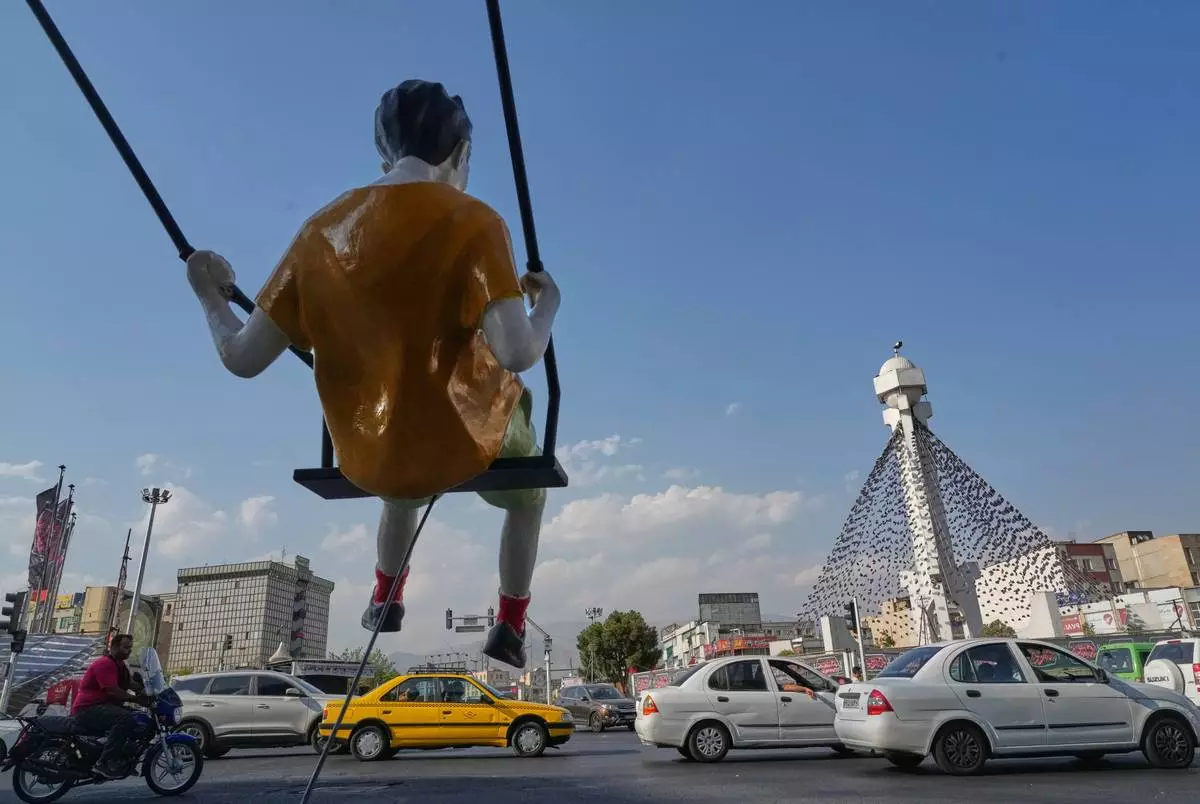
Vehicles drive past a statue of a swinging boy at a square in Tehran, Iran, Monday, Aug. 10, 2026. (AP Photo/Vahid Salemi)