MONTGOMERY, Ala. (AP) — Tennessee, Alabama and Oklahoma plan to execute inmates Thursday in what would be the first time in nearly 16 years that three people are put to death on the same day in the United States.
The executions come as a small number of states, including the three with scheduled lethal injections Thursday, drive execution numbers in the United States.
“You look at the country as a whole, you’ve just got this little pocket of five or six states that are using the death penalty, executing people, and a small number of states that are still imposing new death sentences,” said Robin Maher, executive director of the Death Penalty Information Center. Maher said it is highly unusual to have three executions on one day, although it is largely a scheduling coincidence.
Eleven states executed a total of 47 people in 2025, the highest number since 2009. Florida accounted for most of the surge with 19 executions. Alabama, South Carolina and Texas each carried out five. Tennessee carried out three. Oklahoma, Mississippi, Arizona and Indiana each carried out two. Louisiana and Missouri each carried out one execution.
The 19 executions so far in 2026 have occurred in four states. Florida, which again leads the country, executed two inmates on the same day in July.
The last time three executions were held on the same day was Jan. 7, 2010, when Louisiana, Ohio and Texas put inmates to death. Three executions were scheduled on the same day in 2018, but only one went forward after a Texas man was granted a reprieve and prison officials in Alabama had problems with the IV line.
Tennessee plans to execute Anthony Darrell Hines three months after the attempted lethal injection of another inmate was called off because of problems inserting an IV. The aborted execution put a spotlight on issues states have sometimes had in establishing IV lines during lethal injections.
“All eyes really are on Tennessee at this moment because of the problem that happened,” Maher said.
During the attempted execution of Tony Carruthers in May, the IV team established a primary line right away but then worked for more than an hour trying to insert a required backup line. The execution was ultimately called off and Carruthers was given a one-year reprieve.
Hines, 66, has seized on the problems with the previous execution, saying his health issues — including two strokes that left him partially paralyzed — increase the risk of difficulties at his execution. He has unsuccessfully asked the governor and courts to intervene, claiming the doctor who oversaw that execution was unqualified and is likely to botch his execution, as well.
Gov. Bill Lee has declined to take any action on Hines’ requests, and last week the Tennessee Supreme Court ruled against a stay of his execution. The state has declined to say whether the same doctor will preside over the upcoming execution, but the court noted that Hines had not proved that doctor was unqualified.
Hines was convicted of stabbing Catherine Jean Jenkins to death in 1985 while the 54-year-old was working as a motel maid in Kingston Springs. He was sentenced to death in 1986, won an appeal for a new sentencing hearing, and was again sentenced to death in 1989.
Alabama is scheduled to execute Jeremy Williams, 42, by lethal injection for the 2021 rape and murder of a 5-year-old Georgia girl.
Williams, who pleaded guilty to killing Kamarie Holland, has asked for his death sentence to be carried out.
Prosecutors said Williams raped and strangled Holland after offering her mother $2,500 for the child to perform oral sex on him. Williams filmed his attack on the girl and kept her body to continue to abuse, prosecutors said.
In 2022, Williams also was charged with the 2005 death of his infant daughter in Alaska.
“This man left a trail of destruction of children,” Russell County District Attorney Richard Chancey said.
About 10% of executed inmates are so-called volunteers who drop appeals, according to the Death Penalty Information Center, but most of those have been on death row longer. The time between Williams’ 2024 conviction and his scheduled lethal injection is unusually brief, Maher said.
It will be Alabama’s first execution of the year if it goes forward. A nitrogen gas execution was halted in June after a federal judge ruled the method unconstitutional.
Oklahoma is scheduled to execute Carlos Cuesta-Rodriguez, 70, for the 2003 murder of his girlfriend.
If the lethal injection goes forward, he will be the third person executed in Oklahoma this year.
Prosecutors said Olimpia Fisher, 43, had been making plans to leave Cuesta-Rodriguez when he shot her in one eye and then waited about eight minutes as she screamed for help before firing the fatal shot into her other eye.
Oklahoma’s Pardon and Parole Board voted 3-1 last month against recommending clemency for Cuesta-Rodriguez. Cuesta-Rodriguez’s attorneys had asked the board to recommend he serve life in prison without parole, saying he had a difficult childhood and suffered from brain damage, post-traumatic stress disorder and major depression with psychotic episodes.
But Cuesta-Rodriguez told the board that he did not want clemency. He said he wanted Fisher’s two daughters to know that he regretted what happened.
“I can’t have been in my right mind to have done something so horrific,” he said through a Spanish-language translator. “I have not been able to find any sense in all this.”
Stengle contributed to this report from Dallas. Loller contributed to this report from Nashville.
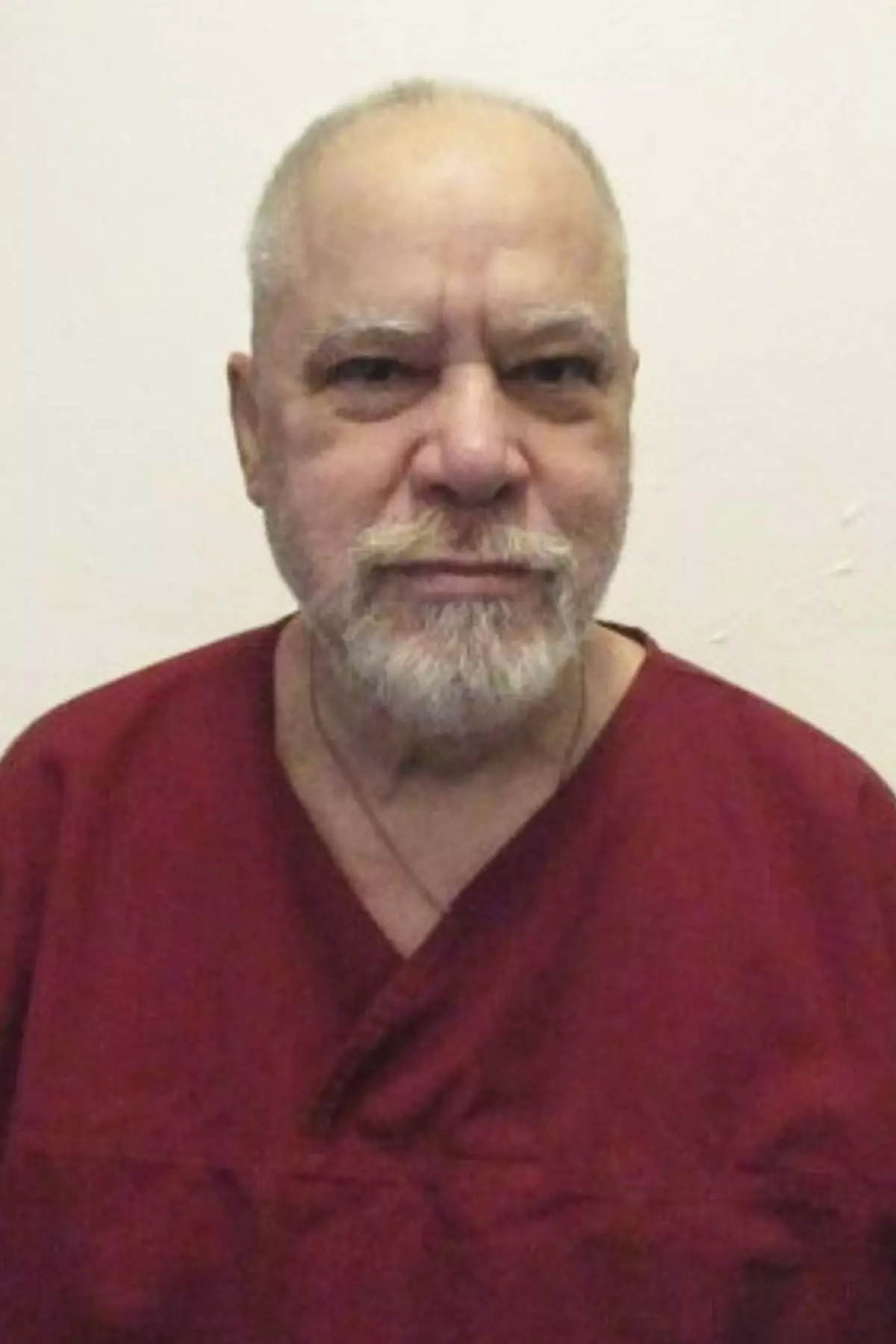
This Aug. 18, 2025, photo provided by the Oklahoma Department of Corrections shows Carlos Cuesta-Rodriguez, who was sentenced to death for the 2003 fatal shooting of his girlfriend. (Oklahoma Department of Corrections via AP)
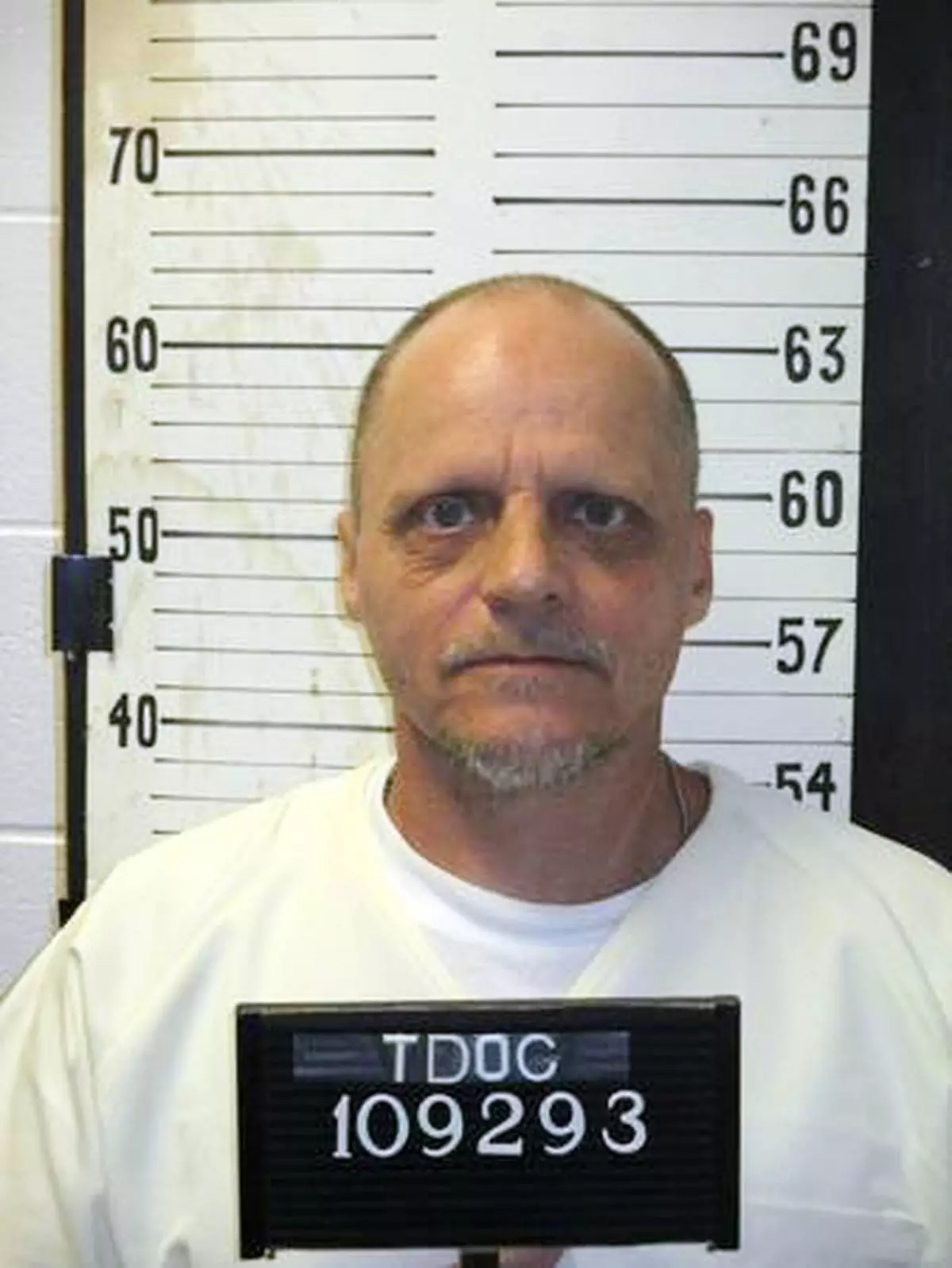
This undated photo, courtesy of the Tennessee Department of Correction (TDOC), shows death row inmate Anthony Darrell Hines at an unknown location in Tennessee. (TDOC Communications via AP)
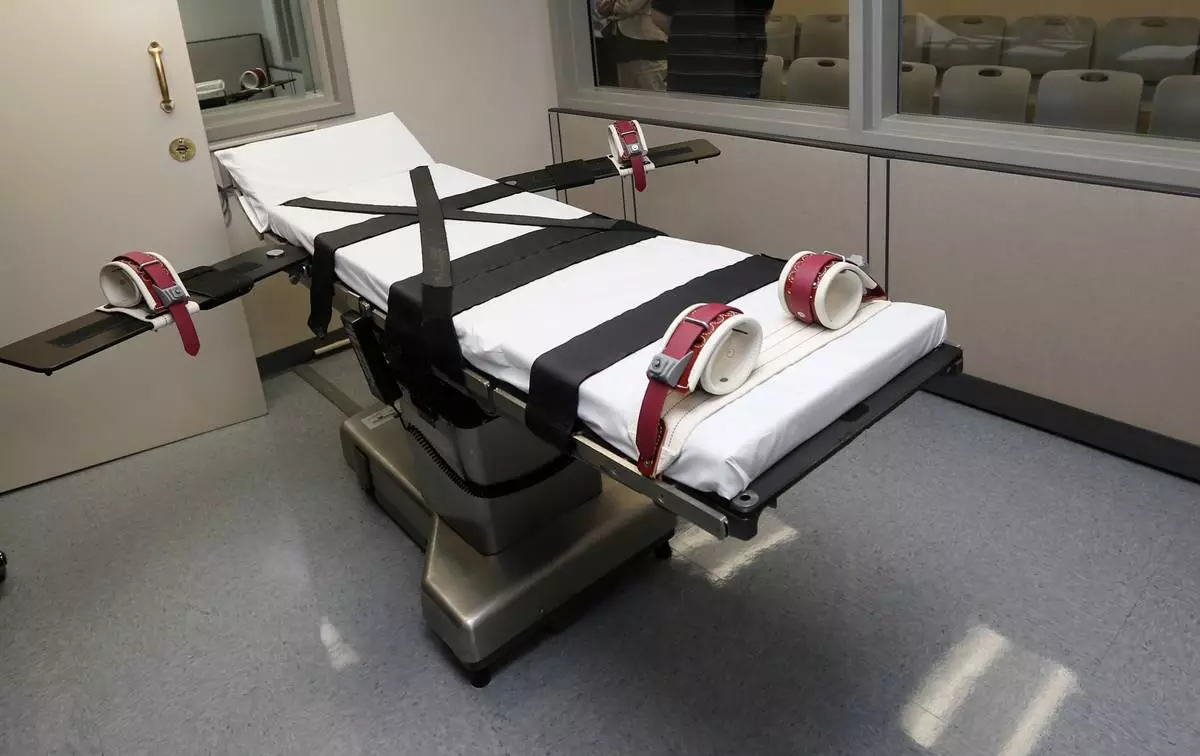
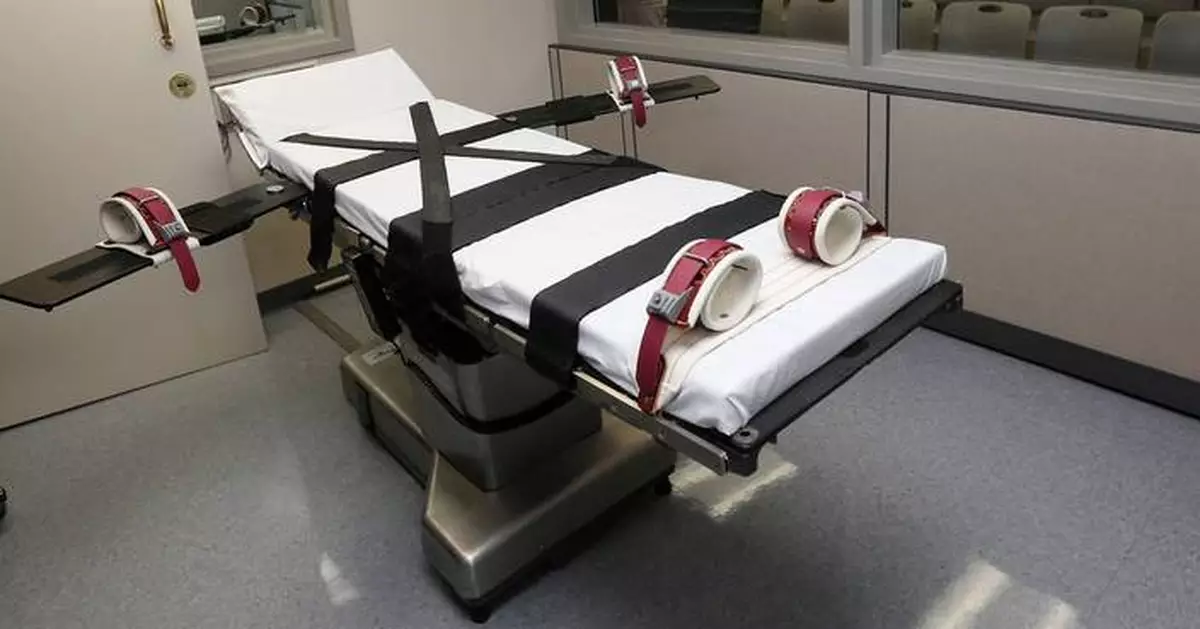
FILE - This Oct. 9, 2014, file photo shows the gurney in the the execution chamber at the Oklahoma State Penitentiary in McAlester, Okla. (AP Photo/Sue Ogrocki, File)
MINNEAPOLIS (AP) — The factional fight gripping the Democratic Party moved to Minnesota on Tuesday, when voters are settling another moderate-versus-progressive U.S. Senate primary.
The race between centrist U.S. Rep. Angie Craig and progressive Lt. Gov. Peggy Flanagan is playing out in the aftermath of President Donald Trump's aggressive immigration surge, which led to the shooting death of two protesters by federal officers in Minneapolis and galvanized the president's liberal opposition.
It will again take the temperature of Democratic primary voters a week after progressive Abdul El-Sayed won a bitter and divisive primary in Michigan that fired up the left and fueled anxiety among party leaders that Democrats will alienate moderate swing voters.
Whoever wins the primary for the Democratic-Farmer-Labor Party, as it's known in Minnesota, will be the front-runner in November. Minnesota voters haven't elected a Republican to a statewide office since 2006.
Still, Republicans are hoping a fraud scandal involving the widespread theft of public funds will give them an opening up and down the ballot.
Among the leading GOP candidates for governor is Mike Lindell — the Trump- endorsed pillow purveyor, who has been among the most persistent advocates of the lie that Trump's 2020 loss to Joe Biden was fraudulent. Sen. Amy Klobuchar is seeking the Democratic nomination for governor in a primary against six other candidates.
In the race to replace retiring Democratic Sen. Tina Smith, Craig lined up support from Democratic establishment figures including House Speaker Hakeem Jeffries and former Speaker Nancy Pelosi, as well as senators from battleground states.
She pointed to her record of winning tough races in a closely divided House district in the suburban Twin Cities, saying she has the experience to bring the change voters are demanding to Washington.
“She has the work ethic, she has the fight, she has the experience,” said Angie Oi, a Craig supporter and volunteer.
Flanagan has the support of leading progressive figures including Sens. Bernie Sanders and Elizabeth Warren. She was also backed by Smith, the retiring incumbent.
The race has been shaped by the killing of Renee Good and Alex Pretti by federal immigration officers in Minneapolis, confrontations that were caught on camera and fueled a backlash to Trump's immigration policies. Flanagan has highlighted Craig's vote for the Laken Riley Act, an immigration bill that passed early in Trump's second term. Craig repudiated her support after Good and Pretti were killed.
U.S. support for Israel and the influence of corporations and wealthy donors have also figured prominently in a race that attracted tens of millions of dollars in spending by allies of both women.
“I love that she doesn’t take any corporate money, she doesn’t take any money from AIPAC,” said Andrea Ropella, a Flanagan supporter, referring to the American Israel Public Affairs Committee. “The things that she says, she believes in and she stands for.”
Gov. Tim Walz has declined to endorse either candidate, but late last month his wife, Gwen Walz, endorsed Craig over Flanagan, a move seen as a repudiation of her husband's running mate and governing partner for two terms.
Trump hasn't endorsed a candidate on the Republican side, though former NFL sideline reporter Michele Tafoya has support from the national GOP. Adam Schwarze, a Marine veteran and Navy SEAL, has the official backing of the state Republican committee and Royce White has an existing profile as a prior candidate, conservative commentator and a brief professional basketball career.
Republicans have another crowded primary in the race for governor.
Lindell established his national profile from his TV advertising campaign as the “MyPillow Guy.” He has been one of Trump’s most outspoken supporters and a persistent proponent of myths about the 2020 election. He lost a defamation lawsuit last year and was ordered to pay $2.3 million to a former employee of a voting systems company, whom he called a traitor.
In a post on social media Tuesday morning, Trump said Lindell “deserves a BIG WIN.”
Trump's endorsement carries enormous weight in GOP primaries, and few of his favored candidates have lost so far this year. But some prominent Minnesota Republicans worry Lindell is too toxic with independent voters and will drag down the entire GOP ticket. Even state GOP Chairman Alex Plechash has raised doubts about Lindell's electability.
Jim Busche, 79, said he likes Lindell but agrees that he’s probably too controversial to win a general election, so he cast his vote for state House Speaker Lisa Demuth.
“I wanted to vote for somebody that at least has a chance,” said Busche, who is retired and lives in Independence.
Lindell’s primary opponents include Demuth, who has strong backing from GOP elected officials, and businessman Kendall Qualls, who won the Minnesota GOP's endorsement.
Klobuchar is the leading Democratic candidate for governor.
No Republican has won a statewide race in Minnesota since Gov. Tim Pawlenty was reelected in 2006, but the state is more closely divided than that history would suggest.
In 2016, Democrat Hillary Clinton beat Trump here by only 1.5 points, and in 2024, even with Walz on the ticket, Democrat Kamala Harris won the state by only 4 points.
In the state Legislature, Democrats hold just a one-seat majority in the Senate, and the House is split evenly between the parties.
Republicans think the fraud scandal, which led Walz to abandon his plans to run for a third term, gives them a rare opening to make inroads in an otherwise tough environment for the GOP.
At least 65 people have been convicted in a series of overlapping food fraud cases stemming from investigations that began during the Biden administration. One former nonprofit leader was sentenced in May to 42 years in prison in a $250 million fraud case.
Trump pointed to the scandals as justification for launching a massive immigration crackdown that he initially said would focus on the state’s large Somali community.
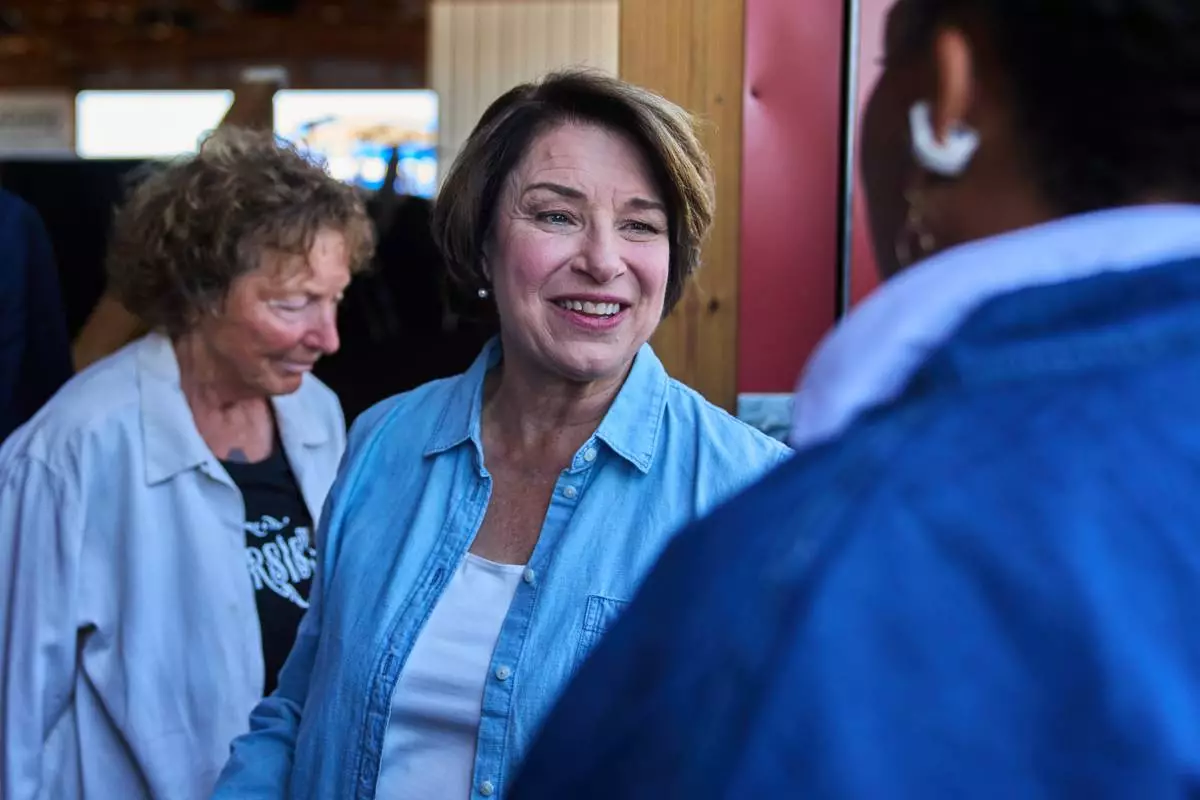
Gubernatorial candidate, Sen. Amy Klobuchar, D-Minn., greets supporters after taking part in a Minnesota Governor Candidate Forum in Morgan, Minn., Wednesday, Aug. 5, 2026. (AP Photo/Ellen Schmidt)
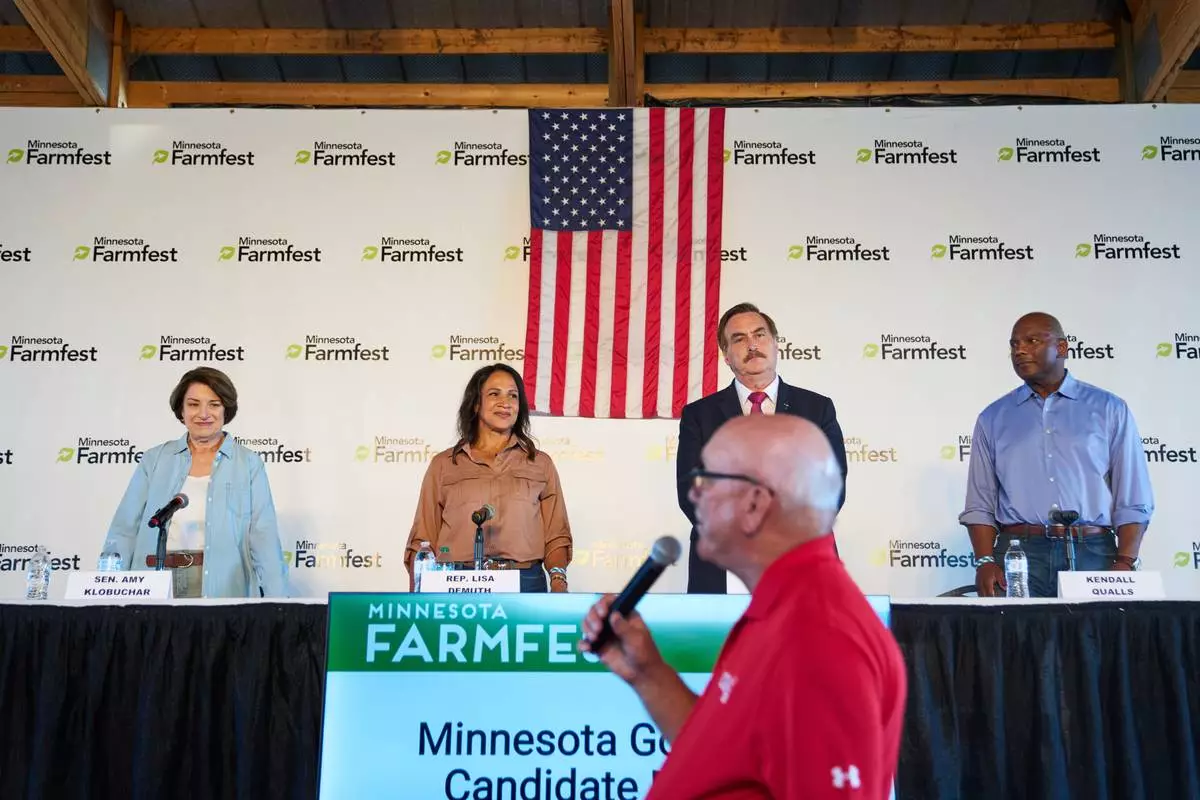
Candidates for Minnesota governor, from left, Sen. Amy Klobuchar, D-Minn., Minnesota House Speaker Lisa Demuth, Mike Lindell and Kendall Qualls participate in a forum at Farmfest, Wednesday, Aug. 5, 2026, in Morgan, Minn. (AP Photo/Ellen Schmidt)
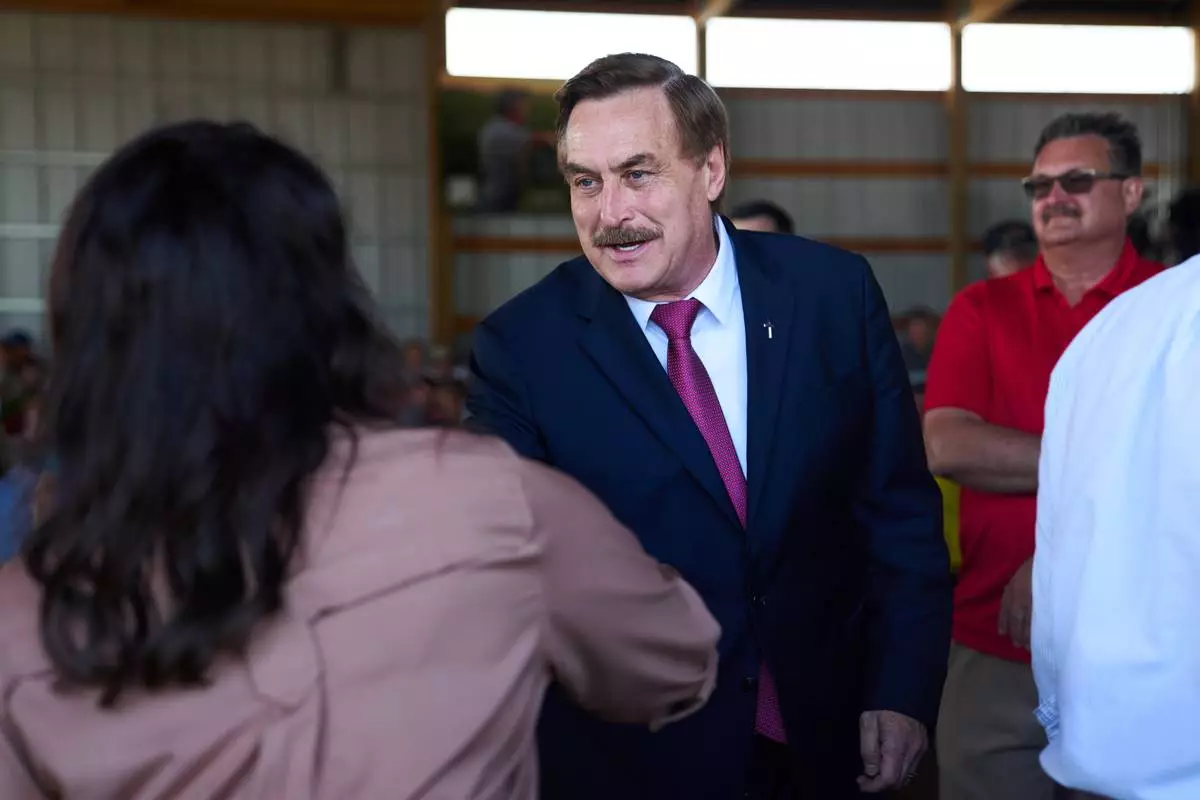
Mike Lindell, gubernatorial candidate, greets Minnesota House Speaker Lisa Demuth, who he will face in the Republican primary, as they arrive to take part in a Minnesota Governor Candidate Forum in Morgan, Minn., Wednesday, Aug. 5, 2026. (AP Photo/Ellen Schmidt)
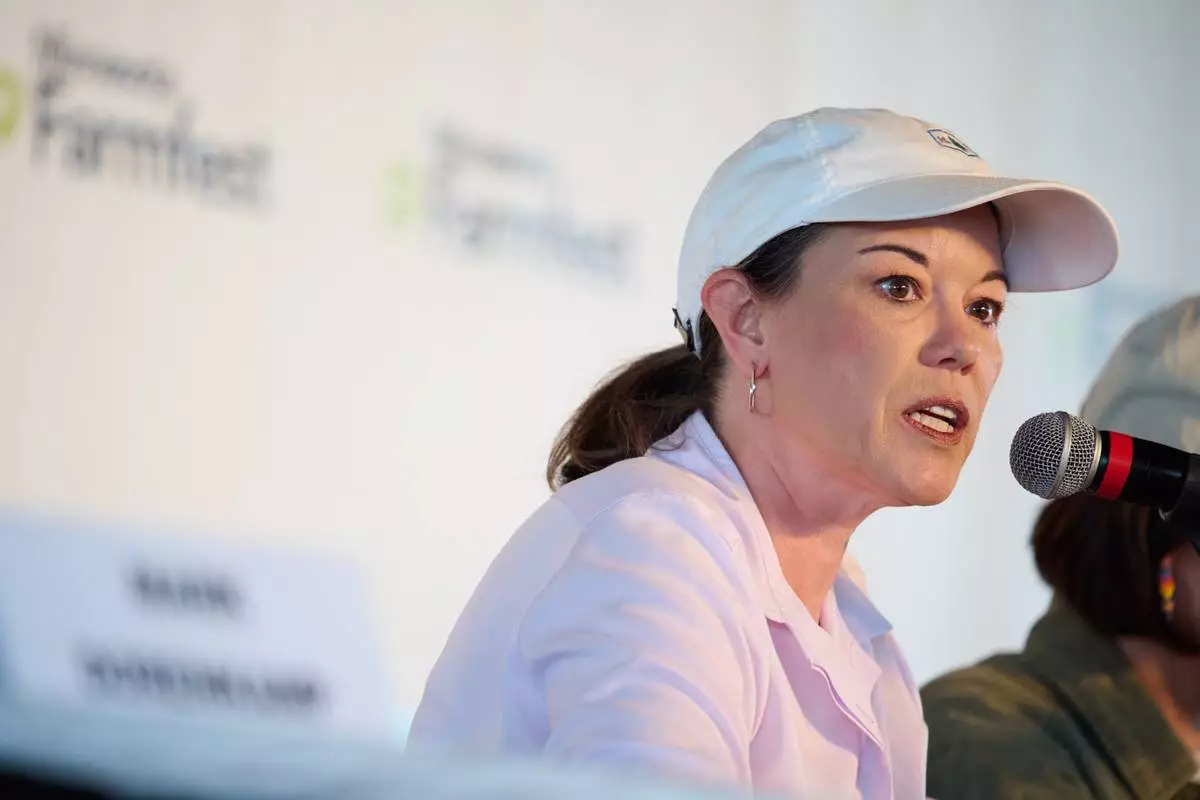
U.S. Rep. Angie Craig, D-Minn., speaks during a forum for U.S. Senate candidates at Farmfest, Wednesday, Aug. 5, 2026, in Morgan, Minn. (AP Photo/Ellen Schmidt)
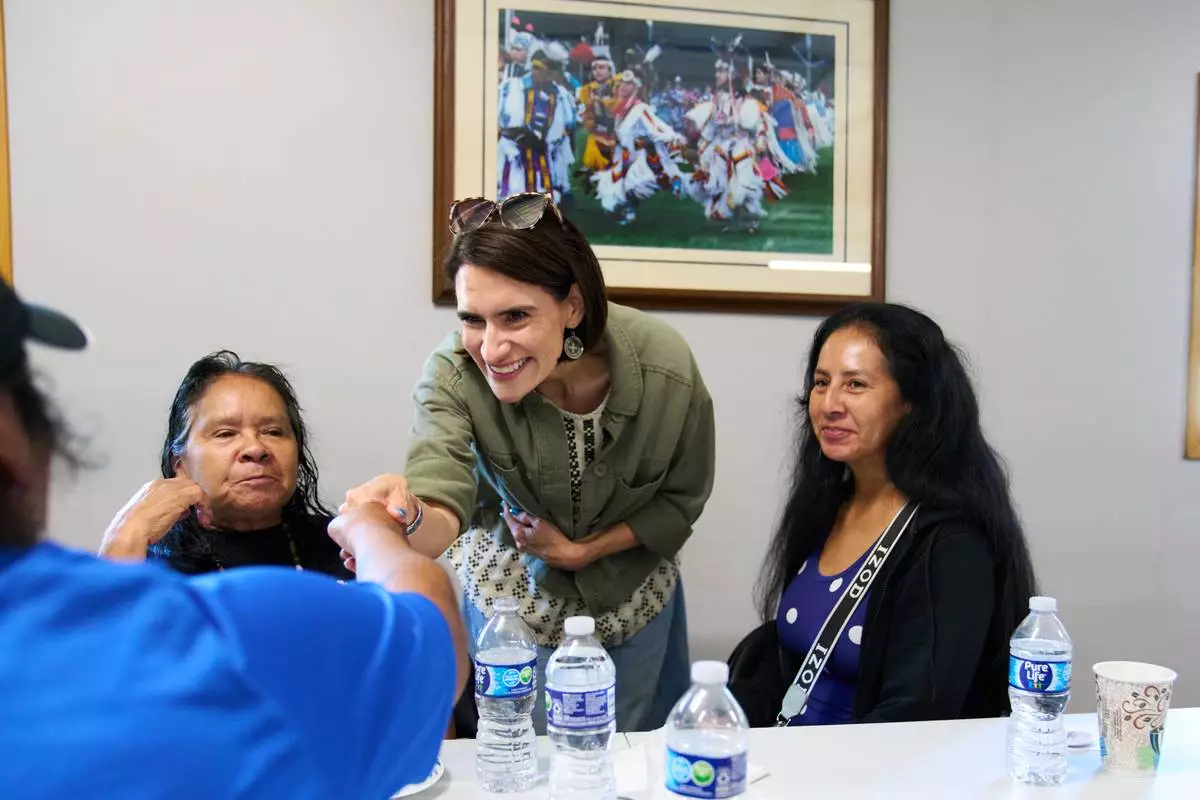
Minnesota Lt. Gov. Peggy Flanagan, a Democratic candidate for U.S. Senate, greets supporters during a campaign event at the Leech Lake Band of Ojibwe Twin Cities Office in Minneapolis, Saturday, Aug. 8, 2026. (AP Photo/Ellen Schmidt)