Half of France is now on amber heat alert as the nation faces mounting heatwaves and begins to change how it combats extreme weather.
Traditionally, French homes were built to keep out the winter cold, not the intensifying summer heat. Now, as brutal heatwaves sweep the country, many residents said they are struggling to cope with the heat.
"It was really intense. I used to live on a third-floor apartment, but I bought the sixth floor just under the zinc roof. I never thought that we would have heatwaves as intense, and that went on for so many days," said Meera, a new homeowner.
Like thousands of Paris residents, Meera lives beneath one of the city's iconic zinc rooftops. Even after insulating her apartment, the space became unbearable during the latest heatwave.
"I've never considered air conditioning, but I am for the first time in my life considering it. I think it's going to be a necessity to stay in this apartment," said Meera.
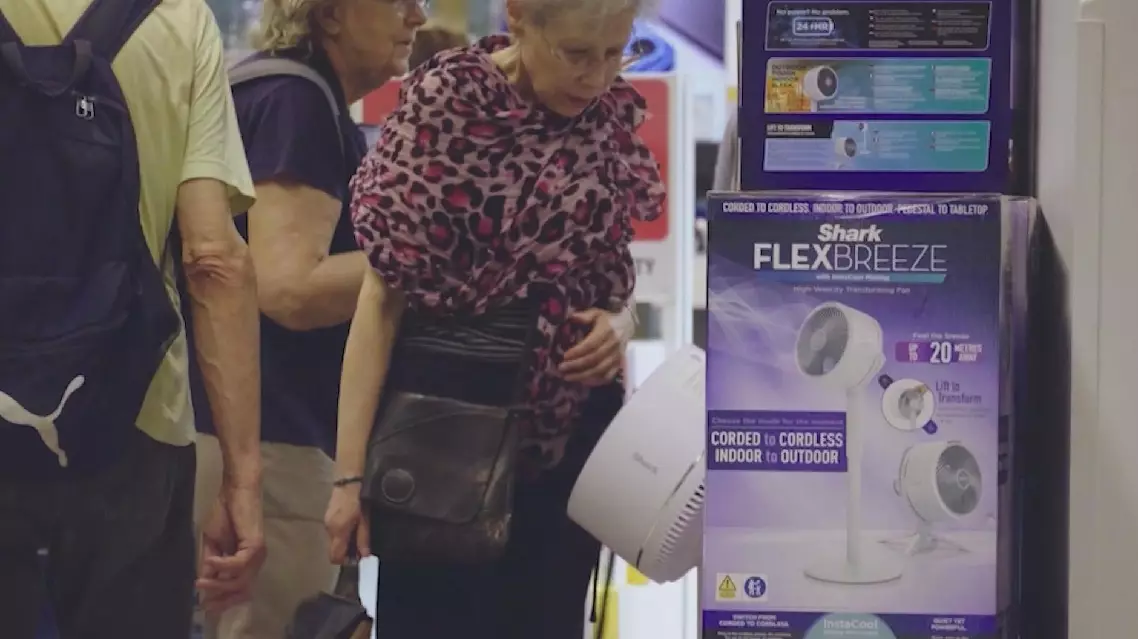
For years, many French people saw air conditioning as unnecessary, even wasteful. But after repeated heatwaves, experts said these views are rapidly changing.
"For years, those units were not considered as necessary in France, that was a kind of superfluous luxury equipment that you would use two or three days a year," said Francois Gemenne, climate scientist and Intergovernmental Panel on Climate Change (IPCC) lead author.
However, climate scientists warn that air conditioning alone will not solve the problem. France now faces summers that are not only hotter, but also longer.
"Regarding the buildings, regarding the city itself, we will need to have more trees. We will need to have more public swimming pools as well. Some of the work schedules will need to be adapted, and potentially one can even ask, is it a good idea to have end of the year exams in the month of June in school, which is one of the hottest months of the year," said Gemenne.
Implementing such sweeping changes takes time and money.
"The economy, the city, was conceived for a climate that no longer exists, which means that a lot of things will need considerable investment. And the difficulty, usually, is that the government has no money, the city has no money, and therefore we always run the risk of taking emergency measures, whereas what we need would be long-term measures to adapt," said Gemenne.
As France faces the rest of the summer, the challenge is no longer just how to get through the next heatwave but how to prepare for the hotter summers yet to come.
France rethinks heatwave safety amid soaring temperatures