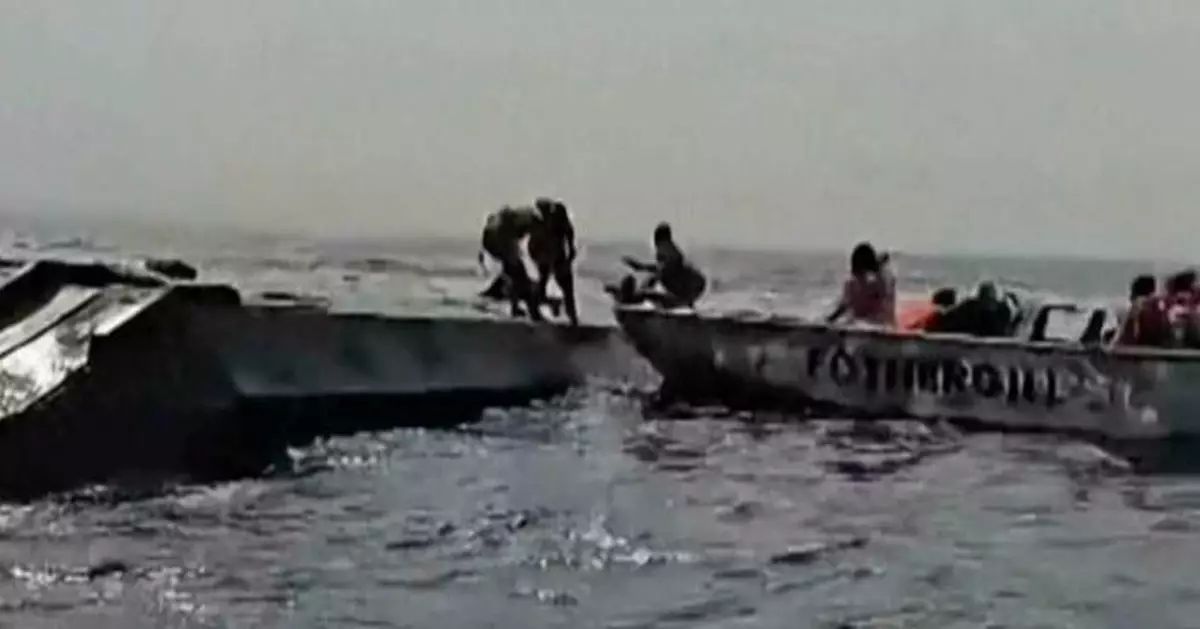
HARARE, Zimbabwe (AP) — Survivors on Wednesday described frantic passengers pleading with the captain of an overloaded ferry to turn back from strong waves shortly before it capsized and killed at least 44 people on Lake Kariba in Zimbabwe.
The number of people on board Tuesday was unclear as estimates reached as high as 153 people on a government agency-operated ferry whose capacity, authorities said, was just 90.
“Some of us survived by standing on top of the capsized hull,” one of the two crew members who survived, Anyway Chambati, told state broadcaster ZBC News. “Before it went down, passengers were screaming at us that the boat was flooding, water was pouring into the engine room and goods were spilling out.”
Chambati said he was in charge of ticketing and that he counted 153 people on board, including crew and infants, before the disaster.
Multiple witnesses told ZBC that passengers urged the captain to turn back as waves grew perilous, only to be dismissed. When water surged into the vessel, chaos erupted as frantic travelers scrambled for life jackets beneath their seats.
"We argued with him right at the harbor. We told him the waves were too dangerous," one woman said. “A bag fell overboard before we had even left, and we pointed it out, but he refused to listen.”
Passengers told the broadcaster that bags, dishes and beer bottles began toppling overboard within minutes of setting off.
“About 30 minutes in, we begged again to abort and return, more goods were falling, the wave was getting worse and water was gushing into one side of the boat, but (the captain) just said, ‘My boat has never sunk anyone.’ He even refused to call for help,” another survivor told the broadcaster.
The woman described some people floating in the water and clutching sacks of goods while help did not arrive for nearly an hour.
The captain was among the dead, the state-run Herald newspaper reported.
President Emmerson Mnangagwa declared the incident a state of disaster to enable the government to mobilize “extraordinary measures and resources” to assist victims.
Police on X said bodies had been retrieved from the lake that forms part of the border between Zimbabwe and Zambia, but they did not update how many people were injured or missing.
Zimbabwe’s disaster management agency has said the ferry was carrying at least 114 adult passengers and five crew members, and that 77 people had been rescued.
But the real number was not clear because the figures only included those who bought tickets, and children below ticketing age could have been on board. The state broadcaster reported that children were among the dead.
The ferry is used to take people from rural communities around the lake to the town of Kariba on the shore.
Mutsa Murombedzi, a local member of Parliament, posted a video Tuesday of what she said were people on shore waving at the ferry when it set off. Some of the people expressed concern whether the aging ferry could handle strong waves, according to the video.
Kariba is the largest man-made lake in the world by volume and was created in the late 1950s and early 1960s by building a dam on the Zambezi River. The huge lake is now more than 200 kilometers (124 miles) long and up to 40 kilometers (25 miles) wide in places.
AP Africa news: https://apnews.com/hub/africa
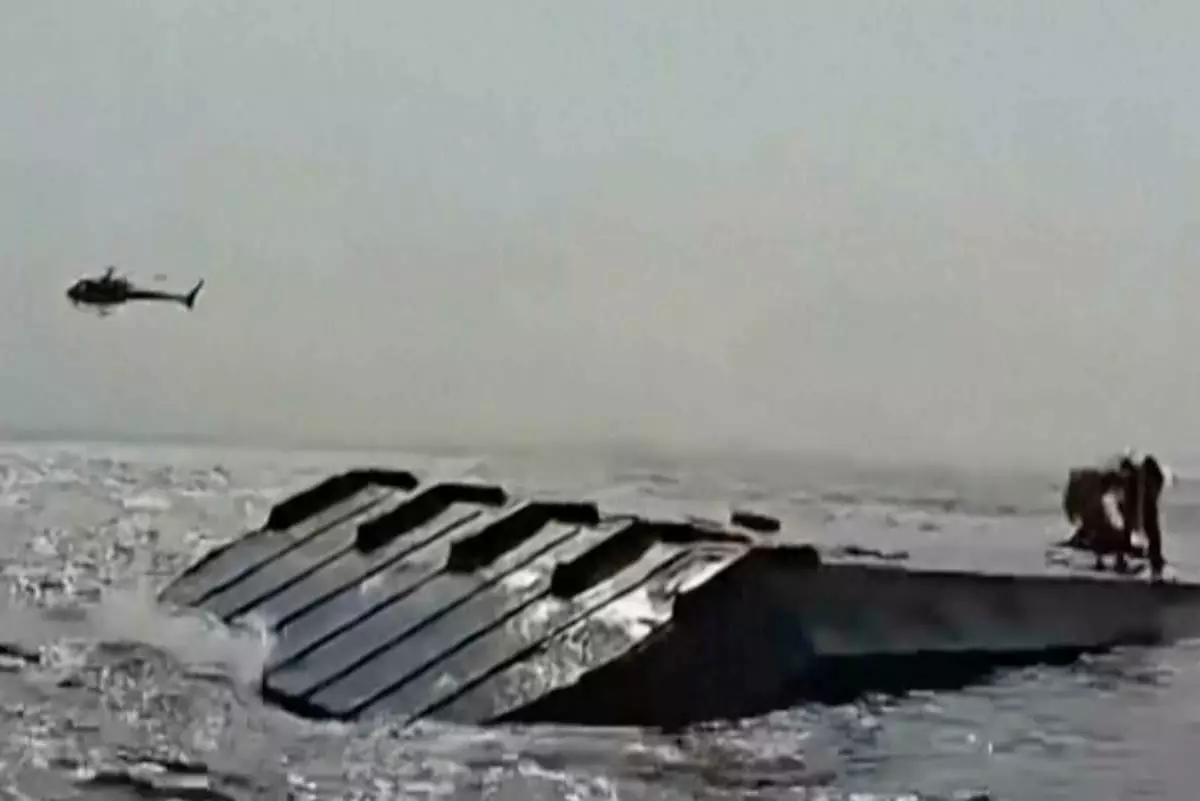
In this image taken from a video people are rescued from an overloaded ferry that capsized on Zimbabwe's Lake Kariba on Tuesday, Aug. 11, 2026. (Maxton Kanhema via AP)
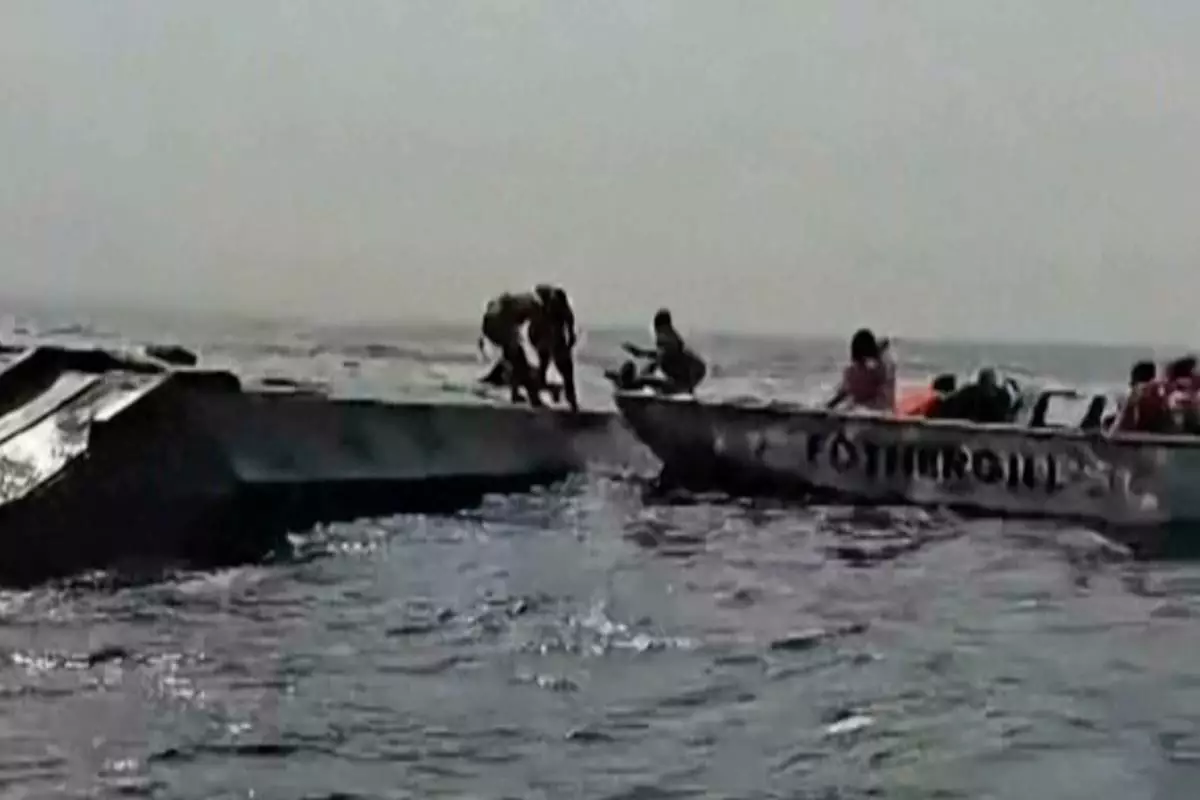
In this image taken from a video people are rescued from an overloaded ferry that capsized on Zimbabwe's Lake Kariba on Tuesday, Aug. 11, 2026. (Maxton Kanhema via AP)
PEREIRA, Colombia (AP) — The search for survivors in the rubble of Colombia’s powerful earthquake grew more desperate on Wednesday, two days after the quake brought down buildings, buckled roads and crushed cars.
The devastation has tested Colombia’s new President Abelardo de la Espriella and his government as it scrambles to respond to the natural disaster and civil society as it pushes to provide aid to the vulnerable communities most affected by the quake.
By Tuesday, de la Espriella said the 7.4 magnitude earthquake had killed at least 181 people and left 2,595 more injured in the west of the country. He said at least 195 remained missing, but civilian-run databases put that number at more than 4,000 Wednesday morning.
Teams continued to pick through the rubble overnight in the hardest-hit cities of Cali, Pereira, Manizales and Quibdo, as time ticked away for victims to be found — and rescued — alive.
Aid agencies consider the first 48 to 72 hours crucial for retrieving survivors, though that threshold can be extended if those trapped have access to food and water.
There have been fleeting moments of hope amid the devastation.
In hard-hit Pereira, rescuers pulled Daniela Largo alive from the rubble late Tuesday, capping a complex 12-hour rescue in which crews carved a small opening through the debris to free her pinned arm and a doctor administered IV fluids to stabilize her. Wrapped in a blue blanket, the young woman was carried to a waiting ambulance as firefighters embraced and onlookers erupted in cheers.
Across the coffee-growing region, among the areas worst affected by the quake, authorities have converted sports arenas, schools and other public buildings into temporary shelters for thousands of displaced Colombians. In Pereira and Cali, families have been sleeping in parks — some fearing aftershocks or the collapse of their damaged homes, others without homes to return to.
“We have the most important things: a roof over our heads, food, water and, in my case, medical care,” said Edith Penagos, 48, who was staying with her teenage son in one of the white tents set up in a Pereira park after the earthquake forced them from their apartment.
In many areas, the official response to the disaster has been complicated by the ongoing crises of deep poverty and civil warfare that has created waves of forced displacement for decades.
“This earthquake compounds an already severe humanitarian situation, and there is a need for increased support for the humanitarian response,” said Giovanni Rizzo, Colombia director for the Norwegian Refugee Council.
Many aid organizations were already on the ground at the epicenter of the quake in Colombia, supporting a 2016 peace accord between the government and leftist rebels, and responding to violence involving other armed groups that has persisted since then, particularly in Choco.
That presence allowed humanitarian workers to quickly pivot to disaster relief, said María José Torres, the U.N. resident coordinator in Colombia.
“We have a presence on the ground. Therefore, our ability to be there, present with the people, I think, has increased exponentially,” Torres said in a statement Tuesday.
At the same time, aid from other countries and nonprofits abroad continued to roll in.
On Wednesday, the State Department said it would send two search and rescue teams to Colombia that helped with rescue efforts in Venezuela just weeks before. The U.S. has also offered over $15 million in aid.
Mexico’s president has said she is prepared to send hundreds of search and health workers, tons of health supplies and other equipment.
On Tuesday afternoon, Salvadoran President Nayib Bukele said his country would send two planes loaded with 100 tons of aid.
“Our prayers are with the families of the victims, the wounded and all the Colombian people,” Bukele wrote on X.
Suarez reported from Bogota, Colombia, and Janetsky reported from Mexico City. Associated Press writers Edith M. Lederer at the United Nations, Isabel DeBre in Buenos Aires, Argentina and Gabriela Aoun in San Diego contributed.
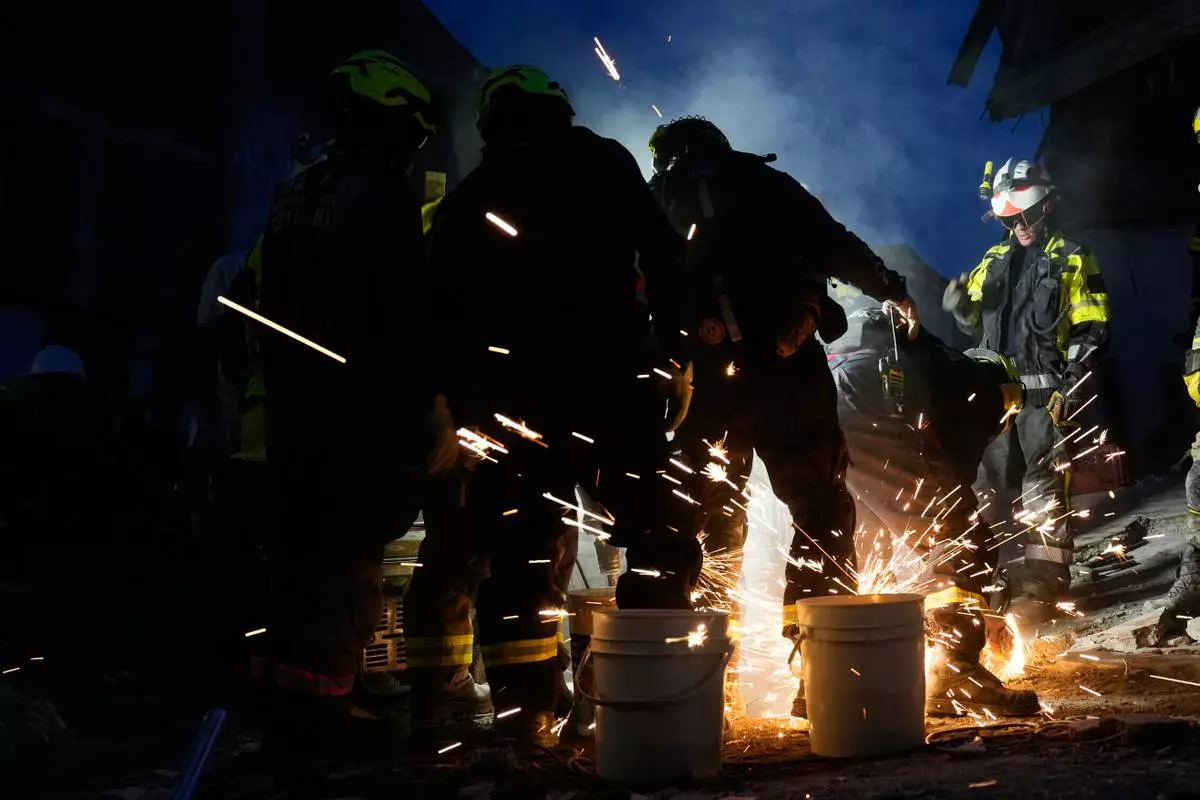
Rescue workers cut through debris as they attempt to rescue survivor Daniela Largo, who was trapped in the rubble the day after an earthquake struck Pereira, Colombia, Tuesday, Aug. 11, 2026. (AP Photo/Fernando Vergara)
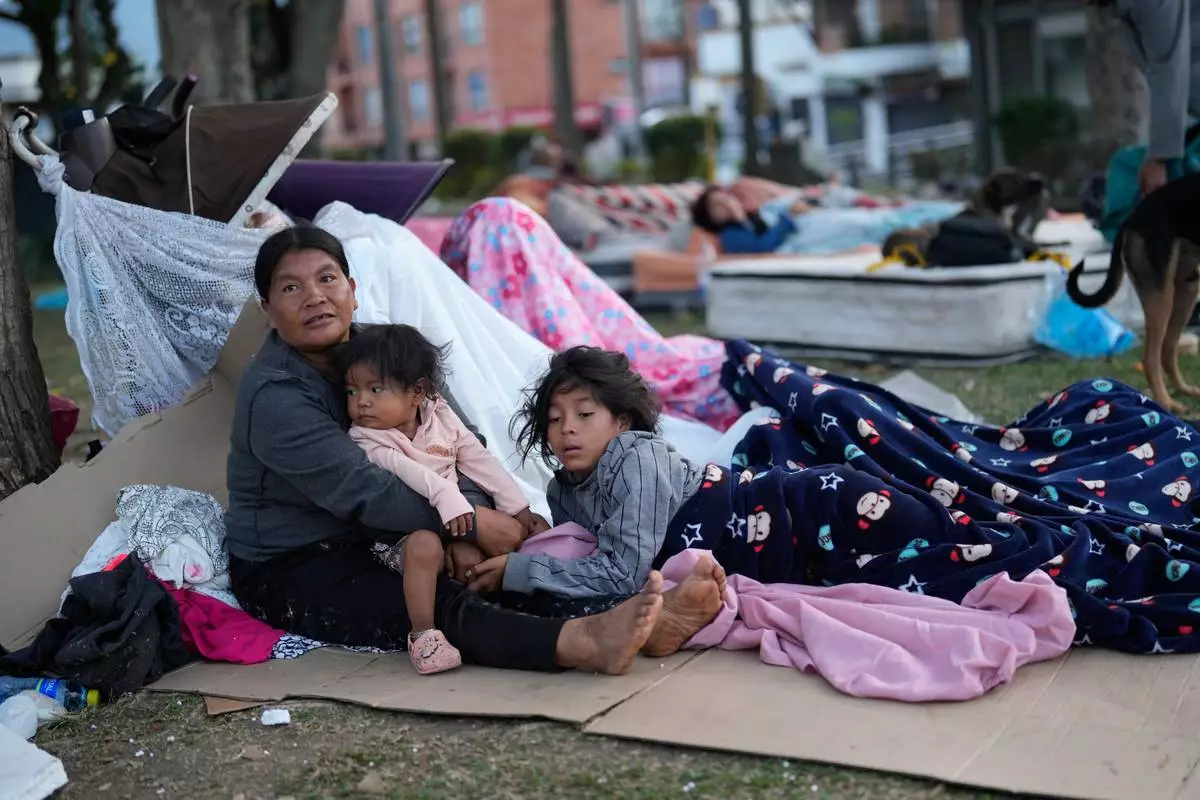
People camp out in a park two days after an earthquake damaged their homes in Pereira, Colombia, Wednesday, Aug. 12, 2026. (AP Photo/Fernando Vergara)
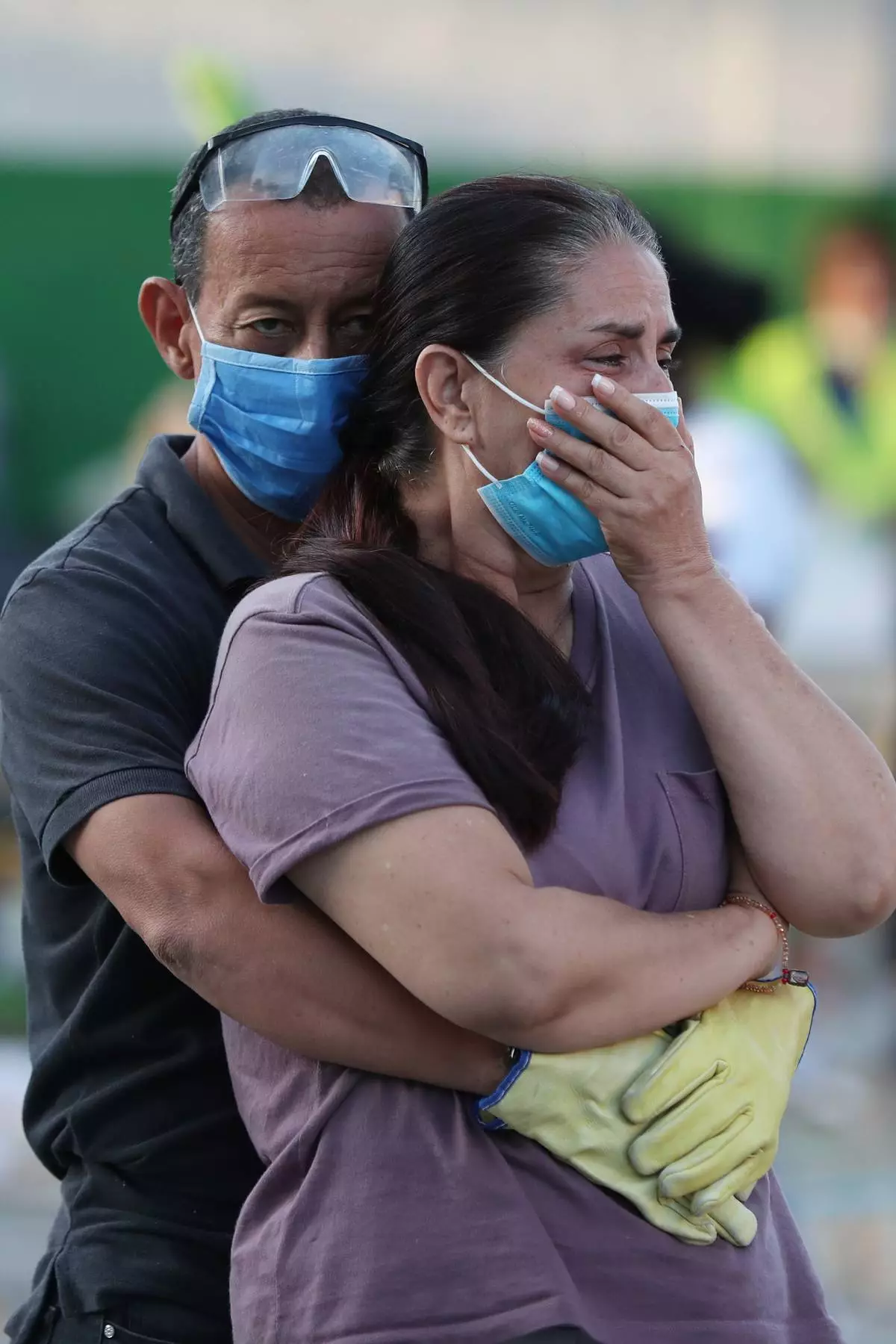
Residentes embrace as rescue workers search through the rubble of their damaged home the day after an earthquake struck Cali, Colombia, Tuesday, Aug. 11, 2026. (AP Photo/Santiago Saldarriaga)
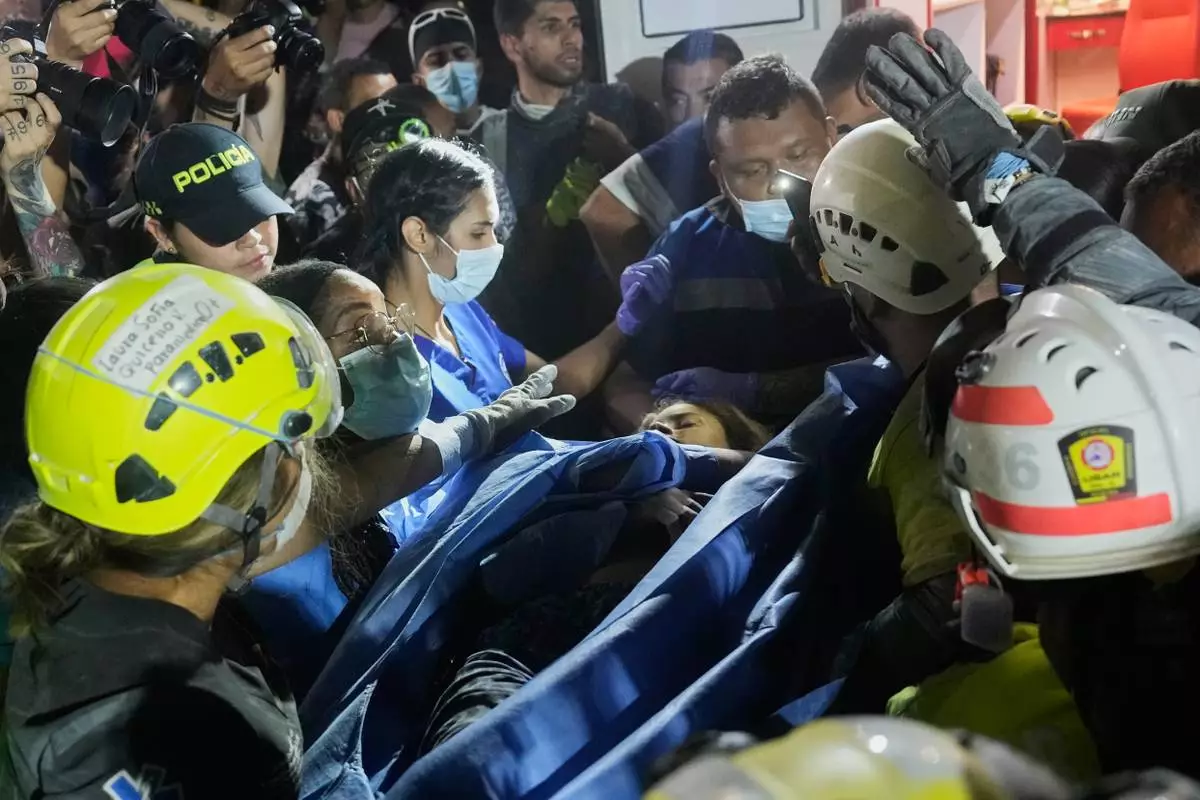
Rescue workers carry a survivor Daniela Largo after pulling her from the rubble the day after an earthquake struck Pereira, Colombia, Tuesday, Aug. 11, 2026. (AP Photo/Fernando Vergara)
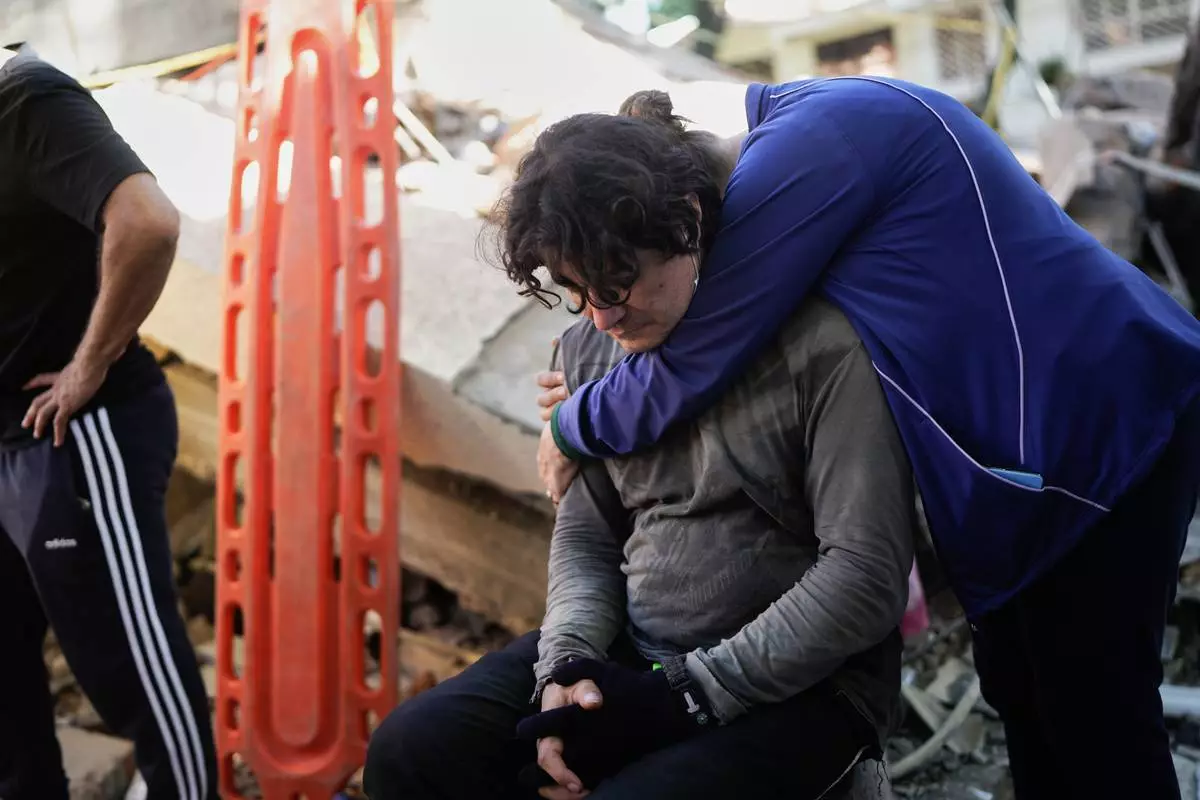
Neighbors embrace as rescue workers search through the rubble of a collapsed apartment building the day after an earthquake struck Cali, Colombia, Tuesday, Aug. 11, 2026. (AP Photo/Ivan Valencia)
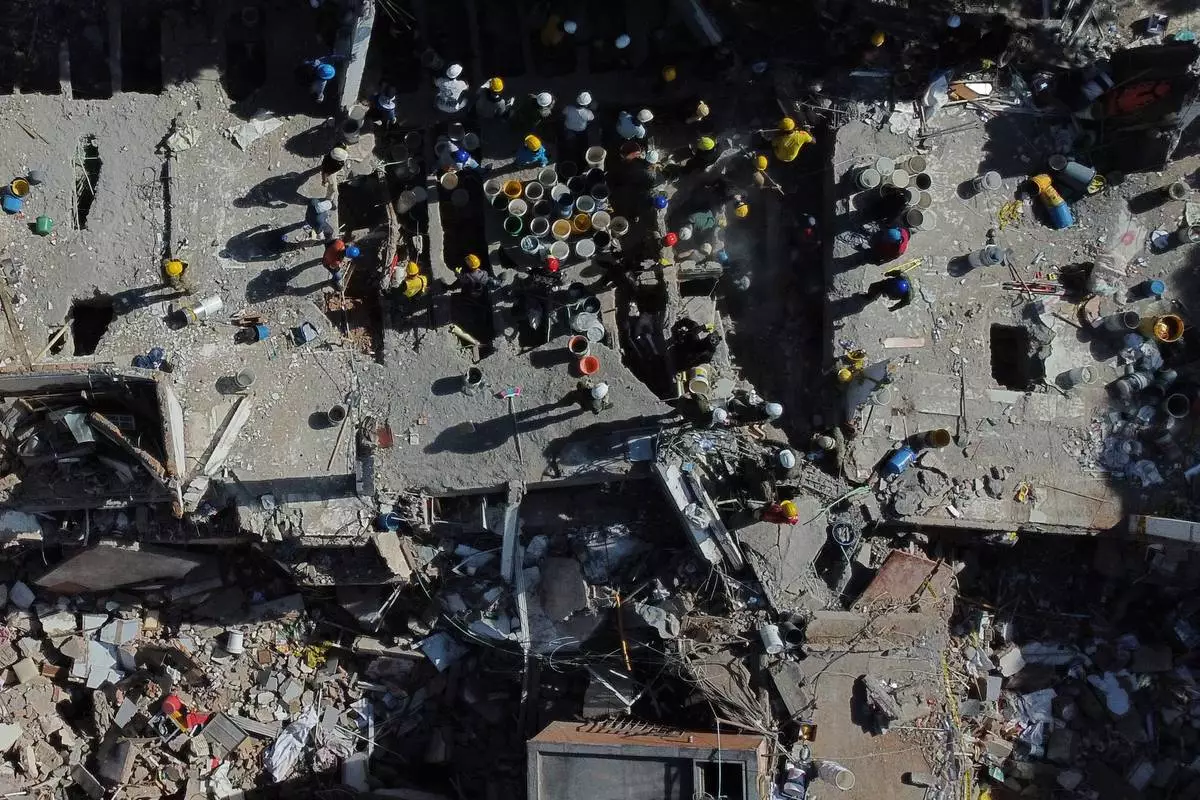
Volunteers and rescue workers use buckets to remove debris of a collapsed building a day after an earthquake struck Cali, Colombia, Tuesday, Aug. 11, 2026. (AP Photo/Santiago Saldarriaga)
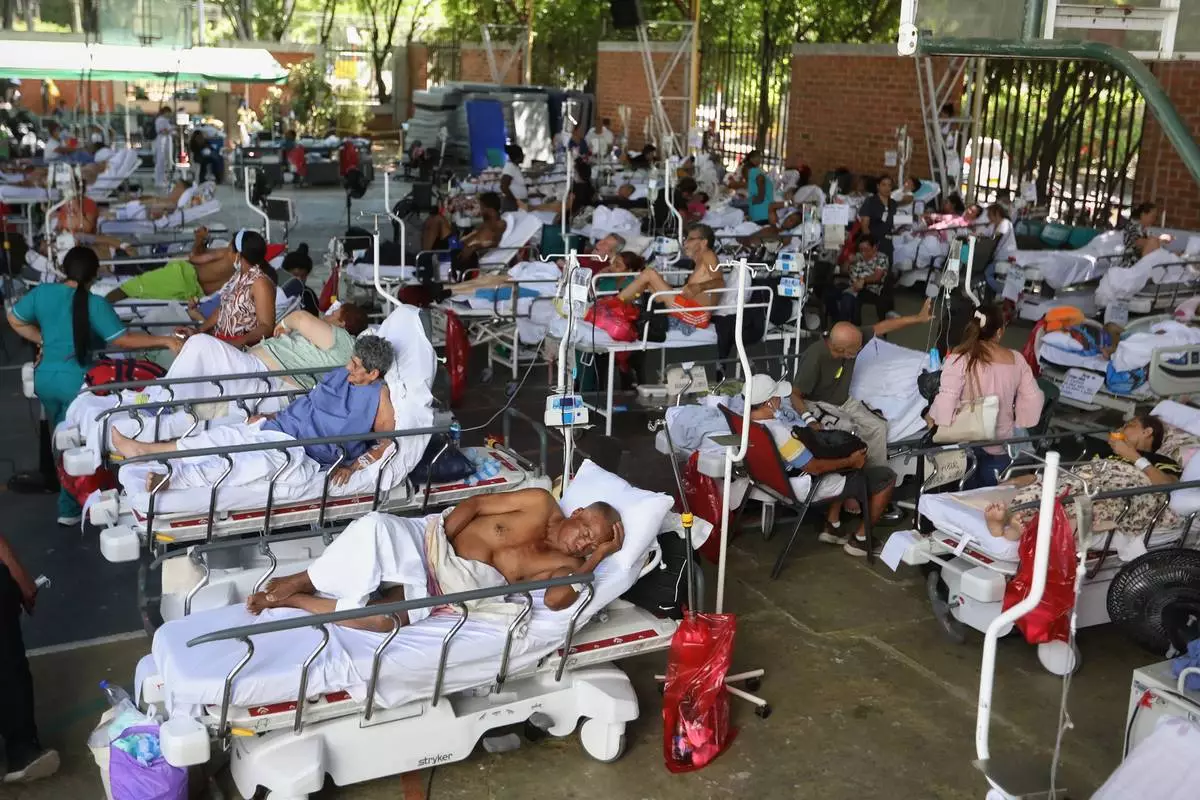
Patients from a clinic evacuated due to earthquake damage lie in beds at a temporary facility set up in a gymnasium at a nearby school in Cali, Colombia, Tuesday, Aug. 11, 2026. (AP Photo/Santiago Saldarriaga)
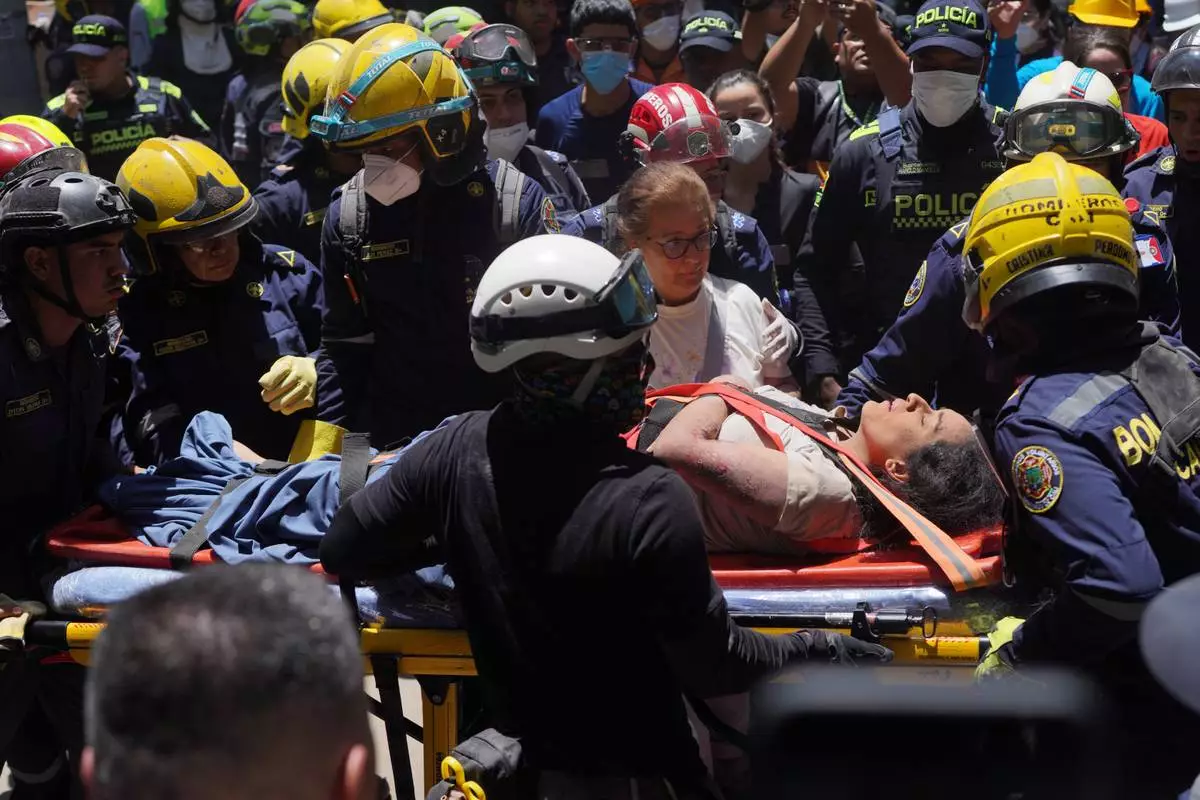
Rescue workers carry Diana Troncoso after pulling her from the rubble the day after an earthquake struck Cali, Colombia, Tuesday, Aug. 11, 2026. (AP Photo/Ivan Valencia) CORRECTION: Changes city to Cali, not Pereira.