DUSSELDORF, Germany (AP) — Five-on-five, no contact and an emphasis on speed and elusiveness. The future of football around the world looks different.
The NFL is still hoping to reap the rewards.
Click to Gallery
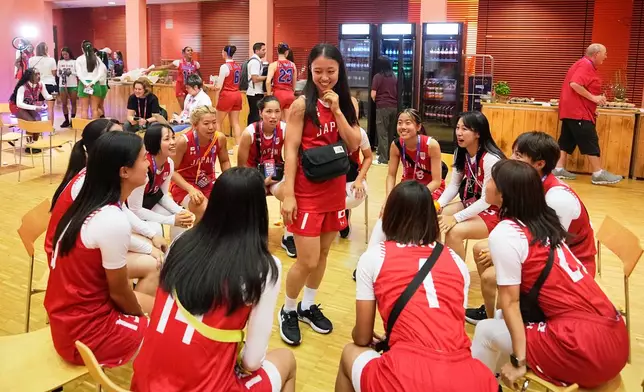
Japan's women's team have fun during the media day ahead of the Flag Football World Championships, the sports first Olympic qualifier for LA28, in Duesseldorf, Germany, Wednesday, Aug. 12, 2026. (AP Photo/Martin Meissner)
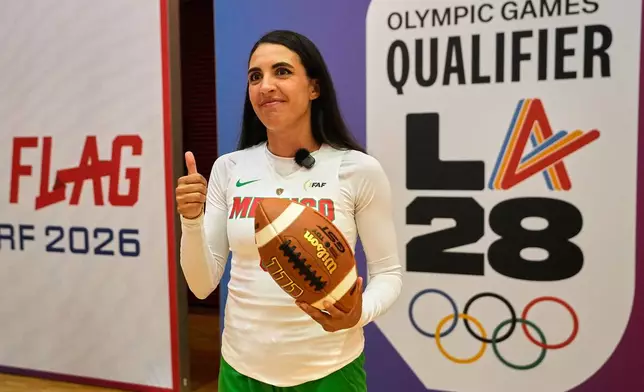
Silvia Contreras, captain of Mexico's women's team, holds a football during the media day ahead of the Flag Football World Championships, the sports first Olympic qualifier for LA28, in Duesseldorf, Germany, Wednesday, Aug. 12, 2026. (AP Photo/Martin Meissner)
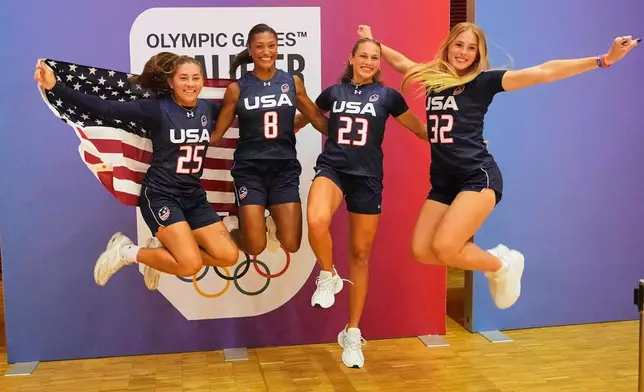
Loryn Goodwin, Ashlea Klam, Laneah Bryan and Isabella Geraci of the USA women's team jump with a United States flag during the media day ahead of the Flag Football World Championships, the sports first Olympic qualifier for LA28, in Duesseldorf, Germany, Wednesday, Aug. 12, 2026. (AP Photo/Martin Meissner)
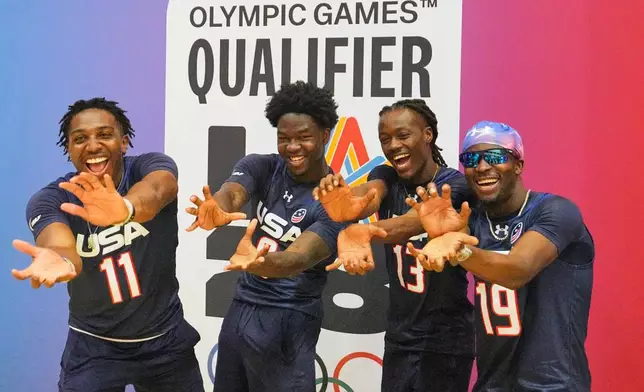
Isaiah Calhoun, Justin McMullen, Velton Brown and Shawn Theard of Team USA posing during the media day ahead of the Flag Football World Championships, the sports first Olympic qualifier for LA28, in Duesseldorf, Germany, Wednesday, Aug. 12, 2026. (AP Photo/Martin Meissner)
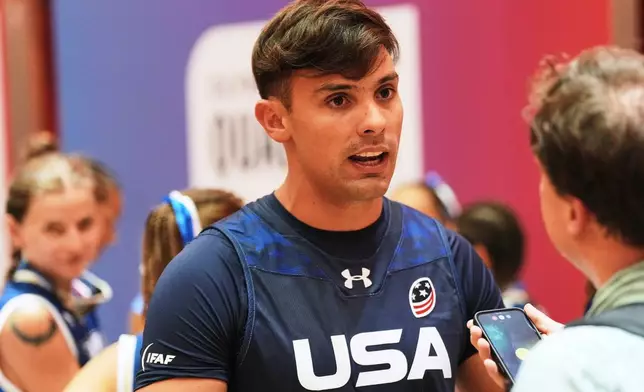
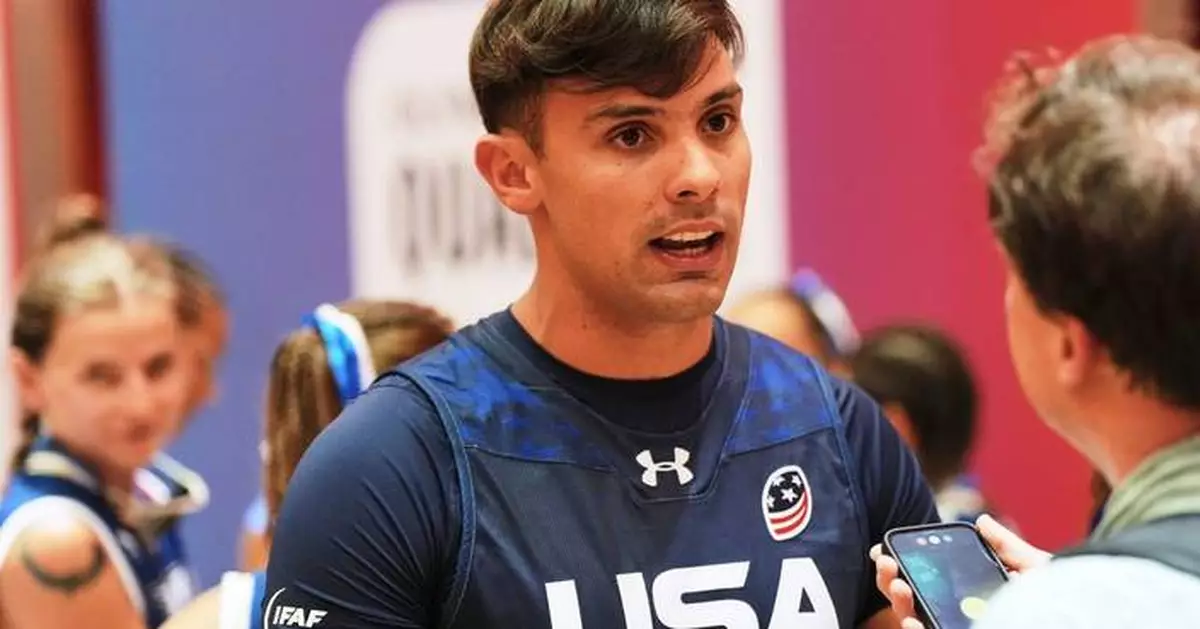
United States quarterback Nicholas Casares speaks to the Associated Press during the media day ahead of the Flag Football World Championships, the sports first Olympic qualifier for LA28, in Duesseldorf, Germany, Wednesday, Aug. 12, 2026. (AP Photo/Martin Meissner)
The league is making its presence known this week in Dusseldorf as the German city hosts the first-ever Olympic qualifier in flag football, a game the NFL sees as a way to turn viewers into players and lifelong fans.
There are already NFL-branded flag classes in schools from Europe to Australia, Olympic medals on offer in Los Angeles in two years’ time and NFL-backed leagues coming soon that could offer a livelihood to some of the more than 300 players from 18 countries participating in the qualifiers that began Thursday and which double as the world championships.
“If it all plays out the way it should, it’s life-changing,” said U.S. quarterback Nico Casares, whose team already has a spot in LA since it represents the host nation.
The International Federation of American Football runs the Olympic qualifiers and championship tournament, where the top two men’s and women’s teams will earn a spot in LA, but it also has a long-term partnership with the NFL and the league's logo is everywhere in Dusseldorf.
NFL branding is on banners across the city, where the championships will be played on a New England Patriots-branded field next to a high school.
The league has been expanding its slate of international games steadily for over a decade and will play a record nine this season. Now to get people playing football's fast-paced variant, where slippery movement is the game-changer, not big hits.
“We’re still looking to become a competing global sport. Our single games are great, they’re like concerts,” NFL executive vice president of football operations Troy Vincent told the AP.
“But to have a sport that is ingrained around the world, it points us in that direction of more boys and girls playing, more officials officiating, more coaches coaching around the world.”
Olympic qualifiers in established sports can often feel like they’re for diehard fans only, but the NFL's expertise has helped shape how flag football looks and sounds. Nike and DAZN are on board as partners.
Wherever the NFL goes with international games, it teams up with local governments and school authorities to get flag football classes into schools, too.
“Getting kids connected into your brand, to your product, to your sport at a young age, the data is actually relatively consistent,” said Brian Flinn, the NFL senior vice president heading up the league’s global flag efforts, citing a study on U.S. teens which found the impact of playing flag was almost as much as tackle football. “Getting kids involved in the sport early makes you three times more likely to be an avid fan as an adult."
Olympic status has unlocked funding and government backing for teams around the world, in places far away from a traditional football center.
When she's not playing wide receiver for Panama, Clarisse Castillo is a physical therapist, appears on a TV game show and coaches flag. Life is “60% flag football and 40% Clarisse," she said. The Olympic qualifier is an audition for a whole new lifestyle for Castillo and her teammates.
"Maybe people that watch us here can take us to play professional leagues that are going to be (possible) in the future,” she said. “We see this as a great opportunity for that because we as athletes sometimes don’t get recognized economically.”
In Canada, Olympic recognition meant a high-performance training program for the women's team for the first time.
“I think we all dream of a day where we can play flag as a career,” quarterback Sara Parker said. “I think we’re heading in that direction and we’re excited to see where it goes.”
On the NFL side, Vincent said flag football is a “completely new world” for female participation, with increasing numbers of sanctioned high school competitions, college scholarships and potentially NCAA championship status next year.
“My oldest daughter, Desiré, because of her gender, there weren’t opportunities for her in the state of Florida to continue to participate like her two younger brothers," Vincent said.
"And now with granddaughters and my oldest, Desiré, having two girls, guess what? In Detroit they’re going to a flag clinic this week.”
The NFL influence in flag football won't extend to a star NFL quarterback taking Casares' Olympic spot — at least he hopes so.
“Everyone wants our spot in the United States and obviously there’s a lot of talk about different people getting involved," he told the AP. “We embrace that, just as much as them coming out and showing us that they want to learn our game and compete with us.”
There's been plenty of speculation that NFL stars could swoop in and take roster spots. NFL owners had previously approved participation by the league's players.
IFAF President Pierre Trochet said the Olympics are a “Barcelona '92” moment for flag football, comparing the impact to NBA players on the “Dream Team” coming in and taking Olympic hoops to new heights.
“I watched (Michael) Jordan and I watched (Charles) Barkley and I wanted to be one of those superstars as well,” he said. “The most important is to have the best competitive players in the world qualify for the biggest multi-sports event in the world. That being said, nobody is entitled to be an Olympian. Everybody will have to earn their spot.”
The U.S. already has a spot in the Olympics but there's still plenty to play for at this week's championships.
The mission? “Win gold and leave no doubt in anyone’s mind that we’re the team that should be in the 2028 Olympics," Casares said.
The U.S. men's national team beat two squads of current and ex-NFL players at an exhibition in March featuring Tom Brady, Jalen Hurts and Joe Burrow. Casares hopes that made a point that flag football is “a little different” and NFL stars can't just turn up and expect to be Olympians.
Many — perhaps most — of the new players coming into flag football will never play a single down of tackle football. That “100%” doesn't matter, said Vincent.
Flag football is thriving but IFAF hasn't organized a world championship in tackle football in nine years. Trochet, who played for France as an offensive lineman, said the travel costs for a full tackle football roster mean it's “less of a priority” now.
As the NFL-backed push to get flag football into schools takes effect, IFAF said there are 20 million flag football players in 100 countries and that a million people in China took part in at least one session last year.
“Ultimately,” Trochet said, “they’re all playing football.”
See AP’s full NFL coverage here
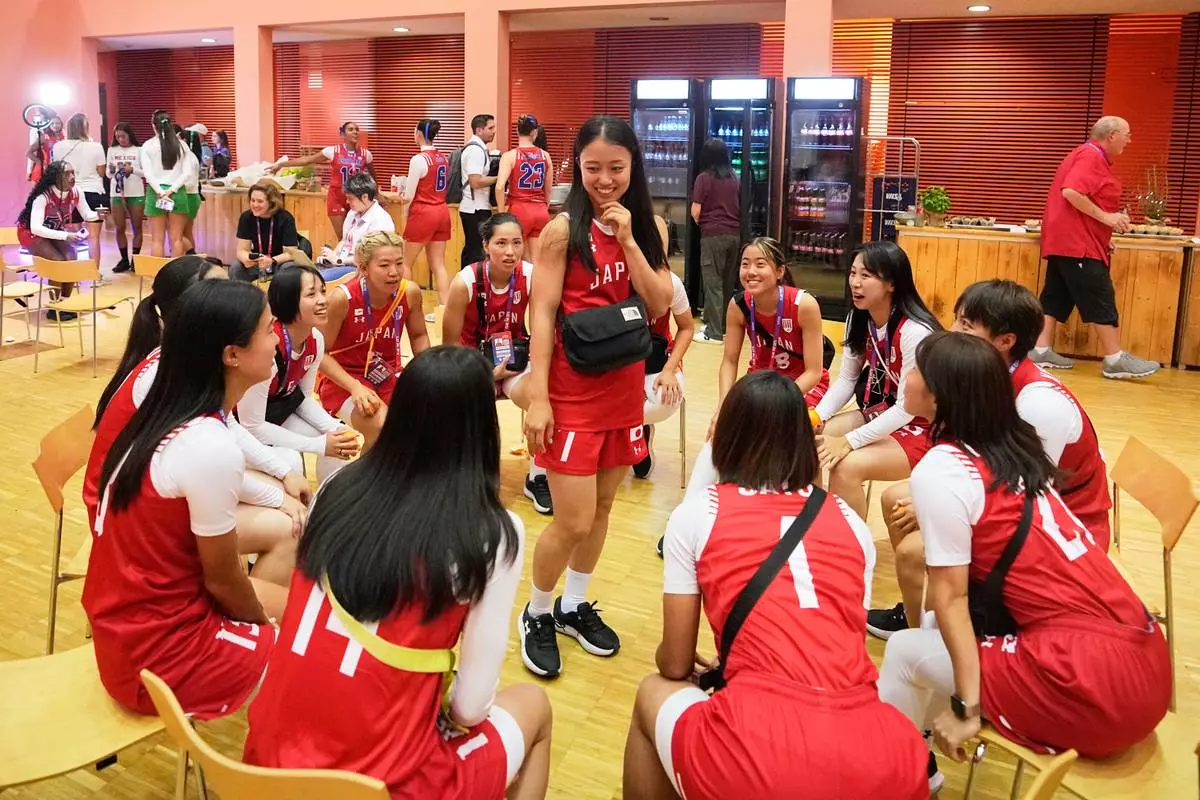
Japan's women's team have fun during the media day ahead of the Flag Football World Championships, the sports first Olympic qualifier for LA28, in Duesseldorf, Germany, Wednesday, Aug. 12, 2026. (AP Photo/Martin Meissner)
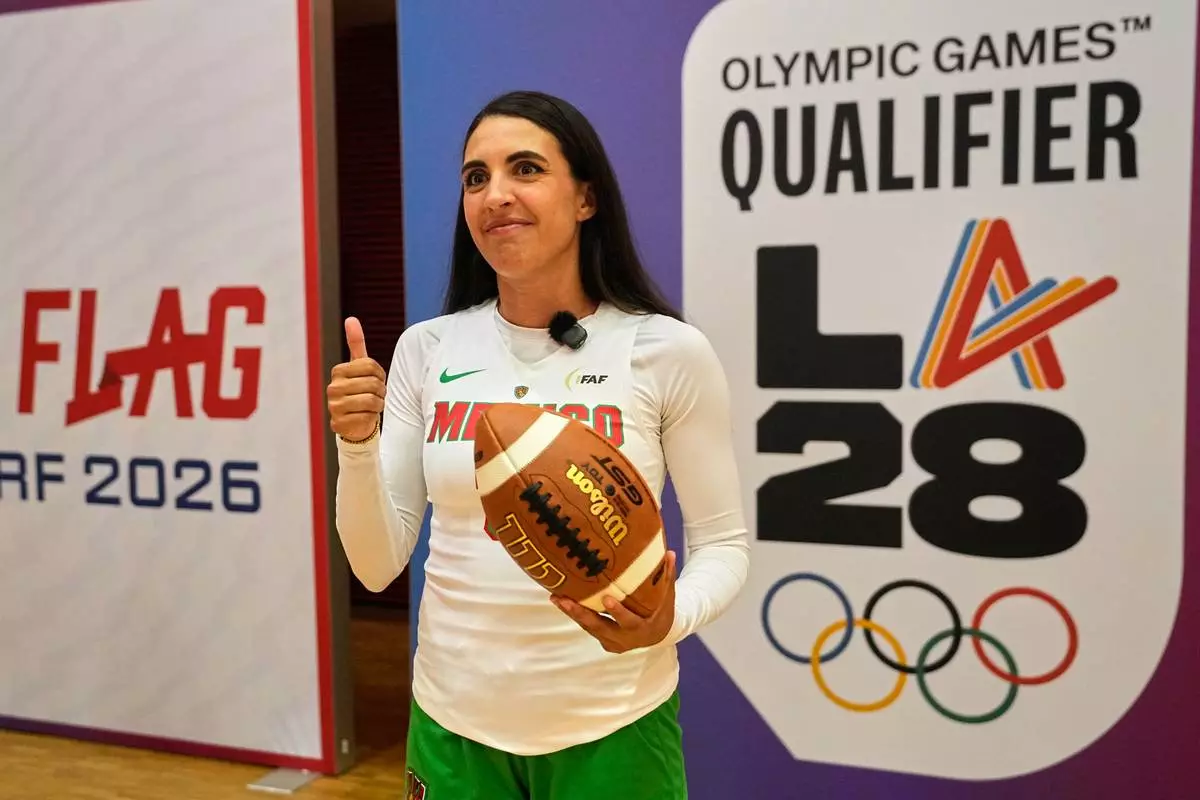
Silvia Contreras, captain of Mexico's women's team, holds a football during the media day ahead of the Flag Football World Championships, the sports first Olympic qualifier for LA28, in Duesseldorf, Germany, Wednesday, Aug. 12, 2026. (AP Photo/Martin Meissner)
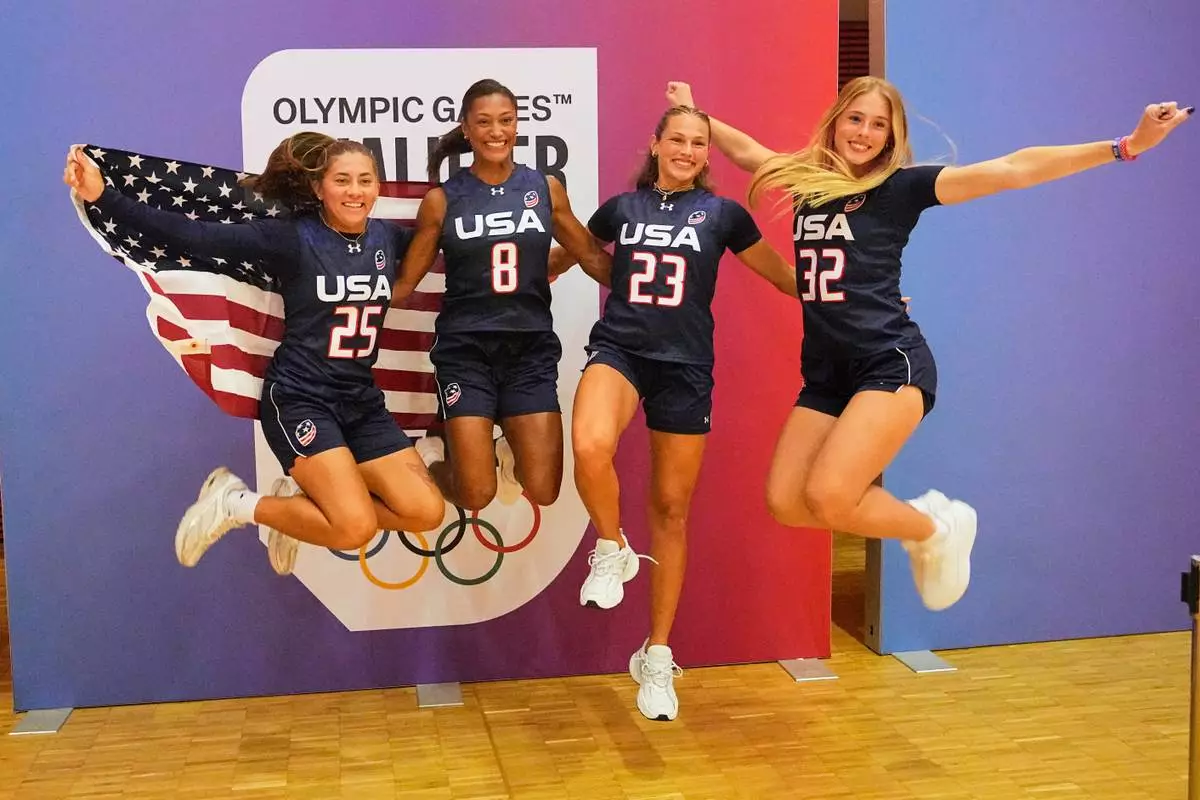
Loryn Goodwin, Ashlea Klam, Laneah Bryan and Isabella Geraci of the USA women's team jump with a United States flag during the media day ahead of the Flag Football World Championships, the sports first Olympic qualifier for LA28, in Duesseldorf, Germany, Wednesday, Aug. 12, 2026. (AP Photo/Martin Meissner)
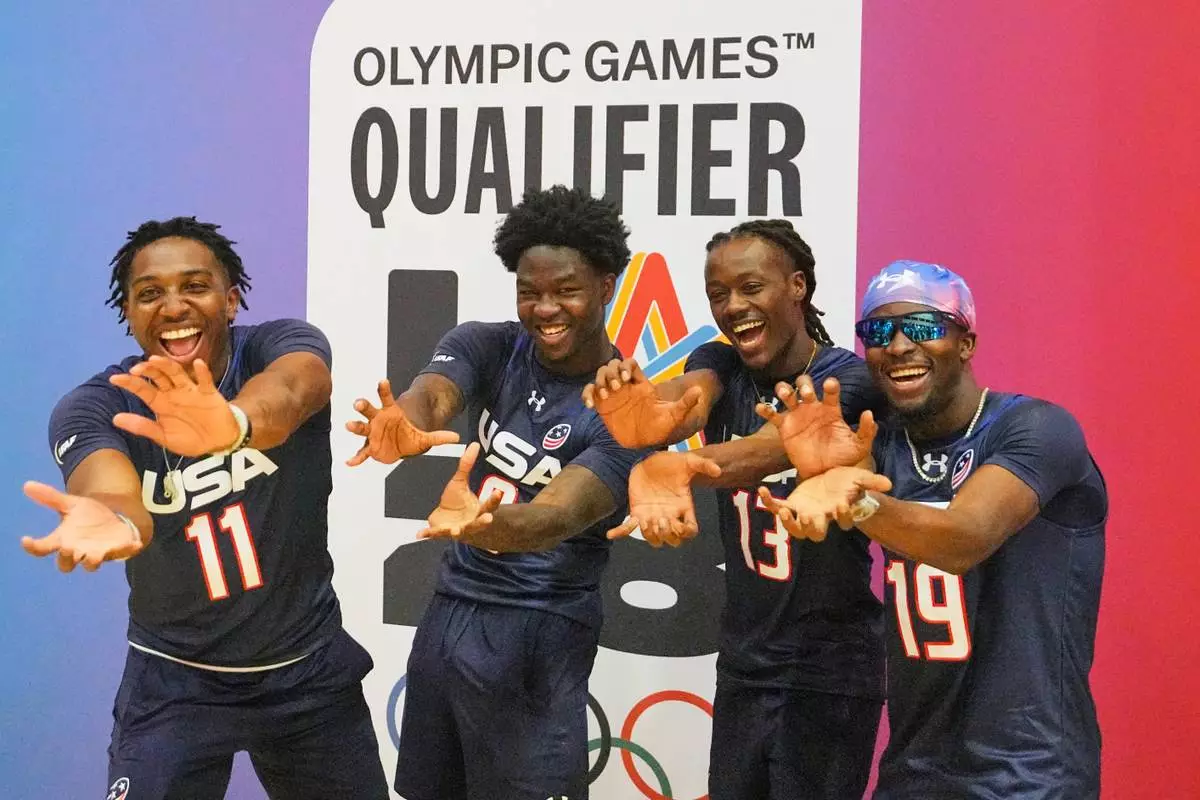
Isaiah Calhoun, Justin McMullen, Velton Brown and Shawn Theard of Team USA posing during the media day ahead of the Flag Football World Championships, the sports first Olympic qualifier for LA28, in Duesseldorf, Germany, Wednesday, Aug. 12, 2026. (AP Photo/Martin Meissner)
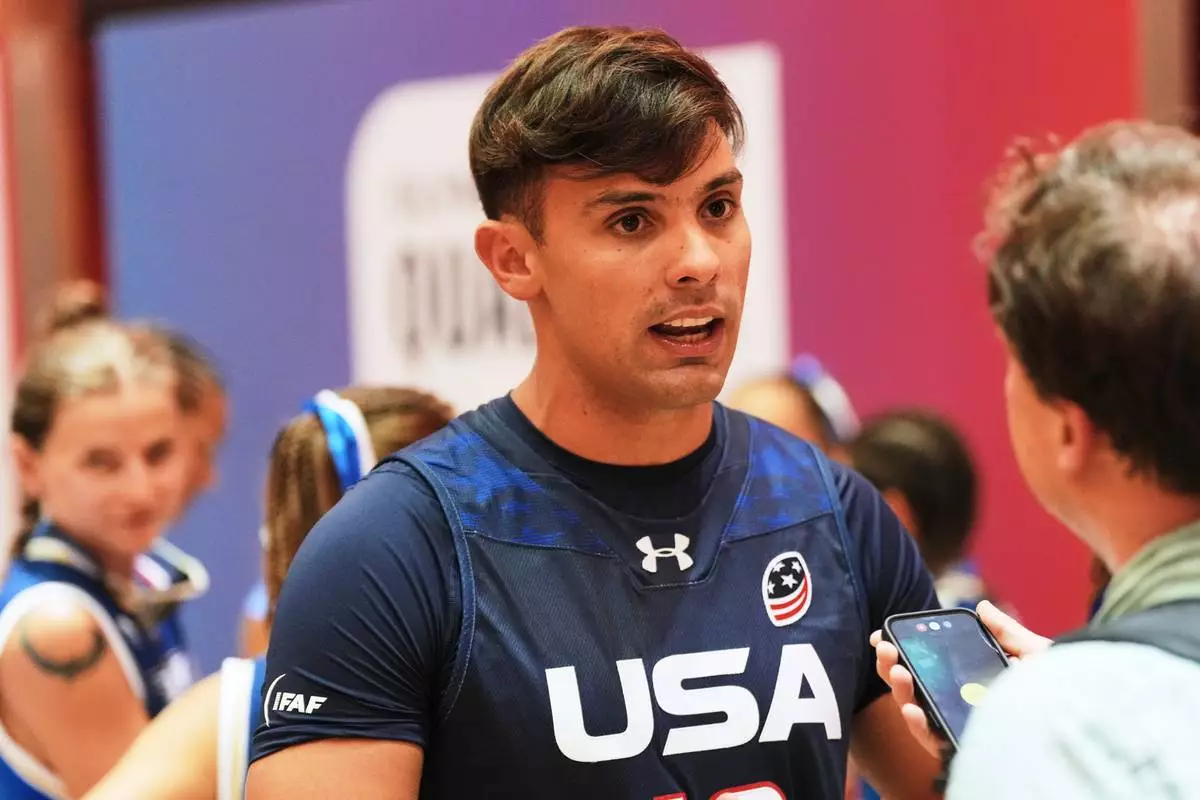
United States quarterback Nicholas Casares speaks to the Associated Press during the media day ahead of the Flag Football World Championships, the sports first Olympic qualifier for LA28, in Duesseldorf, Germany, Wednesday, Aug. 12, 2026. (AP Photo/Martin Meissner)