Local entrepreneurs in Taizhou City, east China's Zhejiang Province have explored a new business model of establishing village workshops to bring jobs closer to farmers, especially women who want to make money while staying with their families.
In Xin'ao, a village tucked away in the mountains of Taizhou, a previously empty village hall has been transformed into a bag factory.
This workshop employs nearly every woman in the village, offering them jobs that are within minutes of a walk.
Among them is Zhou Junhui, who joined the workshop in 2019. As a mother of two children, Zhou said the job gives her the flexibility to earn an income while looking after her family.
"My time is first spent on taking care of the kids and handling school pick-ups and drop-offs. I do my work whenever I have spare time," Zhou said, adding "I can get 6,000 yuan (about 890 U.S. dollars) each month now."
"I look after the kids, cook, and still make decent money. Working here is super convenient, so I don't feel like leaving," said Chen Haimei, another villager working at the workshop.
Founded by Lu Caifen, general manager of the Zhejiang Yimei Technology Company, the small village project has now grown into a model being replicated in other communities.
"I adapted this model to local conditions and promoted it to other villages. Now, six villages have set up the similar workshops," Lu said.
Through livestreaming e-commerce channels, the workshop now sells more than 10,000 bags a month and generates 3 million dollars every year.
"This single bag keeps 50 people employed," Lu said.
Currently, more than 1,800 village workshops have been built across Taizhou, creating jobs for tens of thousands of rural residents and offering them a sustainable path to higher incomes.
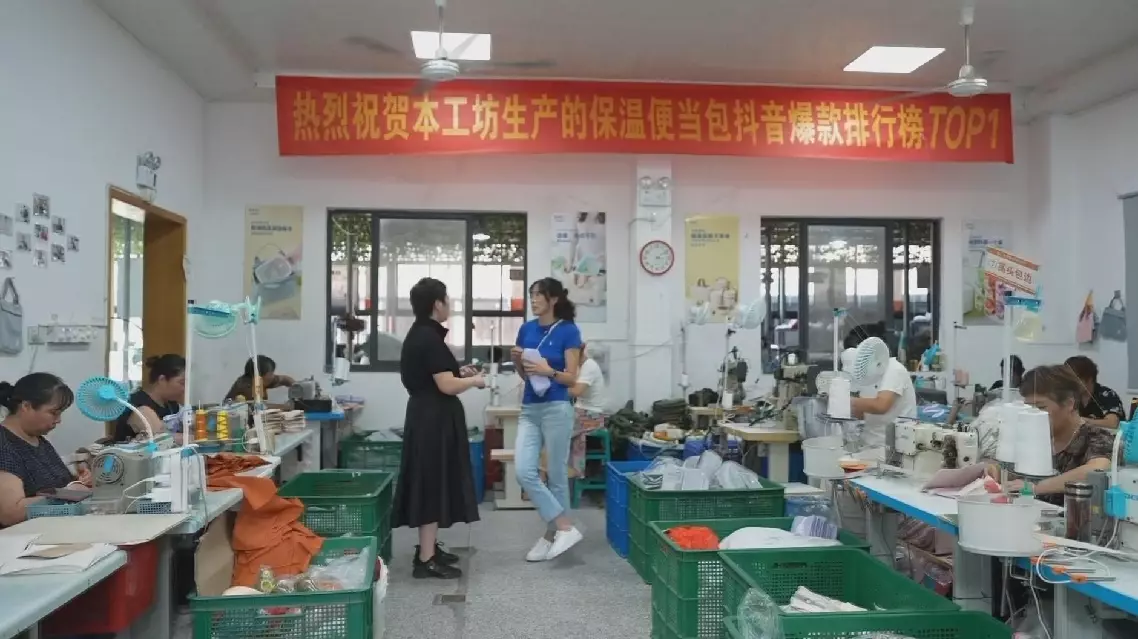
Village workshops create near-home jobs for rural women in Zhejiang
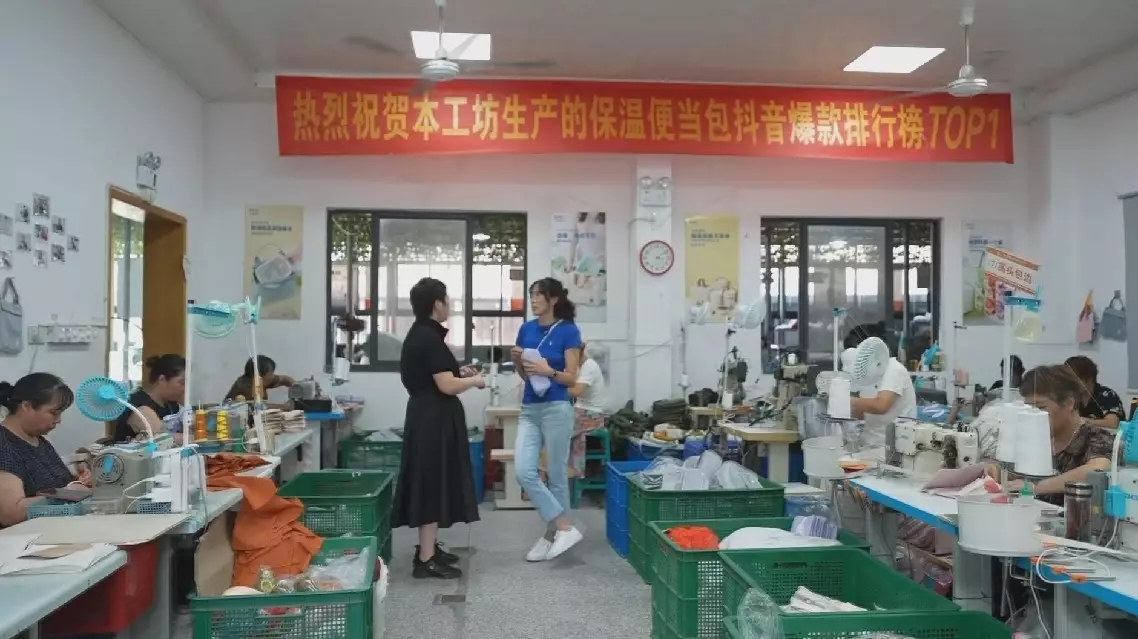
Village workshops create near-home jobs for rural women in Zhejiang
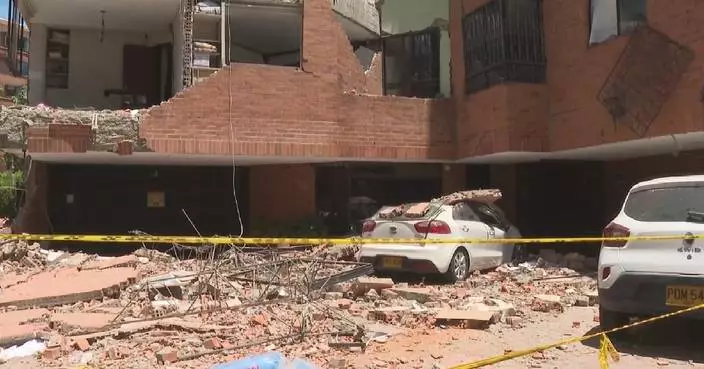
Residents in Cali, Colombia have pitched makeshift shelters near their homes rather than move to official sites, after a powerful earthquake struck Monday.
The 7.5-magnitude quake jolted cities across Colombia's western region at 07:34 local time on Monday, leaving at least 281 people dead, 3,971 others injured and 379 missing, according to data released by the National Unit for Disaster Risk Management on Thursday.
The quake now affects 44,936 families and 102,105 people in 15 departments and 426 municipalities, the agency said, adding that 10,677 homes had been destroyed and 65,841 others damaged.
In the Chiminangos neighborhood in northeastern Cali, hundreds of people have been living in a park since the deadly earthquake forced them out of their homes.
Among them are Maria Alejandra and her three daughters. Their house was badly damaged by the earthquake and is at risk of coming down in an aftershock.
Alejandra showed CGTN reporters a security camera video which caught the moment when she was running out of the house with her daughter during the earthquake, as well as a video of her damaged house taken by herself.
"You could see those houses rumbling and shaking -- a horrible, horrible moment. People screaming, children screaming," she said.
Esther Lucia Ordonez, leader of the community, said they were relying heavily on the solidarity of the neighbors, who have donated food, water and hygiene items to the 174 registered families at the camp.
However, they are still in short of tents, as displaced people keep arriving at the park, according to Ordonez.
"Families keep coming. If there are more aftershocks, the damaged walls, stairways and infrastructure pose great risks. So they can't stay there anymore, and they need to find somewhere to go, because their lives are at risk," she said.
City authorities have deployed mobile health units and social workers to the area. There is a primary emergency shelter nearby, but most people are reluctant to go there, because they want to stay close to home, according to Laura Patricia Alvarez Gomez, a shelter coordinator of Cali.
"We're giving them the guarantees they need to be able to move to a shelter safely. What we've told them is: the priority is life -- life and safety," she said.
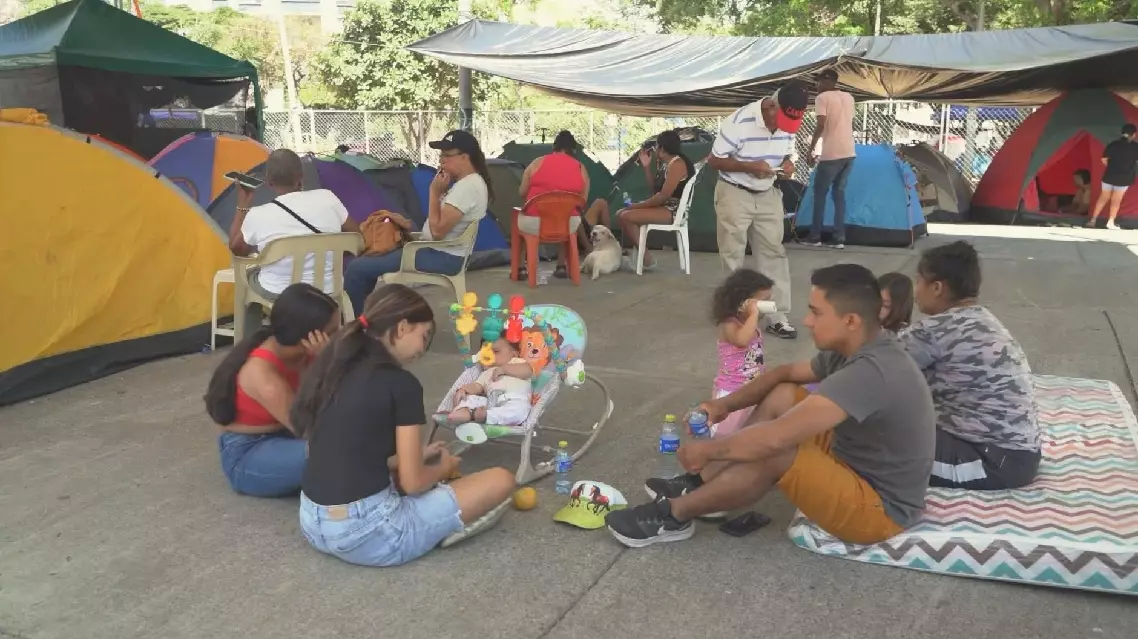
Quake survivors in Cali take refuge in makeshift camps