NEW YORK (AP) — Luigi Mangione’s guilty plea Friday to federal stalking charges in the killing of UnitedHealthcare CEO Brian Thompson resolved one of two cases against him in the executive's death. He is scheduled to go on trial on state murder charges on Sept. 8. His sentencing in the federal case is set for Dec. 18.
Thompson, 50, was shot outside a New York City hotel on Dec. 4, 2024, as he walked to UnitedHealth Group’s annual investor conference. Mangione was arrested five days later at a McDonald’s restaurant in Altoona, Pennsylvania, about 233 miles (375 kilometers) west of New York City.
Click to Gallery
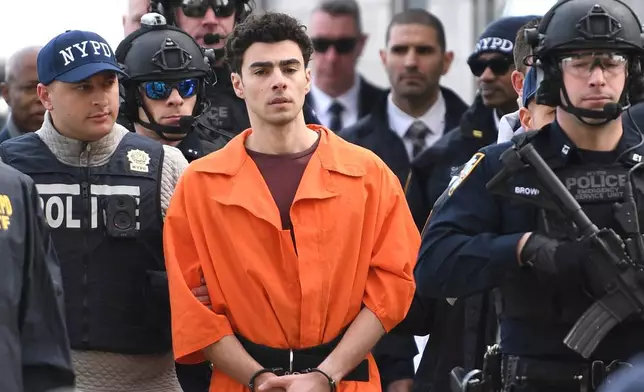
FILE - Luigi Mangione, a suspect in the fatal shooting of UnitedHealthcare CEO Brian Thompson, is escorted by police, Thursday, Dec. 19, 2024, in New York. (AP Photo/Pamela Smith, File)
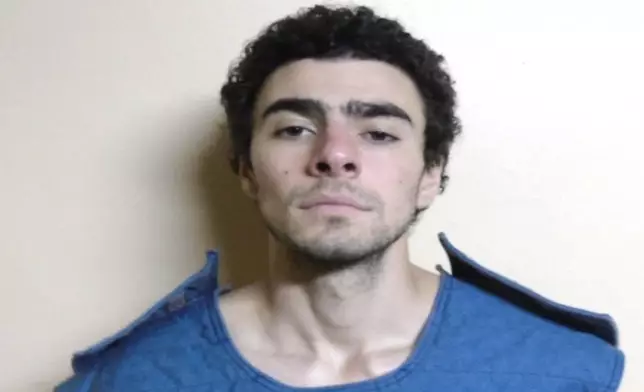
FILE - This booking photo released Monday, Dec. 9, 2024, by the Pennsylvania Department of Corrections shows Luigi Mangione, a suspect in the fatal shooting of UnitedHealthcare CEO Brian Thompson. (Pennsylvania Department of Corrections via AP, File)

FILE - This image release by Pennsylvania State Police shows a video image of Luigi Mangione, a suspect in the fatal shooting of UnitedHealthcare CEO Brian Thompson, at a McDonald's in Altoona, Pa., Monday, Dec. 9, 2024. (Pennsylvania State Police via AP, File)
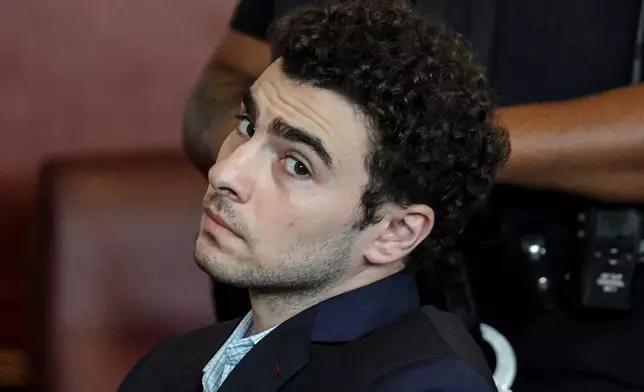
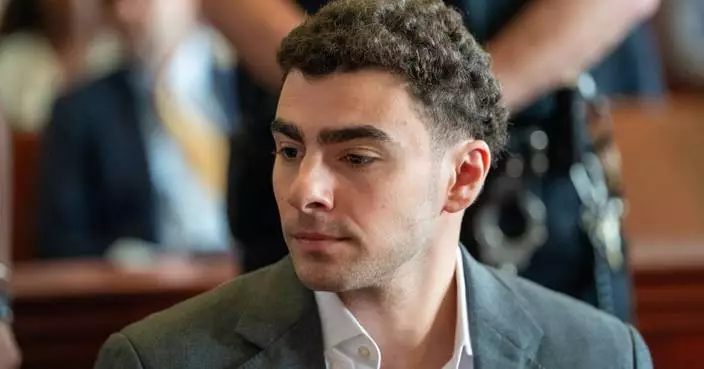
FILE - Luigi Mangione appears at a hearing in Manhattan Criminal Court in New York, Monday, May 18, 2026. (Jeenah Moon/Pool Photo via AP, File)
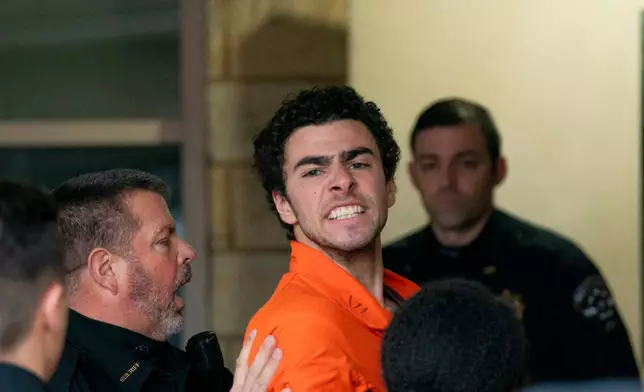
FILE - Suspect Luigi Mangione is taken into the Blair County Courthouse on Tuesday, Dec. 10, 2024, in Hollidaysburg, Pa. (Benjamin B. Braun/Pittsburgh Post-Gazette via AP, File)
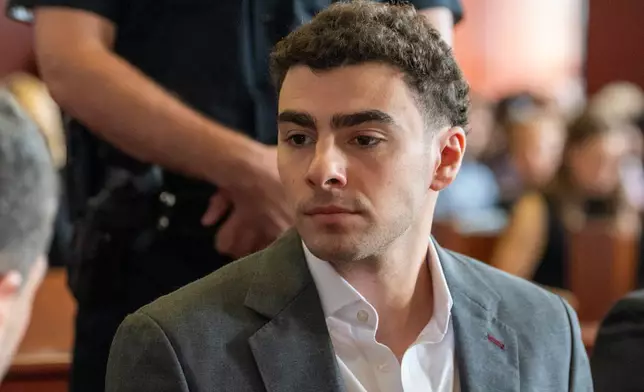
Luigi Mangione appears for a pre-trial hearing at Manhattan Criminal Court in New York, on Tuesday, Aug. 11, 2026. (David Dee Delgado/Pool Photo via AP)
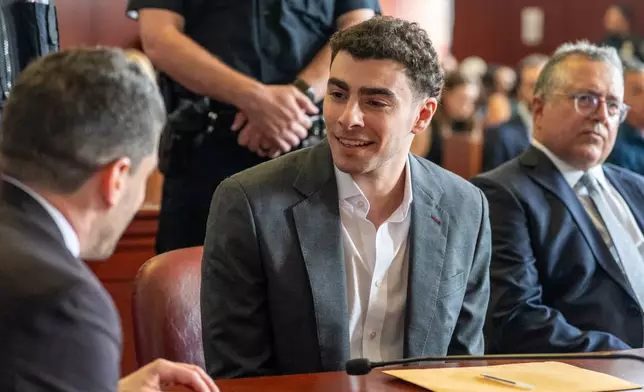
Luigi Mangione appears for a pre-trial hearing at Manhattan Criminal Court in New York, on Tuesday, Aug. 11, 2026. (David Dee Delgado/Pool Photo via AP)
Here is a timeline of key events:
Nov. 24: A man prosecutors say is Mangione arrives in New York City on a Greyhound bus. He takes a taxi to the area of the New York Hilton Midtown, where Thompson is later shot, then goes to a hostel where he stays until the morning of the shooting. While checking in, prosecutors say, the man presents a fake New Jersey driver’s license bearing the name Mark Rosario.
Dec. 2: Thompson arrives in New York. He is staying at a hotel across the street from the Hilton.
Dec. 4: Thompson is shot and killed. The shooter, later identified by prosecutors as Mangione, waits in the area for about an hour before ambushing Thompson. He then flees through Central Park to upper Manhattan before taking the subway to Penn Station and boarding an Amtrak train to Philadelphia, police say. The shooting is captured on surveillance video.
Dec. 5: In the days after the shooting, police release various images of the suspected shooter, including one showing his face as he checked into the hostel.
Dec. 6: Police find a backpack in Central Park that they say the shooter discarded as he fled. It contains Monopoly money and a black Tommy Hilfiger jacket.
Dec. 9: Altoona police are dispatched to a McDonald’s for a report of a man matching the description of the suspect in Thompson's killing. The man provides a fake ID and name, Mark Rosario, before identifying himself as Luigi Mangione. He is arrested. In his backpack, police find a 3D-printed pistol prosecutors say matches the one used to kill Thompson and a notebook that describes wanting to “wack” a health insurance executive.
Dec. 11: Mangione shouts about an “insult to the intelligence of the American people” and writhes in the grip of sheriff’s deputies as they lead him into an Altoona courthouse.
Dec. 17: Manhattan District Attorney Alvin Bragg announces that Mangione has been indicted on state charges including murder as an act of terrorism, calling the killing “a frightening, well-planned, targeted murder that was intended to cause shock and attention and intimidation.”
Dec. 19: Mangione is extradited from Pennsylvania and flown to New York. He is led up a Manhattan pier by armed officers in a highly choreographed perp walk in front of news cameras. The mayor at the time, Eric Adams, and Police Commissioner Jessica Tisch look on. Mangione is taken to federal court, where he is charged with stalking and murder.
Dec. 23: Mangione is arraigned on state murder and terror charges. He pleads not guilty while his lawyer complains that the dueling federal and state prosecutions had turned him into a “human ping-pong ball.”
April 1: Then-U.S. Attorney General Pam Bondi says she has directed federal prosecutors to seek the death penalty against Mangione, calling Thompson's killing “a premeditated, cold-blooded assassination that shocked America” and “an act of political violence.”
April 25: Mangione pleads not guilty to a federal murder charge as prosecutors formally declared their intent to seek the death penalty against him.
Sept. 16: The judge in the state case, Gregory Carro, throws out Mangione's terrorism charges, rejecting the prosecution’s theory that the killing was “intended to evoke terror.” The ruling eliminated the top two charges in Mangione’s state case, sparing him the possibility of a mandatory life sentence without the possibility of parole. Carro keeps other charges in place, including second-degree murder.
Dec. 1: A three-week evidentiary hearing kicks off in Mangione’s state case. Prosecutors call 17 witnesses, many of them police officers and other personnel involved in his arrest, and play body-camera footage of officers arresting Mangione and a 911 call from the McDonald's manager about a man resembling “the CEO shooter.” They also reveal notes about a “survival kit” and “intel checkin” and possible escape plans that they say Mangione had with him.
Jan. 30: U.S. District Judge Margaret Garnett bars federal prosecutors from seeking the death penalty against Mangione, dismissing a federal murder charge that enabled them to seek capital punishment. Garnett also rules that prosecutors can use evidence collected from Mangione’s backpack during his arrest.
Feb. 6: Mangione speaks out in court against the prospect of back-to-back trials, telling Carro: “It’s the same trial twice. One plus one is two. Double jeopardy by any commonsense definition.”
May 18: Carro rules that prosecutors in the state case can use the gun, notebook and other items that police found in Mangione’s backpack after his arrest. However, the judge bars items that officers took from the bag before Mangione was taken into custody, including a loaded gun magazine, cellphone, passport and wallet.
June 17: Carro discloses that Mangione plans to assert a psychiatric defense at his state murder trial, claiming he was suffering from extreme emotional disturbance when he killed Thompson. The next day, Mangione's lawyers reverse course and tell Carro he wouldn't be pursuing a psychiatric defense.
Aug. 14: Mangione pleads guilty to federal stalking charges and admits he targeted and killed Thompson. Prosecutors say they intend to seek a sentence of life in prison. Mangione's lawyers immediately file paperwork seeking to have the state murder case dismissed on double jeopardy grounds.
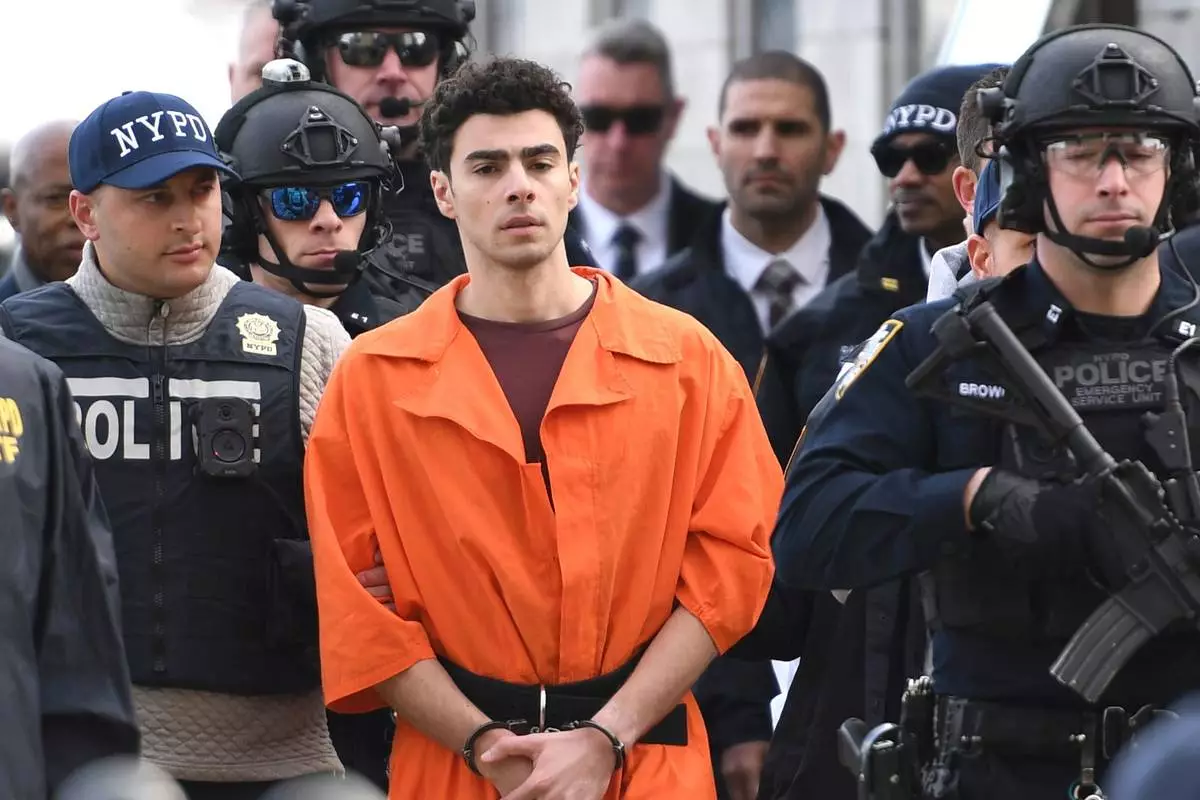
FILE - Luigi Mangione, a suspect in the fatal shooting of UnitedHealthcare CEO Brian Thompson, is escorted by police, Thursday, Dec. 19, 2024, in New York. (AP Photo/Pamela Smith, File)
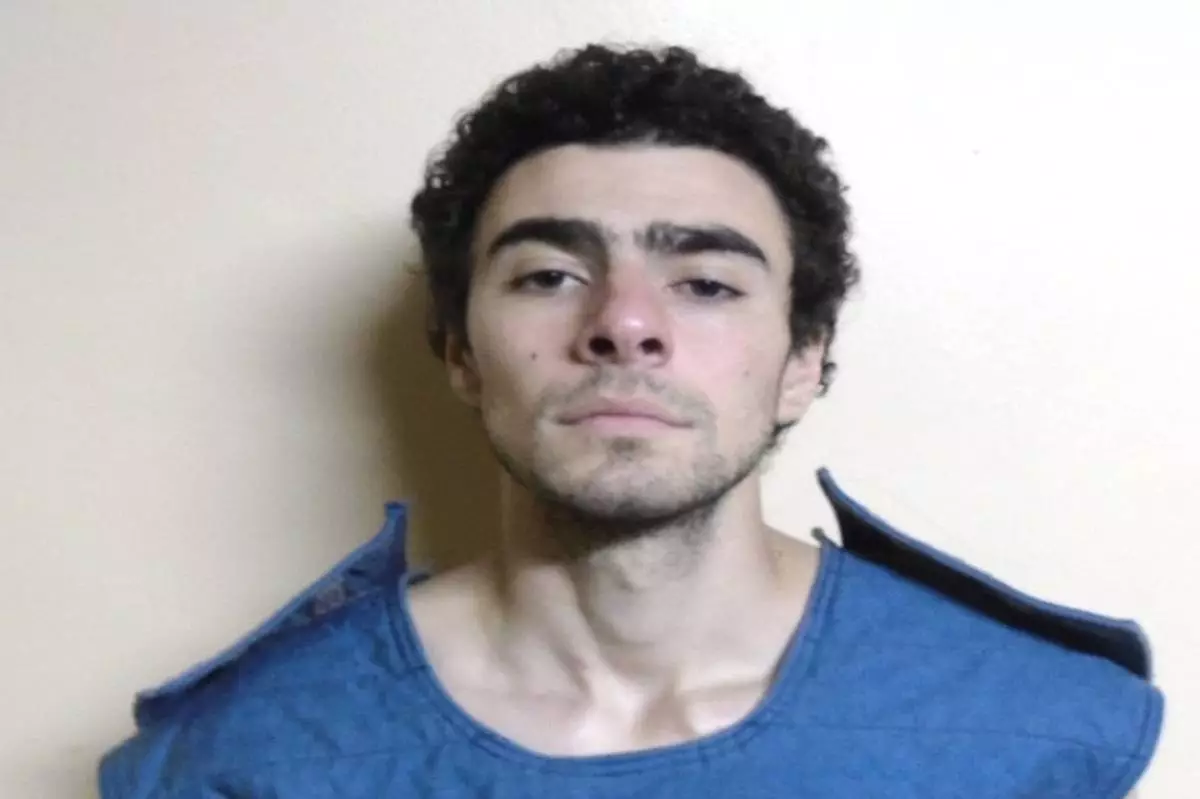
FILE - This booking photo released Monday, Dec. 9, 2024, by the Pennsylvania Department of Corrections shows Luigi Mangione, a suspect in the fatal shooting of UnitedHealthcare CEO Brian Thompson. (Pennsylvania Department of Corrections via AP, File)
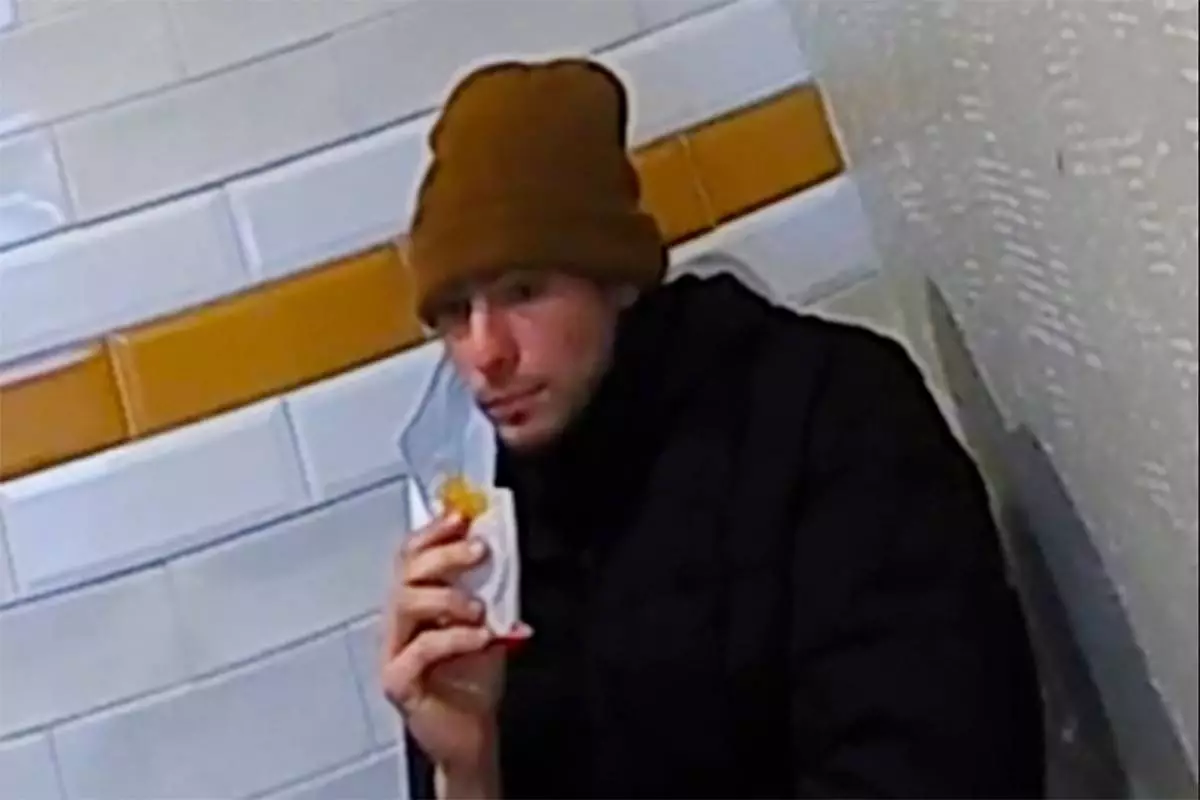
FILE - This image release by Pennsylvania State Police shows a video image of Luigi Mangione, a suspect in the fatal shooting of UnitedHealthcare CEO Brian Thompson, at a McDonald's in Altoona, Pa., Monday, Dec. 9, 2024. (Pennsylvania State Police via AP, File)
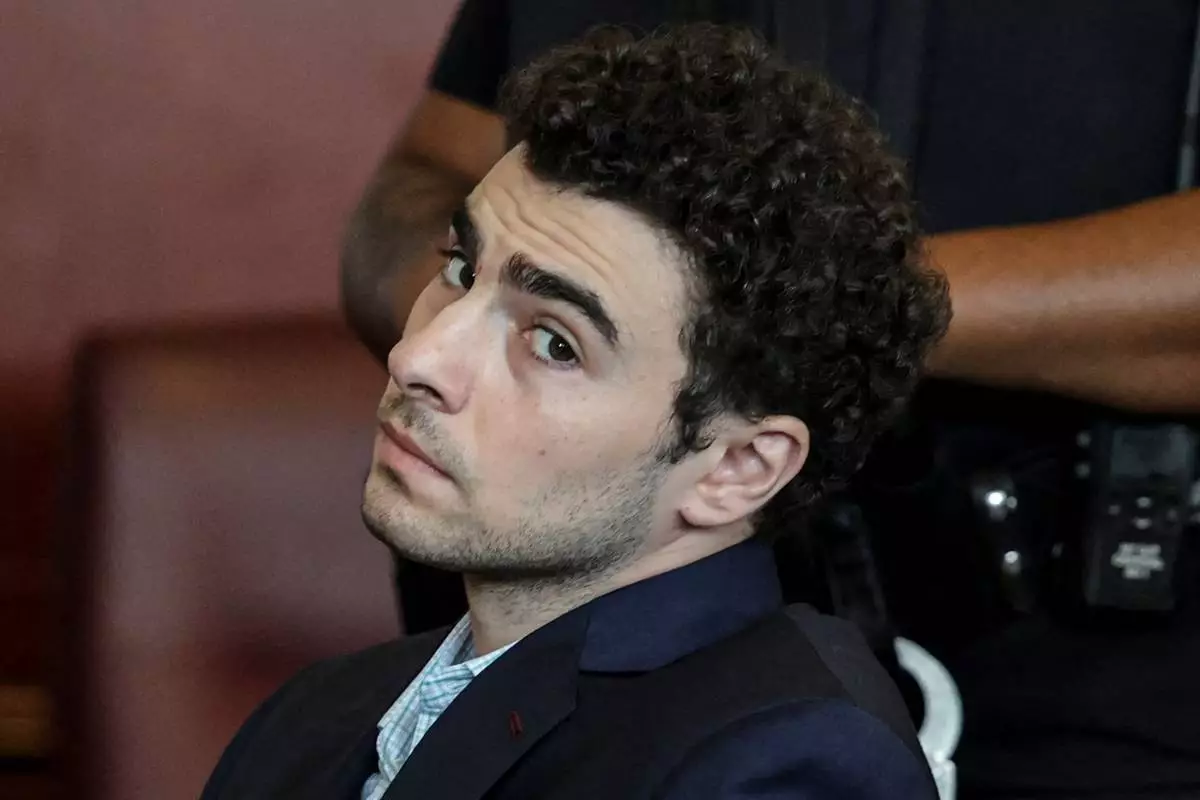
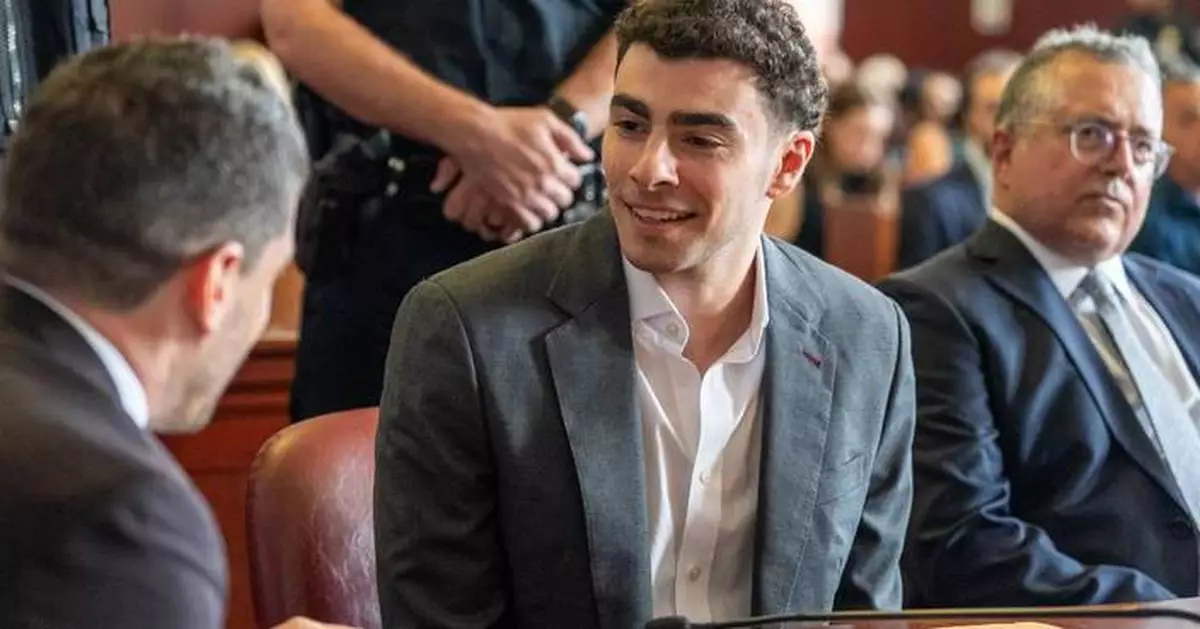
FILE - Luigi Mangione appears at a hearing in Manhattan Criminal Court in New York, Monday, May 18, 2026. (Jeenah Moon/Pool Photo via AP, File)
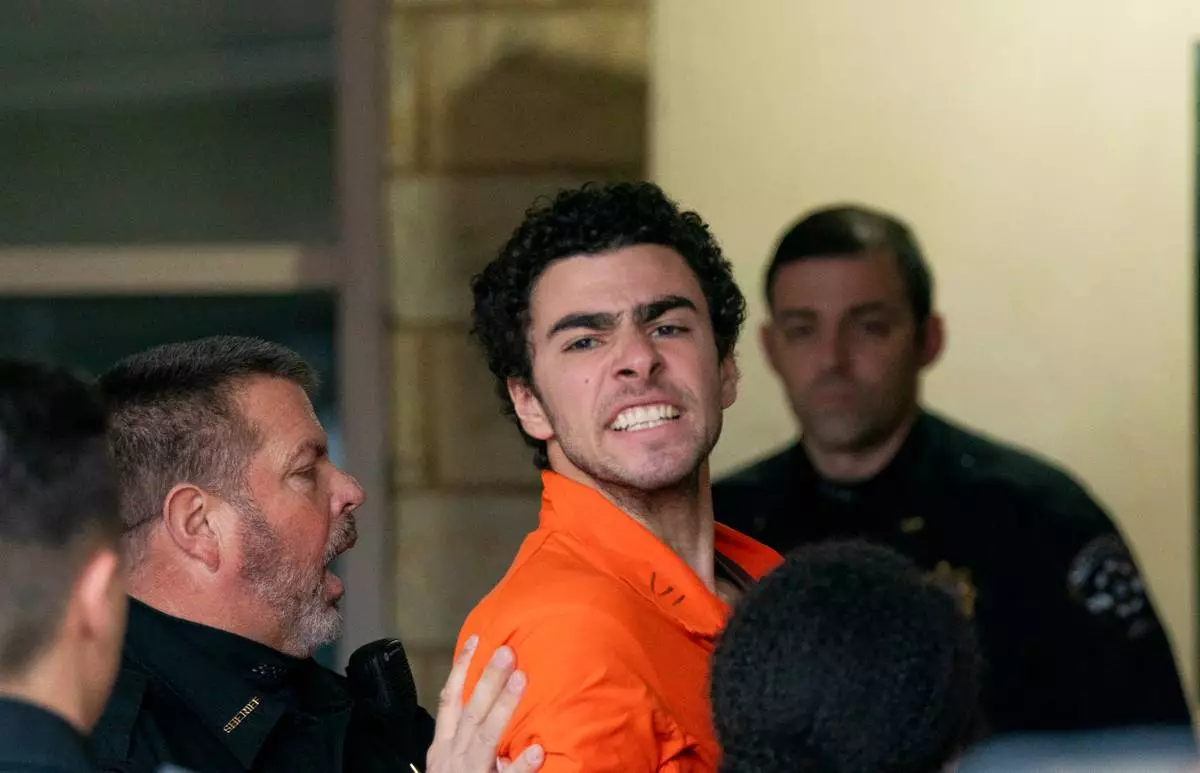
FILE - Suspect Luigi Mangione is taken into the Blair County Courthouse on Tuesday, Dec. 10, 2024, in Hollidaysburg, Pa. (Benjamin B. Braun/Pittsburgh Post-Gazette via AP, File)
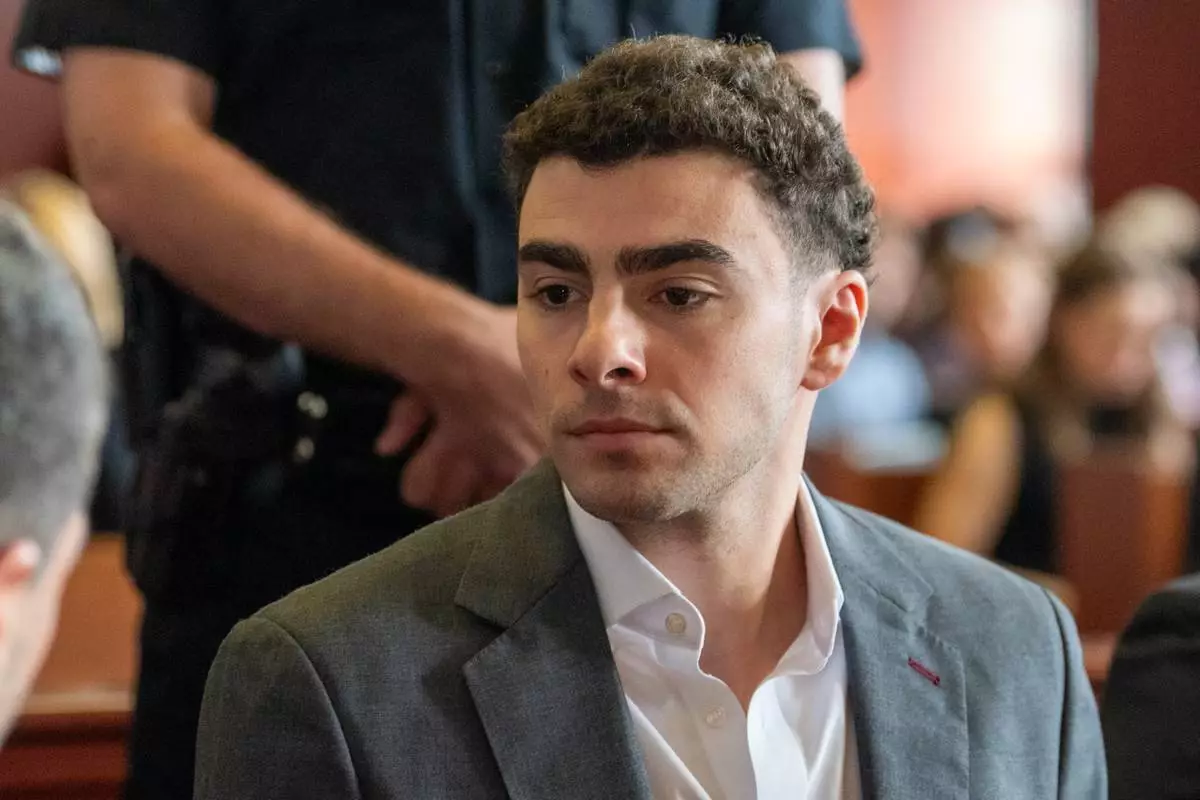
Luigi Mangione appears for a pre-trial hearing at Manhattan Criminal Court in New York, on Tuesday, Aug. 11, 2026. (David Dee Delgado/Pool Photo via AP)
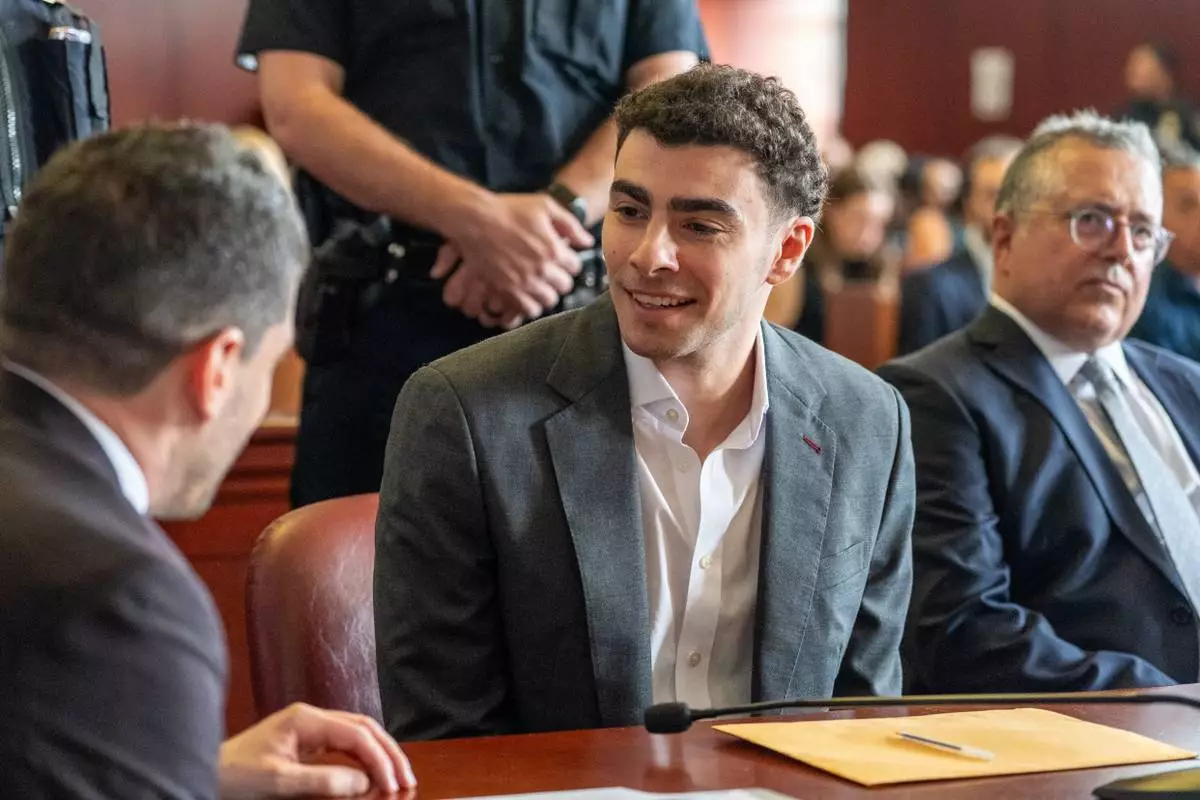
Luigi Mangione appears for a pre-trial hearing at Manhattan Criminal Court in New York, on Tuesday, Aug. 11, 2026. (David Dee Delgado/Pool Photo via AP)